

Yes, drones can carry humans, but this technology is still in the experimental stage and faces various regulatory, safety, and technological challenges. As advancements continue, the potential for human-carrying drones is becoming more plausible, with many companies and regulatory bodies actively working to bring this vision closer to reality. The concept of aerial taxis and personal drones is generating considerable interest and investment, indicating that the future of human transport may soon include the skies.
The Current State of Human-Carrying Drones
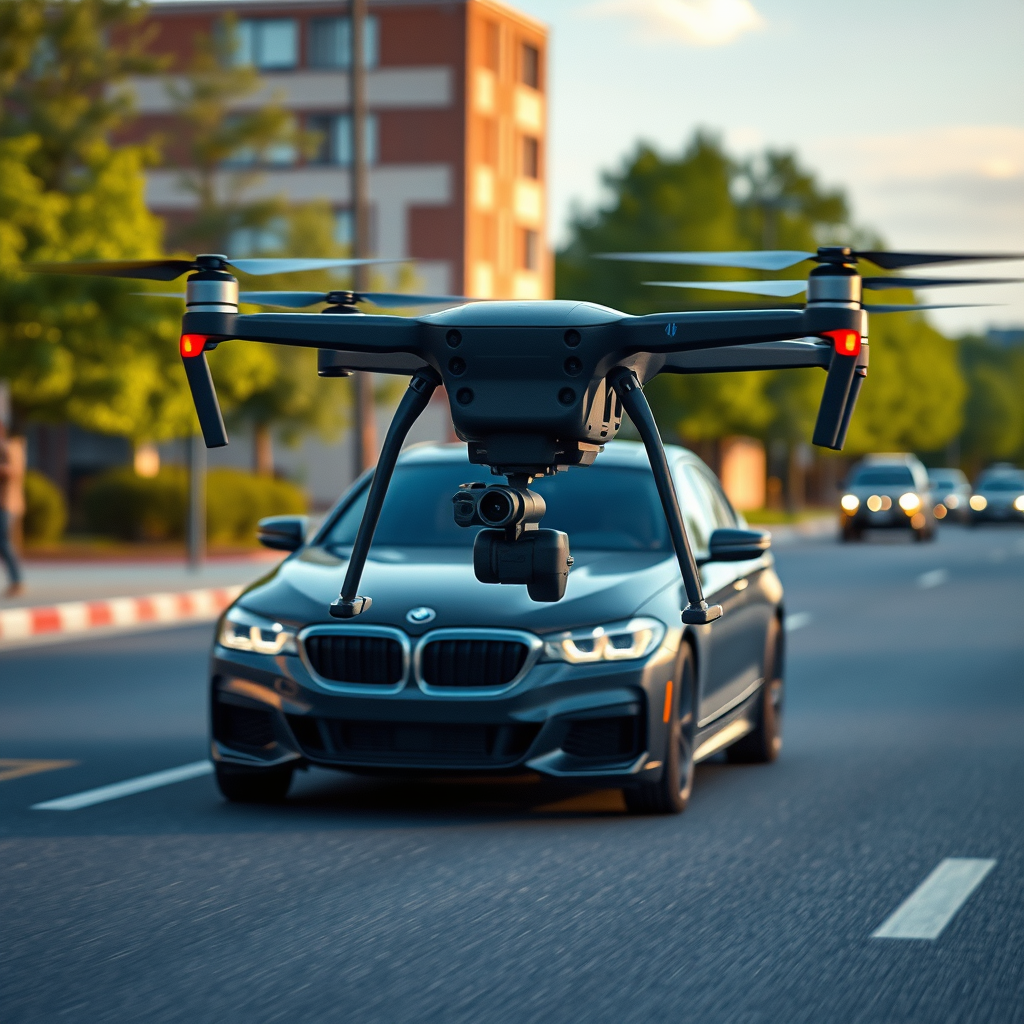
The development of human-carrying drones has gained momentum over the past few years, with several companies entering the arena. Notable players like Boeing, Airbus, and startups such as Joby Aviation and Lilium are pioneering designs for passenger drones that promise to revolutionize urban transportation. These prototypes are designed to operate in urban environments, offering a solution to ground traffic congestion.
Regulatory bodies, such as the Federal Aviation Administration (FAA) in the United States and the European Union Aviation Safety Agency (EASA), are beginning to create frameworks that will allow for the testing and operation of these aircraft. These frameworks are critical for ensuring that human-carrying drones can operate safely alongside traditional air traffic. Testing is being conducted in controlled environments and under strict regulations to assess both the vehicles’ performance and their integration into existing air traffic control systems.
Types of Drones Capable of Carrying Humans
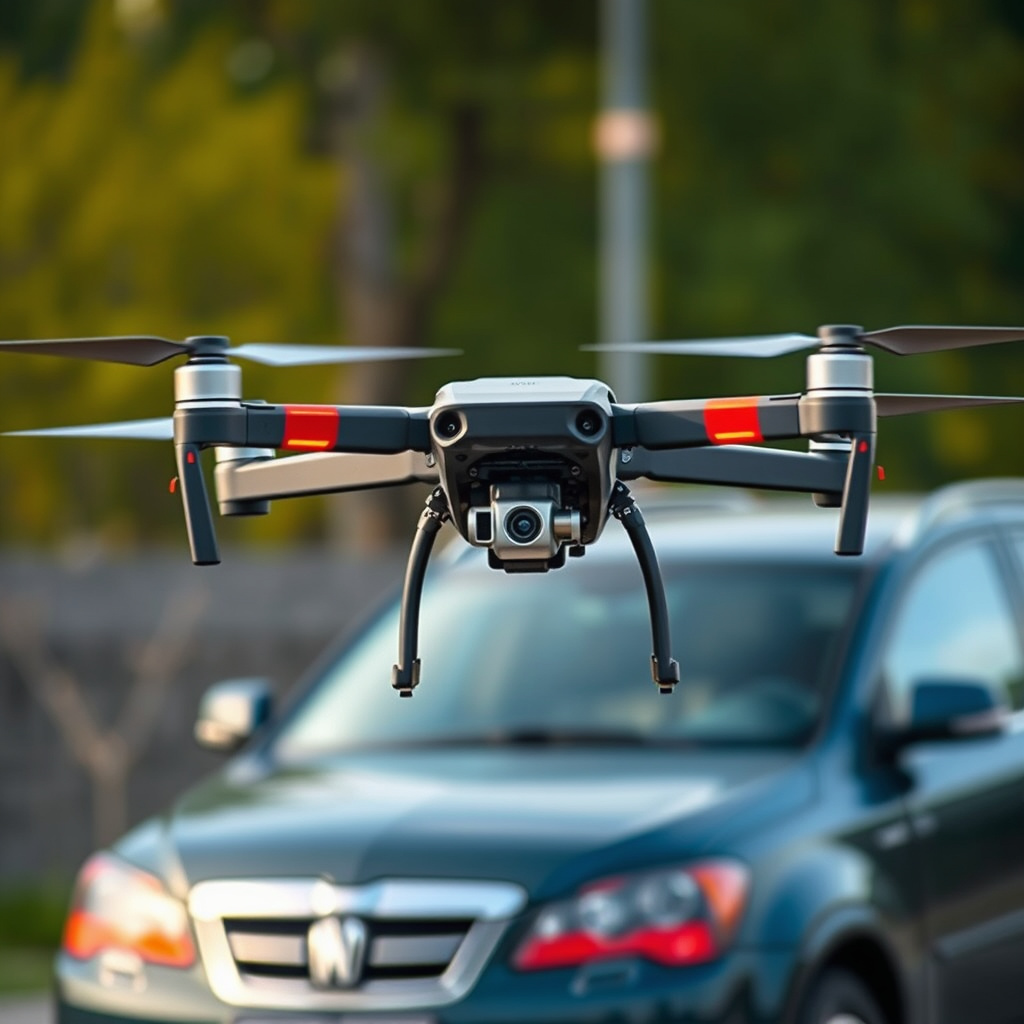
When it comes to the types of drones capable of carrying humans, there are primarily two categories worth noting: multirotor drones and VTOL (Vertical Take-Off and Landing) aircraft.
– Multirotor drones: These are the most common type of drones currently in use, characterized by their multiple rotors, which provide stability and control. However, while they excel at carrying smaller payloads, current multirotor technology is not yet optimized for the substantial weight and safety requirements of human transport.
– VTOL aircraft: These vehicles are specifically designed for carrying passengers and cargo. Unlike traditional aircraft, VTOLs can take off and land vertically, making them ideal for urban environments where space is limited. Companies like Lilium and Volocopter are leading the charge in this area, developing aircraft that utilize electric propulsion systems to achieve efficient flight with minimal environmental impact. Their designs often incorporate multiple rotors or wings that can transition between vertical and horizontal flight modes, enhancing their versatility.
Safety and Regulatory Concerns
The integration of human-carrying drones into everyday life raises significant safety and regulatory concerns. Currently, air traffic regulations must be established to ensure the safe operation of these drones, especially in densely populated urban areas. The potential for mid-air collisions and the drone’s ability to navigate around obstacles are critical factors that need thorough examination.
Moreover, safety features such as redundancy systems, which allow for backup controls in case of failure, and emergency landing protocols are essential components of any drone designed to carry humans. For instance, many prototype designs include multiple independent propulsion systems to prevent total failure during flight. Regulatory authorities are working to establish safety standards that will govern these systems, ensuring that they meet rigorous testing and operational criteria before they are allowed to operate commercially.
Technological Challenges
Despite the promising advancements in technology, human-carrying drones face substantial challenges that must be addressed before they can become a mainstream mode of transport.
– Battery life: One of the most pressing issues is battery technology. Current drones typically have limited flight durations, often less than 30 minutes, especially when carrying heavier payloads like a human passenger. To make aerial taxis viable, battery technology must improve significantly to allow for longer flight times and faster recharging capabilities. Innovations in energy density, such as solid-state batteries, are being explored as potential solutions.
– Weight restrictions: Drones must be engineered to handle the additional weight of a human safely. This requires advanced materials and designs that can maintain structural integrity while being lightweight. The challenge lies in balancing these demands with the need for a spacious and comfortable cabin for passengers, which further complicates the design process.
Potential Applications and Benefits
The potential applications for human-carrying drones are vast and varied.
– Urban air mobility: One of the most touted benefits is the ability to alleviate traffic congestion in urban areas. By utilizing the airspace above cities, drones could provide a faster alternative for commuters, significantly reducing travel times. This innovation could be particularly beneficial in megacities, where traffic jams are a daily occurrence.
– Emergency services: Human-carrying drones could also play a pivotal role in emergency services. For example, they could be deployed during medical emergencies to transport patients to hospitals quickly or to deliver essential supplies in disaster-stricken areas. Companies like EHang have already demonstrated the potential of such drones in pilot projects, showcasing their ability to respond rapidly in crisis situations.
Future Outlook for Human-Carrying Drones
The future outlook for human-carrying drones appears promising, with ongoing research and development likely to lead to more practical models in the coming years. As technology continues to advance, we can expect significant improvements in battery life, safety features, and regulatory frameworks that will support the commercial use of these vehicles.
Partnerships between tech companies and aviation authorities will be crucial in expediting the development and deployment of human-carrying drones. Collaborative efforts can help bridge the gap between innovation and regulation, ensuring that these vehicles are integrated into existing air traffic systems safely and efficiently.
In conclusion, while the idea of drones carrying humans is becoming a reality, significant advancements in technology, safety regulations, and public acceptance are necessary before it becomes commonplace. The collaboration between industry leaders and regulatory bodies will play a critical role in this evolution, paving the way for a new era in urban transportation. As we continue to monitor these developments, it’s clear that the skies may soon become a new frontier for human mobility. Stay informed about this exciting development in aviation technology!
Frequently Asked Questions
Can a drone carry a human?
Yes, certain specialized drones are designed to carry humans. These drones, often referred to as passenger drones or eVTOL (electric vertical takeoff and landing) aircraft, are in development by various companies. While they are not yet widely available for commercial use, prototypes have successfully demonstrated the capability to transport passengers, with safety features and regulations still being refined.
What are the safety regulations for human-carrying drones?
Safety regulations for human-carrying drones vary by country and are typically governed by aviation authorities such as the FAA in the United States. These regulations include strict requirements for pilot certification, maintenance checks, and airworthiness standards. As the technology evolves, regulatory bodies are working to establish comprehensive guidelines to ensure the safe operation of passenger drones in urban environments.
How much weight can a drone carry to transport a human?
The weight a drone can carry to transport a human depends on its design and specifications. Most passenger drones are engineered to carry at least one person along with necessary equipment, typically totaling around 200 to 400 pounds (90 to 180 kg). Innovations in battery technology and materials science are continually improving the payload capacities of these drones, making human transport more feasible.
Why are drones used for human transportation?
Drones are being explored for human transportation due to their potential to alleviate urban congestion and provide faster, more efficient travel options. With the ability to bypass traffic and reduce travel times significantly, passenger drones could revolutionize urban mobility. Additionally, advancements in drone technology aim to enhance safety and accessibility in transportation, making it a viable alternative to traditional methods.
Which companies are developing drones that can carry humans?
Several companies are at the forefront of developing drones capable of carrying humans, including major players like Joby Aviation, Volocopter, and EHang. These companies are working on various designs and flight technologies, often focusing on eVTOL aircraft that combine the versatility of drones with the capacity for human passengers. Their initiatives aim to launch commercial aerial taxi services in the near future, contributing to the growing urban air mobility market.
References
- https://en.wikipedia.org/wiki/Passenger_drone
- https://www.bbc.com/news/technology-45016498
- https://www.theguardian.com/technology/2017/aug/08/flying-taxis-drones-transportation
- https://www.nytimes.com/2021/05/03/business/drone-delivery-future.html
- https://www.nasa.gov/press-release/nasa-conducts-first-passenger-drone-flight
- https://www.sciencedirect.com/science/article/pii/S235197891930711X
- https://www.reuters.com/business/aerospace-defense/air-taxi-startup-ehang-reveals-new-drone-carry-humans-2021-05-05/
