
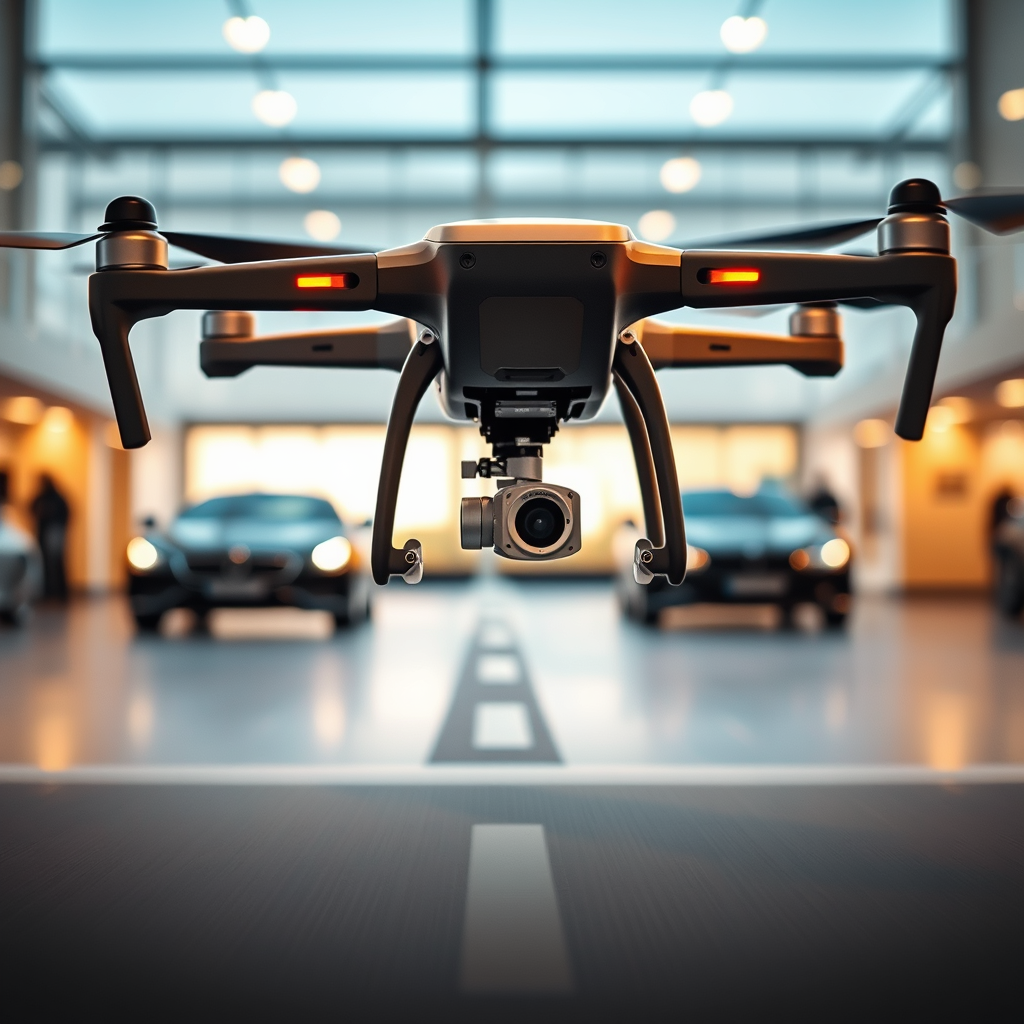
Yes, a drone can hover, thanks to its rotor design and flight technology. This ability to maintain a stable position in the air allows drones to perform various tasks, from aerial photography to surveying and inspections. Hovering is a fundamental capability that distinguishes drones from traditional aircraft, making them highly effective for numerous applications. In this article, we’ll explore how drones achieve this capability, the technology behind it, and the various factors influencing their hovering performance.
Understanding Drone Hovering Mechanics
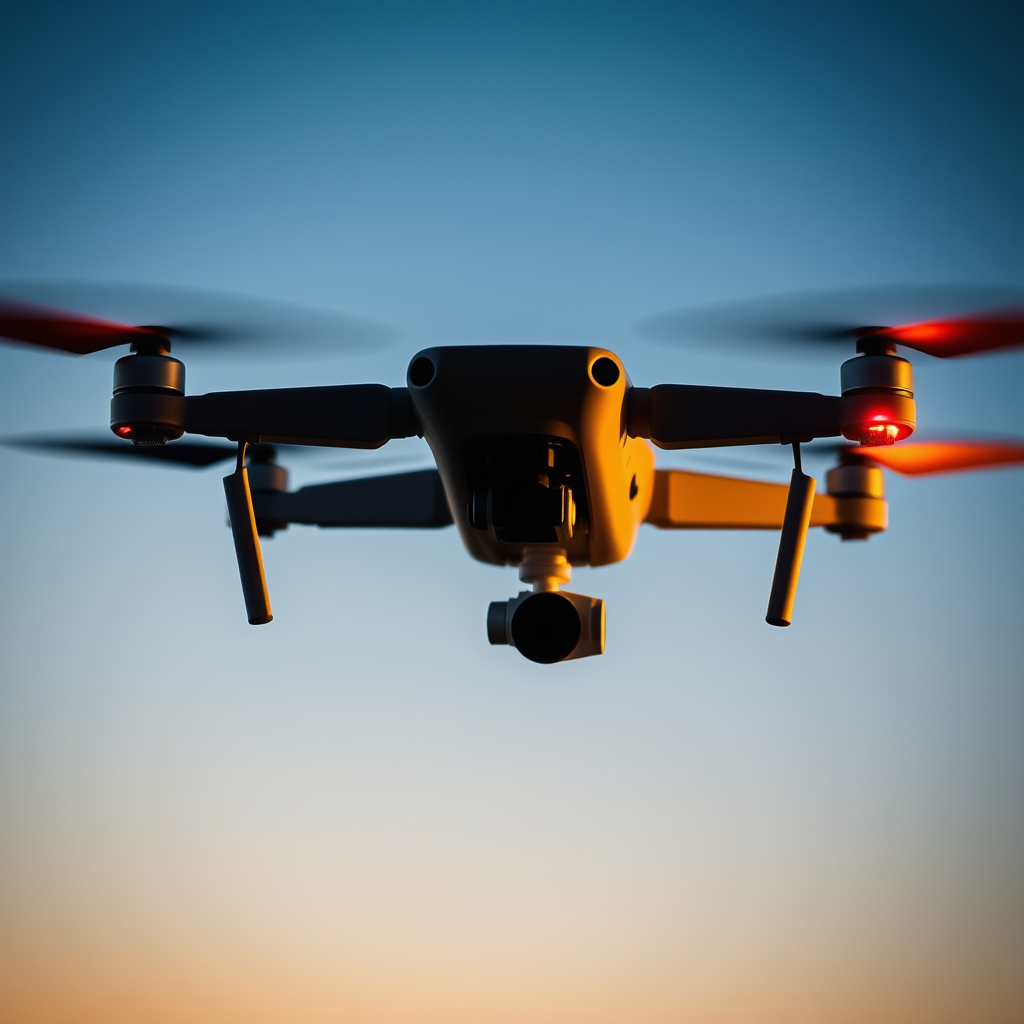
Drones utilize a system of rotors to generate lift, which is essential for maintaining a stationary position in the air. Multi-rotor drones, such as quadcopters, typically feature four rotors that rotate in opposite directions to counteract torque and provide stability. Each rotor contributes to the overall thrust, and by adjusting the speed of these rotors, the drone can control its altitude and position. The balance of thrust from each rotor is crucial for stable hovering; if one rotor spins faster or slower than the others, the drone may drift or tilt.
Hovering is achieved through a delicate interplay of lift and weight. The lift generated by the rotors must equal the weight of the drone for it to hover. Additionally, advanced flight control systems, often utilizing gyroscopes and accelerometers, continuously monitor the drone’s orientation and make real-time adjustments to rotor speeds. This feedback loop allows for precise control, enabling the drone to hover steadily even in varying conditions.
Types of Drones Capable of Hovering
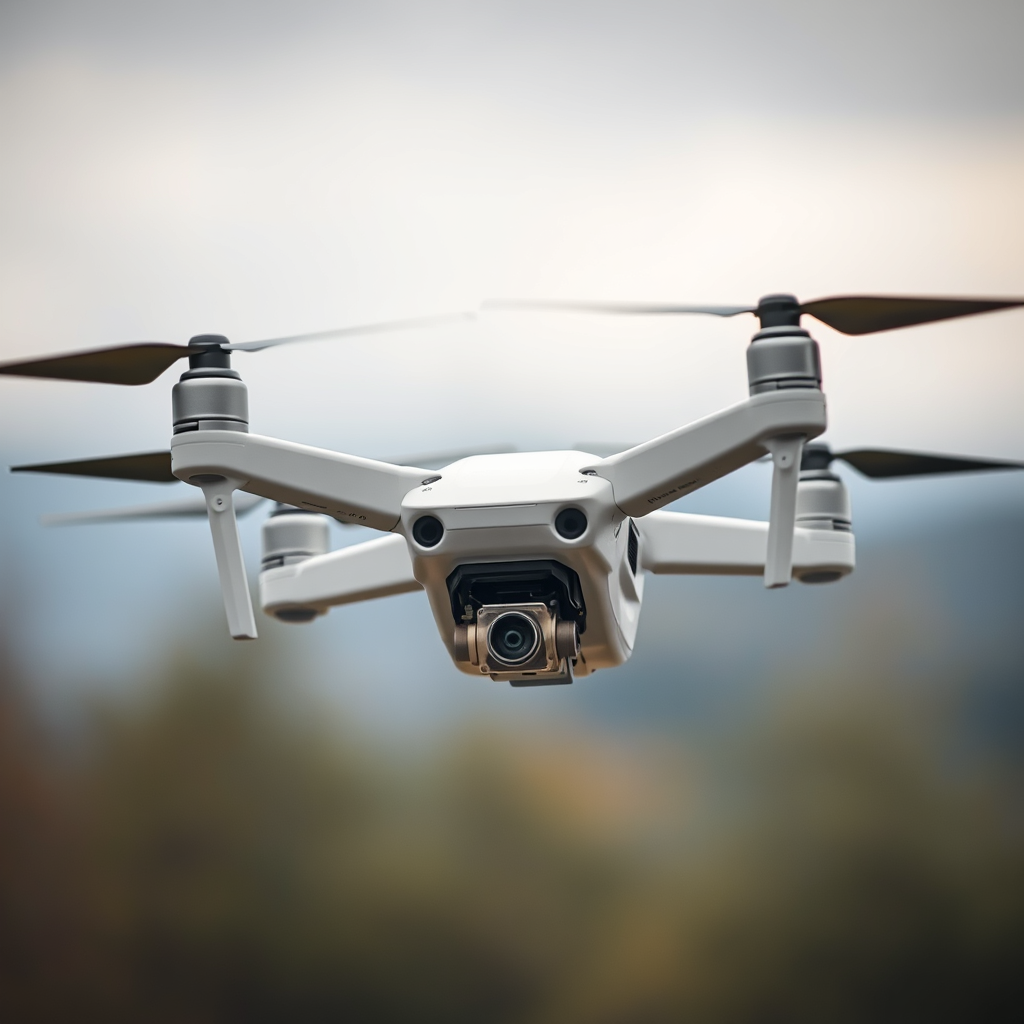
Multi-rotor drones, particularly quadcopters, are the most common and versatile types of drones capable of hovering. Their design allows for easy maneuverability and stability, making them ideal for applications such as aerial photography, racing, and recreational flying. Other types of multi-rotor drones, like hexacopters and octocopters, offer increased stability and redundancy due to their additional rotors, which can be beneficial in professional-grade applications.
In contrast, fixed-wing drones typically cannot hover due to their aerodynamic design, which relies on forward motion to generate lift. However, some fixed-wing drones incorporate Vertical Take-Off and Landing (VTOL) capabilities, enabling them to take off and land vertically like a multi-rotor drone while transitioning to forward flight. These hybrid models can perform both hovering and efficient long-distance flights, making them suitable for tasks like agricultural monitoring and infrastructure inspections.
Factors Influencing Hovering Stability
Several factors can influence a drone’s ability to hover stably. Weather conditions play a significant role; strong winds can disrupt the balance of thrust and lead to difficulties in maintaining position. For instance, a drone hovering in high winds may experience drift or instability, requiring the pilot to make constant adjustments. Temperature can also affect battery performance and motor efficiency, impacting the drone’s overall stability.
The weight and design of the drone are equally important. Overloading a drone can hinder its ability to generate sufficient lift, resulting in difficulty maintaining a hover. Additionally, the drone’s center of gravity affects how it responds to control inputs. A well-balanced drone will perform better in hovering situations than one that is top-heavy or skewed in weight distribution. Finally, the quality of the flight control system can significantly impact hovering performance; advanced systems with refined algorithms can handle more complex maneuvers and maintain stability in challenging conditions.
Applications of Hovering Drones
The ability to hover makes drones invaluable in various applications. In aerial photography and videography, stable hovering is essential for capturing high-quality images and videos. Drones can remain stationary while the camera captures images, ensuring that the final product is clear and detailed. Professional photographers and filmmakers increasingly rely on drones to obtain unique perspectives that were previously difficult to achieve.
In emergency services, drones are employed in search and rescue operations, providing a bird’s-eye view of large areas quickly and efficiently. For instance, during natural disasters, drones can hover over affected regions to assess damage, locate missing persons, or deliver essential supplies. Furthermore, drones are used in infrastructure inspections, allowing operators to examine bridges, power lines, and buildings from a safe distance while maintaining a steady position to capture detailed information.
Safety Considerations When Hovering
Safety is paramount when operating drones, especially when hovering. Proper maintenance and pre-flight checks are essential to ensure that the drone is in optimal working condition. Pilots should inspect the rotors, battery, and control systems before each flight to avoid malfunctions that could lead to accidents.
Awareness of the surroundings is also critical; drones should be flown in open areas free from obstacles such as trees, buildings, and power lines. Pilots must remain vigilant to avoid collisions and should have a solid understanding of local regulations regarding drone operation. Additionally, it is advisable to maintain a visual line of sight with the drone at all times, as this can significantly enhance safety during hovering.
Tips for Effective Drone Hovering
For those looking to master the art of hovering, practice is key. New pilots should begin by practicing in open areas, free from distractions and obstacles, to gain confidence and control over their drone. Familiarity with the controls and responsiveness of the drone is essential for effective hovering.
Utilizing onboard features such as GPS and altitude hold can greatly assist in maintaining stability. GPS allows the drone to lock onto a specific position, making it easier to hover precisely, while altitude hold features enable the drone to maintain a consistent height without constant manual input. Additionally, practicing in various weather conditions will help pilots learn how to adjust their flying techniques to account for wind and other environmental factors.
Incorporating these tips into your drone operation routine will not only enhance your hovering skills but also increase overall safety and performance.
In conclusion, drones can indeed hover, making them versatile tools for a range of applications. Understanding the mechanics of hovering, including the technology behind it and the factors influencing performance, can help users maximize their drone’s capabilities. Whether you’re a hobbyist or a professional, mastering the art of hovering is essential for effective drone operation. As drone technology continues to evolve, the potential for innovative applications will only expand, further emphasizing the importance of this fundamental skill.
Frequently Asked Questions
Can all drones hover in place?
Not all drones are capable of hovering. The ability to hover depends on the drone’s design, weight, and stability features. Most quadcopters and multirotors can hover effectively due to their rotor configuration, which allows for vertical takeoff and landing. However, fixed-wing drones typically cannot hover because they are designed for forward flight and rely on aerodynamic lift.
How does a drone maintain its hover?
A drone maintains its hover by using a combination of sensors and flight control systems. Most modern drones are equipped with accelerometers, gyroscopes, and GPS, which help them understand their position and orientation in the air. When a drone hovers, it constantly adjusts the speed of its rotors to counteract any external forces such as wind, ensuring it stays stable in one spot.
Why is hovering important for drones?
Hovering is crucial for various drone applications, including aerial photography, surveying, and inspection work. When a drone hovers, it can capture stable images and videos without motion blur, allowing for higher-quality results. Additionally, hovering enables operators to perform precise maneuvers in tight spaces, making it easier to navigate around obstacles or focus on specific areas of interest.
What is the best drone for hovering?
The best drone for hovering largely depends on your needs and budget. For beginners, models like the DJI Mini SE or the Ryze Tello are excellent choices due to their stability and user-friendly features. For professional use, the DJI Mavic Air 2 or the Phantom 4 Pro offer advanced hovering capabilities and higher-quality cameras, making them ideal for photography and videography.
Which factors affect a drone’s ability to hover?
Several factors affect a drone’s ability to hover, including its weight, battery life, environmental conditions, and control systems. Heavier drones may struggle to maintain a stable hover, especially in windy conditions. Additionally, a low battery can reduce a drone’s power, affecting its ability to stay airborne. Advanced flight control algorithms also play a significant role in how effectively a drone can hover, as they determine how well it can respond to external forces.
References
- https://en.wikipedia.org/wiki/Drone
- https://www.faa.gov/uas/getting_started/part_107/
- https://www.nasa.gov/feature/nasa-s-new-drone-can-hover-and-pick-up-objects
- https://www.sciencedirect.com/science/article/pii/S2351978921000556
- https://www.bbc.com/news/technology-50834759
- https://www.techrepublic.com/article/how-drones-hover-and-stabilize-in-the-air/
- https://www.mdpi.com/2504-446X/4/1/10
- https://www.ncbi.nlm.nih.gov/pmc/articles/PMC7400451/
- https://www.nist.gov/news-events/news/2019/05/nist-drones-need-to-be-able-to-hover-stably
