
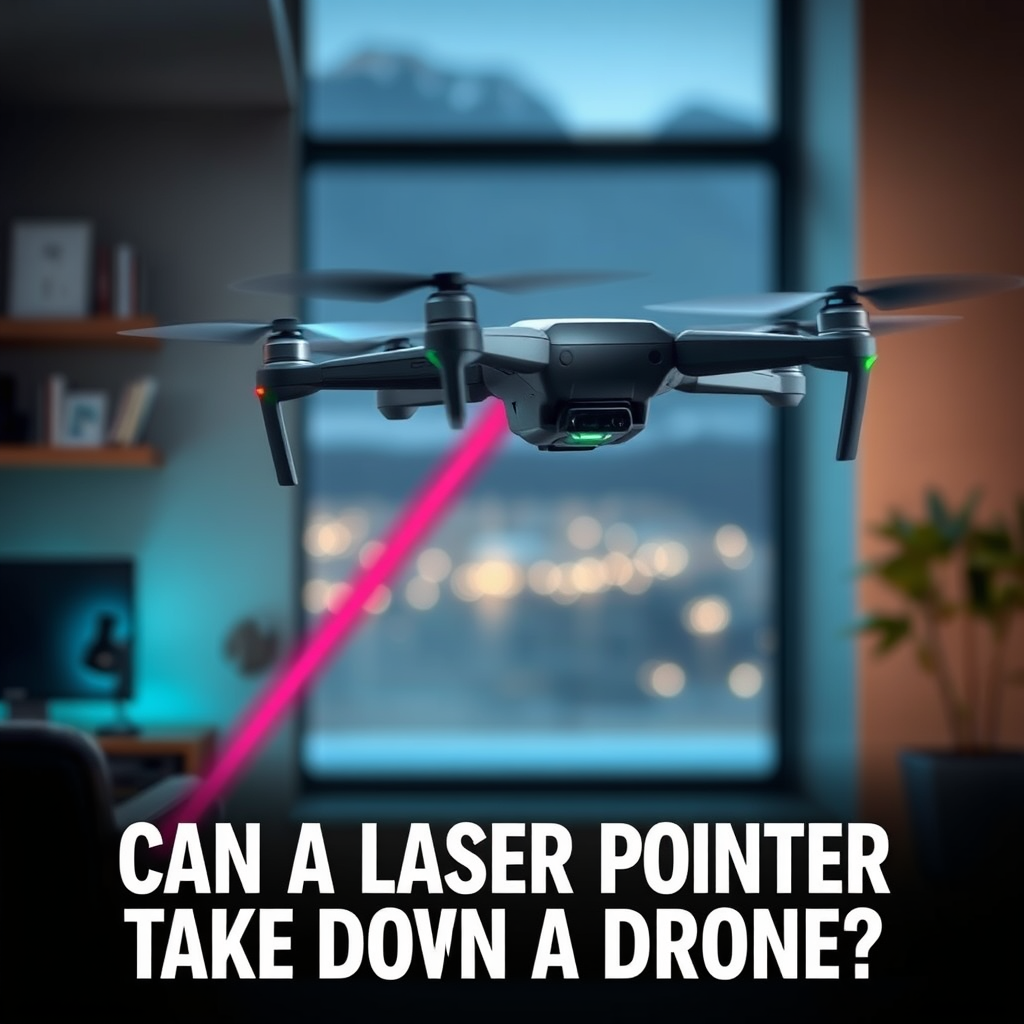
A laser pointer can potentially disrupt a drone’s operation but is unlikely to take it down completely. While shining a laser at a drone might interfere with its sensors or camera, there are significant limitations and risks involved. This article delves into the mechanics of how laser pointers interact with drones and the legal and practical implications of using them.
Understanding Drone Technology
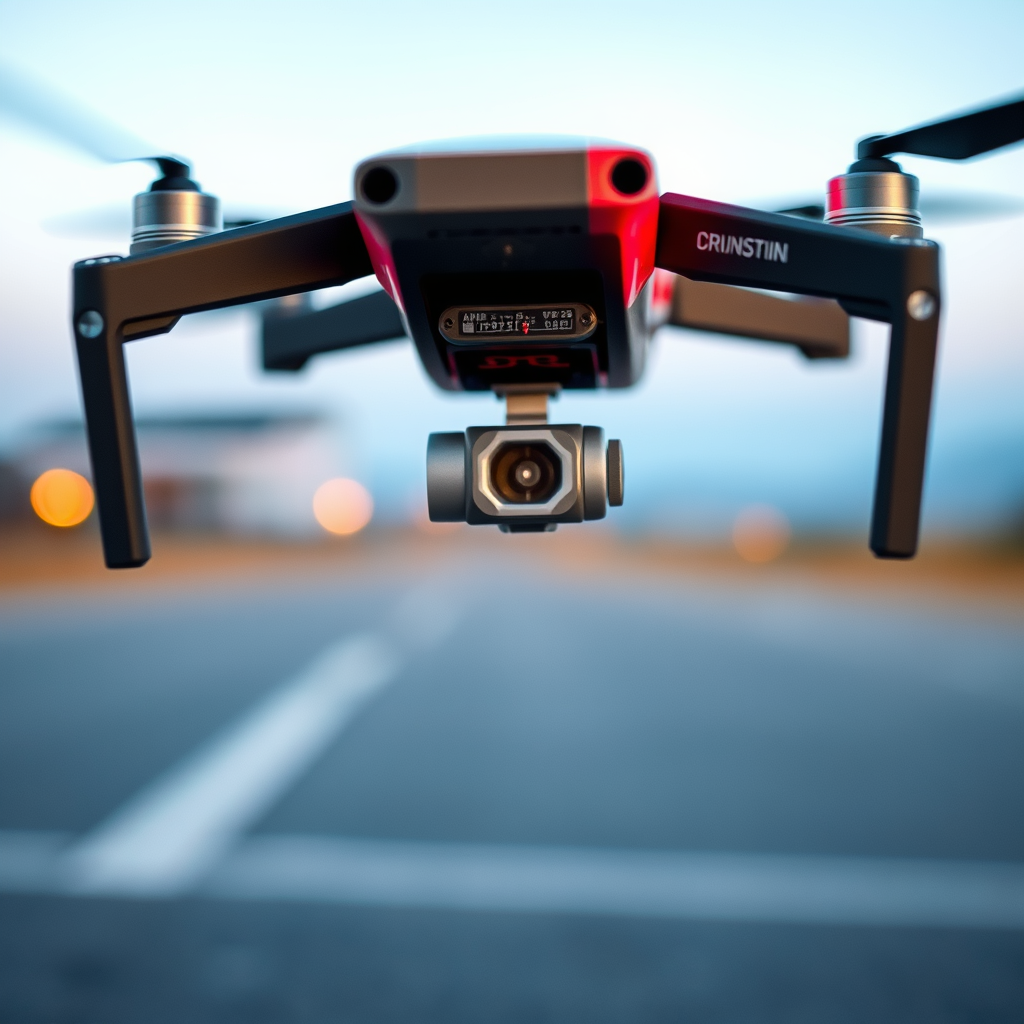
Drones, or unmanned aerial vehicles (UAVs), are sophisticated machines equipped with a variety of sensors, cameras, and GPS systems that enable them to fly autonomously or under human control. The integration of these technologies allows drones to perform complex tasks, from aerial photography to surveillance and delivery services. The sensors on a drone can include ultrasonic sensors for altitude measurement, GPS for navigation, and cameras for visual data collection.
When a laser pointer is shone at a drone, it can interfere with these systems. For instance, the GPS system relies on signals from satellites; if a drone’s flight path is disrupted by laser interference, it may result in a temporary loss of control or navigation. Additionally, many drones are equipped with obstacle avoidance systems that utilize visual data from onboard cameras. A bright laser beam can potentially blind these cameras, causing the drone to behave erratically or even enter into a fail-safe mode, which may lead it to land automatically.
How Laser Pointers Work
Laser pointers operate on the principle of emitting a concentrated beam of light, typically in the visible spectrum. This beam is coherent, meaning that the light waves are in phase and travel in a straight line, making it effective at short distances. Most laser pointers are designed for use in presentations or as pet toys, and their effective range is generally limited to a few hundred meters.
While the brightness of a laser pointer can be distracting, especially against a clear sky, it is important to understand that the intensity diminishes with distance and atmospheric conditions. Furthermore, the effectiveness of a laser pointer in disrupting a drone’s operation is contingent on several factors, including the specific design and sensitivity of the drone’s sensors. For example, a high-end drone equipped with advanced sensors may be more resilient to laser interference compared to a budget model.
Potential Effects on Drones
When a laser pointer is directed at a drone, the immediate effect can be a temporary blinding of the drone’s onboard camera or sensors. For pilots using first-person view (FPV) systems, which provide a live video feed from the drone’s perspective, a sudden disruption in visibility can lead to a loss of control. In such scenarios, the pilot may find it challenging to maneuver the drone effectively, which could result in unintentional crashes or erratic flight paths.
Moreover, while a laser pointer may not physically damage a drone, it can create a hazardous situation if the pilot is unable to regain visual control. For example, if a drone is flying near a populated area or sensitive infrastructure, any loss of control could pose significant risks to people or property below. Therefore, while the laser may not take down the drone, the potential for accidents should not be underestimated.
Legal Implications of Using Laser Pointers on Drones
The legal landscape surrounding the use of laser pointers against drones is complex and varies by jurisdiction. In many countries, including the United States, shining a laser at an aircraft—defined broadly to include drones—is illegal under federal law. The Federal Aviation Administration (FAA) has established strict regulations prohibiting the use of laser pointers to ensure the safety of all aerial operations. Violators can face severe penalties, including hefty fines and possible criminal charges.
This legal framework is founded on the principle that any interference with an aircraft’s operation can jeopardize the safety of the flight and those on the ground. Beyond federal laws, individual states may also have specific regulations regarding the use of laser pointers and the unauthorized operation of drones, further complicating the legal implications for individuals considering using lasers against drones.
Safety Considerations
The use of laser pointers against drones carries several safety risks that must be carefully considered. First and foremost, blinding a drone’s camera or sensors can lead to accidents, especially if the drone is flying in a populated area or over sensitive installations. The potential for the drone to crash into people, vehicles, or structures creates a significant liability for those who choose to use a laser pointer in this way.
Moreover, there are ethical concerns regarding the use of laser pointers as a means of managing drone interference. Instead of opting for potentially harmful actions, individuals should weigh the consequences of their actions against the need for safety and responsibility. The risks associated with using laser pointers far outweigh any perceived benefits, as they can lead not only to legal ramifications but also to personal injury or property damage.
Alternatives to Disabling Drones
Rather than resorting to the use of laser pointers, there are several alternatives for dealing with unwanted drone activity. For instance, if a drone is invading your privacy or posing a safety threat, the best course of action is to report the incident to local authorities. Law enforcement agencies or regulatory bodies have protocols in place to address unauthorized drone operations and can take appropriate action.
Additionally, emerging technologies designed specifically for drone management offer more effective and safer solutions. These technologies include drone detection systems that allow users to identify and track drones operating in their vicinity, as well as jamming devices that can disrupt a drone’s communication signals without the risks associated with laser pointers. These options provide a more responsible and effective means of managing drone interference without compromising safety or legality.
Conclusion
While a laser pointer may disrupt a drone’s operation temporarily, it is not a reliable method for taking one down and carries significant legal risks. The technology behind drones is complex, and the potential consequences of using lasers against them can lead to accidents, legal repercussions, and ethical dilemmas. If you encounter unwanted drones, consider legitimate avenues for addressing the issue rather than resorting to potentially harmful actions. Engaging with authorities or utilizing specialized drone management technologies is a more prudent approach to ensuring safety and compliance with the law.
Frequently Asked Questions
Can a laser pointer effectively take down a drone?
While a laser pointer can potentially disrupt a drone’s operation by blinding its camera or sensor, it is highly unlikely to take down a drone physically. Most consumer drones are equipped with protective features that allow them to maintain stability and control, even when exposed to bright lights. Additionally, using a laser pointer against a drone can be illegal in many jurisdictions and poses risks to both the drone operator and other aircraft.
What are the legal implications of using a laser pointer on a drone?
The legal ramifications of using a laser pointer on a drone can be severe, as it is considered a form of interference with aviation. In many countries, shining a laser at an aircraft, including drones, can lead to criminal charges, fines, or even jail time. It’s crucial to understand local laws regarding drone operation and laser use to avoid legal troubles and ensure safety in the airspace.
How can I safely deal with a nuisance drone without using a laser pointer?
To safely address a nuisance drone, consider contacting local authorities or the drone’s operator if identifiable. You may also use a simple physical barrier or privacy screens to reduce the drone’s impact on your property. Additionally, some areas have established no-fly zones for drones, so checking local regulations may provide further options for dealing with unwanted aerial surveillance.
Why do people consider using laser pointers against drones?
Many individuals consider using laser pointers against drones due to feelings of invasion of privacy or safety concerns. The bright light can temporarily blind the drone’s camera, making it difficult for the operator to navigate. However, it’s important to recognize that there are safer and legal alternatives to address drone-related issues without resorting to potentially harmful actions.
Which types of drones are most vulnerable to disruption from laser pointers?
Drones equipped with cameras and sensors that rely on visual input for navigation and operation may be more susceptible to disruption from laser pointers. However, most modern drones are designed to withstand environmental factors, including bright lights. Regardless, targeting any drone with a laser pointer is not advisable due to the associated risks and legal consequences, making it important to explore safer methods for handling drone disturbances.
References
- https://en.wikipedia.org/wiki/Laser_pointer
- https://www.reuters.com/article/us-usa-drones-lasers-idUSKBN1XF1I2
- https://www.theguardian.com/technology/2019/nov/13/drones-lasers-technology
- https://www.faa.gov/uas/resources/policy_library/
- https://www.nist.gov/news-events/news/2017/02/how-lasers-can-be-used-attack-drones
- https://www.sciencedirect.com/science/article/pii/S0263224118301332
