
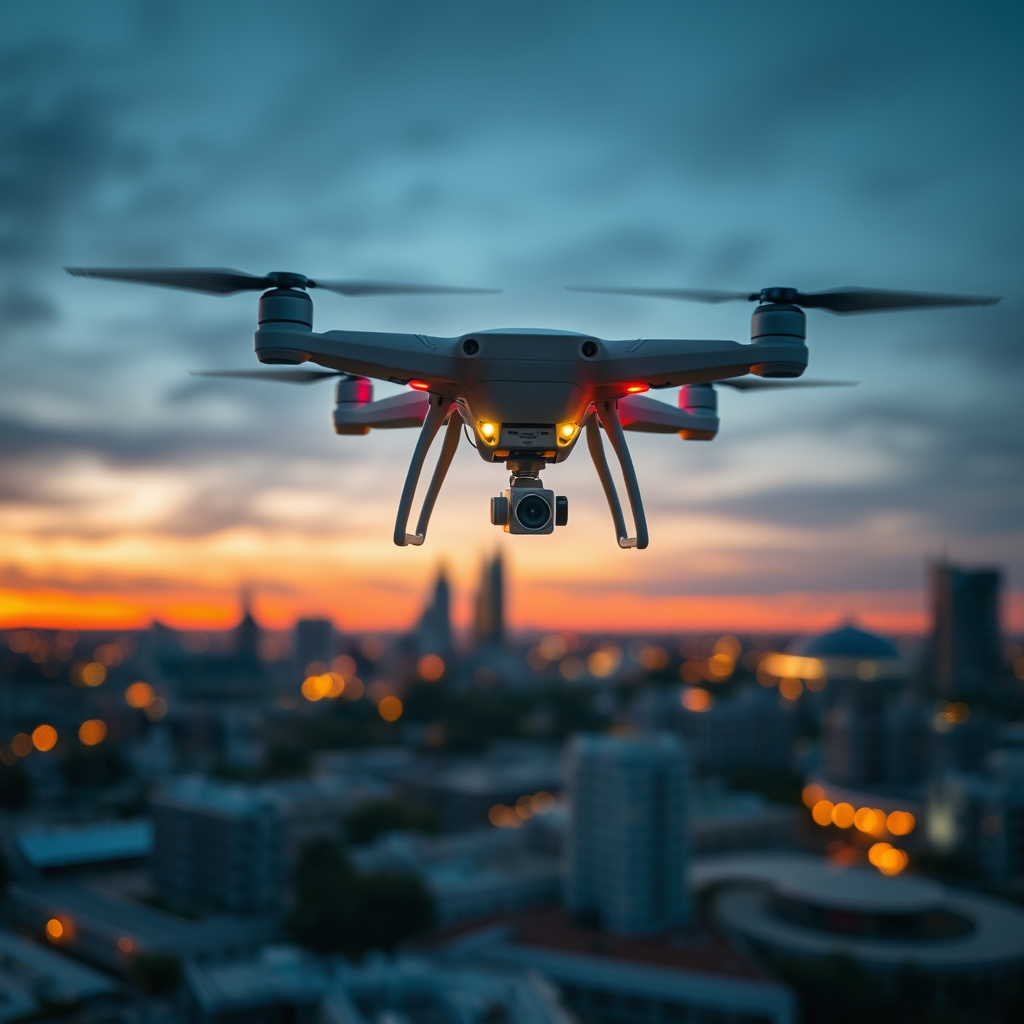
Yes, drones can be hacked, posing significant risks to security and privacy. As drone technology becomes more advanced, so do the methods that hackers use to exploit vulnerabilities. This article explores the potential threats, common hacking methods, and ways to safeguard drone operations, providing a comprehensive overview of the landscape of drone security.
Understanding Drone Vulnerabilities
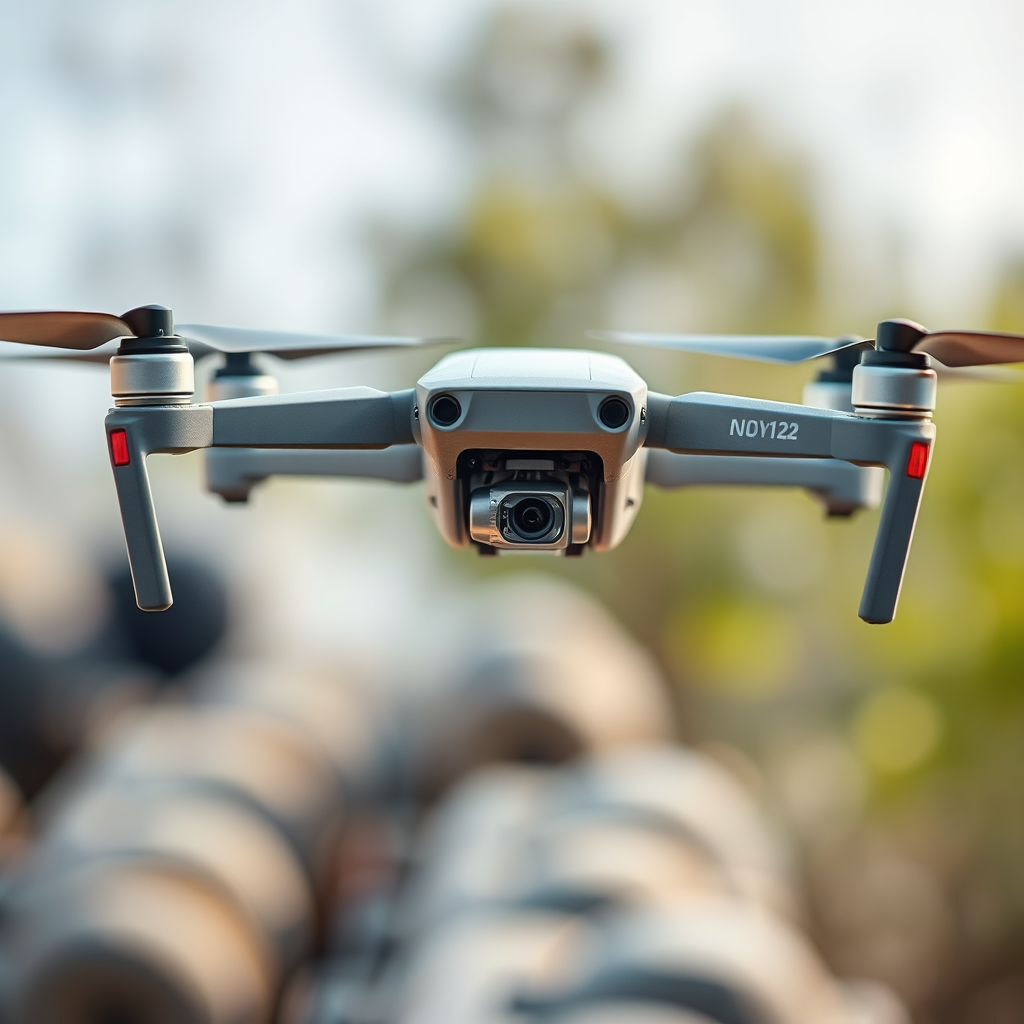
Drones, by their very nature, rely heavily on wireless communication systems to operate effectively. This dependence makes them particularly vulnerable to interception and unauthorized access. Hackers can exploit these communication channels to gain control over a drone or to gather sensitive data. Additionally, many drones are equipped with poor encryption methods, which can leave them susceptible to attacks. Outdated software is another critical vulnerability; without regular updates, drones may remain exposed to known exploits that hackers can easily leverage.
For example, a drone that uses outdated firmware might contain bugs that hackers can exploit to take control of the drone or access its onboard camera feed. Similarly, drones with weak or no encryption can have their data intercepted, allowing unauthorized users to view or manipulate the drone’s operations. Consequently, understanding these vulnerabilities is essential for any organization or individual looking to operate drones safely and securely.
Common Hacking Techniques
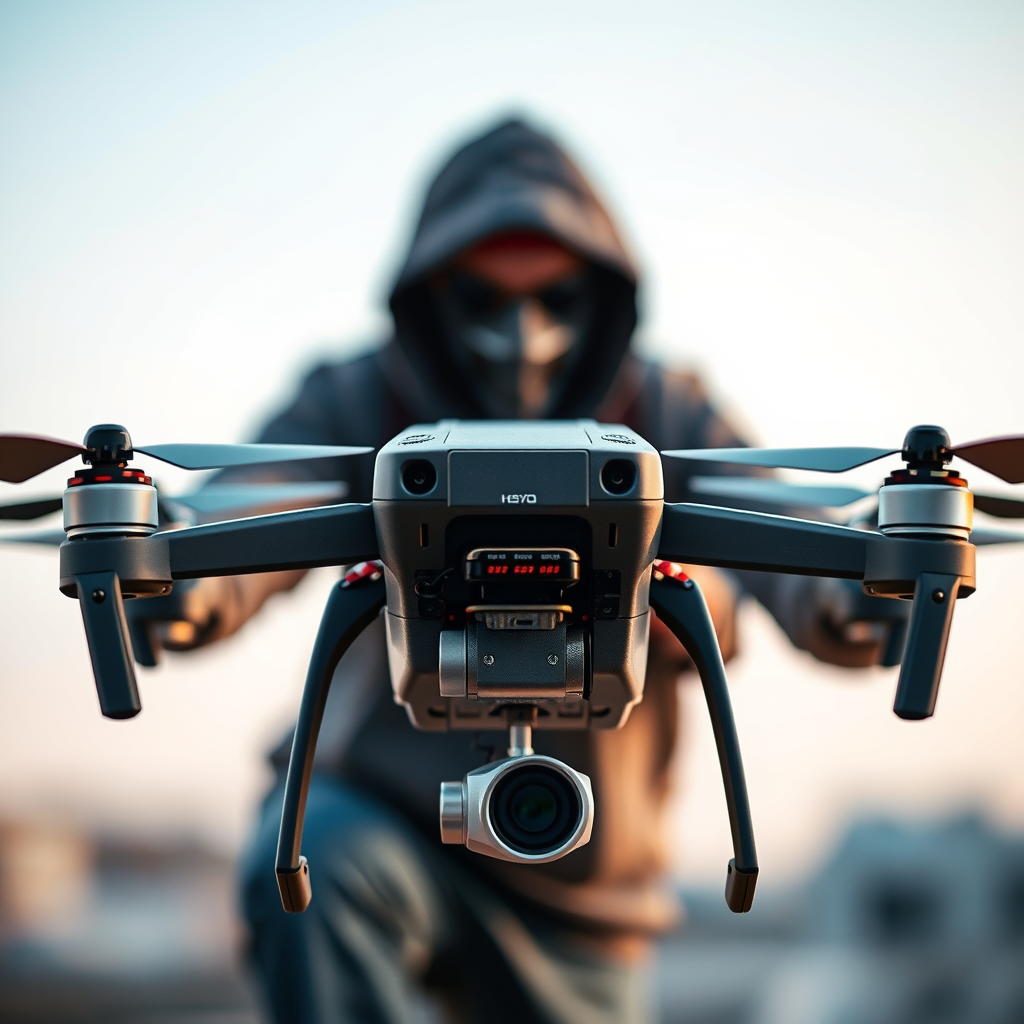
Several methods have emerged as common techniques used by hackers to compromise drone security. One of the most prevalent is GPS spoofing, which can mislead a drone’s navigation system. By broadcasting false GPS signals, a hacker can reroute a drone, making it believe it is in a different location. This can lead to the drone being flown into restricted airspace or crashing into obstacles.
Another common technique is signal jamming, where a hacker disrupts the communication between the drone and its controller. This interference can cause a drone to lose connection, potentially leading to crashes or loss of control. Signal jamming can be particularly dangerous in crowded areas or during critical operations, where every second counts.
In addition to these methods, there is a growing concern regarding malware specifically designed for drones. These malicious programs can infect the drone’s operating system, allowing hackers to take control remotely or to steal sensitive information. As drone technology continues to evolve, so too will the tactics employed by cybercriminals.
Real-World Examples of Drone Hacking
There have been several alarming instances of drone hacking that illustrate the potential threats posed by this technology. For instance, during a major public event, hackers managed to hijack a drone and redirect it away from its intended flight path. This incident not only highlighted the vulnerabilities in drone security but also raised concerns about the safety of spectators and participants at large gatherings.
Another significant concern is unauthorized drone flights over sensitive areas, such as military bases or government buildings. Reports have emerged of drones being flown into restricted airspace, often without the knowledge of authorities. These incidents can have serious implications for national security and demonstrate the urgent need for enhanced protective measures.
In one notable case, a drone was used to illicitly capture images of a military facility, showcasing the potential for espionage and data theft. Such incidents underline the necessity for robust security protocols to prevent unauthorized access to drones and the data they collect.
Impacts of Drone Hacking
The impacts of drone hacking extend far beyond mere inconveniences; they can lead to serious security breaches, privacy violations, and even physical damage. For example, if a drone is hijacked and used for malicious purposes, it could result in significant harm to individuals or property. This not only endangers public safety but can also lead to legal ramifications for the drone operator.
Furthermore, hacking incidents often involve data theft, where sensitive information captured by drones is exposed. This can include surveillance footage, personal data, or proprietary business information, all of which can have detrimental effects on individuals and organizations alike.
The broader implications of drone hacking also affect public trust in the technology. As drones become more integrated into various sectors, including delivery services, agriculture, and infrastructure monitoring, incidents of hacking can lead to public apprehension about their safety and reliability. Therefore, addressing these security challenges is crucial for the continued adoption and acceptance of drone technology.
Preventative Measures for Drone Security
To mitigate the risks associated with drone hacking, several preventative measures must be implemented. One of the most effective strategies is to ensure regular software updates and patches. Keeping the drone’s firmware up to date can close known vulnerabilities and protect against new threats.
In addition to software updates, employing strong encryption methods can significantly enhance the security of drone communications. By using advanced encryption protocols, drone operators can safeguard their data against interception and unauthorized access. This is particularly important when drones are used for sensitive applications, such as surveillance or data collection in private sectors.
Another measure is to implement geo-fencing technology, which allows operators to define specific geographical boundaries within which a drone can operate. If the drone attempts to fly outside of these predetermined boundaries, it can automatically be brought back to its home point or land safely. This feature can help prevent unauthorized flights and ensure that drones remain within safe operational areas.
Regulatory and Legal Considerations
As the risks associated with drone hacking become increasingly apparent, governments around the world are establishing regulations to address these security concerns. These regulations often focus on requiring drone manufacturers to implement specific security standards and protocols, as well as mandating that operators adhere to best practices for drone security.
Understanding the legal ramifications of drone operations is essential for operators to protect themselves against liability. In many jurisdictions, drone operators can be held responsible for any damage or incidents caused by their drones, including those resulting from hacking. As such, having robust security measures in place not only protects the drone and its data but also helps mitigate legal risks.
Furthermore, collaboration between government agencies, manufacturers, and operators is crucial for the development of comprehensive security frameworks. By sharing information and best practices, stakeholders can work together to create a safer drone ecosystem.
Future of Drone Security
The future of drone security is poised to evolve significantly as technology advances. The development of more advanced security technologies, such as blockchain for data integrity and AI for threat detection, will play a critical role in safeguarding drone operations. These innovations can help create an environment where drones operate securely and efficiently.
Ongoing research into artificial intelligence and machine learning is particularly promising. These technologies can enable drones to recognize and respond to potential threats in real-time, enhancing their ability to detect unusual patterns or unauthorized access attempts. As these systems become more sophisticated, they will contribute to a more resilient and secure drone infrastructure.
Additionally, the integration of cybersecurity measures with physical security protocols will be essential. This holistic approach will ensure that both the digital and physical aspects of drone operations are protected, minimizing the risks associated with hacking.
In conclusion, while drones can be hacked, understanding the risks and implementing security measures can help mitigate these threats. Staying informed and proactive is essential for anyone involved in drone operations. By recognizing vulnerabilities, employing robust security protocols, and adhering to regulatory guidelines, operators can protect their drones and the valuable data they collect, paving the way for a safer and more secure future in drone technology.
Frequently Asked Questions
Can drones be hacked easily?
While drones can be susceptible to hacking, the ease of hacking largely depends on the drone’s security features and the hacker’s skill level. Many consumer drones have basic security measures that can be bypassed with the right tools and knowledge, making them vulnerable to unauthorized access. However, higher-end commercial drones often incorporate advanced encryption and security protocols that make hacking significantly more difficult.
What are the common methods used to hack drones?
Common methods for hacking drones include signal interception, GPS spoofing, and exploiting vulnerabilities in the drone’s firmware or software. Hackers may use techniques like jamming the drone’s communication signals to take control or sending false GPS signals to redirect the drone’s flight path. Understanding these methods can help drone users implement better security measures to protect their devices.
Why are drones considered a potential target for hackers?
Drones are attractive targets for hackers due to their increasing integration into various sectors, including commercial, recreational, and military applications. They often collect sensitive data, such as aerial imagery and personal information, which can be exploited for malicious purposes. Additionally, many drones lack robust security features, making them easier to compromise compared to other devices.
How can I protect my drone from being hacked?
To protect your drone from hacking, ensure that you regularly update its firmware to patch any security vulnerabilities. Use strong, unique passwords for your drone’s accounts and Wi-Fi connections, and consider using a VPN when accessing the drone remotely. Additionally, familiarize yourself with your drone’s security features and consider using encryption tools if available, as these measures can significantly reduce the risk of unauthorized access.
Which drones are the least likely to be hacked?
Drones that feature advanced encryption, regular software updates, and robust security protocols tend to be the least likely to be hacked. Brands like DJI, Parrot, and Autel often implement strong security measures in their commercial models. When choosing a drone, look for those that emphasize security in their specifications and have a good reputation for maintaining firmware integrity to reduce the risk of hacking.
References
- https://en.wikipedia.org/wiki/Drone_security
- https://www.bbc.com/news/technology-45514756
- https://www.reuters.com/article/us-cyber-drones-idUSKBN1E41SU
- https://www.sciencedirect.com/science/article/pii/S235286481730045X
- https://www.nist.gov/news-events/news/2018/05/nist-research-drones-cybersecurity-risks
- https://www.securityjournalusa.com/hacking-drones-issues-and-challenges/
- https://www.brookings.edu/research/the-security-risks-of-drones/
- https://www.defense.gov/Explore/News/Article/Article/1958651/air-force-keeping-drones-secure-from-cyber-attacks/
- https://www.c-span.org/video/?c4870004/hacking-drones-cybersecurity-risks
