
Yes, drones can drop bombs, and they are increasingly used in military operations for precision strikes. This capability has transformed modern warfare, leading to significant tactical advantages while also raising ethical and legal concerns. Drones, or unmanned aerial vehicles (UAVs), have evolved considerably, enabling armed forces to conduct operations with enhanced efficiency and minimal risk to personnel. In this article, we will explore how drones are utilized for bomb deployment, the technology behind them, and the implications of their use.
Understanding Drone Technology
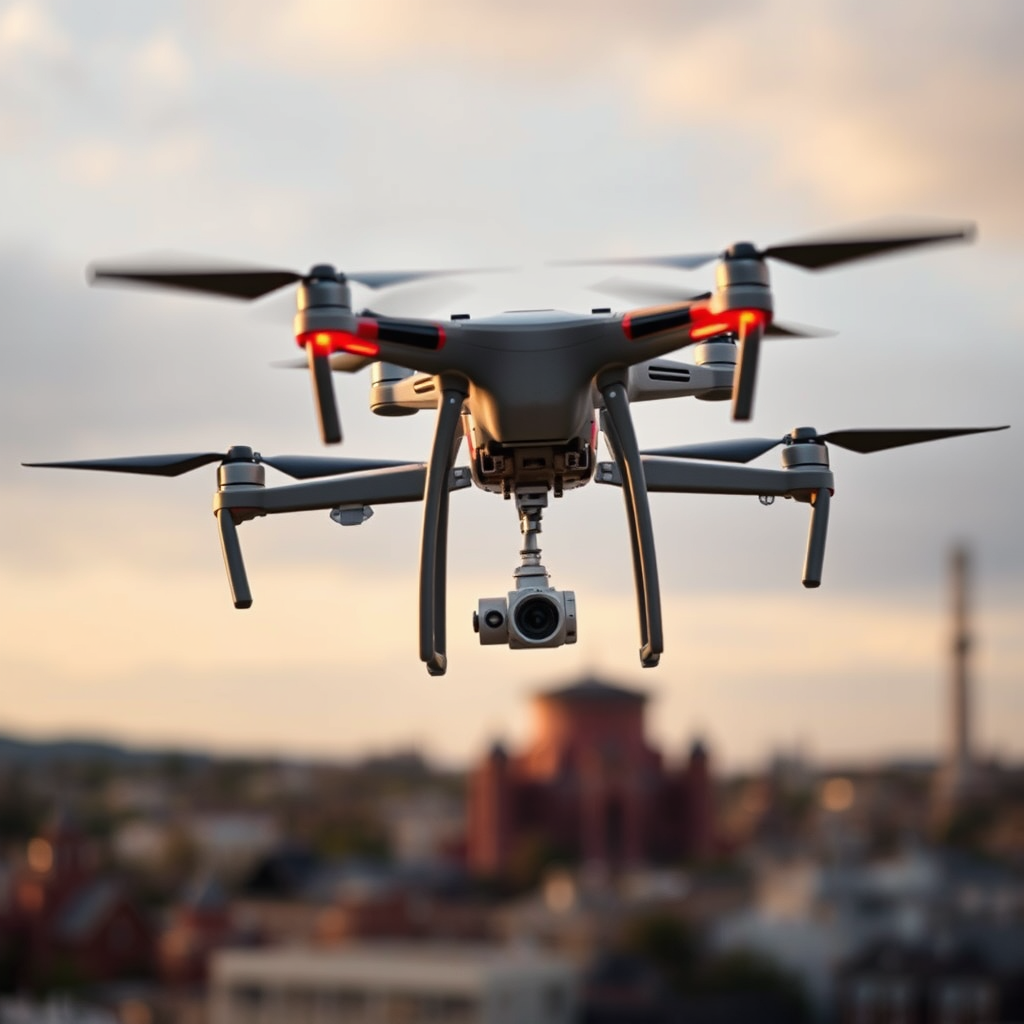
Drones are unmanned aerial vehicles (UAVs) equipped with various payloads, including bombs, surveillance equipment, and communication systems. The technology that underpins modern drones encompasses a range of sophisticated components, such as high-definition cameras, sensors, and GPS-guided navigation systems. These features enable remote operation, allowing pilots to control the drones from thousands of miles away. Additionally, drones are capable of real-time surveillance, providing intelligence and situational awareness to military commanders. This capability is particularly valuable in complex operational environments where ground troops may be at risk or where immediate intelligence is essential for decision-making.
The integration of artificial intelligence (AI) and machine learning into drone technology further enhances their operational capabilities. AI allows drones to process vast amounts of data during missions, enabling them to make autonomous decisions regarding target engagement and mission adjustments. This level of sophistication marks a significant advancement in aerial warfare, shifting traditional paradigms and presenting new tactical possibilities.
Military Applications of Drones
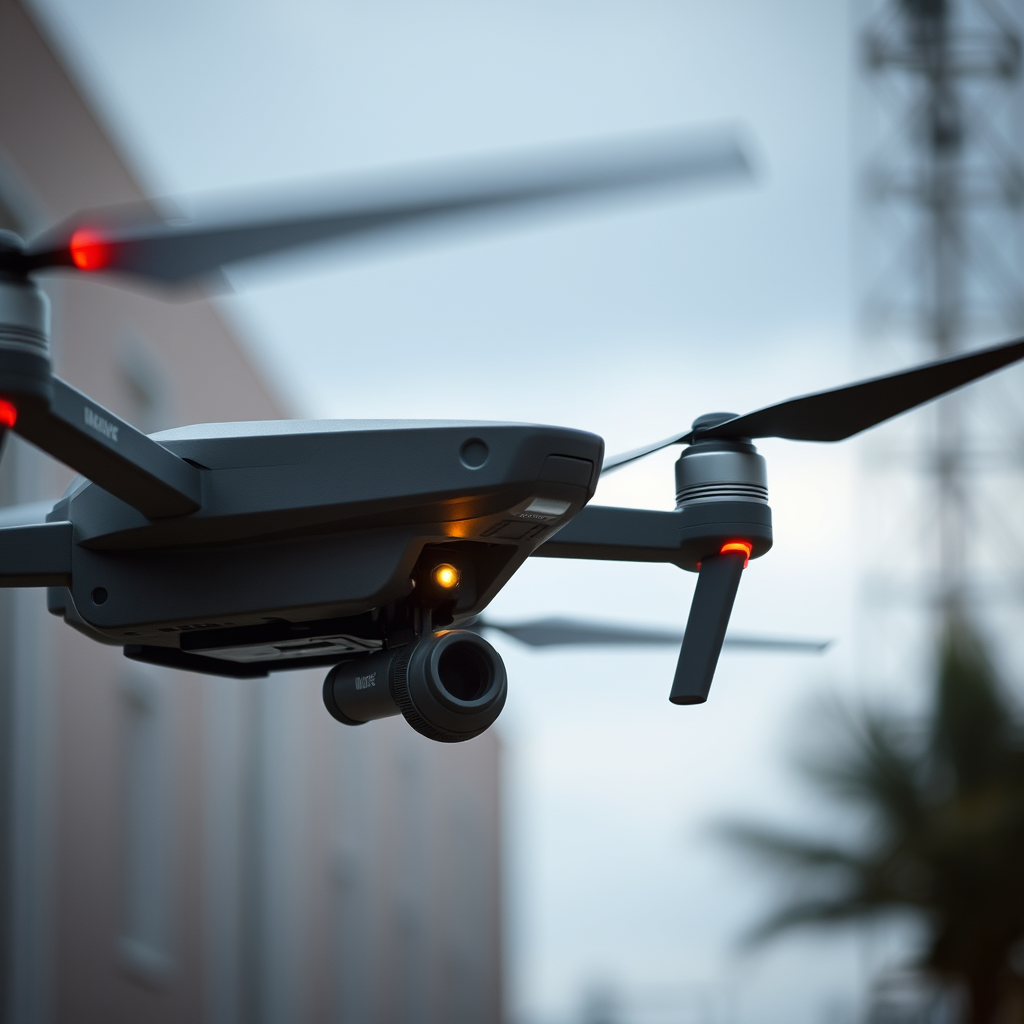
Drones serve multiple roles in contemporary military operations, including reconnaissance, surveillance, and targeted strikes. Their ability to fly at high altitudes and remain airborne for extended durations makes them ideal for gathering intelligence without exposing human pilots to danger. This strategic advantage is particularly crucial in counter-terrorism operations, where drones can loiter over a target area, collecting vital information before executing a strike.
The use of drones for targeted strikes has become a prominent feature of modern warfare. For instance, the United States military has extensively utilized drones in operations against terrorist organizations in regions such as Afghanistan, Iraq, and Syria. By employing drones for precision strikes, military forces can eliminate high-value targets while minimizing collateral damage and protecting military personnel. This tactical approach not only enhances operational effectiveness but also allows for greater flexibility in responding to threats.
Types of Bombs Dropped by Drones
Drones can deploy a variety of munitions, including guided bombs and missiles, which are designed to achieve high accuracy and minimize unintended damage. Precision-guided munitions (PGMs), often referred to as “smart bombs,” utilize advanced targeting systems that enhance their ability to strike specific targets with minimal collateral damage. This capability is particularly important in urban environments, where civilian populations may be at risk during military operations.
For example, the GBU-39 Small Diameter Bomb (SDB) is a commonly used munition by drones, designed for precision strikes. The SDB employs GPS guidance and advanced sensors to ensure accuracy, making it an effective tool in counter-terrorism operations. Moreover, armed drones are also equipped with Hellfire missiles, which are known for their precision and effectiveness in eliminating armored vehicles and personnel.
The ability to deploy these advanced munitions from drones has fundamentally changed the landscape of warfare, allowing for surgical strikes that were not possible with traditional air power. This evolution in military technology raises questions about the future of combat and the ethical implications of remote warfare.
Legal and Ethical Considerations
The use of drones in warfare raises significant legal and ethical questions, particularly concerning adherence to international law. The deployment of drones for targeted killings has sparked debates over the legality of such actions under the principles of proportionality and distinction in international humanitarian law. Critics argue that drone strikes can lead to violations of sovereignty and due process, especially when conducted in countries where the targeted individuals may not pose an immediate threat.
Ethical considerations also come into play regarding the implications of remote warfare. The detachment of operators from the battlefield can lead to a desensitization to violence and a diminished perception of the consequences of military actions. Civilian casualties resulting from drone strikes further complicate the ethical landscape, as reports of innocent bystanders being killed or injured have raised concerns about accountability and the moral implications of using drones in combat.
As nations increasingly rely on drone warfare, it is imperative that governments and military organizations engage in robust discussions about the legal frameworks governing their use. Establishing clear guidelines and accountability measures can help address the concerns surrounding drone strikes and ensure compliance with international norms.
Case Studies of Drone Strikes
Numerous military operations demonstrate the effectiveness of drones in combat. One notable example is the U.S. drone strike against Iranian General Qassem Soleimani in January 2020, which was executed near Baghdad International Airport. This high-profile strike aimed to eliminate a key figure in the Iranian military and was justified by U.S. officials as a necessary action to protect American interests in the region. The operation showcased the precision and tactical advantages of drone warfare, as it was executed with minimal risk to U.S. personnel.
Another example includes the ongoing operations against the Islamic State (ISIS) in Iraq and Syria, where drones have played a pivotal role in identifying and targeting leaders, infrastructure, and supply routes. The ability to conduct real-time surveillance and execute targeted strikes has significantly hampered ISIS operations, demonstrating the strategic impact of drone use in counter-terrorism efforts.
These case studies illustrate how drones have become essential tools in modern military strategy, enabling forces to conduct precise operations that were previously unattainable through traditional means.
Future of Drone Warfare
The future of drone warfare is poised for further evolution, as emerging technologies continue to enhance drone capabilities and autonomy. Innovations in AI, machine learning, and autonomous systems are expected to play a critical role in the next generation of drones. These advancements could lead to the development of fully autonomous drones capable of executing missions without direct human intervention, raising new ethical and legal challenges.
Additionally, discussions surrounding regulations and accountability in drone usage are ongoing. As countries adopt drone technology for military and surveillance purposes, there is an urgent need to establish international norms that govern their deployment. This includes addressing issues such as the need for transparency in drone operations, the protection of civilian populations, and the establishment of accountability mechanisms for drone strikes.
As drone technology continues to advance, it is crucial for policymakers, military leaders, and ethicists to engage in constructive dialogue about the implications of these developments. Ensuring that the evolution of drone warfare aligns with ethical standards and legal frameworks is essential for maintaining legitimacy and accountability in military operations.
In conclusion, while drones can indeed drop bombs, their use in warfare presents complex challenges and considerations. The technological advancements in drone capabilities have transformed modern military operations, offering strategic advantages while also raising pressing legal and ethical questions. As technology continues to evolve, it is imperative to engage in discussions surrounding the ethical and legal frameworks governing their deployment. Staying informed about these developments is essential for understanding the implications of this rapidly changing landscape in warfare.
Frequently Asked Questions
Can drones drop bombs in military operations?
Yes, drones can drop bombs during military operations. Unmanned Aerial Vehicles (UAVs), such as the MQ-9 Reaper, are equipped with precision-guided munitions and are often used in combat to conduct targeted strikes. These drones offer advantages such as reduced risk to pilots and the ability to conduct surveillance while engaging targets, making them a valuable asset in modern warfare.
What are the legal implications of using drones to drop bombs?
The legal implications of using drones to drop bombs are complex and vary by country and situation. International humanitarian law, including the Geneva Conventions, governs the use of force and requires that any military actions, including drone strikes, adhere to principles of distinction and proportionality. Violations can lead to legal consequences for military personnel and governments, highlighting the need for strict adherence to laws of war.
How accurate are drones when dropping bombs?
Drones are designed for high levels of accuracy when dropping bombs, primarily due to the use of advanced targeting systems and GPS technology. Precision-guided munitions, such as laser-guided bombs, enable drones to strike targets with minimal collateral damage. However, the accuracy can still vary based on factors like weather conditions, target movement, and the skill of the operators.
Why are drones preferred over traditional aircraft for bombing missions?
Drones are often preferred over traditional aircraft for bombing missions due to several advantages. They can be operated remotely, reducing the risk to human pilots, and can loiter over targets for extended periods, allowing for better decision-making before engaging. Additionally, drones can be more cost-effective than manned aircraft, requiring less fuel and maintenance, which appeals to military budgets.
Which countries are known to use drones for bombing purposes?
Several countries are known for employing drones to drop bombs, including the United States, Israel, and the United Kingdom. The U.S. military has used drones extensively in conflicts such as those in Afghanistan and Iraq, while Israel has utilized drones in its operations against perceived threats. As drone technology advances, more nations are exploring the use of UAVs for military applications, raising concerns about proliferation.
References
- https://en.wikipedia.org/wiki/Military_drone
- https://www.bbc.com/news/world-us-canada-62291321
- https://www.reuters.com/technology/us-military-drones-are-bombing-targets-2021-06-25/
- https://www.c-span.org/video/?c5002495/user-clip-us-drones-bombing
- https://www.c-span.org/video/?c5002495/user-clip-us-drones-bombing
- https://www.nytimes.com/2021/07/15/us/politics/drone-strikes-military.html
- https://www.rand.org/pubs/research_briefs/RB9757.html
- https://www.usni.org/magazines/proceedings/2018/march/drones-war
- https://www.cnas.org/publications/reports/drones-and-the-future-of-war
