

Drones equipped with advanced imaging technology can indeed see inside your house at night, depending on the type of camera they use. While standard drones may struggle to capture clear images in low-light conditions, those outfitted with thermal or infrared cameras can detect heat signatures. This capability allows them to reveal outlines of people or animals indoors, raising important questions about privacy and surveillance.
Understanding Drone Technology
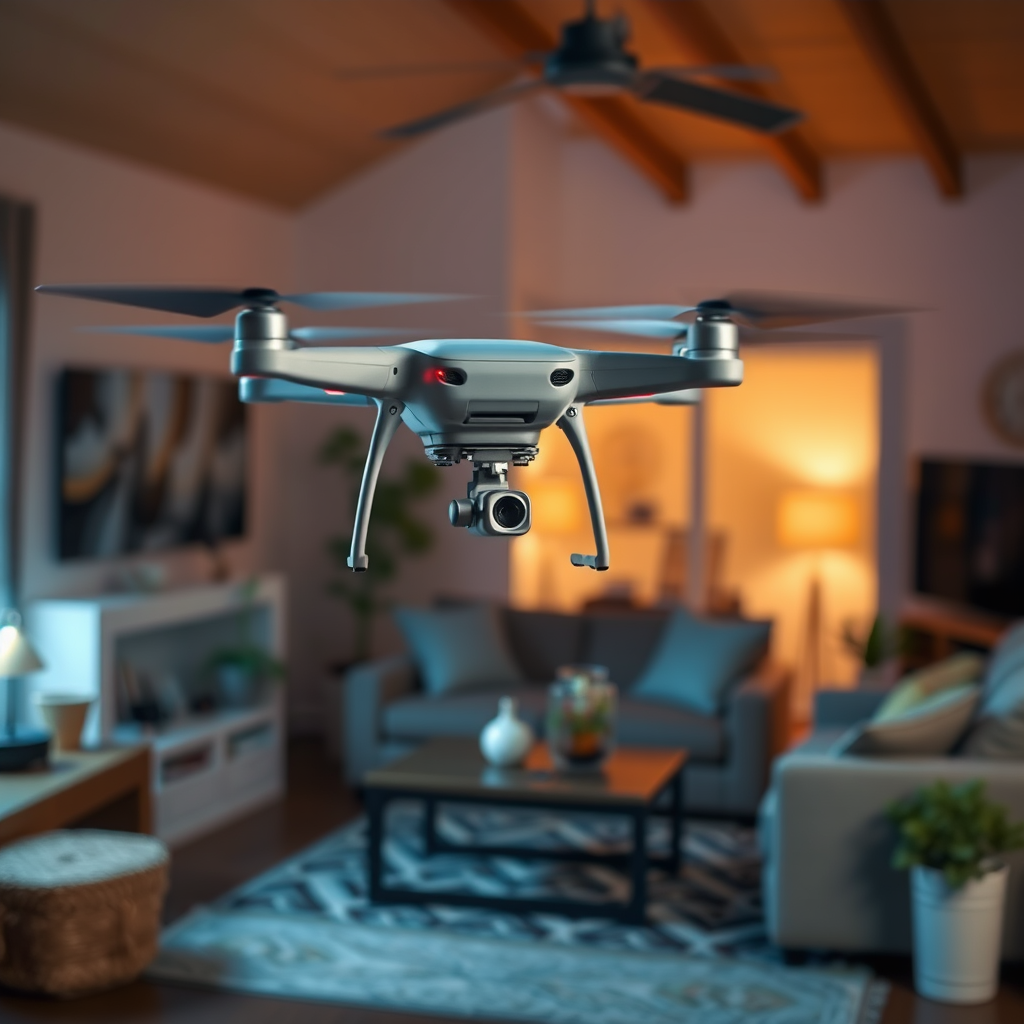
Drones, or unmanned aerial vehicles (UAVs), are equipped with a variety of cameras that cater to different operational needs. The most common types of cameras include standard optical cameras, thermal cameras, and infrared cameras.
Standard cameras function similarly to traditional digital cameras, relying on visible light to capture images. Their performance is optimal in well-lit environments but falters significantly in darkness. In contrast, thermal cameras detect the infrared radiation emitted by objects, translating heat into visible images regardless of lighting conditions. Infrared cameras, while similar, focus on capturing subtle differences in heat, allowing them to outline warm bodies or objects even in complete darkness.
Understanding these distinctions is crucial for grasping the capabilities and limitations of drones used for nighttime surveillance or search and rescue operations. As drone technology evolves, the integration of these different types of cameras enhances their functionality and application across various sectors.
Limitations of Standard Cameras
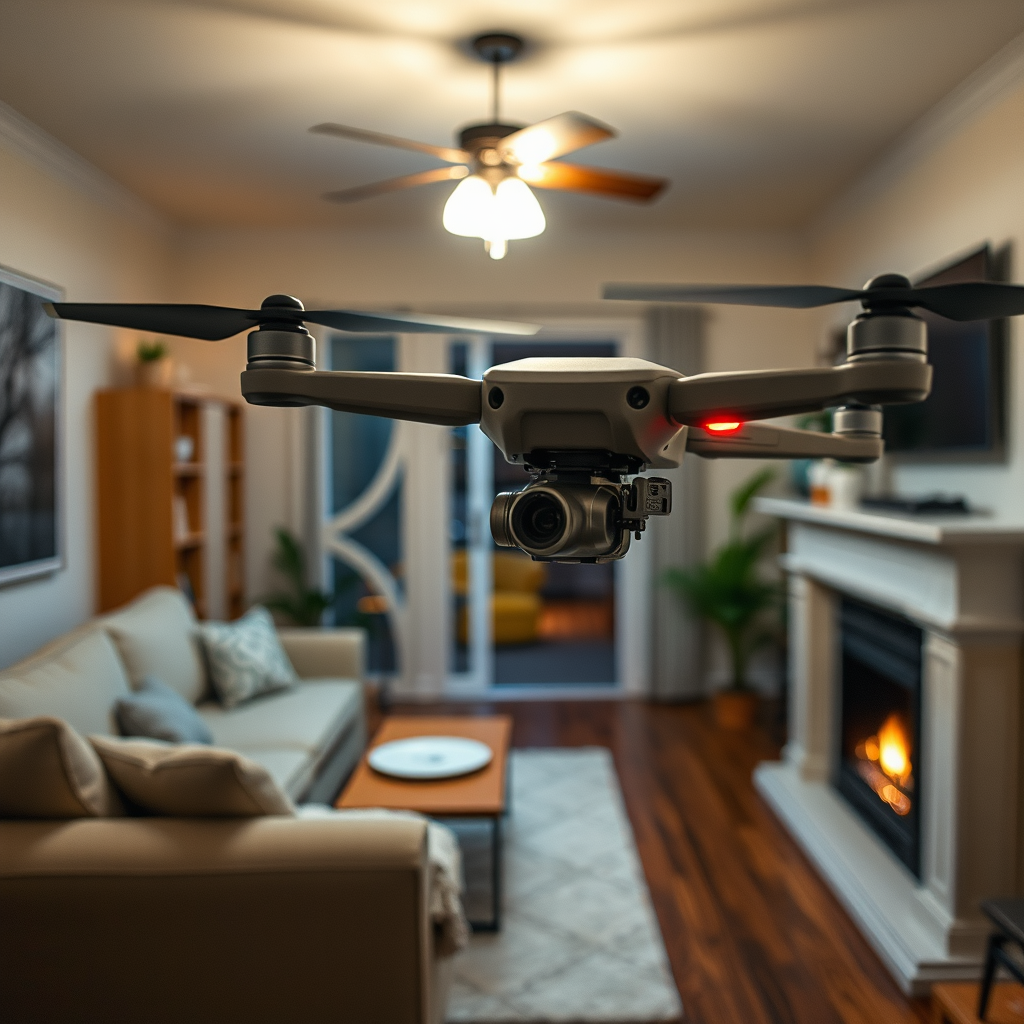
Standard cameras, which are prevalent in many consumer drones, are fundamentally limited by their reliance on visible light. At night, these cameras struggle to capture clear images, resulting in grainy or blurry visuals. For instance, during nighttime operations, a standard drone may only be able to capture silhouettes or indistinct images, making it nearly impossible to see inside structures with any clarity.
Moreover, the effectiveness of standard cameras decreases exponentially in low-light conditions. Factors such as ambient street lighting or moonlight might provide some visibility, but they are insufficient for detailed surveillance. This limitation poses significant challenges for law enforcement and security personnel who rely on clear visuals for their operations. In situations where clear identification of individuals or objects is crucial, standard cameras fall short, underscoring the need for more advanced imaging technologies.
Thermal and Infrared Cameras Explained
Thermal and infrared cameras are game-changers in the realm of nighttime drone operations. Thermal cameras operate by detecting the heat emitted from objects, converting these heat signatures into images that reveal details invisible to the naked eye. This technology allows drones to effectively “see” in total darkness, making them invaluable tools for law enforcement and search-and-rescue missions. For example, during a nighttime search for a missing person, a drone equipped with a thermal camera can identify the heat emitted by a human body, even if they are concealed under foliage.
Infrared cameras, while similar to thermal cameras, focus on capturing images based on minute differences in heat. These cameras can highlight the contours of warm bodies against cooler backgrounds, providing a stark contrast that makes it easier to identify individuals or animals within a structure. In residential surveillance, this technology could potentially reveal the presence of individuals inside a home, albeit without the detailed imagery that a standard camera might provide in the daytime.
Both thermal and infrared technologies have seen significant advancements, leading to improved resolution and accuracy. As these technologies evolve, the implications for privacy and surveillance become increasingly complex, drawing attention to the ethical use of drones equipped with such capabilities.
Legal and Ethical Considerations
The use of drones for surveillance, particularly at night, raises numerous legal and ethical concerns. Many jurisdictions have established laws to balance the benefits of drone technology with the need to protect privacy rights. For instance, the Federal Aviation Administration (FAA) in the United States has regulations governing drone use, emphasizing the importance of respecting individual privacy while operating drones for commercial or personal purposes.
However, the legal landscape varies significantly across different regions. Some states have enacted specific legislation that prohibits the use of drones for invasive surveillance, particularly concerning residential properties. Violations of these laws can lead to severe penalties, highlighting the importance of understanding local regulations.
Ethically, the implications of using drones for surveillance are profound. The ability to see through walls, albeit through heat detection, can infringe on individual privacy and trust. Community discussions surrounding drone usage often focus on finding a balance between technological advancement and the preservation of personal freedoms. As drone technology continues to evolve, ongoing dialogue will be crucial to address these complex issues.
Practical Applications of Night Vision Drones
The practical applications of drones equipped with thermal and infrared cameras are extensive, particularly in sectors where nighttime operations are essential. Law enforcement agencies utilize these drones for surveillance during criminal investigations, enabling them to monitor suspect activities without alerting those on the ground. For example, a drone may be deployed to observe a suspected drug deal occurring in a dark alley, allowing officers to gather intelligence without compromising their safety.
Search-and-rescue teams also benefit significantly from this technology. In emergency situations, such as locating missing hikers or individuals trapped in disaster zones, drones can quickly cover vast areas at night, identifying heat signatures that may indicate the presence of people in distress.
Additionally, security systems are increasingly integrating drone technology to enhance surveillance capabilities, particularly in rural or expansive areas where traditional security measures may be lacking. For homeowners, drones can provide an extra layer of security, allowing for real-time monitoring of their property during nighttime hours.
Protecting Your Privacy
As the capabilities of drones continue to advance, homeowners must take proactive steps to protect their privacy. One effective strategy is to utilize window coverings or barriers that obstruct the view into your home. Heavy drapes, blinds, or outdoor privacy screens can significantly reduce the likelihood of being monitored through thermal imaging.
Furthermore, understanding local drone laws is essential for homeowners who wish to advocate for their privacy rights. By becoming familiar with the regulations governing drone usage in your area, you can better position yourself to address any concerns with local authorities or community leaders. Engaging in community discussions about drone surveillance and advocating for privacy protections can also contribute to a more informed and protective environment.
Future of Drone Surveillance Technology
The future of drone surveillance technology promises further advancements that may enhance their capabilities while simultaneously raising new privacy concerns. As companies invest in research and development, we can anticipate improvements in image resolution, battery life, and flight range, making drones even more effective for surveillance purposes.
However, with these advancements comes the responsibility to address ethical considerations and legal frameworks. Ongoing discussions surrounding the regulation of drone technology will be essential to ensure that individual rights are protected while allowing for the beneficial use of drones in various sectors. Policymakers, technologists, and the public must continue to collaborate to create a balanced approach that respects privacy while embracing innovation.
In conclusion, while drones equipped with advanced imaging technology can see inside your house at night, the implications of this capability extend beyond mere surveillance. Legal and ethical considerations must be weighed carefully to protect individual rights and privacy. Staying informed about your rights, local regulations, and the technology involved is crucial for maintaining your privacy in an increasingly surveilled world.
Frequently Asked Questions
Can drones see inside my house at night?
Drones typically cannot see inside your house at night unless they are equipped with advanced thermal imaging or night vision technology. Most consumer drones rely on standard cameras that require light to capture images, making them ineffective in complete darkness. Additionally, privacy regulations often restrict drone operators from flying too close to residential properties, which can further limit their ability to capture interior views.
What types of drones can see in the dark?
Drones that are equipped with infrared cameras or thermal imaging sensors can see in the dark by detecting heat signatures. These specialized drones are often used in search and rescue operations, wildlife monitoring, or military applications. However, for typical consumer or recreational use, such technology is rare and expensive, and most standard drones do not come with these capabilities.
Why are people concerned about drones seeing inside their homes?
Concerns about drones seeing inside homes stem from privacy issues and the potential for unwanted surveillance. As drone technology becomes more accessible, individuals fear that others may use drones to invade their personal space or capture sensitive information. This has led to discussions about the need for stricter regulations regarding drone usage, especially in residential areas.
How can I protect my privacy from drones flying near my home?
To protect your privacy from drones, you can take several proactive measures. Installing privacy fences, using curtains or blinds, and avoiding outdoor activities in plain sight can help. Additionally, you may want to familiarize yourself with local laws regarding drone flights, as many areas have regulations that restrict drone operators from flying over private property without permission.
Are there laws against drones flying over residential areas?
Yes, there are laws and regulations that govern drone flights over residential areas, although they may vary by location. In the United States, the Federal Aviation Administration (FAA) regulates airspace and has guidelines that prevent drones from flying below certain altitudes over populated areas. Many local jurisdictions also have specific laws addressing drone use to protect privacy and safety, which can include restrictions on flying near homes.
References
- https://en.wikipedia.org/wiki/Drone_technology
- https://www.bbc.com/news/technology-48924863
- https://www.reuters.com/technology/drones-are-getting-better-they-are-also-getting-more-dangerous-2021-02-02/
- https://www.nytimes.com/2020/06/08/technology/drones-privacy.html
- https://www.sciencedirect.com/science/article/pii/S0167739X19303055
- https://www.aclu.org/news/privacy-technology/what-you-need-to-know-about-drones-and-privacy
- https://www.nap.edu/catalog/22331/drones-and-the-future-of-aviation
- https://www.cnet.com/news/drones-can-see-through-walls-and-other-things-you-didnt-know-they-can-do/
