
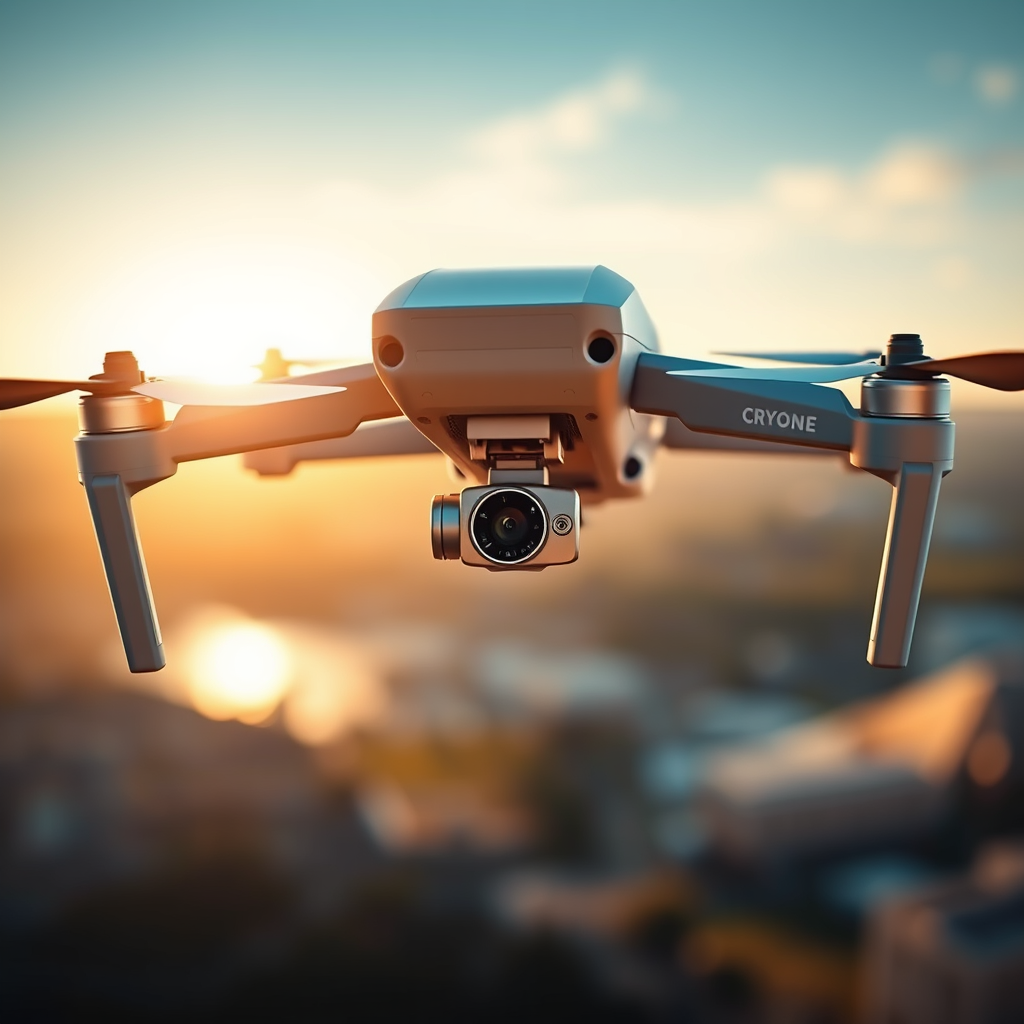
Yes, drones can take pictures and are increasingly being used for photography and videography. With advancements in technology, many drones are equipped with high-quality cameras capable of capturing stunning images from unique aerial perspectives. This article will delve into the capabilities of drones in photography, their advantages, and practical applications, providing valuable insights to both enthusiasts and professionals.
Understanding Drone Photography
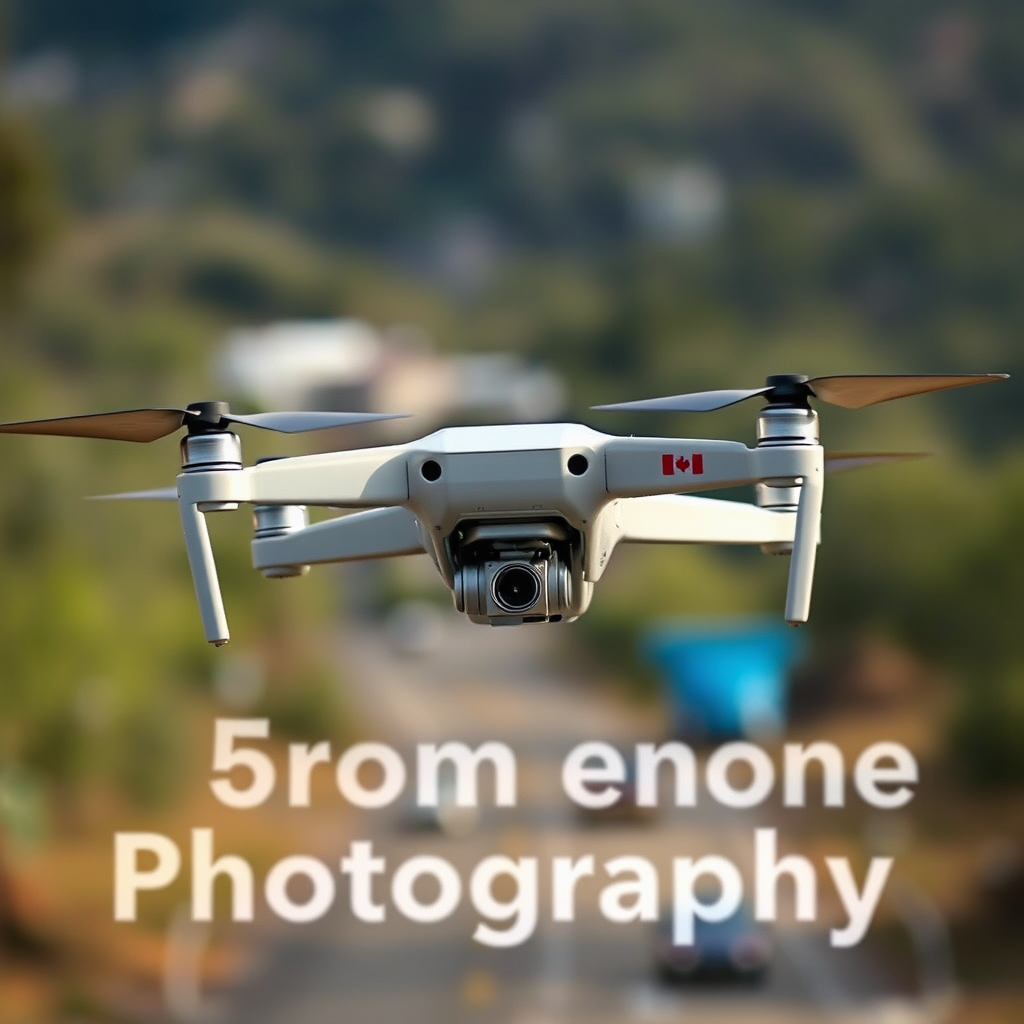
Drones equipped with cameras have revolutionized the way we capture images, enabling photographers to achieve aerial shots that were once only possible through the use of helicopters or expensive equipment. Modern consumer and professional drones come with a variety of camera options, including HD and 4K resolution capabilities. This allows users to produce high-definition images and videos that are not only visually appealing but also suitable for a range of applications from marketing to artistic expression. The development of gimbal stabilization technology further enhances image quality by eliminating unwanted vibrations, resulting in smooth and steady footage.
As drone technology continues to evolve, features such as automatic tracking and intelligent flight modes are becoming standard. These advancements enable photographers to focus on composition while the drone handles the more complex flying maneuvers, making aerial photography more accessible than ever before.
Types of Drones for Photography
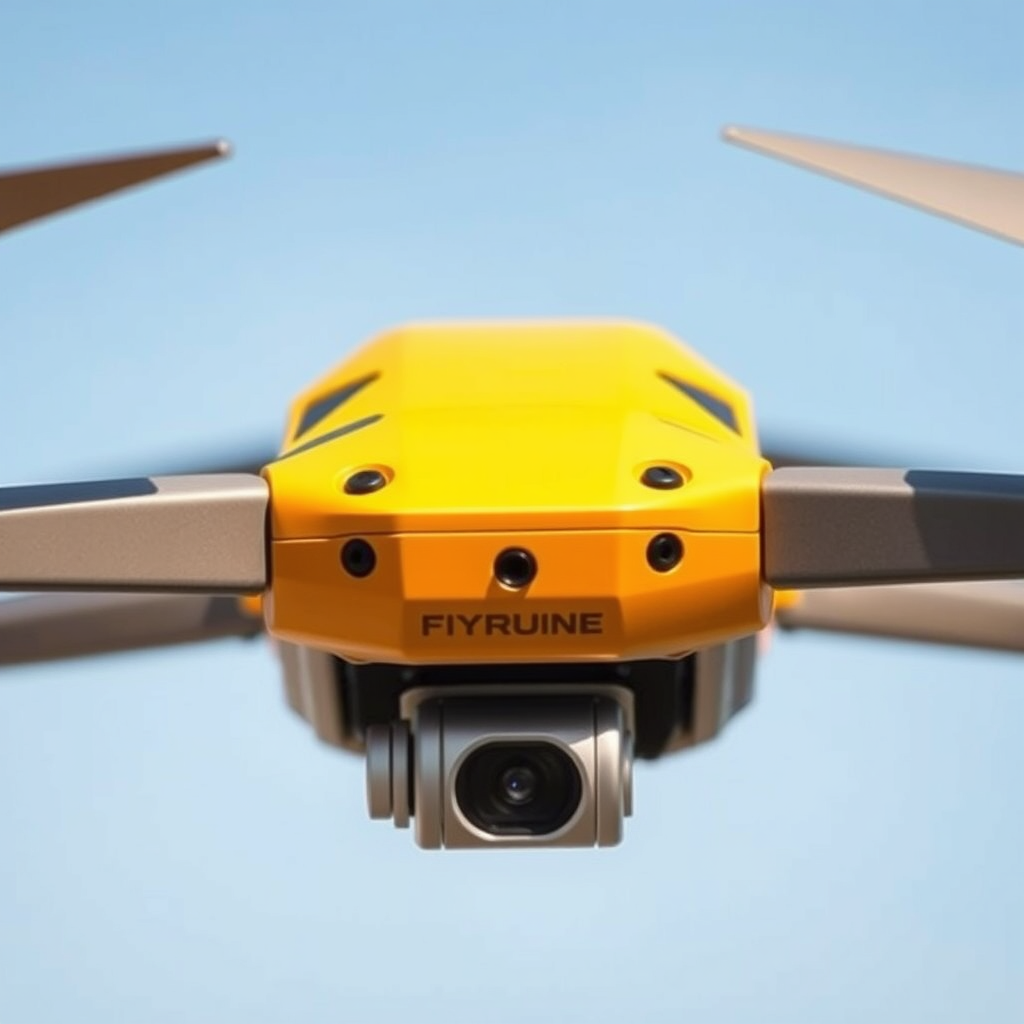
When it comes to drone photography, the choice of drone can significantly impact the quality of the images captured.
– Consumer Drones: These are generally more affordable and user-friendly, making them ideal for hobbyists and beginners. Drones like the DJI Mini series and the Parrot Anafi offer excellent camera quality, ease of use, and portability, allowing users to capture stunning aerial photos without extensive training. Many consumer drones come with built-in features like automated flight modes, which help users achieve professional-quality shots with minimal effort.
– Professional Drones: For serious photographers and videographers, professional drones like the DJI Mavic Pro or the Inspire series offer advanced features such as superior camera systems, GPS integration, and enhanced stabilization technologies. These drones can support interchangeable lenses and often come equipped with larger sensors, which improve low-light performance and overall image quality. Additionally, professional drones provide more extensive customization options, allowing experienced users to tailor their setups for specific photography needs.
Benefits of Using Drones for Photography
One of the most significant advantages of using drones for photography is the ability to capture unique aerial views that traditional photography cannot achieve. Aerial perspectives provide a fresh take on landscapes, events, and architecture, often revealing patterns and details that are invisible from the ground. For instance, capturing the intricate layouts of urban environments or the vastness of natural landscapes can result in breathtaking imagery that tells a compelling story.
Moreover, drones can access hard-to-reach locations, which is particularly beneficial for various projects. For example, photographers can easily document remote areas such as mountain ranges, coastal cliffs, or dense forests without the need for extensive hiking or climbing. This capability makes drones an invaluable tool in fields such as environmental monitoring, real estate, and construction, where capturing precise images of inaccessible sites is often necessary.
Tips for Capturing Great Aerial Photos
To maximize the potential of drone photography, planning is essential. Here are some tips to consider when capturing aerial images:
– Scout Locations: Before taking flight, it’s advisable to scout potential locations to identify the best angles and compositions. Use online maps or satellite imagery to visualize the area and plan your shots accordingly.
– Consider Lighting Conditions: Lighting plays a crucial role in photography. The golden hour—shortly after sunrise or before sunset—provides soft, diffused light that enhances the beauty of landscape shots. Be mindful of the time of day and weather conditions when planning your photography sessions.
– Familiarize Yourself with Controls and Settings: Understanding your drone’s controls and camera settings will significantly improve your shooting experience. Spend time practicing flight maneuvers and experimenting with different camera settings, such as shutter speed and ISO, to find the optimal combination for your environment.
– Experiment with Angles and Composition: Drones offer a range of perspectives, so don’t hesitate to experiment with different heights and angles. Utilize the rule of thirds, leading lines, and other compositional techniques to create visually striking images.
Legal Considerations for Drone Photography
While drones have opened new avenues for creativity, it is crucial to be aware of the legal considerations surrounding drone photography.
– Understand Regulations: Different countries and regions have specific regulations regarding where and how drones can be flown. Familiarize yourself with local laws, including altitude restrictions, no-fly zones, and licensing requirements to avoid potential fines or penalties.
– Respect Privacy Laws: When photographing people or private property, it’s essential to respect privacy laws and, when necessary, obtain permission. Some jurisdictions may have stringent regulations regarding capturing images of individuals without consent, especially in residential areas or private events.
– Insurance and Liability: Depending on your level of operation, consider obtaining liability insurance to protect against potential accidents or damages. Engaging in drone photography can come with risks, and having proper coverage can provide peace of mind.
Popular Uses of Drone Photography
Drones have found widespread application across various industries, each benefiting from the unique perspectives that aerial photography can provide:
– Real Estate: Real estate professionals leverage drone images to showcase properties from an aerial vantage point. High-quality aerial shots can highlight a property’s size, location, and surrounding features, making listings more attractive to potential buyers.
– Event Photography: Event planners use drone photography to capture memorable moments during weddings, festivals, and corporate events. Aerial shots can encapsulate the atmosphere of an event, providing a dynamic view that traditional photography may miss.
– Environmental Monitoring: Drones are increasingly used in environmental research to monitor changes in ecosystems, wildlife populations, and natural resources. Aerial imagery allows researchers to collect data over large areas efficiently, providing insights into environmental health and trends.
– Construction and Infrastructure: In the construction industry, drones are employed to document progress and conduct site surveys. Aerial imagery can assist project managers in assessing the status of a project, improving communication among teams, and ensuring compliance with safety regulations.
Future Trends in Drone Photography
As technology continues to advance, the future of drone photography looks promising with several emerging trends:
– Artificial Intelligence (AI): The integration of AI is enhancing image quality and analysis capabilities. Drones equipped with AI can automatically identify key subjects, optimize camera settings in real-time, and even edit photos, making the post-production process more efficient.
– Increased Industry Integration: The use of drones is expanding across various sectors, including agriculture, where they are used for crop monitoring, and in search and rescue operations, where they can quickly cover vast areas. As industries recognize the value of aerial data, the demand for drone photography is likely to grow.
– Enhanced User Experience: The development of user-friendly interfaces and smart features will make drone photography even more accessible. Innovations such as automated flight paths and gesture control will empower users to focus on creativity rather than technical complexities.
In conclusion, drones are not just capable of taking pictures; they have transformed the field of photography by providing innovative ways to capture stunning visuals. From offering unique aerial perspectives to enabling access to hard-to-reach locations, the benefits of drone photography are significant. As technology continues to evolve, expect to see even more exciting developments in this dynamic field. Whether you are a hobbyist or a professional, exploring drone photography could enhance your creative projects and open new avenues for storytelling.
Frequently Asked Questions
What types of drones can take pictures?
Most consumer and professional drones are equipped with cameras capable of taking high-quality pictures. Popular models include the DJI Mavic series, Phantom series, and the Parrot Anafi. Additionally, some drones allow for camera upgrades or attachments, enabling users to enhance their photography capabilities further, making it easy for both hobbyists and professionals to capture stunning aerial images.
How do I operate a drone to take pictures effectively?
To operate a drone for photography effectively, first familiarize yourself with the drone’s controls and settings. Ensure you have a clear understanding of flight modes, camera settings, and how to adjust the gimbal for stability. Practice flying in open areas and experiment with different angles and heights to capture unique shots, while always following local regulations and safety guidelines to avoid accidents.
Why are drones preferred for aerial photography?
Drones are preferred for aerial photography because they provide unique perspectives and access to hard-to-reach locations that traditional photography methods cannot offer. They can fly at various altitudes and angles, allowing photographers to capture sweeping landscapes, architectural features, and dynamic shots from above. Additionally, drones often come equipped with advanced stabilization technology, producing high-quality images with minimal blur, making them a valuable tool for photographers.
What are the best settings for taking pictures with a drone?
The best settings for taking pictures with a drone typically include adjusting the camera to shoot in RAW format for maximum editing flexibility, setting the ISO to the lowest possible value to avoid noise, and using a shutter speed that matches your flying speed to reduce motion blur. Additionally, utilizing the appropriate exposure settings and enabling grid lines can help with composition, ensuring you capture stunning aerial photographs.
Which drones are the best for beginners interested in aerial photography?
For beginners interested in aerial photography, drones like the DJI Mini 2 and the Holy Stone HS720 are highly recommended due to their user-friendly interfaces, built-in stabilization features, and excellent camera quality. These models offer easy-to-use flight modes, such as GPS-assisted hovering and automated shooting functions, allowing novice pilots to focus on capturing beautiful images without the steep learning curve typically associated with flying drones.
References
- https://en.wikipedia.org/wiki/Drone_photography
- https://www.faa.gov/uas/recreational_flyers/
- https://www.nasa.gov/feature/nasa-s-new-drone-technology-to-take-3d-images
- https://www.sciencedirect.com/topics/engineering/drone-photography
- https://www.theguardian.com/technology/2021/sep/29/drone-use-in-urban-environments
- https://www.nytimes.com/2022/01/20/technology/drones-photography.html
- https://www.dronepilotgroundschool.com/drone-photography-tips/
- https://www.ausairpower.net/APA-Drone-Photography.html
