
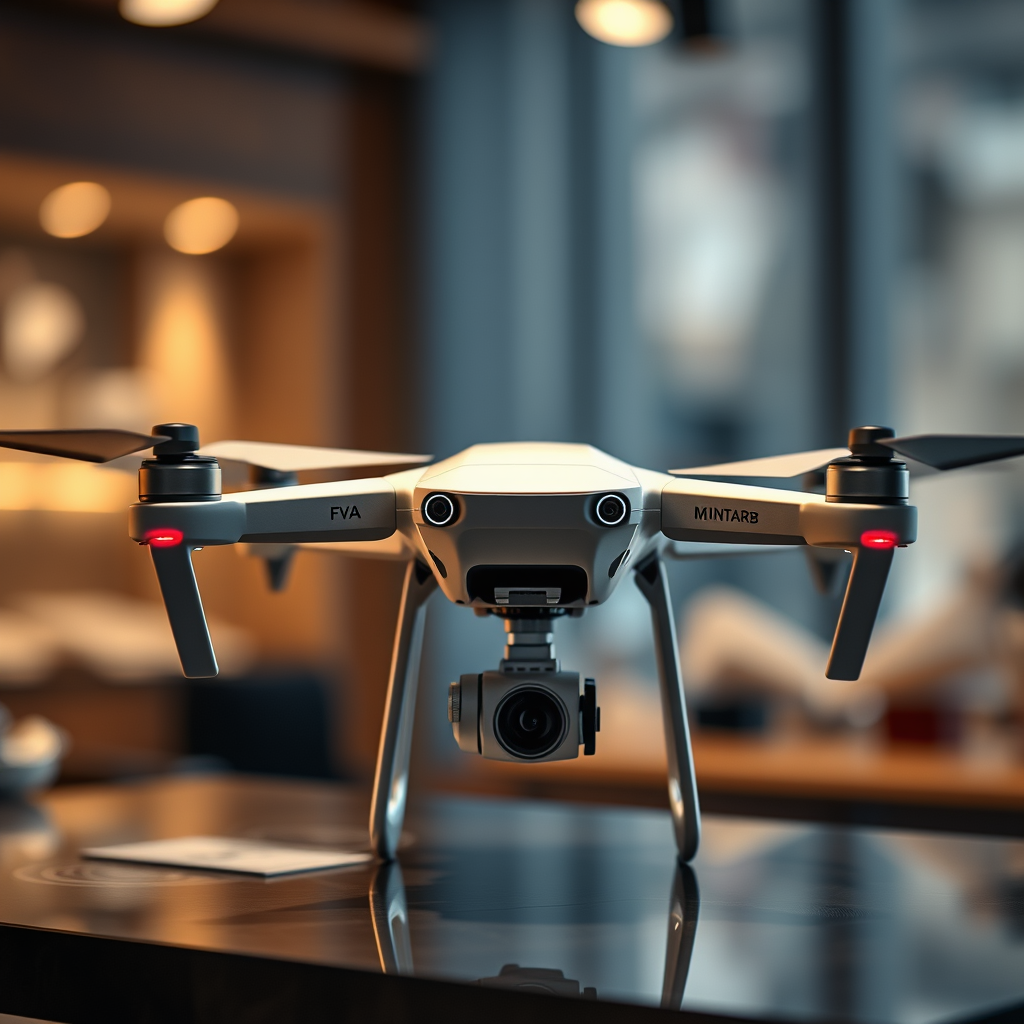
Yes, the FAA can track your drone, especially if it is registered and equipped with the necessary technology. The Federal Aviation Administration (FAA) has established regulations that allow for the tracking of drones under specific conditions to enhance safety in the airspace. As drone usage continues to grow, understanding how the FAA monitors these devices, the technologies involved, and the implications for privacy and compliance is crucial for operators. This article delves into the various aspects of drone tracking, providing essential information for both recreational and commercial drone pilots.
Understanding FAA Regulations on Drone Tracking
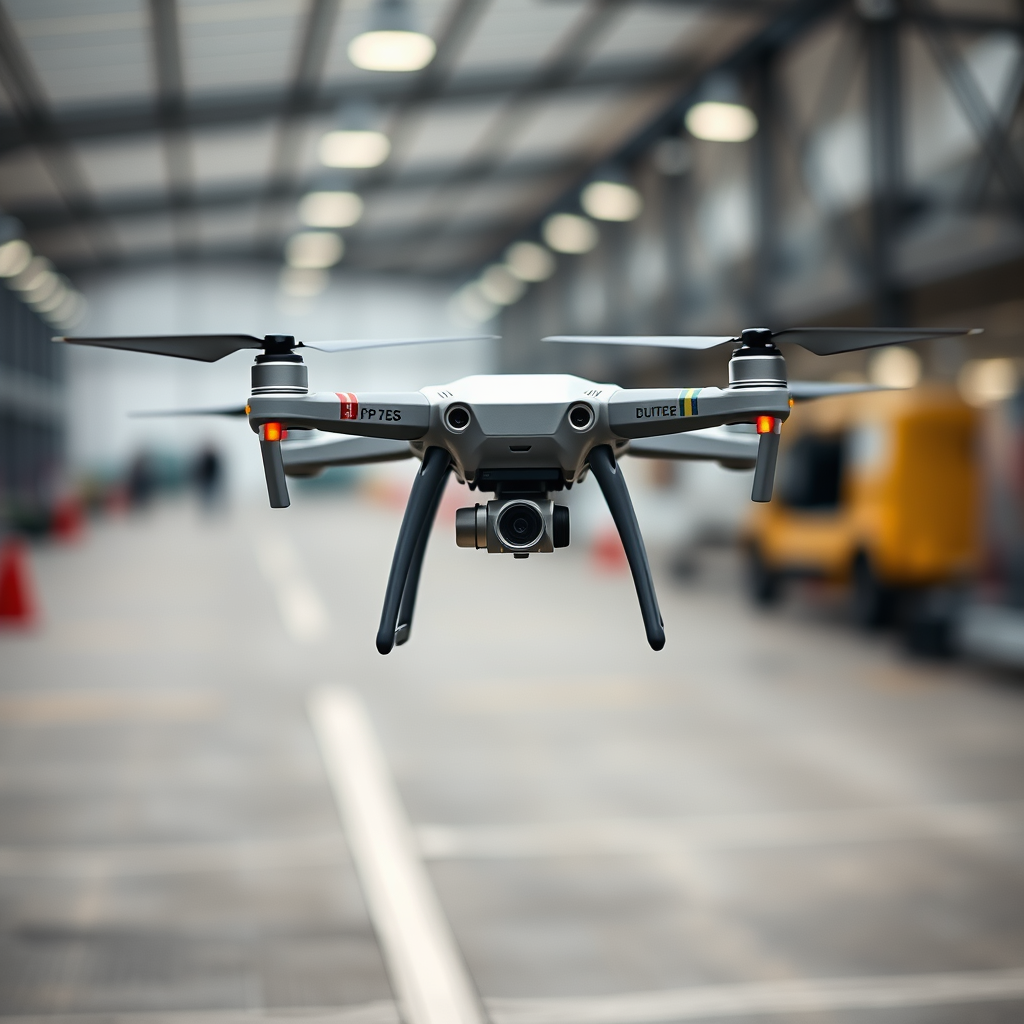
The FAA mandates that all drones weighing over 0.55 pounds must be registered with the agency. This registration process is not merely a formality; it helps the FAA maintain a comprehensive database of drone operators and their devices. Registered drones can be linked to their operators, which facilitates tracking in case of violations or accidents. Additionally, the FAA has established specific operational rules that drones must adhere to, such as maintaining a certain altitude and distance from airports, which inherently aids in tracking efforts. By enforcing these regulations, the FAA aims to mitigate risks associated with drone operations, particularly in busy airspaces where manned aircraft operate.
Moreover, the FAA’s Part 107 rules apply to commercial drone operations and include stipulations regarding visibility, airspace restrictions, and other operational guidelines. These rules not only promote safety but also enhance the agency’s capability to track drone activity effectively. Understanding these regulations is vital for any drone operator to ensure compliance and avoid penalties.
Technologies Used for Drone Tracking
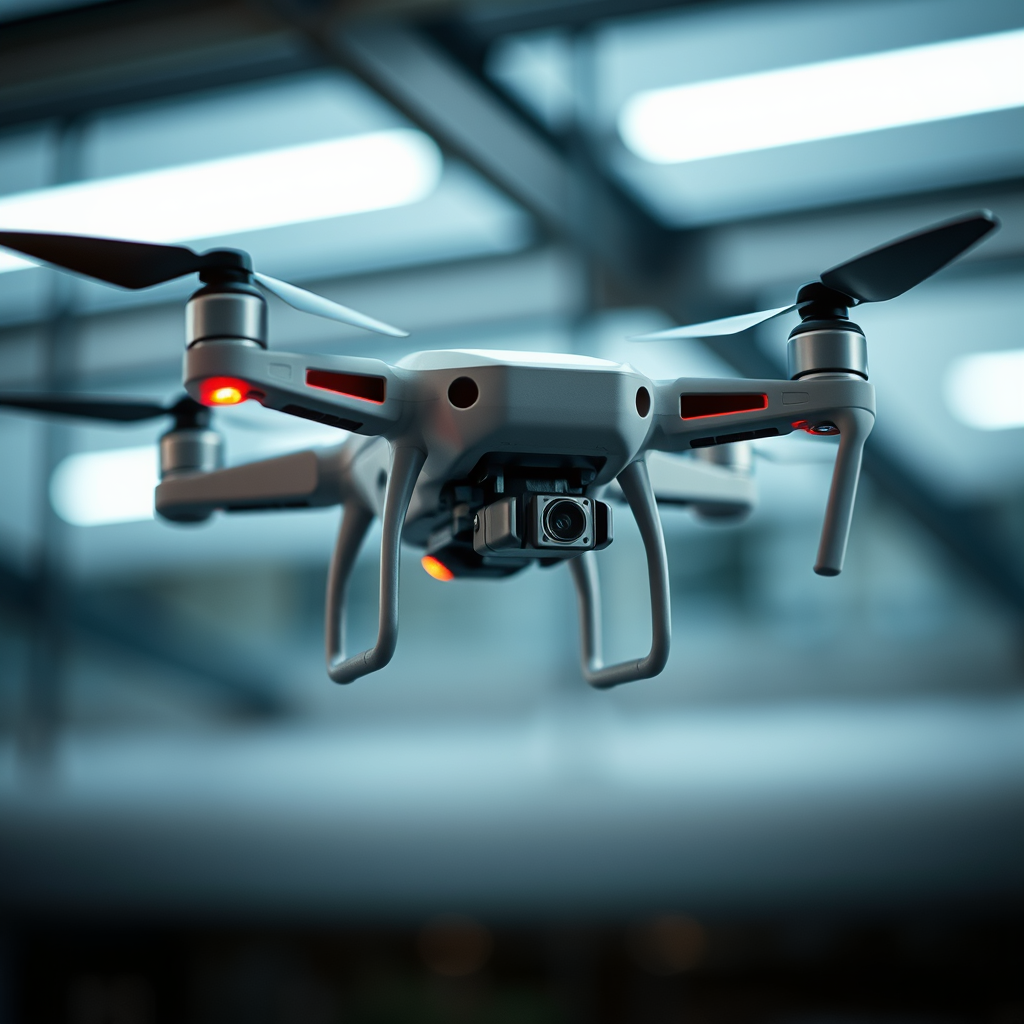
At the heart of drone tracking are technologies such as GPS and remote identification systems. GPS technology allows drones to be tracked based on their geographic location, providing real-time data on their movements. This is particularly important in situations where drones enter restricted airspace or behave erratically.
In addition to GPS, the FAA is advocating for the implementation of Remote ID technology, which would enable drones to broadcast their location and identification information to nearby aircraft and authorities. Remote ID is akin to a digital license plate for drones, allowing for better situational awareness in the airspace.
Some advanced drones are equipped with Automatic Dependent Surveillance–Broadcast (ADS-B) technology, which provides real-time tracking information to air traffic control and other aircraft. This technology enhances safety by allowing manned aircraft to be aware of drone activity in their vicinity, thus reducing the risk of collisions.
Situations Where the FAA Can Track Drones
Drones operating in controlled airspace, which includes areas near airports and other restricted zones, are more likely to be tracked by the FAA. The agency utilizes data from registered drones and employs technology such as Remote ID to monitor these devices. In scenarios where a drone is suspected of violating regulations—such as flying too close to an airport or engaging in unsafe maneuvers—the FAA can actively track and investigate the drone’s activities.
Furthermore, law enforcement agencies may access tracking data provided by the FAA during investigations or incidents where drones are suspected of being involved in criminal activities. This capability underscores the importance of compliance with FAA regulations, as failure to adhere to these guidelines can result in legal repercussions not only for the drone operator but also for any potential misuse of the drone.
Privacy Concerns Surrounding Drone Tracking
The ability of the FAA to track drones raises significant privacy concerns among operators and the general public. Many drone enthusiasts worry about the implications of constant surveillance and the potential for data collection that could infringe upon their privacy rights. The balance between safety in the airspace and individual privacy is a critical discussion point in the drone community.
Understanding how the data collected through tracking is used is essential for drone operators. The FAA maintains that tracking is primarily for safety and compliance purposes. However, transparency regarding how this data is stored and accessed is crucial to alleviate concerns among operators. Engaging in open dialogues about privacy considerations and advocating for reasonable regulations can help foster a more balanced approach to drone tracking.
How Drone Operators Can Ensure Compliance
To ensure compliance with FAA regulations, drone operators must begin by registering their drones, particularly those that exceed 0.55 pounds. Registration is a straightforward process that can be completed online, and it is essential for legal operation within the United States. Additionally, staying informed about local regulations and any changes to FAA policies is vital for ongoing compliance.
Operators should also take the initiative to participate in educational programs or workshops on drone safety and regulations. Many local drone clubs and organizations offer resources and training that can enhance understanding and adherence to legal requirements. By being proactive and informed, drone operators can not only avoid penalties but also contribute to a safer airspace for all users.
The Future of Drone Tracking and Regulation
As drone technology continues to evolve, so too will the methods for tracking and regulating these devices. Advances in technology may lead to more sophisticated tracking systems that provide real-time data to authorities while enhancing operational capabilities for drone pilots. The ongoing discussions about drone regulations are shaping future policies that will likely include more stringent tracking measures to ensure safety and compliance.
Moreover, the integration of drones into the broader air traffic management system is an area of active development. As the FAA explores solutions for integrating unmanned aerial vehicles into controlled airspace, tracking systems will play a pivotal role in managing air traffic effectively. Future regulations may also reflect the need for a more comprehensive approach to privacy, ensuring that drone operations can occur without compromising individual rights.
In summary, the FAA can indeed track your drone, especially if it follows specific regulations and utilizes certain technologies. Understanding these aspects not only keeps you compliant but also ensures that you operate safely within the national airspace. Staying informed about the latest developments in drone technology and regulations is essential for any drone operator. For more information on drone regulations, consider visiting the FAA’s official website or local drone community resources. Embracing knowledge and compliance will enhance the overall drone flying experience while contributing to a safer airspace for everyone.
Frequently Asked Questions
Can the FAA track my drone’s location and flight path?
Yes, the FAA can track your drone’s location and flight path, especially if it is equipped with Remote ID technology. This system, which is mandatory for most drones over 0.55 pounds, broadcasts the drone’s identification, location, and altitude to nearby receivers, making it possible for the FAA and law enforcement to monitor drone activity in real time.
How does the FAA monitor drone operations?
The FAA monitors drone operations through various methods, including the use of Remote ID technology, radar systems, and data from specialized drone tracking apps. Remote ID allows for real-time tracking, while radar can detect drone activity in controlled airspace. Additionally, the FAA collaborates with local law enforcement and aviation authorities to ensure compliance with regulations.
Why is Remote ID important for drone operators?
Remote ID is important for drone operators because it enhances safety and accountability within the airspace. By providing identifiable information about the drone and its operator, it helps authorities track and manage drone operations, reducing the risk of incidents with manned aircraft and ensuring compliance with aviation regulations. This transparency is crucial for the integration of drones into the national airspace system.
What are the best practices for ensuring my drone remains compliant with FAA regulations?
To ensure your drone remains compliant with FAA regulations, always register your drone if it weighs over 0.55 pounds, adhere to flight altitude and distance restrictions, and maintain visual line of sight during operations. Additionally, equip your drone with Remote ID technology if required and stay informed about any changes in local drone laws or regulations to avoid fines or penalties.
Which drones are exempt from FAA tracking requirements?
Drones that weigh less than 0.55 pounds (250 grams) are generally exempt from FAA tracking requirements, meaning they do not need to be equipped with Remote ID. However, even these lighter drones must still comply with other FAA regulations, such as flying below 400 feet and avoiding restricted airspace. Always check for updates as regulations may change and vary by location.
References
- https://www.faa.gov/uas/getting_started/registration
- https://www.faa.gov/uas/
- https://en.wikipedia.org/wiki/Drone_regulation_in_the_United_States
- https://www.nytimes.com/2021/04/05/business/drone-regulations.html
- https://www.aviation.govt.nz/assets/publications/Drone-Registration-FAQ.pdf
- https://www.reuters.com/business/aerospace-defense/faa-urges-drone-operators-follow-rules-amid-rising-complaints-2021-06-18/
