
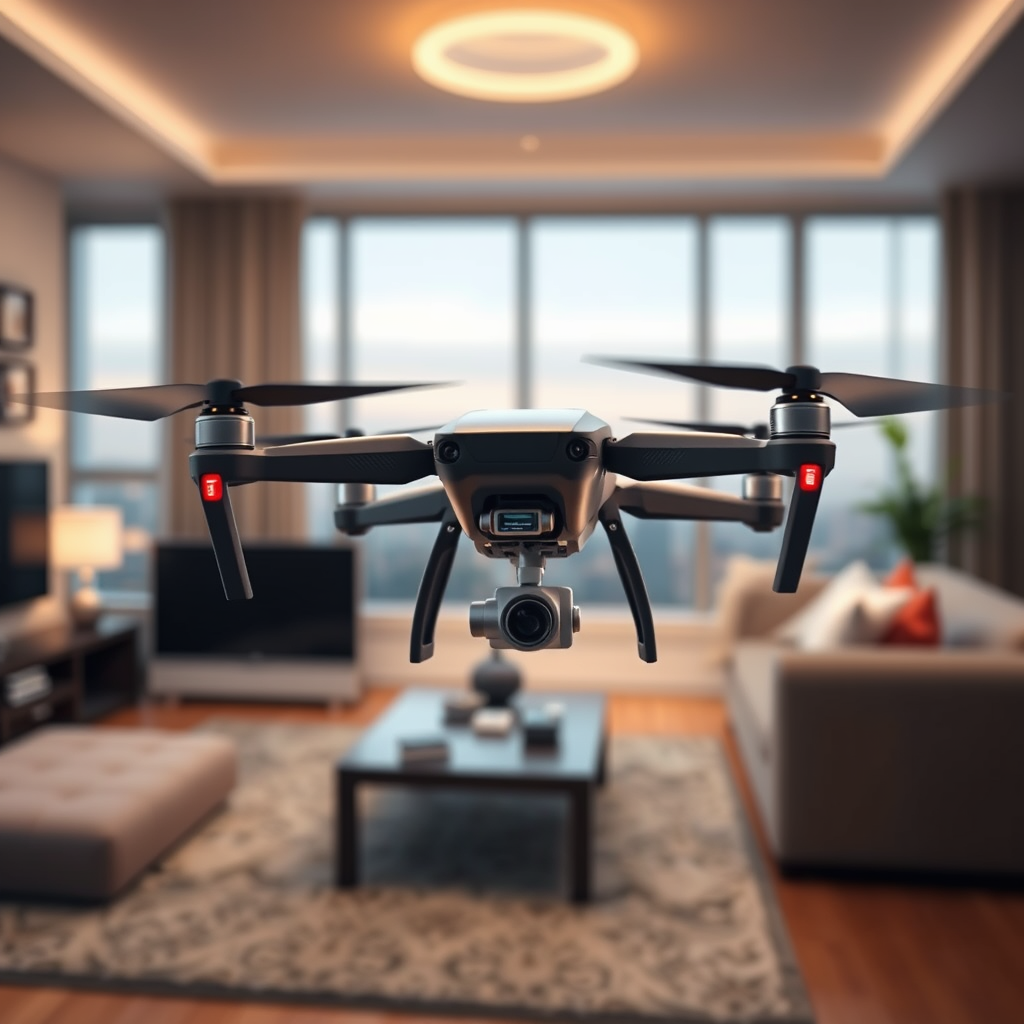
Yes, you can fly a drone, but there are important regulations and safety guidelines you need to follow. As drone technology continues to evolve, understanding the legal requirements, safety tips, and best practices is crucial for responsible flying. This not only ensures your safety but also protects the privacy and rights of others while enhancing your overall flying experience.
Understanding Drone Regulations
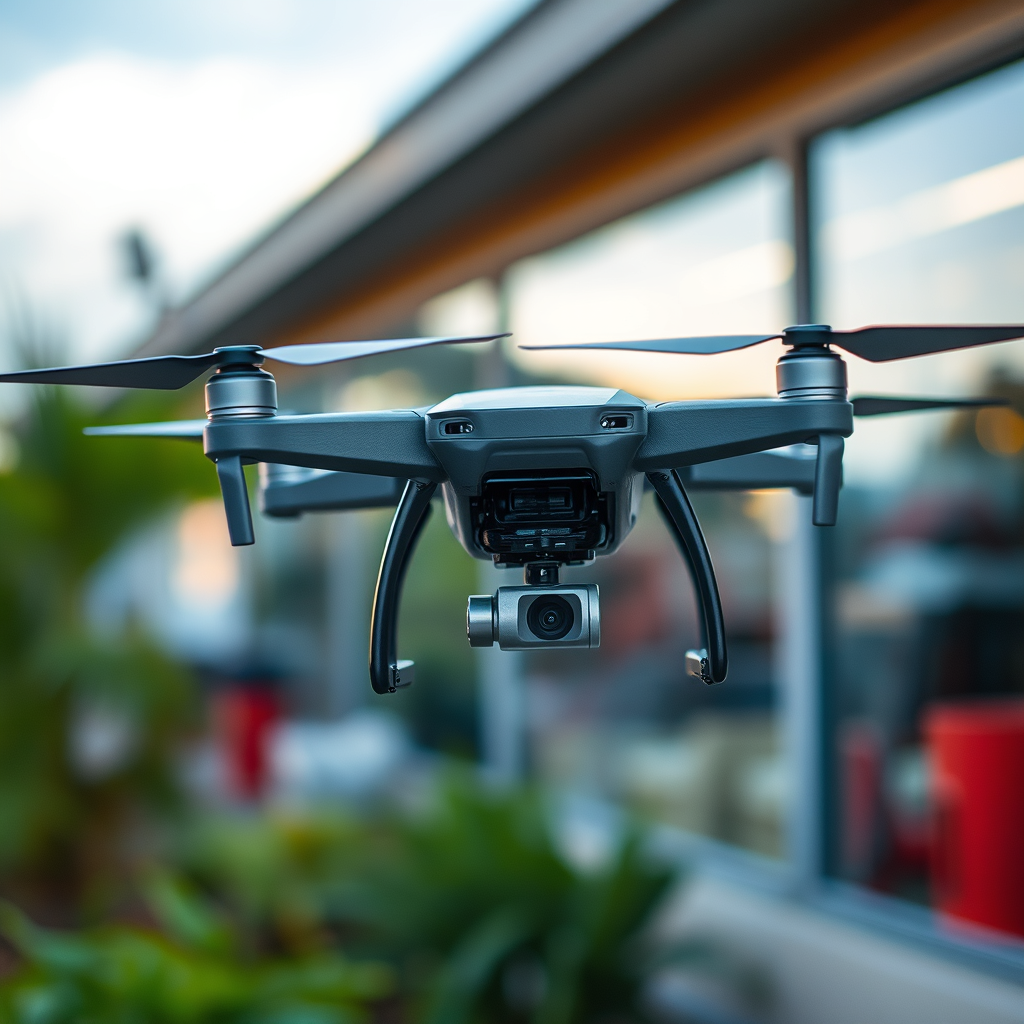
Drone regulations vary widely across the globe, reflecting the different approaches countries take towards airspace management and public safety. In the United States, the Federal Aviation Administration (FAA) governs drone use, requiring that drones weighing over 0.55 pounds (250 grams) must be registered. This registration process is straightforward and can be completed online. Additionally, drone operators must adhere to the FAA’s Part 107 guidelines if they intend to use their drones for commercial purposes. This includes passing an aeronautical knowledge test, understanding airspace classifications, and ensuring that the drone is operated safely and responsibly.
Internationally, the regulations can differ significantly. For example, in the European Union, the European Union Aviation Safety Agency (EASA) has established a unified regulatory framework that categorizes drones based on their weight and intended use, thereby streamlining compliance for operators traveling between member countries. It’s essential for drone enthusiasts to familiarize themselves with the regulations specific to their country or region before taking to the skies.
Safety Guidelines for Flying Drones
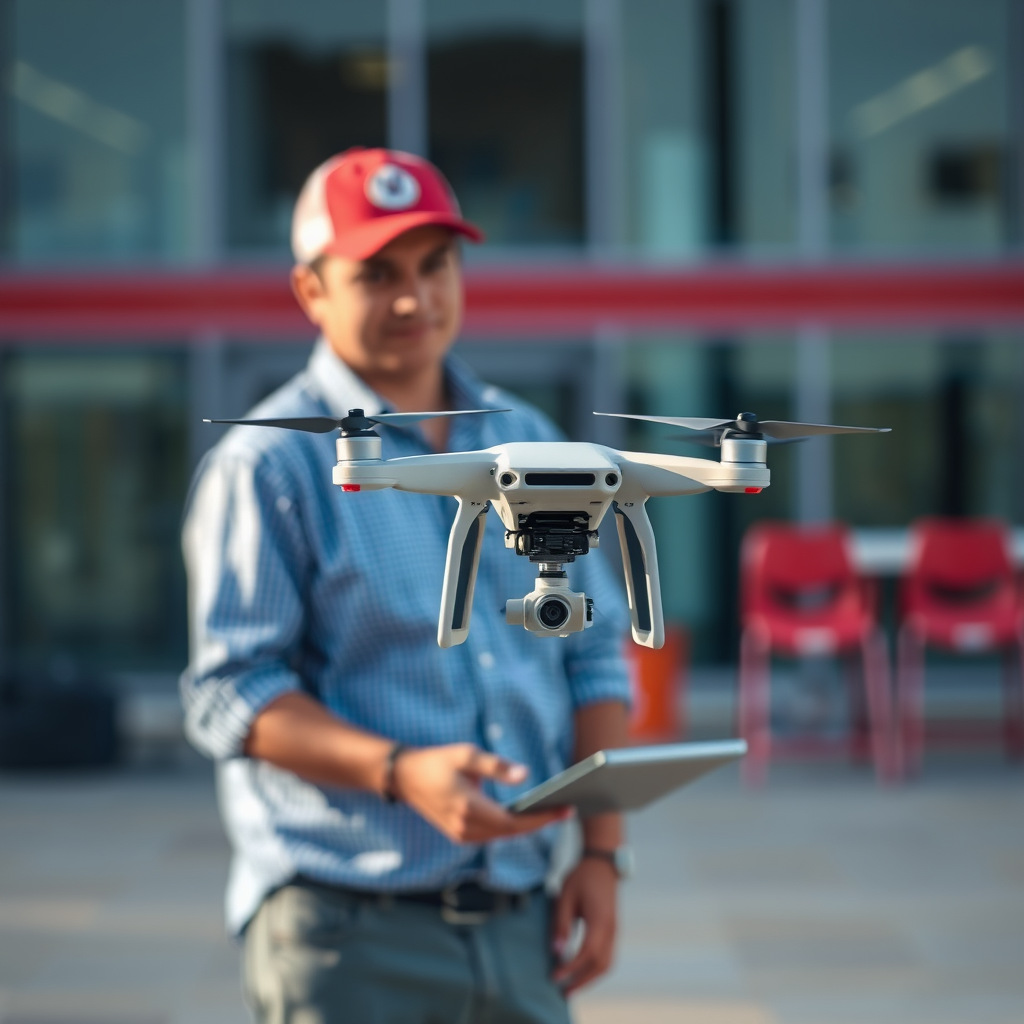
Safety is paramount when flying drones, as improper use can lead to accidents and legal repercussions. One of the fundamental safety guidelines is to always maintain a visual line of sight with your drone. This means that you should be able to see your drone at all times without the aid of binoculars or other visual enhancement tools. This practice helps to prevent collisions with other aircraft and obstacles.
Moreover, it is critical to avoid flying near airports or crowded areas. The FAA mandates that drone operators maintain a minimum distance of five miles from airports unless they have prior authorization. Additionally, flying over populated areas, such as parks or sporting events, can pose significant risks to public safety. Operators should also be aware of restricted zones, including military installations and national parks, where drone flights may be prohibited.
Incorporating a pre-flight safety check into your routine can further enhance safety. This includes checking for any weather-related concerns, as flying in harsh conditions can lead to loss of control and accidents.
Choosing the Right Drone
Selecting the appropriate drone is crucial, as it directly impacts your flying experience and capabilities. First, consider your intended use. If you are flying for recreation, a lightweight drone with basic features may suffice. However, for commercial purposes, such as aerial photography or surveying, investing in a higher-end model with advanced capabilities is advisable.
When evaluating potential drones, pay attention to key features such as camera quality, battery life, and range. For example, a drone featuring a 4K camera can significantly enhance your photography or videography, while extended battery life allows for longer flight times. Range is also a vital consideration; some drones can maintain control over several miles, which is beneficial for expansive outdoor projects.
Researching user reviews and expert opinions can provide valuable insights into which models perform best in specific scenarios. Additionally, looking into the manufacturer’s support and warranty policies can safeguard your investment and provide peace of mind.
Pre-Flight Checklist
Establishing a pre-flight checklist is essential for ensuring a smooth and safe flying experience. Begin by inspecting your drone for any physical damage or malfunctions. Check for loose parts, cracks, or any signs of wear that could affect performance.
Next, verify that your batteries are fully charged. Many drone enthusiasts recommend carrying extra batteries, especially for longer sessions, as running out of power mid-flight can lead to dangerous situations. Additionally, ensure that all equipment, including remote controls and mobile devices used for navigation, are functioning properly.
Finally, familiarize yourself with the drone’s operating manual, especially if you are using a new model. Understanding how to operate your drone effectively can prevent errors during flight and enhance your overall experience.
Best Practices for Drone Flight
To maximize your drone-flying experience, adhering to best practices is advisable. First and foremost, fly during optimal weather conditions. Calm, clear days are ideal for flying, as strong winds or rain can compromise control and visibility.
Respecting the privacy of others is also vital. Avoid flying over private property without permission, as this can lead to legal disputes and infringe upon individuals’ rights. Additionally, be mindful of noise levels; drones can be disruptive in quiet neighborhoods or natural settings.
Engaging with the local community can also enhance your flying experience. Many areas have designated drone parks or flying clubs where enthusiasts can share tips, resources, and flying experiences. Networking with other pilots can provide opportunities for learning and collaboration, ultimately improving your skills.
What to Do in Case of an Emergency
Being prepared for emergencies is essential for any drone pilot. Familiarize yourself with the emergency procedures specific to your drone model. This knowledge can be invaluable in critical situations where quick action is necessary.
In the event of a malfunction, knowing how to safely land your drone is crucial. Many modern drones come equipped with a “return to home” feature that automatically returns the drone to its launch point if the battery is low or the signal is lost. However, be prepared to manually control the drone if necessary, ensuring you have a safe landing area in mind.
Additionally, understanding how to troubleshoot common issues, such as connectivity problems or software glitches, can help mitigate risks. Regularly updating your drone’s firmware can also prevent many technical issues.
Resources for Drone Pilots
For those looking to deepen their knowledge and improve their flying skills, numerous resources are available. Joining local drone clubs or online forums can provide a sense of community and offer valuable insights from experienced pilots. These platforms often facilitate meet-ups, workshops, and social events where drone enthusiasts can exchange tips and experiences.
Official resources, such as the FAA’s website, provide updates on regulations, safety tips, and educational materials. The FAA also offers a comprehensive guide for new drone pilots, outlining the essential steps to take before flying. Various apps are available that provide real-time information on no-fly zones, weather conditions, and airspace data, which can be invaluable for planning flights.
Educating yourself continually through courses, webinars, and tutorials can enhance your flying capabilities and ensure compliance with the latest regulations.
In conclusion, flying a drone can be a rewarding experience if you adhere to the necessary guidelines and safety precautions. Understanding regulations, establishing safety practices, and choosing the right equipment are all crucial steps in becoming a responsible drone pilot. By staying informed and engaged with the drone community, you can ensure a safe and enjoyable flying experience. Happy flying!
Frequently Asked Questions
What regulations do I need to follow to fly a drone legally?
To fly a drone legally, you must adhere to the regulations set by the Federal Aviation Administration (FAA) in the United States, which include registering your drone if it weighs more than 0.55 pounds. Additionally, you should familiarize yourself with the rules regarding flying in controlled airspace, maintaining visual line-of-sight, and avoiding flying over people or moving vehicles. Local laws may also apply, so it’s crucial to check state and municipal regulations to ensure full compliance.
How do I choose the right drone for my needs?
Choosing the right drone depends on your specific needs, such as photography, racing, or recreational flying. Consider factors such as camera quality, flight time, range, ease of use, and price. For beginners, a user-friendly model with decent flight time and a good camera is ideal, while experienced users might prefer drones with advanced features like obstacle avoidance and GPS capabilities.
Why is it important to register my drone?
Registering your drone is important because it helps ensure accountability and safety in the national airspace. By registering, you provide information that can be used to identify your drone in case of incidents or accidents. Additionally, flying an unregistered drone can result in hefty fines and legal repercussions, so registration is a crucial step for responsible drone ownership.
What are the best practices for flying a drone safely?
To fly a drone safely, always conduct a pre-flight check to ensure that your drone is in good condition and that batteries are charged. Maintain a visual line-of-sight with your drone at all times, avoid flying in adverse weather conditions, and stay away from crowded areas. It’s also essential to respect no-fly zones, such as near airports and sensitive locations, to prevent accidents and legal issues.
Which apps can help me locate no-fly zones for drone flying?
Several apps can assist you in locating no-fly zones, including Airmap, B4UFLY, and UAV Forecast. These applications provide real-time updates on airspace restrictions, weather conditions, and flight advisories, helping you plan your drone flights safely. Using these tools can enhance your flying experience and ensure compliance with regulations, reducing the risk of flying in restricted areas.
References
- https://www.faa.gov/uas/getting_started/
- https://www.nasa.gov/mission_pages/
- https://www.wired.com/story/drone-flying-tips/
- https://en.wikipedia.org/wiki/Unmanned_aerial_vehicle
- https://www.nytimes.com/2021/04/21/technology/drones-flying-regulations.html
- https://www.theguardian.com/technology/2019/mar/21/drones-what-you-need-to-know
- https://www.nerc.ac.uk/press/releases/2019/01/understanding-drone-regulations/
- https://www.sUASNews.com/2022/01/17/faa-drone-regulations-and-requirements/
