
Yes, you can fly with a drone, but there are specific regulations and guidelines you must follow. Drones have become increasingly popular for recreational and commercial purposes, but flying them is not without its complexities. Understanding the regulations, safety measures, and best practices is essential for ensuring a smooth and legal flying experience. This article will provide you with essential information about flying with a drone, including the regulations, safety measures, and tips for a successful flight.
Understanding Drone Regulations
Before you take to the skies, it is crucial to familiarize yourself with the local, state, and federal regulations governing drone usage. In the United States, the Federal Aviation Administration (FAA) oversees drone flight and has established guidelines that all drone operators must follow. For example, drones weighing more than 0.55 pounds must be registered with the FAA, and registration can be done online for a nominal fee.
In addition to federal regulations, you should also review state laws and local ordinances, which can vary significantly by location. Some cities may have restrictions on where drones can be flown, particularly in urban areas or near airports. To stay compliant, it’s advisable to consult resources like the FAA’s website, which offers comprehensive guidelines, as well as local government websites that may outline specific regulations applicable to your area.
Preparing for Your Flight
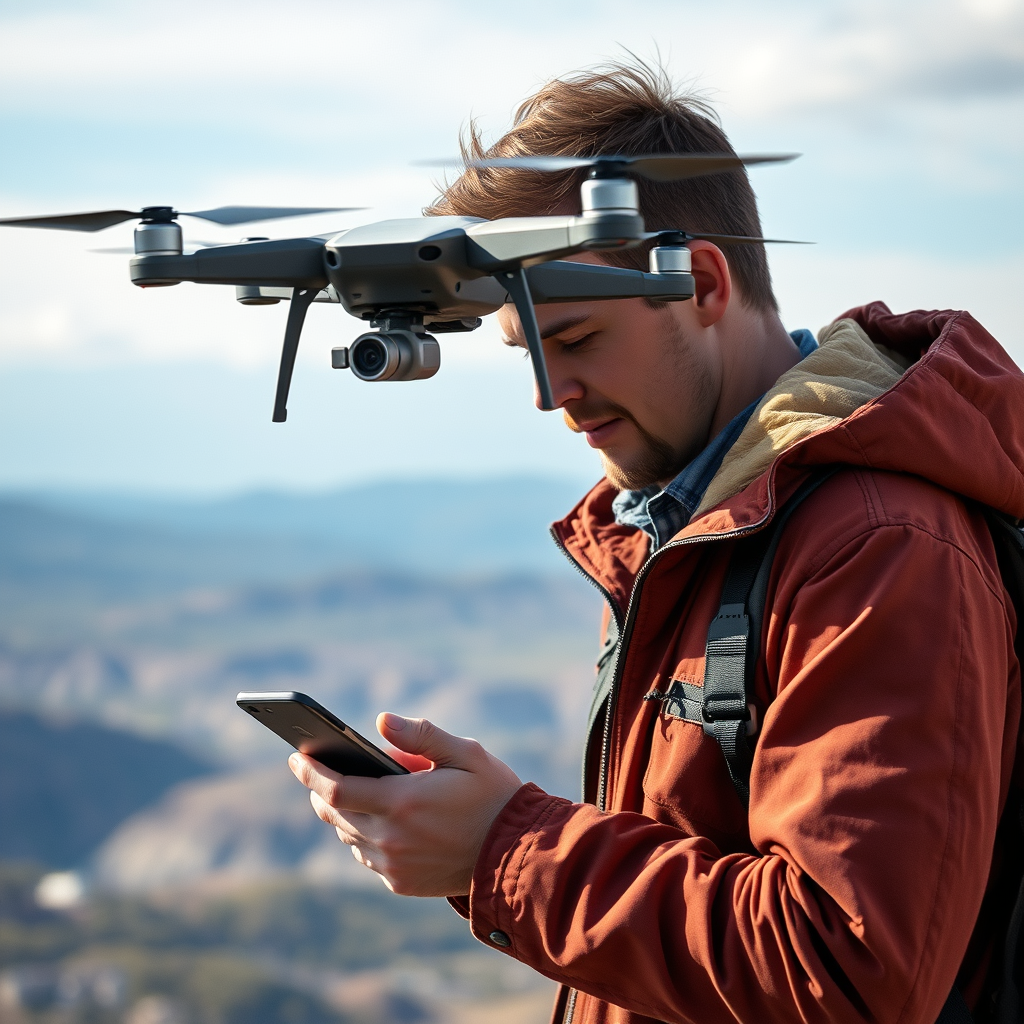
Prior to launching your drone, conducting a thorough pre-flight checklist is essential to ensure that your equipment is in good working order. This includes checking battery levels, ensuring that all propellers are secure, and confirming that the firmware is updated. A well-maintained drone is less likely to encounter technical issues mid-flight, which can lead to accidents or loss of control.
Identifying the location where you plan to fly is also crucial. Research any airspace restrictions in that area, such as proximity to airports, military bases, or national parks, where drone flying may be prohibited. Many applications and websites provide mapping tools to help you understand airspace classifications and any restrictions that may apply. Familiarizing yourself with the terrain will also enable you to anticipate any potential hazards, such as power lines or trees.
Safety Guidelines for Flying Drones
Safety should always be a priority when flying your drone. One fundamental guideline is to maintain visual line of sight with your drone at all times. This means keeping your drone within your direct view without the aid of binoculars or other visual enhancement devices. Maintaining line of sight allows you to react quickly to any unexpected obstacles or issues that may arise during flight.
Additionally, avoid flying near people, buildings, or other aircraft. The FAA recommends maintaining a buffer zone of at least 25 feet from individuals and structures unless you have obtained specific permission. This reduces the risk of accidents, injuries, and property damage. Always be aware of your surroundings, and if you are flying in a populated area, consider using your drone during times when fewer people are present.
Airspace Classification and Permissions
Understanding the different classifications of airspace is vital for ensuring you fly your drone legally. Airspace is generally classified as controlled or uncontrolled, with controlled airspace being more regulated and requiring specific permissions to fly. For instance, flying in Class B airspace—typically surrounding busy airports—requires you to obtain permission from air traffic control.
In addition to understanding airspace classifications, you should also check for Temporary Flight Restrictions (TFRs), which may be in effect due to special events or emergencies. Applications like the FAA’s B4UFLY can be invaluable, providing real-time updates on airspace status and restrictions. If you plan to fly in restricted areas, such as near a stadium during an event, obtaining the necessary permissions well in advance is crucial.
Tips for a Successful Drone Flight
Choosing optimal weather conditions is another critical factor in ensuring a successful drone flight. Calm winds and clear skies are ideal, as adverse weather conditions such as rain, snow, or high winds can affect your drone’s performance and stability. It’s best to check local weather forecasts before flying to ensure that the conditions are suitable.
Moreover, familiarize yourself with your drone’s controls and features before taking off. Many drones come equipped with advanced functionalities such as GPS, automated return-to-home, and obstacle avoidance systems. Understanding how these features work can enhance your flying experience and help you manage any unexpected situations more effectively. If you are a beginner, consider starting in an open area away from people and obstacles to practice your flying skills.
Insurance and Liability Considerations
Before flying your drone, it is wise to consider obtaining drone insurance to protect yourself against potential damages. Insurance can cover a variety of risks, including damage to your drone, third-party liability, and even legal fees if you are involved in an incident. Several companies now offer drone insurance tailored specifically for recreational and commercial pilots, making it easier to find a policy that suits your needs.
Additionally, understanding your liability in case of accidents or violations is essential. For example, if your drone causes damage to property or injures someone, you could be held responsible for the costs associated with those damages. Being aware of these potential liabilities can help you take the necessary precautions while flying and make informed decisions about your insurance needs.
In summary, while you can fly with a drone, it’s essential to adhere to the regulations and guidelines outlined in this article. Familiarize yourself with the relevant laws, conduct thorough pre-flight checks, prioritize safety, and consider insurance options to enjoy a responsible flying experience. By being informed and prepared, you can fully embrace the thrill of drone flying while ensuring compliance and safety.
Frequently Asked Questions
Can I fly with a drone on a commercial flight?
Yes, you can fly with a drone on a commercial flight, but there are specific regulations you need to follow. Most airlines allow drones in carry-on luggage, but you must ensure that the drone’s battery complies with safety regulations—typically, lithium batteries must be under 100 watt-hours. Always check with your airline for their specific policies regarding drones, as some may have additional restrictions.
What are the regulations for flying a drone in different countries?
Drone regulations vary significantly from country to country, so it’s crucial to research the rules of the destination where you plan to fly. Many countries require registration of drones, adherence to altitude limits, and restrictions on flying in populated areas. Always consult the local aviation authority and consider joining a drone community for up-to-date information on international drone laws.
How can I transport my drone safely while traveling?
To transport your drone safely while traveling, use a well-padded, durable case designed for drones to protect it from damage during transit. Additionally, remove the batteries and store them in a separate, approved battery case to comply with airline regulations and minimize fire risks. Label your drone case clearly and keep it easily accessible to avoid delays during security checks.
Why is it important to check local laws before flying my drone?
Checking local laws before flying your drone is essential to avoid legal issues and fines. Many areas have strict regulations regarding drone usage, including flight zones, altitude limits, and no-fly zones, particularly near airports, military installations, and populated areas. Awareness of these laws helps ensure safe flying and protects your investment in the drone.
Which drones are best for traveling?
The best drones for traveling are those that are compact, lightweight, and easy to carry. Models like the DJI Mavic Mini and the DJI Air 2S are popular choices due to their portability, impressive camera capabilities, and long battery life. When choosing a travel drone, consider factors such as flight time, ease of setup, and compatibility with your travel plans to ensure a hassle-free experience.
References
- https://www.faa.gov/uas/getting_started/flyers
- https://www.faa.gov/uas/getting_started/registration
- https://www.faa.gov/uas/advanced_operations/
- https://en.wikipedia.org/wiki/Drone_regulations_in_the_United_States
- https://www.nytimes.com/2020/01/02/technology/drones-faa-regulations.html
- https://www.reuters.com/technology/us-faa-releases-new-drone-rules-2021-01-15/
- https://www.ama-flightschool.com/resources/drone-flying-guide
- https://www.nap.edu/catalog/25306/aircraft-certification-and-drone-operations-in-the-21st-century
- https://www.unc.edu/experiences/flying-with-drones/
