
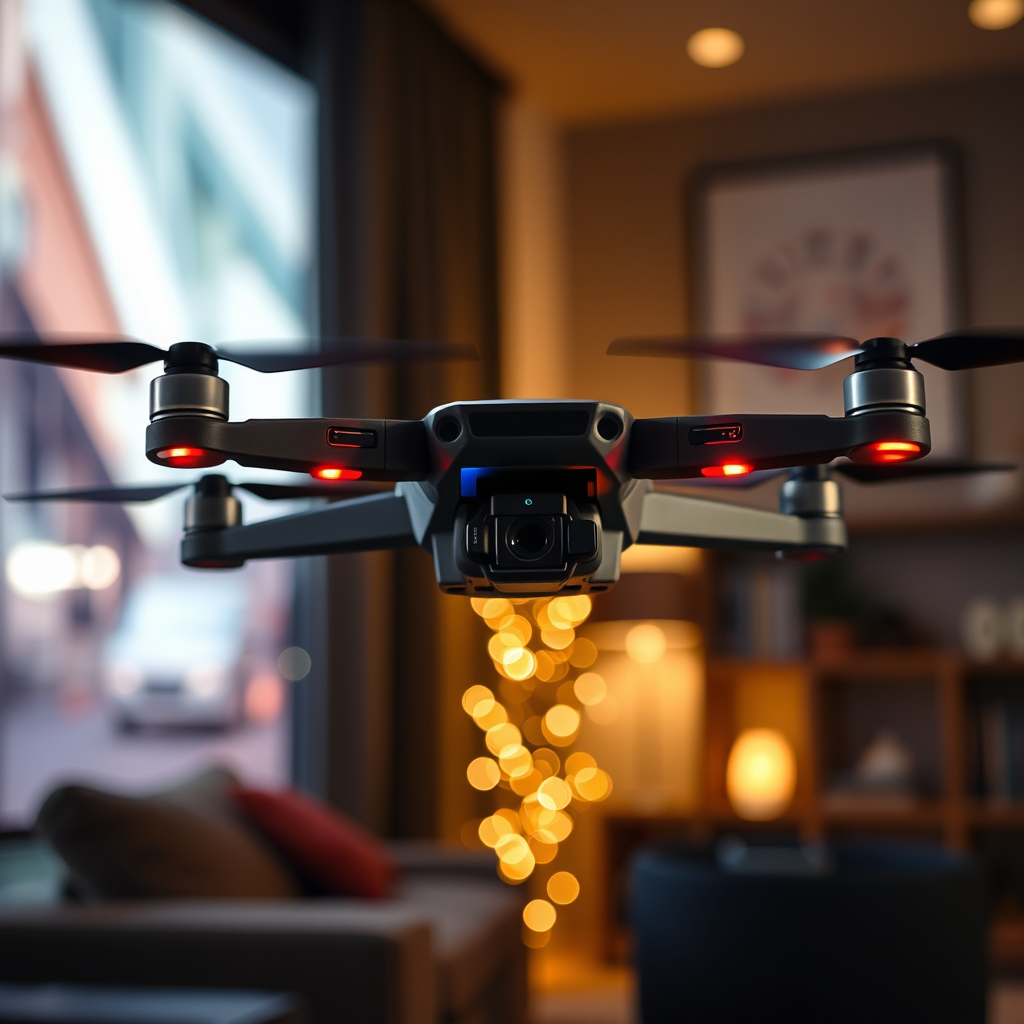

Yes, recreational drones can fly at night, but there are specific regulations and safety considerations to keep in mind. The Federal Aviation Administration (FAA) has established guidelines that govern nighttime operations for drones, ensuring both safety and compliance. This article will explore the legal requirements, necessary equipment, and best practices for flying drones after dark, providing you with a comprehensive understanding of how to navigate this exciting aspect of drone usage.
Understanding FAA Regulations
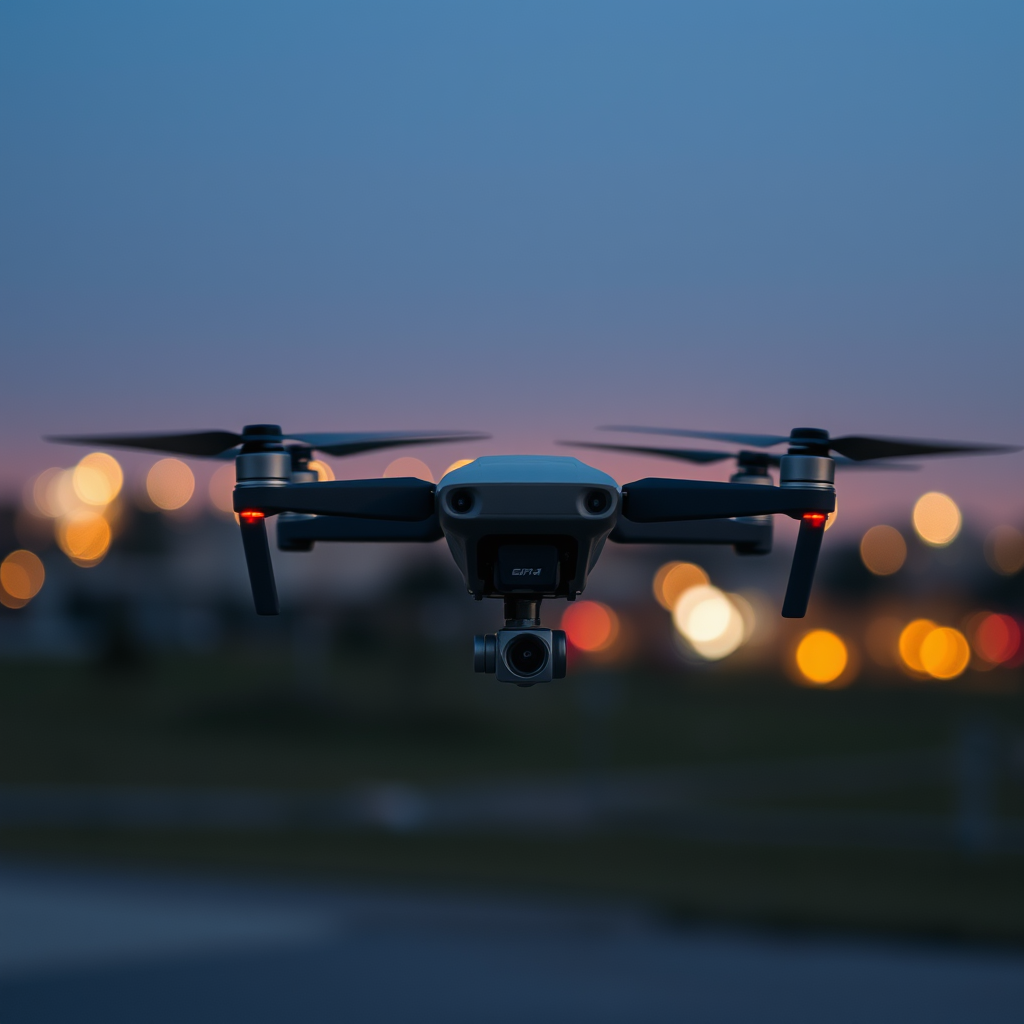
The Federal Aviation Administration (FAA) plays a crucial role in regulating drone flights in the United States, including those conducted at night. According to FAA regulations, drone operators must obtain a Part 107 certification if they intend to fly recreational drones after sunset. This certification demonstrates that the operator has a thorough understanding of airspace regulations, weather conditions, and safe flying practices.
Furthermore, it is important to note that flying at night without proper certification is illegal and can result in significant fines and penalties. The FAA stipulates that night flying operations must be conducted in compliance with specific rules, such as maintaining visual line of sight and adhering to altitude restrictions. Understanding these regulations not only ensures compliance but also enhances the safety of both the operator and the public.
Equipment Requirements for Night Flight
When flying drones at night, equipping your drone with the right safety features is paramount. One of the primary requirements is that drones must have anti-collision lights that are visible from at least three statute miles. These lights help prevent accidents by increasing the drone’s visibility to other aircraft and people on the ground.
Additionally, operators should ensure that the drone’s battery and systems are in optimal condition for night operation. Cold temperatures can adversely affect battery life, so it’s wise to check the battery health and charge level before any nighttime flight. Investing in drones designed for night flying, which often come with enhanced lighting systems and improved sensors, can also improve performance and safety.
Safety Considerations for Night Flying
Safety should always be the top priority when operating drones, especially at night. One critical safety procedure is to maintain visual line of sight with the drone at all times. This is more challenging in low-light conditions, so operators must be especially vigilant. Using a spotter can aid in maintaining situational awareness and can be invaluable in navigating obstacles.
Additionally, it’s essential to be aware of your surroundings. Low-light conditions can obscure potential hazards such as trees, buildings, or power lines. Conducting a thorough pre-flight check of the area, as well as familiarizing yourself with the environment during daylight hours, can reduce risks significantly. Utilizing drones equipped with advanced night vision or thermal imaging technology can also enhance safety by allowing better navigation in darkness.
Local Laws and Restrictions
In addition to FAA regulations, local laws may impose further restrictions on nighttime drone flights. It is crucial to research and understand these local regulations before flying. Some municipalities or states may have specific ordinances that restrict or prohibit nighttime flying in certain areas, particularly near airports, residential neighborhoods, or public events.
Moreover, in some cases, you may be required to notify local authorities or secure special permits to operate a drone at night. Engaging with local drone communities or forums can provide insights into specific local regulations and best practices, ensuring that you remain compliant and respectful of community standards.
Best Practices for Night Drone Flying
When embarking on nighttime drone flights, adopting best practices can significantly enhance the experience and safety. First, choose well-lit areas for your operations to improve visibility and reduce the likelihood of accidents. Familiarizing yourself with the flying environment during daylight will also aid in navigation after dark.
Starting with shorter flights is advisable, especially if you are new to night flying. This approach allows you to build confidence while practicing essential skills without the added pressure of extended operations. Additionally, consider using flight planning apps that provide detailed maps and information about airspace to assist in planning your routes.
Practicing drone maneuvers in controlled environments, such as open fields or designated flying areas, can also help you develop the necessary skills for safe night flying. Furthermore, documenting your experiences and reviewing flight data can provide valuable insights for future flights.
Popular Night Flying Applications
Night flying opens up a range of exciting applications for recreational drone enthusiasts. One of the most popular uses is for nighttime photography and videography. Drones equipped with high-quality cameras and stabilizers can capture stunning images of cityscapes, landscapes, and events illuminated by lights, creating unique visual experiences that are not possible during the day.
Another application is for inspections or monitoring in low-light scenarios. Drones can be employed for surveying properties, inspecting rooftops, or monitoring wildlife activity at night. The ability to capture real-time data in darkness can provide significant advantages in various industries, including real estate, agriculture, and environmental research.
Moreover, some enthusiasts use drones for search and rescue operations, where visibility is essential for locating lost individuals or assessing situations during emergencies. These applications highlight the diverse and innovative ways drones can be utilized at night, expanding the possibilities for recreational users.
In conclusion, while recreational drones can fly at night, it’s essential to comply with regulations, ensure proper equipment, and prioritize safety. By understanding FAA requirements, equipping your drone with necessary lights, and being aware of local laws, you can enjoy the thrill of nighttime flying. Embracing best practices and exploring popular applications will further enrich your experience, allowing you to responsibly enjoy the wonders of the night sky through your drone.
Frequently Asked Questions
Can I legally fly my recreational drone at night?
The legality of flying recreational drones at night varies by country and local jurisdiction. In the United States, the Federal Aviation Administration (FAA) requires that drones must have appropriate lighting for visibility if flown at night. Additionally, pilots need to adhere to the Part 107 regulations, which stipulate that night flying is only permissible for those who have obtained a night waiver. Always check local laws and regulations to ensure compliance.
What are the safety concerns of flying drones at night?
Flying drones at night poses several safety concerns, including reduced visibility, which can increase the risk of collisions with obstacles or other aircraft. Additionally, it can be challenging to maintain visual line-of-sight, a requirement for many drone pilots. To mitigate these risks, ensure your drone is equipped with proper lighting and familiarize yourself with the area beforehand to avoid hazards.
How can I prepare my drone for night flying?
To prepare your drone for night flying, start by equipping it with bright LED lights to enhance visibility. Additionally, ensure that your battery is fully charged, as low light conditions can lead to quicker battery drainage due to increased power usage. Familiarize yourself with the drone’s controls and features in daylight conditions before attempting night flights to ensure you are comfortable navigating in limited visibility.
What are the best practices for flying a recreational drone at night?
Best practices for night flying with recreational drones include checking weather conditions, flying in open areas away from populated regions, and maintaining a clear line of sight at all times. It’s also advisable to fly at a lower altitude to avoid potential collisions and to use your drone’s lights effectively to signal your position. Always be aware of your surroundings and stay informed about any local regulations regarding night flights.
Which recreational drones are suitable for night flying?
Drones that are suitable for night flying typically come equipped with powerful LED lights, good battery life, and stable flight performance. Models such as the DJI Mavic Air 2, DJI Phantom 4, and Autel Robotics EVO Lite are popular choices among recreational pilots due to their reliable features and excellent camera capabilities. When selecting a drone for night flying, consider factors such as flight time, camera quality, and the availability of customizable lighting options.
References
- https://www.faa.gov/uas/getting_started/remote_id
- https://www.faa.gov/uas/resources/policy_library/
- https://www.reuters.com/business/aerospace-defense/faa-finalizes-new-drone-rules-2021-12-16/
- https://www.nytimes.com/2021/12/16/business/drone-rules-faa.html
- https://www.wired.com/story/faa-drone-night-flying-rules/
- https://www.nerdwallet.com/article/small-business/drone-laws
- https://www.aopa.org/go-fly/aircraft-and-ownership/aircraft/aircraft-ownership/drone-regulations
- https://www.bbc.com/news/technology-60961721
