
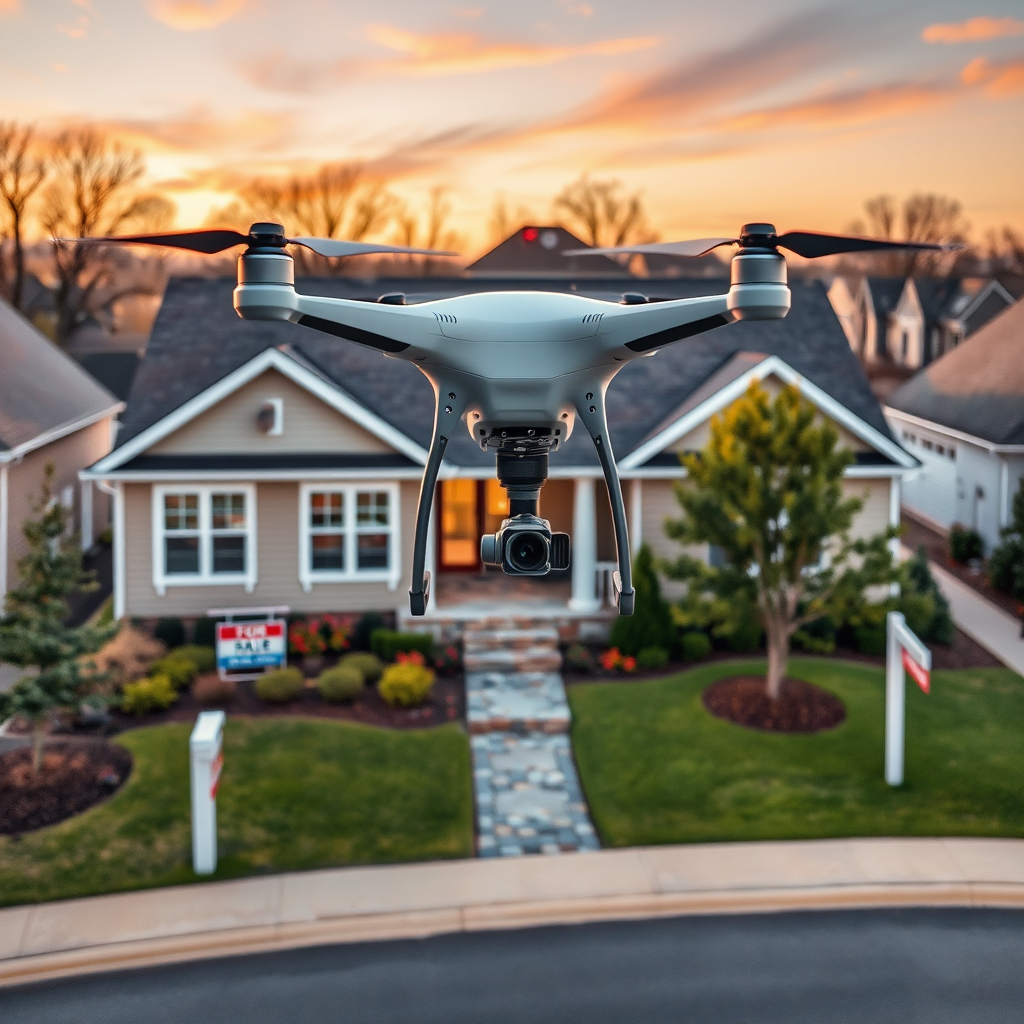
Yes, you can fly a drone over private property in Tennessee, but doing so requires navigating a complex landscape of legal regulations and respecting the rights of property owners. Understanding the legal framework surrounding drone operations is crucial to avoid conflicts and ensure safety. Drones have become increasingly popular for recreational and commercial use, and as their prevalence grows, so do the associated laws and regulations. This article will explore the drone laws specific to Tennessee, property rights concerning airspace, safety and privacy concerns, the importance of neighborly relations, potential consequences for violations, and best practices for flying drones responsibly.
Understanding Drone Laws in Tennessee
Tennessee adheres to the federal regulations established by the Federal Aviation Administration (FAA), which govern drone operations across the United States. The FAA has laid down specific rules for recreational and commercial drone usage, including flight altitude restrictions, registration requirements, and operational guidelines. For instance, drones must generally be flown below 400 feet and must remain within the operator’s line of sight.
However, local laws may vary, and municipalities may impose additional restrictions on drone operations. For instance, some cities may prohibit flying in certain parks or near specific buildings for safety or privacy reasons. Therefore, it is essential for drone operators in Tennessee to research and comply with local ordinances. Utilizing resources such as the Tennessee Department of Transportation’s website can provide valuable insights into specific regulations applicable in your area.
Property Rights and Airspace
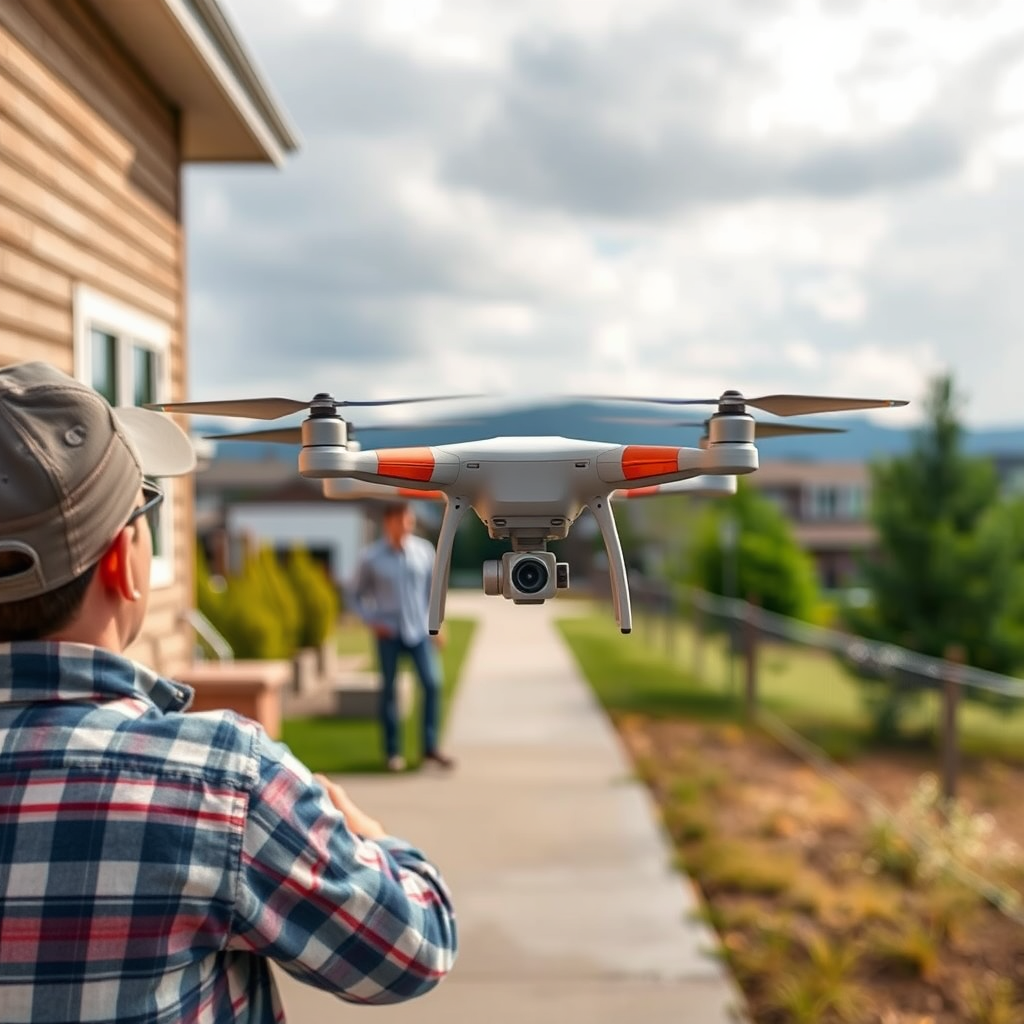
The concept of property rights extends beyond the physical land to include the airspace above it. In Tennessee, private property owners have rights to the airspace above their land, which can create potential conflicts for drone operators. While the FAA governs airspace at a federal level, property owners can assert their rights if drone flights occur at low altitudes, which may be interpreted as intrusive or invasive.
Flying drones at altitudes less than 200 feet above someone’s property can lead to disputes, as this is generally where property owners feel they have control over their airspace. For example, if a drone operator flies over a neighbor’s yard to capture aerial footage, the neighbor may feel uncomfortable or violated, leading to potential confrontations. Therefore, understanding property rights is crucial for drone operators to navigate their legal responsibilities and avoid conflicts.
Safety and Privacy Concerns
The use of drones equipped with cameras has raised significant safety and privacy concerns among property owners and the general public. Drones can inadvertently invade privacy by capturing images or videos of individuals in their homes or private spaces without their consent. Such actions can lead to feelings of discomfort, mistrust, or even fear among those being filmed.
In Tennessee, as in many other states, privacy laws protect individuals from unauthorized surveillance. Drone operators must be cautious about maintaining a respectful distance from private property, especially in residential areas. A good rule of thumb is to avoid flying directly over homes and to keep the drone at a safe distance where it does not intrude on someone’s private space. By being mindful of these concerns, drone operators can foster a more positive relationship with the community and avoid potential legal issues.
Permissions and Neighbor Relations
One of the best practices for drone operators is to seek permission from property owners before flying over their land. Establishing open communication with neighbors can help mitigate misunderstandings and foster community goodwill. For instance, if you’re planning to capture aerial footage for a personal project, consider discussing your intentions with nearby residents. This simple act of courtesy can alleviate concerns and build trust within the community.
Additionally, informing neighbors about the drone’s purpose and the safety measures you are taking can further enhance relations. If neighbors feel informed and respected, they are more likely to be accommodating of your drone operations. Creating an open dialogue can also pave the way for collaborative projects, such as community events or shared aerial photography ventures, that benefit all parties involved.
Consequences of Violating Drone Regulations
Failing to adhere to drone laws and regulations can result in serious consequences, including fines and legal action. The FAA has the authority to enforce penalties against drone operators who violate airspace regulations, fly without proper registration, or operate drones in a dangerous manner. In Tennessee, state laws may also impose additional fines for specific violations related to privacy or property rights.
For example, a drone operator who flies over private property without permission and captures footage for commercial use could face legal action from the property owner, including potential lawsuits for trespassing or invasion of privacy. To avoid such penalties, it is crucial to familiarize yourself with local enforcement practices and remain updated on any changes to state and federal regulations.
Best Practices for Flying Drones
To ensure safe and responsible drone operations, it is essential to follow best practices. First and foremost, always check local laws and airspace restrictions before flying. This can help you avoid unintentional violations and foster a positive relationship with the community.
Utilizing resources like the FAA’s B4UFLY app can provide real-time information on airspace restrictions and weather conditions, making it easier to plan your flights. Additionally, consider joining local drone enthusiast groups or forums, where you can share experiences, gain insights, and learn about the latest regulations from fellow operators.
Finally, maintain good communication with your community. Inform neighbors about your drone activities and be open to addressing any concerns they may have. By prioritizing safety, privacy, and respect for property rights, you can enjoy your drone flying experience while minimizing potential conflicts.
In conclusion, while you can technically fly a drone over private property in Tennessee, it is essential to navigate the legal landscape carefully. Always prioritize safety, privacy, and good neighborly relations when operating your drone. By understanding the laws, respecting property rights, and communicating openly with the community, you can enjoy the many benefits of drone flying while minimizing risks and fostering positive relationships with those around you.
Frequently Asked Questions
Can you legally fly a drone over private property in Tennessee?
In Tennessee, the law permits you to fly a drone over private property as long as you adhere to federal regulations set by the Federal Aviation Administration (FAA). However, it is crucial to respect the privacy of individuals on that property; flying a drone too low or capturing images without consent may lead to legal issues. Always ensure you’re flying at a safe altitude and be aware of any local ordinances that could restrict drone usage.
What are the privacy concerns associated with flying a drone over private property in Tennessee?
Privacy concerns arise when drones capture images or videos of individuals without their consent while flying over private property. In Tennessee, property owners may feel their privacy is invaded, which could lead to disputes or legal actions. To mitigate these concerns, you should avoid hovering over residential areas and be mindful of not capturing images of people or private spaces without permission.
How high can I fly my drone over private property in Tennessee?
In Tennessee, drones must be flown at or below 400 feet above ground level, as per FAA regulations. This height restriction is in place to ensure safety and avoid conflicts with manned aircraft. When flying over private property, staying within this altitude not only complies with the law but also minimizes disturbances to the property owners and their activities.
What should I do if a property owner requests me to stop flying my drone over their land in Tennessee?
If a property owner requests you to stop flying your drone over their land in Tennessee, it is best to comply with their request to avoid potential confrontations or legal issues. Even though you may be legally allowed to fly over their property, respecting their wishes demonstrates good drone etiquette and helps maintain a positive relationship with the community. Consider finding alternative flying locations or adjusting your flight path to honor their privacy.
Are there any permits required to fly a drone over private property in Tennessee?
Generally, no special permits are required to fly a drone over private property in Tennessee, as long as you comply with FAA regulations. However, if you’re using your drone for commercial purposes, such as photography or surveying, you will need to obtain a Part 107 certification from the FAA. Additionally, always check for any local laws or city ordinances that may impose specific restrictions or require permits for drone usage in certain areas.
References
- https://www.faa.gov/uas/getting_started/know_before_you_fly
- https://www.tn.gov/safety/section-1/faq/drone-use-in-tennessee.html
- https://www.wbir.com/article/news/local/tennessee-drone-laws/51-6c6c6b3f-df59-4f5e-bd5b-2d5c99c6b8d5
- https://www.nolo.com/legal-encyclopedia/flying-drones-private-property-29752.html
- https://www.tennessean.com/story/news/2020/05/20/drone-laws-tennessee-what-you-need-know/5215764002/
