
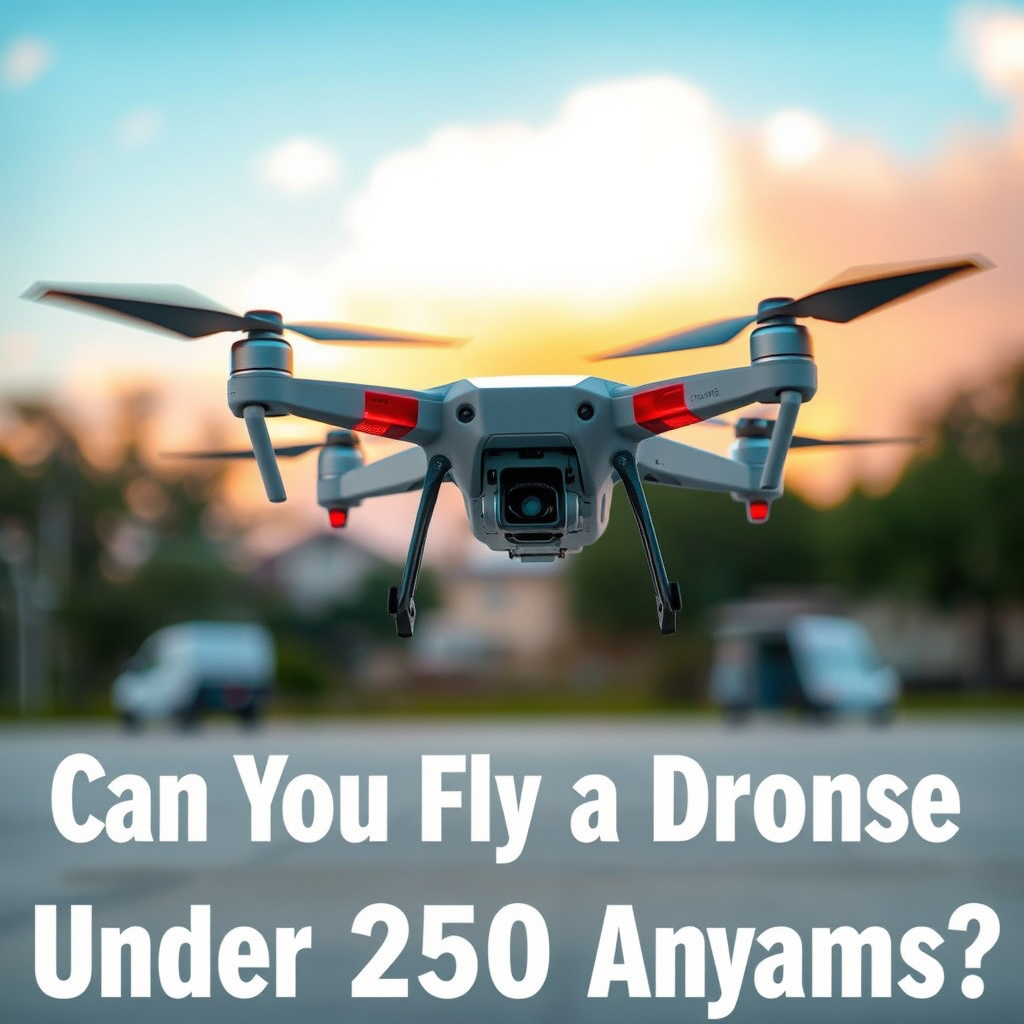
Yes, you can generally fly a drone under 250 grams in many locations, but there are specific regulations and guidelines that may apply depending on the area. Understanding these regulations is crucial to ensuring a responsible and enjoyable drone flying experience. Lightweight drones, often considered less intrusive, can provide a more accessible entry point for hobbyists while still necessitating awareness of local laws and safety practices.
Understanding Drone Weight Regulations
Drones under 250 grams frequently benefit from more lenient regulations compared to their heavier counterparts. In many jurisdictions, these lightweight drones are classified as toys rather than commercial UAVs (Unmanned Aerial Vehicles), which can exempt them from extensive licensing and operational requirements. For instance, in the United States, the Federal Aviation Administration (FAA) has established a framework that enables hobbyists to fly lighter drones without the need for formal registration, provided they comply with specific operational guidelines.
However, the classification of drones can vary by country. In Canada, for example, drones weighing between 250 grams and 1 kilogram fall under the basic operations category, which still requires the pilot to complete a safety test and register the drone. Understanding these nuances is essential for any drone enthusiast, as they can influence where and how you can fly.
Local Laws and Restrictions

While flying a drone under 250 grams is often permissible, local laws and restrictions must be taken into account. Regulations can vary significantly from one region to another, and it is the drone operator’s responsibility to ensure compliance. For example, urban areas may have specific no-fly zones where drone operations are prohibited, such as near airports, government buildings, and crowded public spaces.
In some countries, national parks and wildlife preserves may also impose restrictions on drone flights to protect natural habitats and ensure safety. Therefore, before launching your drone, it is prudent to consult local authorities or online resources that outline specific laws governing drone operations in your area. Utilizing apps designed for drone pilots can also help identify no-fly zones and provide real-time information on airspace restrictions.
Benefits of Flying Lightweight Drones
Flying drones under 250 grams presents several advantages, particularly for those new to the hobby. One of the primary benefits is their portability; lightweight drones are typically easier to transport, making them ideal for outdoor adventures, travel, and casual use. Their compact size allows for convenient storage, whether in a backpack or a small carry-on bag.
Additionally, the reduced weight often means that these drones require minimal registration and fewer permissions, allowing pilots to enjoy a more streamlined experience. This can be especially appealing for recreational users who want to fly without navigating complex regulatory landscapes. Furthermore, many lightweight models are designed to be user-friendly, featuring intuitive controls and automatic stabilization, which can enhance the flying experience for beginners.
Potential Limitations of Under 250 Grams Drones
Despite the advantages, drones under 250 grams come with certain limitations that users should be aware of. One significant drawback is their flight time and range; lighter drones often have smaller batteries, which can lead to shorter operational periods. While many models can fly for approximately 20 to 30 minutes on a single charge, heavier drones may offer significantly longer flight durations and greater distances.
Moreover, lighter drones may lack the advanced features of their heavier counterparts. Features such as high-definition cameras, obstacle avoidance systems, and extended range capabilities are more commonly found in larger drones. This means that while lightweight drones are excellent for casual flying and basic photography, they may not meet the needs of serious drone enthusiasts or professionals seeking high-quality aerial footage.
Safety Considerations
Safety should always be a top priority when flying any drone, regardless of weight. Lightweight drones may be less imposing, but they can still pose risks to people, wildlife, and property. It is crucial to follow best practices for drone safety, including maintaining a safe distance from populated areas, avoiding flying over crowds or private property, and steering clear of emergency response operations.
Respecting privacy is equally important. Drone operators should ensure they are not capturing images or videos of individuals without their consent. In many regions, privacy laws may apply, and violating these can lead to legal repercussions.
Additionally, operators should familiarize themselves with their drone’s capabilities and limitations. Understanding how to control the drone in different weather conditions and knowing when to avoid flying—such as during high winds or rain—can significantly enhance safety.
Recommended Practices for Flying
To ensure a successful drone experience, several recommended practices should be followed. First, take the time to familiarize yourself with the drone’s controls before attempting to fly. Most manufacturers provide comprehensive manuals and tutorial videos; utilizing these resources can help you understand your drone’s features and how to operate it safely.
Using appropriate safety gear is also crucial. While drones under 250 grams are smaller and less dangerous than larger models, wearing protective eyewear can help shield your eyes in case of a malfunction. Additionally, conducting a pre-flight check to ensure that all components are functioning correctly can prevent accidents.
After ensuring you are well-versed in your drone’s operation, consider joining local drone flying clubs or online communities. These platforms can provide valuable insights, tips, and updates on regulations. Engaging with fellow enthusiasts can enhance your knowledge and help you stay informed about any changes in local laws or safety practices.
In conclusion, while flying a drone under 250 grams is generally permissible in many areas, it’s essential to be aware of and comply with local regulations to ensure a safe and enjoyable experience. By understanding the weight regulations, local laws, and safety practices, drone operators can responsibly navigate the skies. As the popularity of drones continues to grow, staying informed and adhering to best practices will enhance your flying experience while maintaining safety for yourself and others.
Frequently Asked Questions
What are the regulations for flying a drone under 250 grams?
Drones weighing under 250 grams are often classified as “micro drones” and benefit from less stringent regulations in many countries. In the United States, for example, the Federal Aviation Administration (FAA) allows these drones to be flown without registration, provided you adhere to basic safety guidelines, such as avoiding flying near airports, crowds, and restricted airspace. However, it’s essential to check local laws, as regulations can vary significantly by location.
How do I know if my drone is under 250 grams?
To determine if your drone qualifies as a lightweight model under 250 grams, you should weigh it using a digital scale before flying. This weight should include the drone itself along with all accessories such as batteries and attachments. If it exceeds 250 grams, you may need to follow more stringent regulations, including registration with aviation authorities.
Why is flying a drone under 250 grams advantageous?
Flying a drone under 250 grams offers several advantages, including reduced regulatory burdens, which means you can enjoy more freedom in where you can operate your drone. This weight class typically allows for easier transport and handling, making it ideal for casual users or beginners. Additionally, many manufacturers focus on creating user-friendly and versatile drones in this category, providing excellent options for recreational flying.
What are the best drones available under 250 grams?
Some of the best drones under 250 grams include the DJI Mini 2, the Holy Stone HS720E, and the Potensic D80. These models are highly rated for their camera quality, flight stability, and ease of use, making them ideal for both beginners and seasoned pilots. When choosing a drone, consider factors like battery life, camera specifications, and integrated safety features to find the best fit for your needs.
Which areas should I avoid when flying a drone under 250 grams?
When flying a drone under 250 grams, it’s crucial to avoid areas such as airports, military bases, and other restricted airspaces, which may pose safety risks or legal issues. Additionally, you should minimize flying over large crowds, private property, and wildlife, as this can lead to privacy concerns or potentially disturb animals. Always check local regulations and consult maps or apps that provide information on no-fly zones to ensure safe and compliant flying.
