
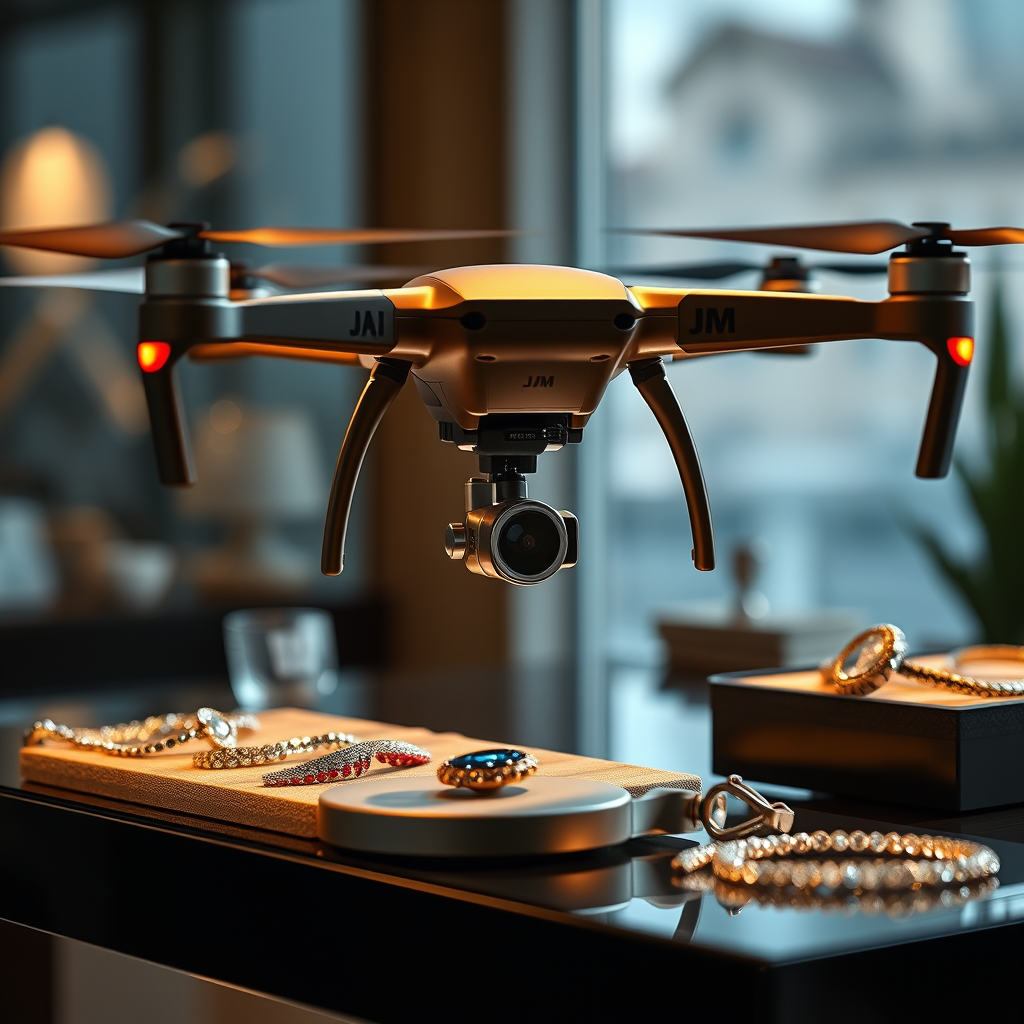
Yes, you can jam a drone, but it’s illegal in many places and can lead to serious consequences. Jamming involves the disruption of communication signals between a drone and its controller, typically achieved through specialized equipment designed to emit interference on the same frequency. However, before considering such actions, it’s vital to understand the implications, legality, and potential consequences associated with jamming drones.
Understanding Drone Communication
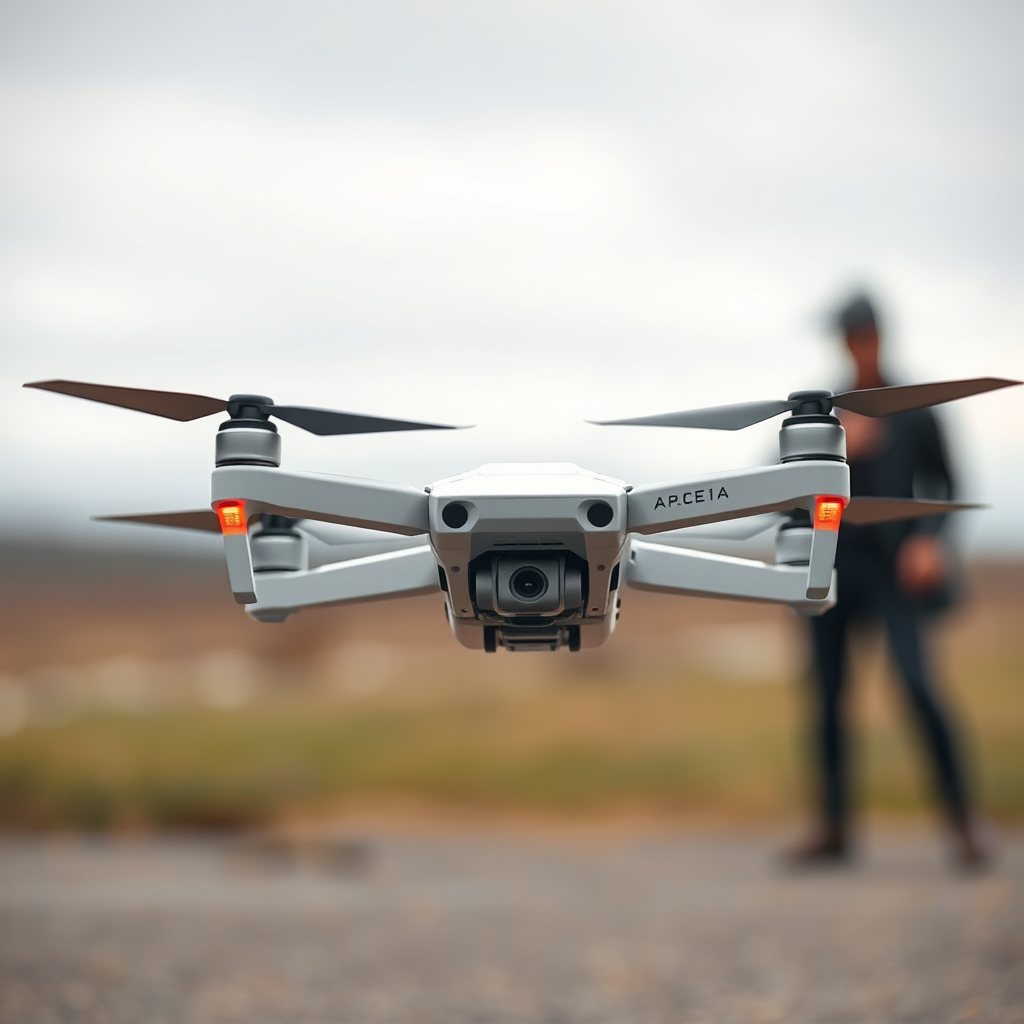
Drones, or unmanned aerial vehicles (UAVs), rely on radio frequencies to communicate with their operators. This communication is essential for directing the drone’s movements, receiving telemetry data, and ensuring safe operation. The frequencies used can vary widely, with common bands including 2.4 GHz and 5.8 GHz, among others. Each drone model may operate on different frequencies, making some drones more vulnerable to jamming than others. For instance, consumer drones like the DJI Phantom series often use these common bands, while military-grade drones may employ more sophisticated, encrypted communication methods. Consequently, understanding the specific communication protocol of a drone can influence the feasibility of jamming efforts.
What Is Jamming?
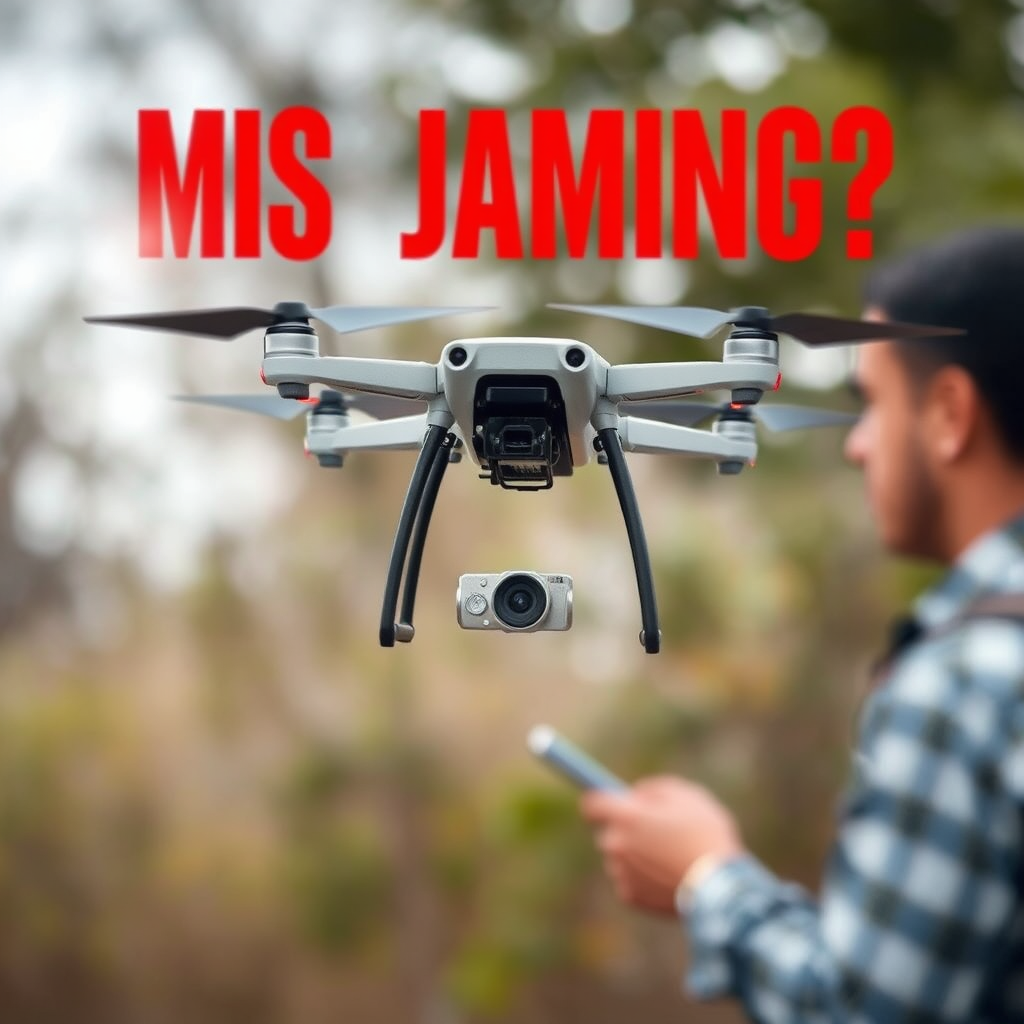
Jamming refers to the intentional disruption of radio signals, rendering communication between a drone and its controller ineffective. This disruption can be achieved through various means, including the use of signal jammers that broadcast noise on the same frequency used by the drone. When jamming occurs, the drone may lose its ability to receive commands, leading to a range of potential outcomes: it could hover in place, enter a failsafe mode, or attempt to return to its home point autonomously. While some individuals may consider jamming a drone as a method to regain privacy or control airspace, the practice raises significant ethical and legal questions.
Legal Implications of Jamming Drones
The legal landscape surrounding drone jamming is complex and varies by jurisdiction. In the United States, for example, the Federal Communications Commission (FCC) strictly prohibits the use of jamming devices under Title II of the Communications Act. This regulation is in place to protect public safety and ensure that critical communication channels remain operational. Violating these laws can lead to severe penalties, including hefty fines that can reach thousands of dollars, and even criminal charges in extreme cases. Internationally, many countries have similar regulations, emphasizing the importance of understanding local laws before considering any jamming activities.
Alternatives to Jamming Drones
Rather than resorting to jamming, various legal and safe alternatives exist for managing unwanted drone activity. Anti-drone technology has emerged as a viable solution to disable drones without resorting to jamming. For example, systems that utilize net capture technology can physically ensnare a drone, bringing it safely to the ground without damaging it. Additionally, employing detection systems that alert property owners to drone presence can help mitigate privacy concerns. Physical barriers, such as mesh nets or drone-proof enclosures, can also be effective in preventing unauthorized drone access to sensitive areas. These alternatives not only comply with legal standards but also provide a more ethical approach to managing drone interactions.
Risks and Consequences of Jamming
Jamming a drone not only poses legal risks but can also lead to unintended safety consequences. Interfering with a drone’s communication signals may inadvertently disrupt other critical communications, such as those used in emergency services or aviation. This raises significant safety concerns, especially in populated areas or near airports. Additionally, the potential legal repercussions of jamming can affect not only the individual jamming the drone but also their personal and professional life. A criminal record resulting from jamming could hamper career opportunities, tarnish reputations, or lead to civil liabilities.
Industry Perspectives on Drone Jamming
Within various industries, there are differing perspectives on the use of jamming technology. Some sectors, such as security and defense, advocate for the controlled use of jamming in specific contexts, such as protecting sensitive facilities from espionage or unauthorized surveillance. However, industry experts debate the ethical implications of using jamming technology, particularly concerning civil liberties and privacy rights. The discussion often centers around balancing security needs with the potential for misuse of jamming technologies. Engaging in these conversations is crucial for developing responsible regulations that protect both public safety and individual freedoms.
In summary, the conversation surrounding drone jamming is multifaceted, blending technical, legal, and ethical considerations. While the technology to jam drones exists, the associated risks and consequences make it a precarious choice. For individuals and organizations concerned about drone activity, it is advisable to explore legal alternatives that ensure compliance with regulations while addressing safety and privacy concerns. Consulting with professionals who specialize in drone management and security can provide tailored solutions that respect both the law and individual rights.
Frequently Asked Questions
Can you legally jam a drone in the United States?
No, jamming a drone is illegal in the United States under the Communications Act of 1934. The Federal Communications Commission (FCC) prohibits the use of jamming devices, as they interfere with authorized radio communications, which can pose safety risks. Instead, consider contacting local authorities or utilizing legal counter-drone measures if you have concerns about a drone operating in your area.
How do drones work, and why might someone want to jam them?
Drones operate using radio signals between the aircraft and the remote controller, often utilizing GPS for navigation. Individuals may want to jam drones due to privacy concerns, unauthorized surveillance, or safety issues, especially in sensitive areas. However, it’s important to understand that jamming can lead to unintended consequences, including disrupting legitimate communications and emergency services.
What are the risks associated with attempting to jam a drone?
Attempting to jam a drone can result in significant legal repercussions, including hefty fines and potential criminal charges. Additionally, jamming signals can create safety hazards, potentially causing drones to crash or malfunction, which may endanger people or property on the ground. It is advisable to seek lawful alternatives for addressing concerns about drones instead of resorting to jamming.
Which alternatives exist for dealing with unwanted drones?
Instead of jamming, individuals can utilize various legal counter-drone technologies, such as drone detection systems that alert users to the presence of drones. Additionally, deploying drone nets or utilizing trained falcons for drone removal are innovative methods gaining popularity. Always ensure that any action taken complies with local laws and regulations.
Why is it important to understand drone jamming laws?
Understanding drone jamming laws is crucial to avoid legal issues and ensure safe interactions with drone technology. As drone usage increases, so do concerns about privacy and security, making it essential to know the appropriate legal channels for addressing these issues. Educating yourself about the laws can help you effectively protect your rights while remaining compliant and safe.
References
- https://en.wikipedia.org/wiki/Drone_jamming
- https://www.faa.gov/uas/resources/policy_library/
- https://www.nytimes.com/2022/05/25/us/drone-jamming.html
- https://www.theguardian.com/us-news/2021/jul/15/drone-jamming-technology-security
- https://www.rand.org/pubs/research_reports/RR2644.html
- https://www.sciencedirect.com/science/article/pii/S1386372316300234
- https://www.ncbi.nlm.nih.gov/pmc/articles/PMC7835095/
- https://www.wired.com/story/why-drone-jamming-is-a-bad-idea/
- https://www.fcc.gov/document/fcc-seeks-input-drone-jamming-regulations
