
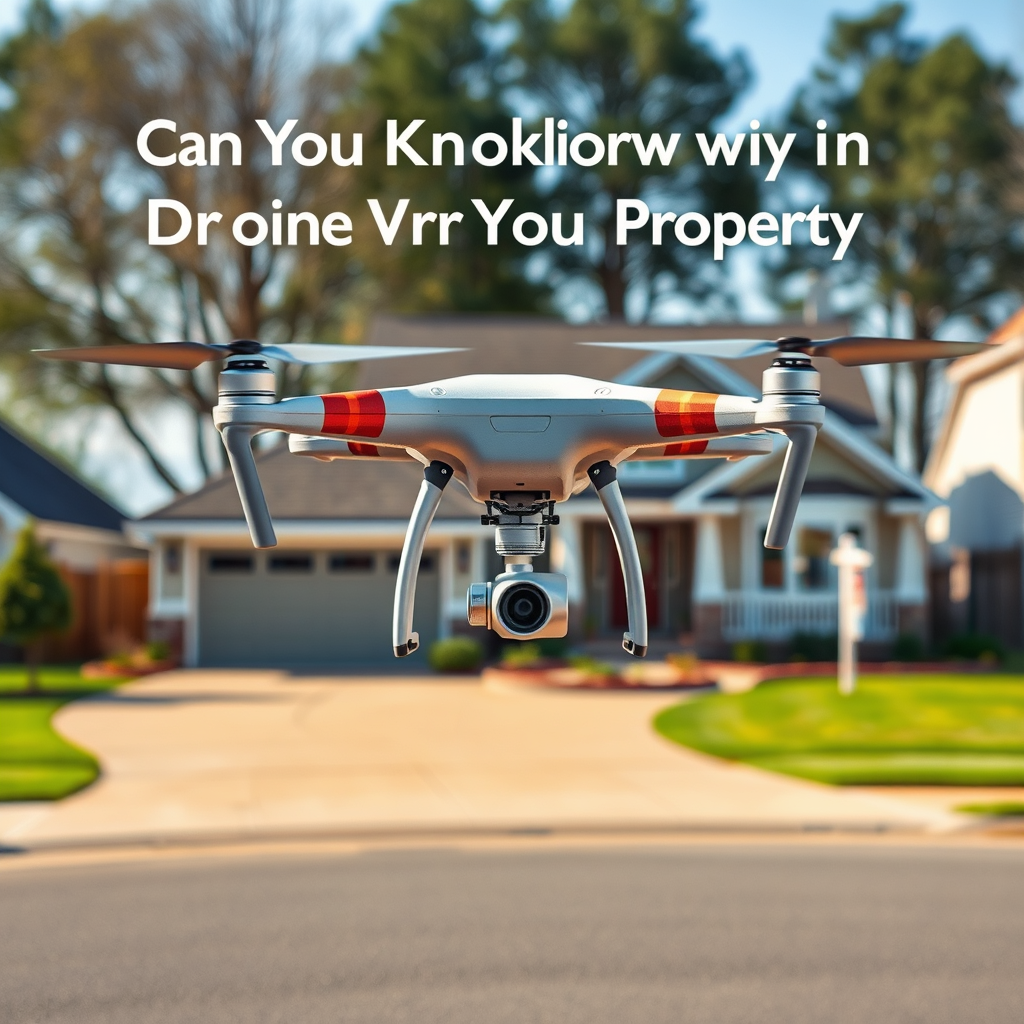
Yes, you can knock down a drone over your property, but doing so can lead to legal consequences. It’s crucial to understand the complex interplay between drone operation laws and property rights before taking any action. Engaging with a drone in this manner may seem like a straightforward solution to a perceived invasion of privacy, but it can expose you to significant legal risks. This blog post will delve into the regulatory framework governing drone operations, the nuances of property rights, potential legal repercussions, and alternative actions you can take if you find a drone hovering over your land.
Understanding Drone Laws
Federal Aviation Administration (FAA) regulations govern drone flights in the U.S., stipulating that drones are classified as aircraft. This classification imposes specific restrictions on how they can be operated, including where they can fly. According to FAA guidelines, drones must not fly above 400 feet in uncontrolled airspace and should maintain a visual line of sight with the operator. Notably, these regulations do not grant property owners the right to physically interfere with drone operations.
In 2016, the FAA implemented the Small UAS Rule (Part 107), which established guidelines for commercial drone operators. These regulations require drone pilots to obtain a Remote Pilot Certificate and adhere to safety protocols. While these laws aim to ensure safe drone operation, they also create a framework that does not support physical interference with drones, including knocking them down. Understanding these regulations is essential for anyone contemplating actions against a drone in their airspace.
Property Rights and Airspace
Property owners have rights to the airspace directly above their property, but this right is not absolute. Legal precedents indicate that property rights extend only to the “immediate reaches” of the airspace, which generally means the first few hundred feet above the ground. Beyond this “navigable airspace,” federal law governs air traffic, including drone flights. The “navigable airspace” rule allows drones to operate legally over private property without constituting trespassing, provided they adhere to FAA guidelines.
This distinction is important because it sets the stage for understanding what actions property owners can take. If a drone is flying within the navigable airspace and following FAA regulations, attempting to knock it down could be considered a violation of federal law, as well as an infringement on the drone operator’s rights. Thus, property owners must tread carefully when addressing issues related to drones in their vicinity.
Legal Consequences of Interference
Interfering with a drone can result in significant legal consequences, including civil lawsuits and potential criminal charges. If you damage a drone while attempting to bring it down, the drone operator may pursue a lawsuit for property damage. Drones are often expensive pieces of equipment, and the cost to repair or replace a damaged drone can be substantial.
Moreover, if the action is deemed reckless or harmful, you could face criminal charges. Federal laws, including the Aircraft Sabotage Act, make it illegal to destroy or damage an aircraft, which includes drones. Such actions could lead to serious legal ramifications, including fines or even imprisonment, depending on the severity of the interference.
In addition to potential legal action from the drone owner, you may also face civil liability claims from third parties if your actions inadvertently cause harm to individuals or property nearby. Thus, it is advisable to weigh all possible outcomes before considering any physical response to a drone.
Alternatives to Knocking Down a Drone
Instead of resorting to physical interference, there are several alternative measures that property owners can consider when faced with an intrusive drone. One option is to use technology designed to disrupt drone operations, such as signal jammers. However, it is crucial to note that the use of jamming devices is illegal in many jurisdictions, as it can interfere with legitimate communications and pose safety risks.
A more legally sound alternative is to report the drone’s presence to local authorities or law enforcement. Many police departments have established protocols for handling drone-related complaints, particularly if you suspect the drone is being used for illicit purposes, such as surveillance or invasion of privacy. Providing detailed information about the drone’s activity and any identifying features can aid law enforcement in addressing the situation effectively.
Additionally, engaging with the drone operator—if identifiable—may lead to a resolution. Many drone operators are unaware of the discomfort their activities may cause to others and might be willing to adjust their flight patterns or avoid flying over private property altogether.
Steps to Take if You Spot a Drone
If you spot a drone hovering over your property, it is essential to document its activity thoroughly. Take clear photos and videos of the drone, noting its flight path, altitude, and duration of presence. This documentation can be crucial if you decide to take further action, such as filing a complaint or seeking legal advice.
Once you have gathered evidence, contact local authorities to report any suspicious or invasive behavior. Provide them with the documentation you collected, as it can help law enforcement take appropriate action. Depending on the circumstances, they may be able to contact the drone operator or investigate further.
It’s also advisable to familiarize yourself with local ordinances related to drone usage. Some municipalities have enacted specific regulations governing where and how drones can operate, and being informed can bolster your case if you choose to file a complaint.
When to Consult Legal Advice
If you feel your privacy is being violated by a drone, it may be wise to consult with a legal professional who specializes in aviation law or property rights. An attorney can help you understand your rights and options, including whether you have grounds for a legal claim against the drone operator.
Additionally, if you are considering taking any action that may interfere with a drone’s operation, seeking legal guidance can help you navigate the complex legal landscape. Understanding the implications of your actions can prevent costly legal mistakes and ensure you act within your rights.
In situations where a drone is used for surveillance or other invasive purposes, legal counsel can advise on the best course of action, whether through local law enforcement or civil legal avenues.
In summary, while you may feel justified in knocking down a drone over your property, it is crucial to consider the legal implications and explore alternative solutions. Understanding drone laws, property rights, and the potential consequences of interference can help you navigate these complex situations safely and legally. Always prioritize safety and legal compliance when dealing with drone-related issues, and remember that there are often more constructive ways to address your concerns.
Frequently Asked Questions
Can I legally knock down a drone flying over my property?
In many jurisdictions, you cannot legally knock down a drone that is flying over your property. Drones are classified as aircraft, and interfering with them can lead to legal consequences, including fines or criminal charges. It’s essential to check local laws and regulations regarding drone usage before considering any action.
What should I do if a drone is invading my privacy?
If a drone is invading your privacy, the first step is to document the incident, including the drone’s appearance and flight path. You can report the drone to local authorities or law enforcement, especially if it is violating privacy laws or flying in restricted airspace. Additionally, consider discussing the issue with the drone operator, if known, to resolve it amicably.
How can I protect my property from unwanted drones?
To protect your property from unwanted drones, consider installing privacy screens or netting to hinder the drone’s line of sight. You can also use technology, such as drone detection systems, which alert you when a drone is nearby. Lastly, familiarize yourself with local laws to understand your rights regarding aerial privacy.
Why do drones fly over private property?
Drones may fly over private property for various reasons, including photography, surveying, or recreational purposes. Some drone operators may not be aware of the legal boundaries regarding airspace and privacy. Understanding these motivations can help property owners address their concerns more effectively and engage with drone operators to find a solution.
What are the best practices for reporting a nuisance drone?
The best practices for reporting a nuisance drone include documenting the incidents with video or photographic evidence, noting the time, date, and location of the drone activity. Contact your local law enforcement or aviation authority to file a report, providing them with all relevant details. Familiarizing yourself with local drone regulations can also help strengthen your case when reporting the issue.
References
- https://www.wired.com/story/drone-laws-2021/
- https://www.nytimes.com/2020/09/22/us/drones-property-rights.html
- https://www.faa.gov/uas/getting_started/
- https://www.theguardian.com/us-news/2021/jun/03/drone-privacy-laws
- https://www.privacyinternational.org/report/3351/your-drones-are-watching-you
- https://www.nolo.com/legal-encyclopedia/drone-use-property-rights-32253.html
- https://www.aclu.org/news/privacy-technology/what-you-need-know-about-drone-privacy-rights
