
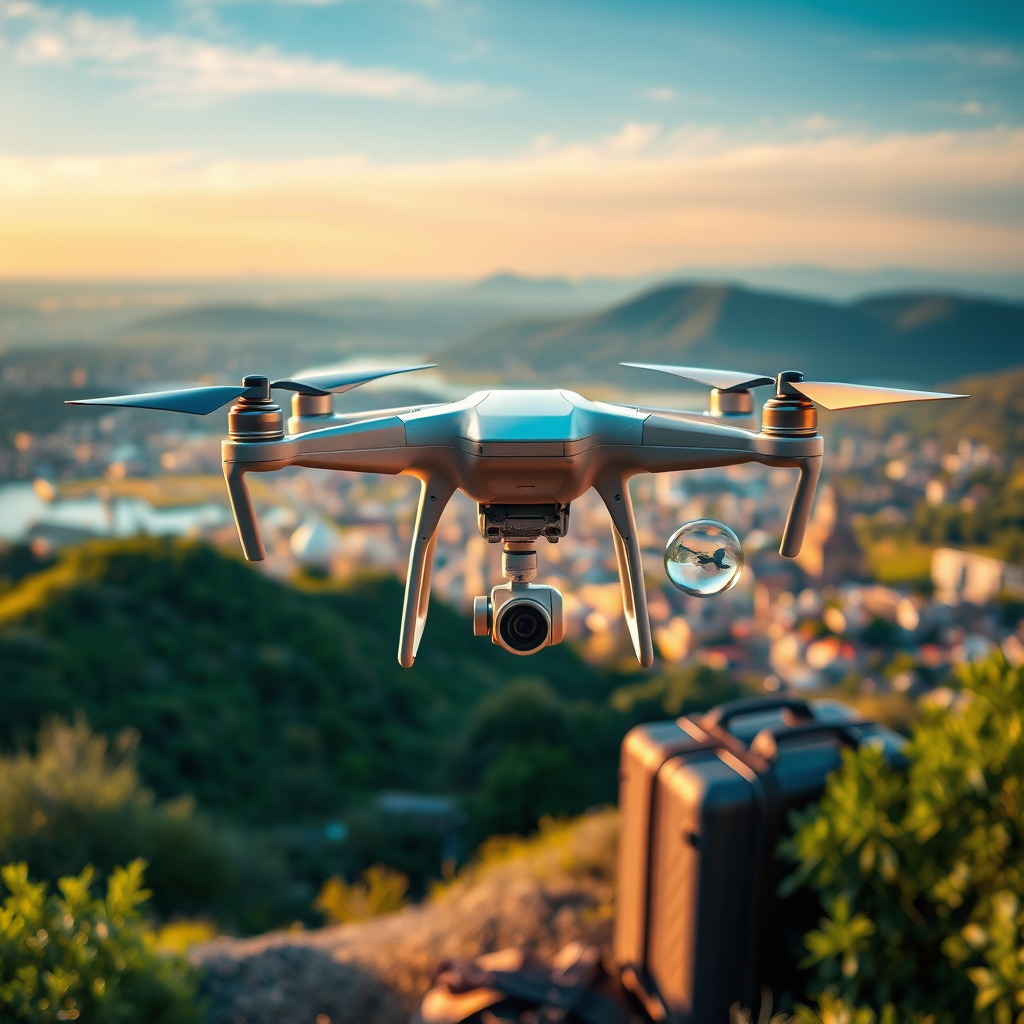
Yes, you can see some drones on Flightradar24, but it depends on several factors such as the drone’s type and flight regulations. Flightradar24 primarily tracks manned aircraft, and while certain drones are equipped with transponders that comply with aviation standards, many consumer drones remain invisible on this platform. This article will delve into the specifics of drone visibility on Flightradar24, the technology involved, and the regulations that impact what you can and cannot see.
Understanding Flightradar24
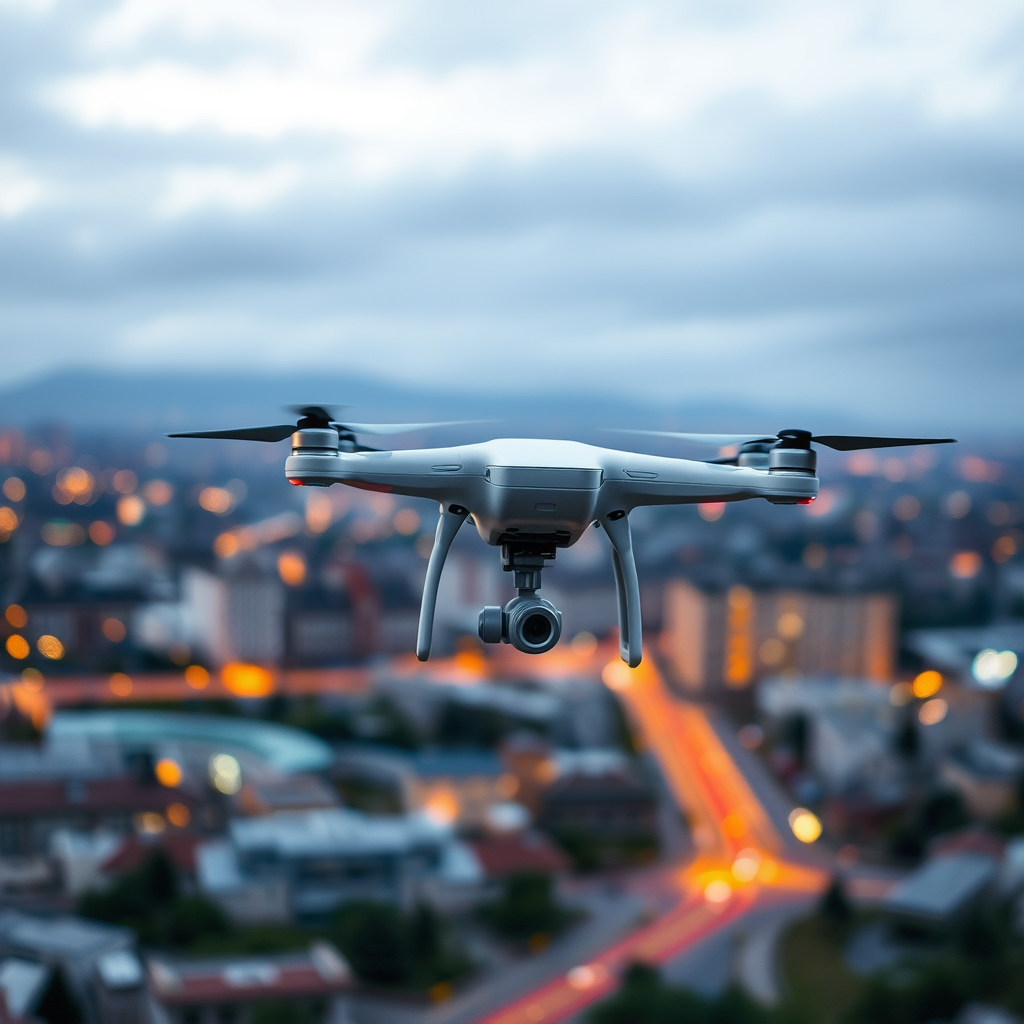
Flightradar24 is a global flight tracking service that utilizes Automatic Dependent Surveillance–Broadcast (ADS-B) technology to monitor and display the real-time positions of aircraft around the world. This platform has become increasingly popular among aviation enthusiasts, professionals, and the general public due to its user-friendly interface and comprehensive data. Flightradar24 primarily tracks commercial and general aviation aircraft, making it an invaluable tool for those interested in air travel.
It is important to note that while Flightradar24 excels in tracking manned aircraft, recreational drones typically fall outside its surveillance capabilities. The service relies on data transmitted by ADS-B, which is predominantly used by larger aircraft. Hence, understanding the limitations of Flightradar24 is crucial for anyone seeking to track drone activity specifically.
Types of Drones and Their Tracking
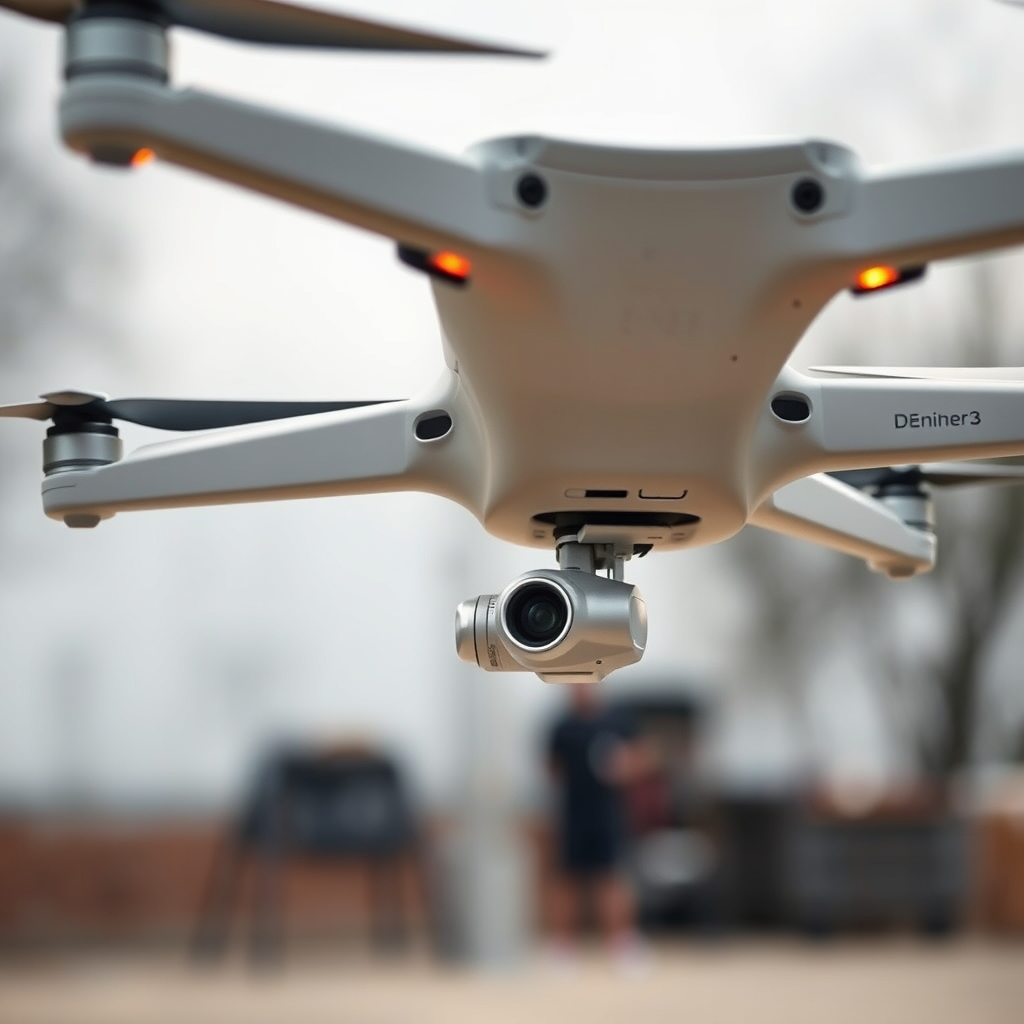
The visibility of drones on Flightradar24 largely hinges on the type of drone and its equipment. Drones equipped with ADS-B transmitters can indeed appear on Flightradar24. These are usually larger, commercially operated drones used for purposes such as surveying, agriculture, or even cargo delivery. For example, companies like Amazon and UPS are exploring the use of delivery drones that are likely to have transponders installed to comply with aviation regulations, thereby making them trackable on platforms like Flightradar24.
Conversely, the vast majority of consumer drones, such as those manufactured by DJI or Parrot, do not possess the necessary transponder technology required for tracking. As a result, these smaller drones remain invisible on tracking platforms and are often operated at lower altitudes, further complicating their detection through standard air traffic monitoring systems.
Regulations Affecting Drone Visibility
The visibility of drones on Flightradar24 is also heavily influenced by local and international regulations governing drone operations. Different countries have varying requirements regarding drone tracking. For instance, the Federal Aviation Administration (FAA) in the United States has established rules that mandate certain drones to be equipped with Remote ID technology, which allows for identification during flight. This new regulation aims to enhance safety and accountability in the airspace, and as more drones comply, their presence on platforms like Flightradar24 may increase.
In Europe, the European Union’s aviation safety agency has similar regulations that require drones over a certain weight to have a means of identification. This regulatory landscape means that in regions where such laws are in place, the chances of tracking drones on Flightradar24 improve significantly. However, in areas with lax regulations, many drones will remain untracked, posing challenges to airspace management.
The Role of Remote Identification
Remote ID is an emerging requirement for drones in many countries, designed to provide essential data about a drone’s identity, location, and flight path. This technology is expected to facilitate more robust tracking capabilities and enhance situational awareness for both drone operators and air traffic managers. When fully implemented, Remote ID will not only improve compliance with regulations but also increase the likelihood of drones being visible on platforms like Flightradar24.
The implementation of Remote ID will require drone manufacturers to integrate specific hardware and software solutions into their products. As a result, upcoming generations of consumer and commercial drones are likely to feature Remote ID capabilities, expanding their visibility on air traffic monitoring systems. Over the next few years, we can expect to see a significant shift in how drones are tracked, leading to a more comprehensive understanding of their operations in shared airspace.
Alternatives to Flightradar24 for Tracking Drones
While Flightradar24 is primarily focused on manned aircraft, several specialized platforms and applications are available for those specifically interested in tracking drones. For example, apps like DroneLogbook and UAV Forecast cater to drone operators and enthusiasts, providing real-time data about drone flights, weather conditions, and airspace restrictions. These platforms offer tailored insights that Flightradar24 does not provide, such as local regulations and operational restrictions.
Moreover, some local authorities are developing their own tracking systems for drone operations, particularly in urban settings where drone usage is on the rise. These systems may utilize a combination of GPS tracking, Remote ID data, and local databases to monitor drone activity more effectively. As drone usage continues to increase, these alternatives will become increasingly relevant for those seeking to track drone flights specifically.
Future of Drone Tracking Technology
The future of drone tracking technology looks promising, with several advancements on the horizon expected to enhance tracking capabilities. As regulations continue to evolve, more drones will be equipped with transponders and Remote ID technology, leading to improved visibility in tracking applications. Additionally, the integration of artificial intelligence and machine learning could enable more sophisticated tracking systems that can differentiate between various types of aircraft and drones, providing a clearer picture of airspace usage.
Furthermore, as drone technology advances, we may see the development of new tracking systems that can seamlessly integrate with existing aviation infrastructure. This could lead to a more interconnected air traffic management system, where both manned and unmanned aircraft are monitored in real time, enhancing overall safety and efficiency in the skies.
In conclusion, while it is possible to see some drones on Flightradar24, this mainly applies to those equipped with specific transponders. As technology and regulations evolve, the landscape of drone tracking may change, offering better visibility in the future. To stay informed about drone operations and enhance your tracking capabilities, consider using specialized apps designed for this purpose. As the industry progresses, the integration of new technologies will likely provide a clearer understanding of drone activity in our shared airspace.
Frequently Asked Questions
Can you see drones on Flightradar24?
Flightradar24 primarily tracks manned aircraft that transmit ADS-B signals, which most commercial and private planes do. However, drones, particularly small hobbyist models, typically do not broadcast these signals and thus cannot be tracked using Flightradar24. Some larger drones that operate commercially may have ADS-B transponders, allowing them to appear on the radar, but this is not common for all drones.
How does Flightradar24 work for tracking aircraft?
Flightradar24 operates by collecting data from a network of ground-based receivers that capture ADS-B signals transmitted by aircraft. These signals include information such as the aircraft’s location, altitude, speed, and flight number. This data is then processed and displayed in real-time on their platform, making it an invaluable tool for aviation enthusiasts and professionals to monitor air traffic.
Why can’t I see my drone on Flightradar24?
Most consumer drones do not have the necessary transponders to broadcast their location, which is why they won’t appear on Flightradar24. Drones are typically designed for personal use and do not comply with the same tracking regulations as commercial aircraft. Only certain larger drones, particularly those used for commercial purposes, might be equipped with ADS-B technology, allowing them to be tracked.
What are the best alternatives to Flightradar24 for tracking drones?
While Flightradar24 is excellent for tracking manned aircraft, several dedicated drone tracking apps and platforms can help monitor drone activity. Apps like AirMap and UAV Forecast provide real-time drone flight information and airspace status. Additionally, some drone manufacturers offer their own tracking systems to keep tabs on their devices during flight.
Which drones are capable of being tracked on Flightradar24?
Drones that are equipped with ADS-B transponders can be tracked on Flightradar24. This includes some commercial and larger-scale drones operated by businesses for purposes such as aerial surveying or delivery services. However, most recreational drones do not have this capability, as they are designed for private use and are not required to transmit data to air traffic control systems.
References
- https://en.wikipedia.org/wiki/FlightRadar24
- https://www.faa.gov/air_traffic/publications/ATpubs/ATC/
- https://www.theguardian.com/technology/2020/jan/07/drone-regulation-uk
- https://www.bbc.com/news/technology-56804920
- https://www.nytimes.com/2021/04/06/technology/drone-safety-regulations.html
- https://www.asa.org.uk/uploads/assets/uploaded/21c5dfc9-0a62-4f25-89e5c3c9785b46a2.pdf
- https://www.nasa.gov/mission_pages/UAS/
- https://www.dji.com/newsroom/news/dji-drone-regulations-2020
