
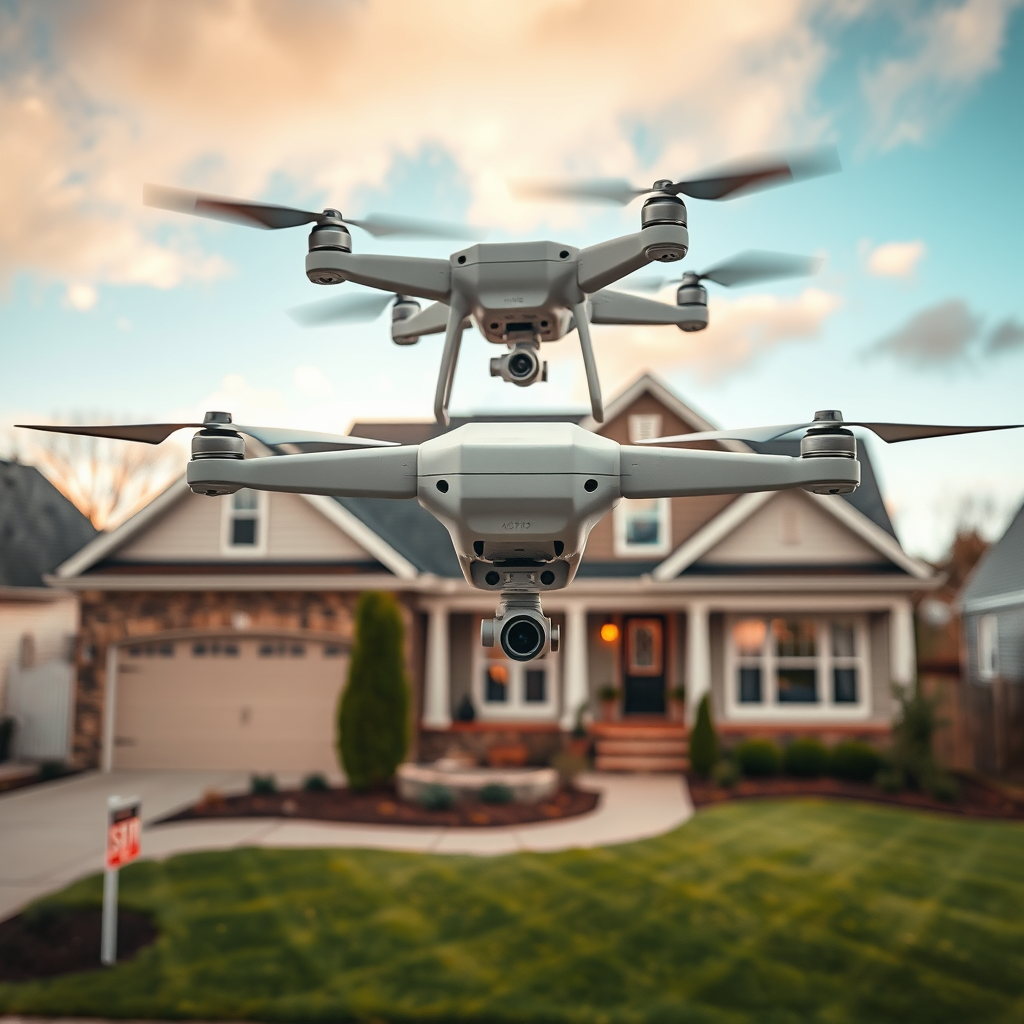
Yes, you can fly a drone over your own property in Georgia, but there are important regulations and guidelines to consider. Familiarizing yourself with federal and state laws will help ensure that you operate your drone safely and legally. Understanding these laws is essential not only for compliance but also for maintaining good relationships with neighbors and ensuring the safety of your drone operations.
Understanding Federal Regulations
The Federal Aviation Administration (FAA) governs drone operations across the United States, establishing a framework that all drone pilots must follow. For recreational and commercial drone operators alike, understanding these regulations is crucial. One of the primary requirements is that drones must be registered if they weigh more than 0.55 pounds. This registration process not only helps with accountability but also provides a means for identifying owners in case of incidents.
For those flying drones for commercial purposes, adherence to FAA Part 107 rules is mandatory. This includes obtaining a Remote Pilot Certificate, which requires passing an aeronautical knowledge test. Part 107 also mandates that pilots fly their drones within visual line-of-sight, not exceed 400 feet in altitude, and avoid flying over people who are not part of the operation. These regulations help ensure that drone operations are conducted safely and do not interfere with manned aircraft.
In addition to registration and certification, drone pilots must also be aware of airspace classifications. Certain areas, such as near airports or in controlled airspace, have specific restrictions that must be followed. Utilizing tools like the FAA’s B4UFLY app can provide real-time information on airspace restrictions and help ensure compliance before each flight.
State-Specific Laws in Georgia
Georgia has enacted specific laws related to drone usage that complement federal regulations, particularly concerning privacy and property rights. One notable statute prohibits the use of drones for surveillance purposes without the consent of the person being surveilled. This means that while you may fly over your property, using your drone to capture images or video of your neighbors or their property could lead to legal ramifications if done without permission.
Moreover, local municipalities in Georgia may impose additional restrictions or regulations on drone operations. For instance, some cities may have ordinances that limit where drones can be flown or require permits for certain types of drone activities. It is advisable for drone pilots to consult local laws, as these regulations can vary significantly from one community to another.
Additionally, Georgia law protects the right to privacy, which means that drone operators should be mindful of where they direct their cameras and what they capture. Violating privacy laws can lead to civil lawsuits, emphasizing the importance of being a responsible operator.
Property Rights and Airspace
In general, property owners have rights to the airspace above their land, but this is subject to FAA regulations and must be understood within a broader legal context. The concept of “navigable airspace” defined by the FAA allows for the free movement of aircraft at a certain altitude, typically above 400 feet. Below this altitude, property owners may have rights to the airspace, but issues can arise regarding how high these rights extend.
Confusion often arises in disputes over airspace encroachment, particularly when drones are involved. For instance, if a drone from a neighboring property flies into your airspace and captures video or images of your property, it could lead to potential disputes. To avoid such conflicts, it’s advisable to consult legal resources or property law experts for clarity on your rights and responsibilities.
Understanding the nuances of property rights and airspace can help drone operators navigate potential legal challenges and maintain good relationships with neighbors, thereby fostering a more harmonious community environment.
Safety Considerations
Safety is paramount when it comes to flying drones, and there are several important considerations to keep in mind. Always maintain visual line-of-sight with your drone during flight; this is not only a federal requirement but also a best practice that helps prevent accidents. Additionally, avoid flying near airports or in restricted airspace, as doing so can pose serious risks to manned aircraft.
Weather conditions also play a critical role in safe drone operation. Pilots should avoid flying in high winds, heavy rain, or other adverse weather conditions that could affect the drone’s performance. Checking local forecasts and being aware of environmental factors can significantly reduce the likelihood of accidents.
Moreover, being mindful of local wildlife is essential. Drones can disturb animals, particularly during nesting or mating seasons. Pilots should be aware of wildlife areas and avoid flying in these regions to minimize disruptions to natural habitats.
Insurance and Liability
As drone usage increases, so does the importance of insurance and liability coverage. Consider obtaining liability insurance to protect against potential damages or accidents that could arise from drone operations. This insurance can cover damages to property or injuries caused by your drone, providing a financial safety net in case of unforeseen incidents.
Moreover, it is prudent to check if your homeowners’ insurance policy covers drone-related incidents. Some policies may include provisions for drone use, while others may explicitly exclude it. Understanding your coverage can help you avoid financial pitfalls and ensure that you are adequately protected while flying your drone.
Being insured not only protects you financially but also enhances your credibility as a responsible drone operator. It demonstrates that you take the safety and legal implications of drone flying seriously.
Best Practices for Drone Operation
To maximize the enjoyment and safety of your drone flying experience, adhering to best practices is essential. Creating a pre-flight checklist can help ensure that all equipment is functional and that you are prepared for the flight. This checklist should include battery levels, camera settings, and pre-flight safety checks.
Respecting privacy is another critical aspect of responsible drone operation. Avoid flying over other people’s properties without permission and be aware of the privacy concerns of those around you. Engaging with neighbors about your drone activities can foster goodwill and mitigate concerns about privacy invasions.
Additionally, consider joining local drone clubs or communities. These groups can provide invaluable resources, shared knowledge, and experiences that can enhance your skills and understanding of drone operations. Networking with other drone enthusiasts can also lead to opportunities for collaboration on projects or events.
In conclusion, while flying a drone over your property in Georgia is generally permissible, it’s crucial to stay informed about federal and state laws, safety measures, and best practices. By understanding the regulatory landscape, respecting privacy and property rights, and adhering to safety protocols, you can enjoy your drone flying experience while remaining compliant and respectful to others. Embracing these principles will not only enhance your enjoyment of drone operations but also contribute to a safer and more responsible flying community.
Frequently Asked Questions
Can I legally fly a drone over my own property in Georgia?
Yes, you can legally fly a drone over your own property in Georgia, provided that you adhere to the Federal Aviation Administration (FAA) regulations. This includes flying below 400 feet, keeping your drone within visual line of sight, and not flying near airports or other restricted airspace. It’s also important to check local laws or homeowners association rules that may impose additional restrictions on drone usage.
What are the FAA regulations for flying a drone in Georgia?
The FAA regulations for flying drones in Georgia require operators to register their drones if they weigh more than 0.55 pounds. Additionally, pilots must fly only for recreational purposes under the Special Rule for Model Aircraft or obtain a Remote Pilot Certificate if flying commercially. Compliance with airspace restrictions, such as not flying near airports or in controlled airspace without permission, is also crucial for lawful drone operation.
How can I ensure I’m not violating privacy laws when flying my drone in Georgia?
To avoid violating privacy laws while flying a drone in Georgia, you should refrain from capturing images or videos of individuals on private property without their consent. Familiarize yourself with Georgia’s privacy laws, which protect individuals from unauthorized surveillance. Respecting the privacy of others not only prevents legal issues but also fosters good community relations.
What should I do if I have a neighbor who complains about my drone flying over their property?
If a neighbor complains about your drone flying over their property, it’s advisable to engage in an open conversation to understand their concerns. Ensure you’re adhering to all legal requirements and flying responsibly, as this can help alleviate their worries. You may also consider adjusting your flight path or schedule to accommodate their preferences, demonstrating that you value their concerns while enjoying your drone hobby.
Which drone models are recommended for beginners flying in Georgia?
For beginners flying in Georgia, models such as the DJI Mini SE or the Holy Stone HS720 are highly recommended due to their user-friendly features, stability, and affordability. These drones offer GPS-assisted flight, easy controls, and decent camera quality, making them ideal for novice pilots. Additionally, it’s worth considering drones with built-in safety features like obstacle avoidance, which can enhance the flying experience while ensuring safety.
References
- https://www.faa.gov/uas/getting_started/part_107
- https://www.gao.gov/products/gao-20-3
- https://www.nolo.com/legal-encyclopedia/drone-laws-georgia-361684.html
- https://www.georgia.gov/document/document/drone-usage-georgia
- https://www.wyff4.com/article/understanding-drone-laws-in-georgia/29253675
- https://www.ajc.com/news/georgia-news/drone-laws-in-georgia-what-you-need-to-know/W7S5ZB6U7FEA7KJ3Q5ZAKP3Y4E/
