
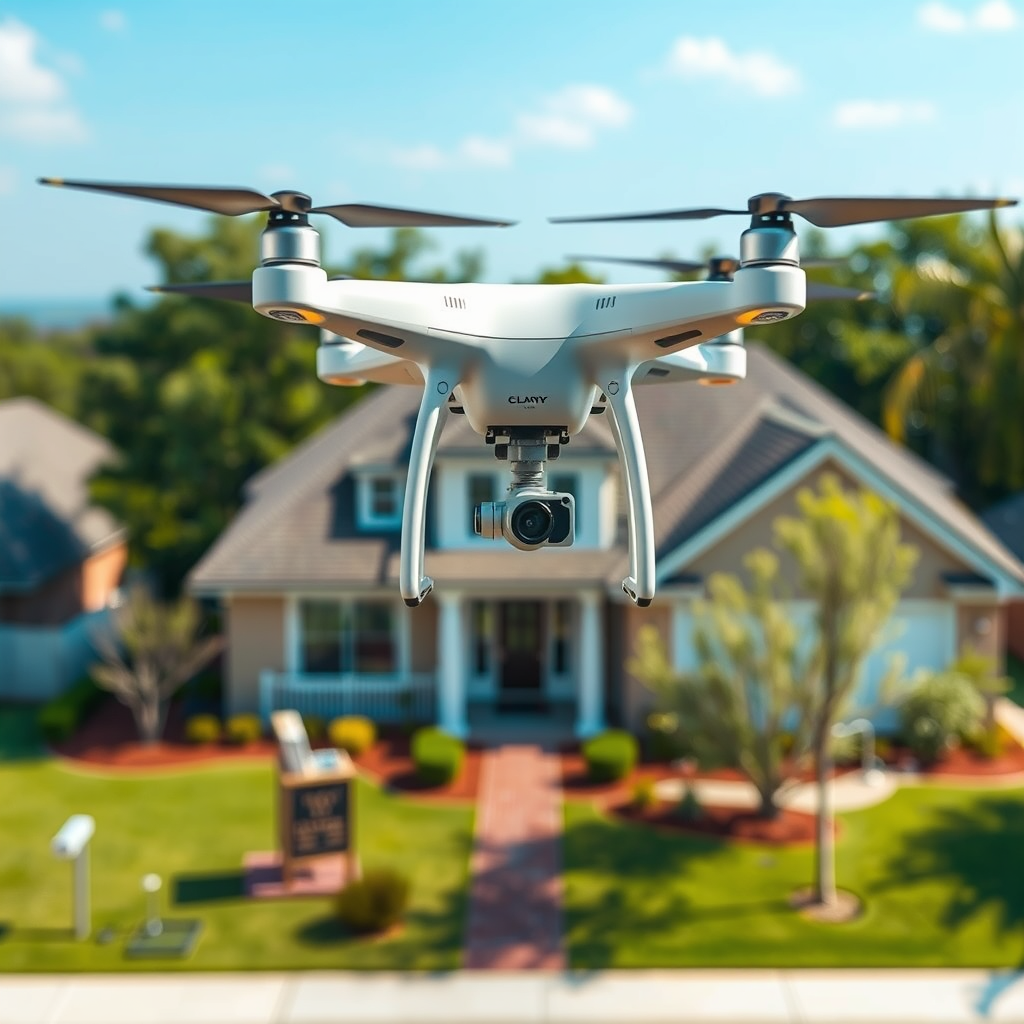
Yes, you can fly a drone over your own property in Louisiana, but there are specific regulations and considerations to keep in mind. Understanding these rules can help you enjoy your drone flying experience while staying compliant with local laws. The growing popularity of drones has prompted a need for clarity regarding their use, especially for property owners who want to explore aerial photography, land surveying, or simply enjoy the hobby. This article will delve into the regulations, privacy concerns, safety guidelines, and resources available for drone enthusiasts in Louisiana.
Understanding Louisiana Drone Laws
Louisiana follows federal regulations set by the Federal Aviation Administration (FAA) regarding drone usage. These regulations apply nationwide but may be complemented by local laws that vary by city or parish. For instance, some municipalities may impose additional restrictions on drone flights, such as designated no-fly zones or specific operational hours. Therefore, it is crucial to check local ordinances before flying your drone, as ignorance of local laws can lead to fines or other legal repercussions. Resources such as the Louisiana Department of Transportation and Development can provide valuable insights into local regulations.
FAA Regulations for Drones
To legally operate a drone in Louisiana, pilots must adhere to FAA regulations. Firstly, drones weighing over 0.55 pounds must be registered with the FAA, which involves providing your contact information and paying a nominal fee. The registration process is straightforward and can be completed online. Additionally, drone operators are required to follow guidelines concerning altitude limits (typically 400 feet), airspace classifications (like restricted or controlled airspace), and maintaining visual line-of-sight with their drone at all times. For example, flying near an airport without proper authorization can result in severe consequences, including fines and revocation of your drone privileges.
Privacy Considerations
Respecting the privacy of others is paramount when flying a drone. While you have the right to fly over your property, it is advisable to avoid flying over neighboring properties without explicit permission. Louisiana has laws that address unlawful surveillance, which can encompass certain drone activities. A well-publicized case involved individuals using drones to capture images of private property without consent, leading to legal action. To mitigate the risk of infringing on others’ privacy, drone operators should be mindful of their surroundings and consider the implications of their flights. It is always best to ask neighbors for permission if you plan to fly over their land, fostering goodwill and avoiding potential conflicts.
Safety Guidelines
Safety should be a top priority when flying a drone, not only for the operator but also for the public. Operators must always maintain a visual line of sight with their drone to ensure they can react to any hazards that may arise. This means avoiding flying in conditions where visibility is poor, such as fog or heavy rain. Furthermore, drone pilots should steer clear of airports, crowds, and sensitive areas such as schools or hospitals. The FAA has established guidelines for flying in proximity to these locations, and violating them can lead to serious legal consequences. A good practice is to conduct a pre-flight check to ensure that the drone is functioning correctly and to familiarize yourself with the area where you plan to fly.
Insurance and Liability
Drone insurance is an essential consideration for anyone operating a drone, especially for commercial purposes. Even when flying over your property, accidents can happen, leading to damages or injuries. Obtaining drone insurance can help cover potential liabilities and protect your financial interests. Policies may vary, and it’s advisable to shop around and compare different insurance providers to find a plan that suits your needs. Additionally, understanding your liability in the event of an accident is crucial. If your drone causes damage to someone else’s property or injures a person, you may be held liable. Therefore, being proactive in acquiring insurance can provide peace of mind and financial protection.
Local Resources and Communities
Engaging with local drone flying clubs or online communities can offer valuable support and advice for novice and experienced drone operators alike. These groups often share insights on local regulations, tips for safe flying, and even organize meetups for group flying experiences. Utilizing resources from the FAA and state websites ensures that you are up-to-date with the latest drone regulations and best practices. Additionally, many local universities and community colleges offer courses or workshops on drone operation, providing a structured approach to learning about drones and their applications.
In conclusion, while you can fly a drone over your property in Louisiana, it is essential to stay informed about federal and local regulations, privacy concerns, and safety guidelines. Understanding FAA rules, respecting the privacy of others, prioritizing safety, and considering insurance are all vital components of responsible drone operation. Moreover, engaging with local resources and communities can enhance your flying experience and ensure that you remain compliant with evolving regulations. Always check for the latest updates to ensure a responsible and enjoyable flying experience.
Frequently Asked Questions
Can I fly a drone over my own property in Louisiana?
Yes, you can fly a drone over your own property in Louisiana, provided you adhere to federal regulations set by the Federal Aviation Administration (FAA). This includes maintaining visual line-of-sight with your drone, flying below 400 feet, and avoiding restricted airspace. Additionally, it’s important to check for any local ordinances that may further govern drone use in your area.
What are the regulations for flying drones in Louisiana?
In Louisiana, drone operators must comply with both federal and state regulations. At the federal level, the FAA requires drone pilots to register their drones if they weigh more than 0.55 pounds and to follow the Part 107 rules if flying for commercial purposes. State laws may also apply, including restrictions on flying over private property without permission, so it’s crucial to be aware of local laws before operating your drone.
Why do I need to check local laws before flying my drone in Louisiana?
Checking local laws before flying your drone in Louisiana is essential to ensure compliance with any specific regulations that may restrict drone use. Local ordinances can impose additional limitations, such as no-fly zones, privacy laws, or requirements for permits. Failing to adhere to these regulations could result in fines or other legal repercussions, so it’s best to be informed.
What should I do if my drone accidentally flies over a neighbor’s property in Louisiana?
If your drone accidentally flies over a neighbor’s property in Louisiana, the first step is to safely land your drone as soon as possible. Afterward, communicate with your neighbor to explain the situation and express your willingness to abide by their property rights. Understanding local laws regarding airspace and privacy is crucial, as repeated incidents could lead to disputes or legal issues.
Which drone insurance is best for flying over my property in Louisiana?
The best drone insurance for flying over your property in Louisiana typically includes liability coverage, which protects you in case your drone causes damage or injury. Look for policies that cover both personal and property damage, particularly if you plan on flying frequently or in populated areas. Companies like Verifly, SkyWatch.AI, and DroneInsurance.com offer customizable plans that can meet the needs of recreational and commercial drone operators alike.
References
- https://www.faa.gov/uas/getting_started/part_107
- https://www.legis.la.gov/Legis/Law.aspx?d=113245
- https://www.nolo.com/legal-encyclopedia/drone-laws-louisiana-32245.html
- https://www.lsu.edu/engage/communications/drone-research.php
- https://www.cnet.com/news/drones-are-officially-legal-in-louisiana-but-with-restrictions/
- https://www.nytimes.com/2021/04/14/us/louisiana-drone-laws.html
