
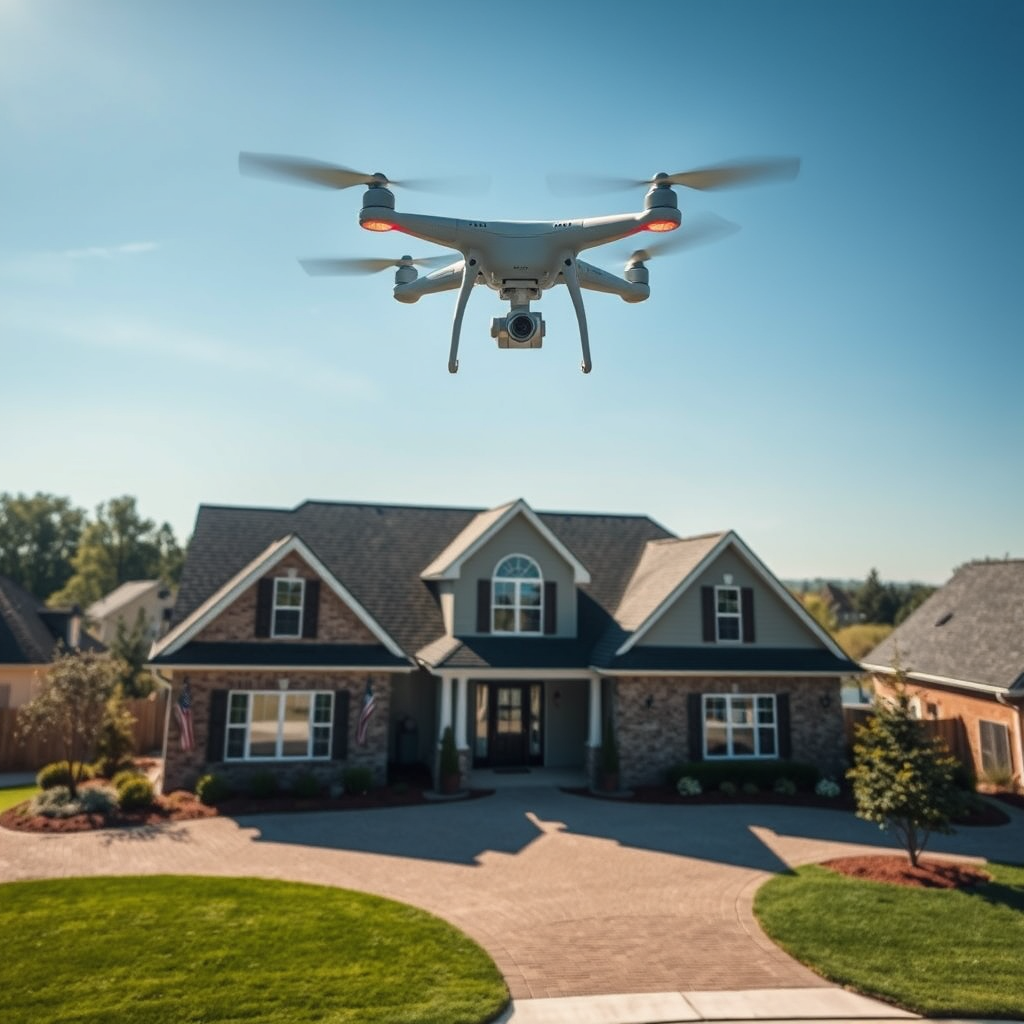
Yes, you can shoot a drone over your property in Tennessee, but there are important legal considerations and regulations to keep in mind. Understanding these laws is essential to avoid potential legal issues and ensure safe drone operation. In this article, we will explore the various regulations governing drone use, property rights, legal consequences, alternatives to shooting down a drone, best practices for drone safety, and the importance of seeking legal advice.
Understanding Drone Regulations in Tennessee
Drone usage in the United States is primarily governed by federal laws, specifically those enforced by the Federal Aviation Administration (FAA). The FAA has established rules that dictate how drones can be operated, including guidelines related to registration, flight altitude, and airspace restrictions. For instance, drones must typically be flown below 400 feet and cannot operate near airports without proper clearance.
In Tennessee, state-specific laws also influence drone operation. Tennessee Code Annotated Section 39-13-903 outlines certain prohibitions regarding drones, particularly concerning privacy violations and harassment. Furthermore, local municipalities may enact their own ordinances that could further restrict drone operations. Therefore, it is crucial for property owners to familiarize themselves with both federal and state regulations to fully understand their rights and obligations regarding drone usage.
Property Rights and Airspace
Property ownership does indeed grant certain rights to the airspace above one’s land; however, these rights are not absolute. Generally, property owners have the right to control the airspace directly above their property up to a certain height. However, the FAA regulates air traffic, which includes drone flights, meaning that property owners cannot exercise unrestricted control over the airspace.
Shooting down a drone could lead to serious legal ramifications. The act of shooting down a drone may be interpreted as destruction of property, as drones are considered personal property under the law. Such actions could expose the shooter to criminal charges or civil liability for damages. As a result, property owners should carefully weigh their rights against the potential consequences of taking drastic action.
Legal Consequences of Shooting a Drone
The legal consequences of shooting down a drone can be significant. Depending on the circumstances, individuals may face criminal charges such as vandalism or destruction of property. For instance, if a drone is shot down and causes damage to nearby structures or injures someone, the shooter could be held criminally liable.
Moreover, the drone operator may pursue civil lawsuits against the individual who shot down their drone. These lawsuits could seek compensation for the loss of the drone itself, any damages incurred during the incident, and potentially even emotional distress. In a litigious society, engaging in such behavior can lead to time-consuming and expensive legal battles. Thus, it is imperative to consider the legal implications before taking any action against a drone flying over your property.
Alternatives to Shooting Down a Drone
Instead of resorting to shooting down a drone, property owners have several alternatives to address their concerns. One effective approach is to report unauthorized drone activity to local authorities. Many police departments have protocols in place for handling complaints regarding drone use, particularly if there are concerns about privacy violations or harassment.
Additionally, property owners can explore legal options for protecting their property and personal privacy. This could involve seeking a restraining order against a drone operator who is repeatedly invading one’s airspace or utilizing surveillance technology to document any unauthorized flights. Utilizing these legal avenues can often provide a more effective and lawful resolution to drone-related issues.
Drone Safety and Best Practices
Understanding drone technology and operation can significantly aid in handling drone-related issues. Familiarizing oneself with how drones operate, their capabilities, and common flight patterns can help property owners respond more effectively. For instance, if a drone is observed flying over a property, rather than immediately reacting with aggression, a property owner could assess the situation to determine whether the drone poses a legitimate threat.
Promoting respectful drone use in the community can also foster positive relations between drone operators and property owners. Encouraging local drone operators to adhere to guidelines and respect personal privacy can help mitigate conflicts. Community forums or workshops could be organized to educate both drone users and property owners about their rights and responsibilities.
Seeking Legal Advice
Given the complexities of drone laws and the potential for legal repercussions, consulting with a legal expert is advisable for property owners facing drone-related concerns. A qualified attorney can provide specific advice tailored to individual situations, ensuring that property owners understand their rights and the legal landscape surrounding drone operations.
Additionally, staying informed about changes in drone legislation and local ordinances is crucial. Drone laws are continually evolving, and being aware of these changes can help property owners make informed decisions regarding their rights and actions related to drones.
In conclusion, while you may have the right to act against drones over your property, it’s crucial to approach the situation with caution and an understanding of the law. The legal landscape surrounding drone usage is complex, and the consequences of shooting a drone can be severe. Instead of resorting to aggressive measures, property owners should explore alternative methods for addressing their concerns, promote safe and respectful drone use in their communities, and seek legal guidance when necessary. By doing so, they can protect their rights while minimizing potential legal complications.
Frequently Asked Questions
Can I legally fly a drone over my property in Tennessee?
Yes, you can legally fly a drone over your own property in Tennessee, as long as you adhere to federal regulations set by the Federal Aviation Administration (FAA). This includes keeping your drone within visual line of sight, flying below 400 feet, and not flying near airports or in restricted airspace. Additionally, it’s important to ensure that you respect the privacy of your neighbors and avoid capturing images or video of their property without consent.
What are the FAA regulations for flying drones in Tennessee?
The FAA regulations for flying drones in Tennessee include registering your drone if it weighs more than 0.55 pounds and following the Part 107 rules for commercial drone operations. Recreational flyers must abide by guidelines such as flying only for leisure, maintaining visual line of sight, and avoiding flying over people or moving vehicles. Familiarizing yourself with these regulations is essential to ensure safe and legal drone use.
How high can I fly my drone over my property in Tennessee?
In Tennessee, as per FAA guidelines, you can fly your drone up to a maximum altitude of 400 feet above ground level when flying over your property. If you are within a 400-foot radius of a structure, you can fly up to 400 feet above the structure’s immediate uppermost point. Always ensure that you are flying in compliance with local and federal regulations, and be mindful of nearby air traffic.
Why should I check local laws before flying my drone in Tennessee?
Checking local laws before flying your drone in Tennessee is crucial because state and municipal regulations may impose additional restrictions beyond FAA guidelines. Some areas may have no-fly zones, particularly near schools, parks, or sensitive locations, which could lead to fines or other legal consequences. Being aware of local laws helps ensure safe flying practices and respects the community’s regulations regarding drone use.
What are the best practices for flying a drone over my property in Tennessee?
The best practices for flying a drone over your property in Tennessee include conducting a pre-flight checklist, ensuring your drone is in good working condition, and being aware of your surroundings. Always avoid flying in adverse weather conditions and maintain a safe distance from people, animals, and structures. Additionally, consider notifying your neighbors before flying, especially if you plan to capture aerial footage, to promote goodwill and minimize privacy concerns.
References
- https://www.faa.gov/uas/
- https://www.tn.gov/sos/rules/2018/5/12/1.3.3.17.html
- https://www.abcnews.go.com/US/drone-law-tennessee/story?id=60972993
- https://www.wbir.com/article/news/local/drone-regulations-in-tennessee/51-1c3d9b6e-4ab6-4c6a-bc95-7b4f6e2c81a0
- https://www.legislation.nashville.gov/api/Services/Document/Download?documentId=264173
- https://www.nolo.com/legal-encyclopedia/drone-laws-tennessee-36463.html
- https://www.washingtonpost.com/technology/2020/02/03/drone-laws-tennessee/
