
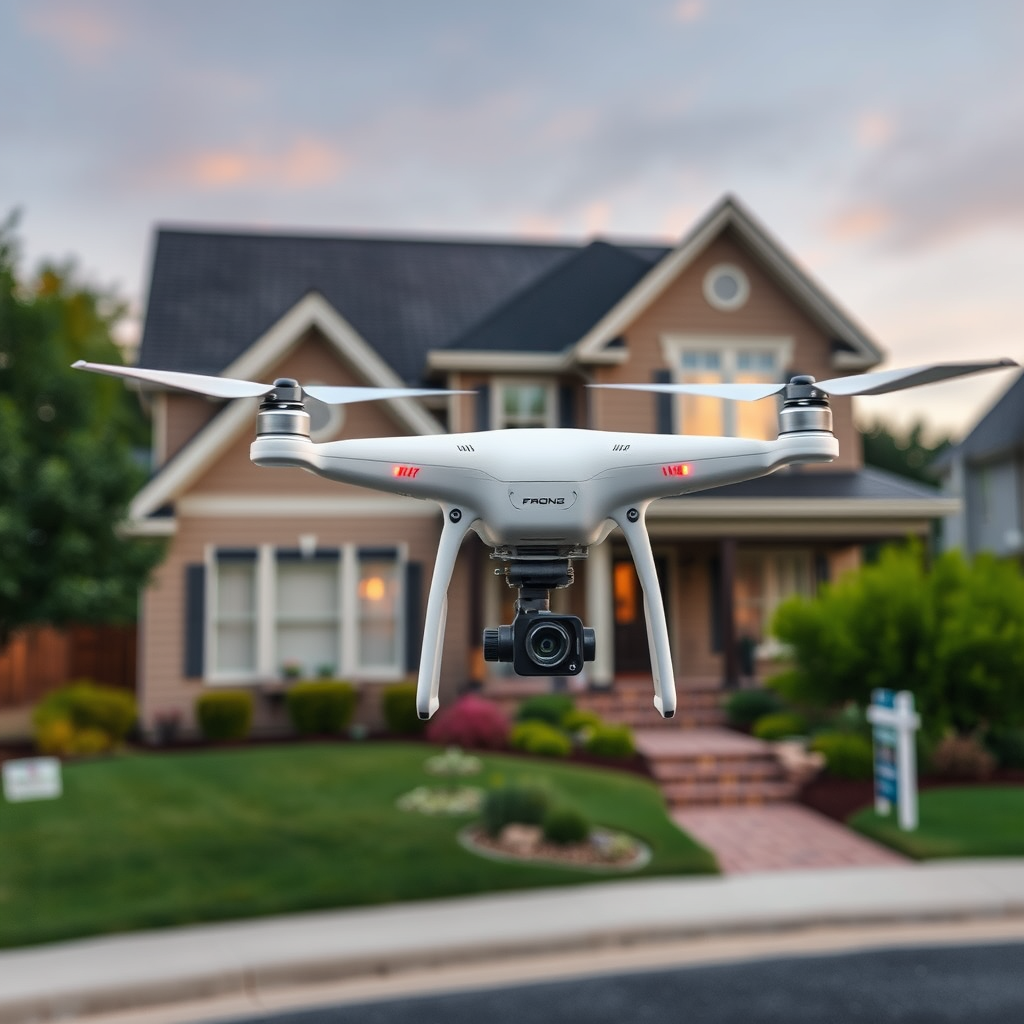
Yes, in West Virginia, you can legally shoot a drone over your property if it poses a threat or is trespassing. However, this action is fraught with legal complexities and potential consequences that property owners must consider. Understanding the balance between protecting your property rights and adhering to drone regulations is crucial. This article delves into the regulations governing drone use, property rights, and the implications of resorting to extreme measures like shooting a drone.
Understanding Drone Regulations in West Virginia
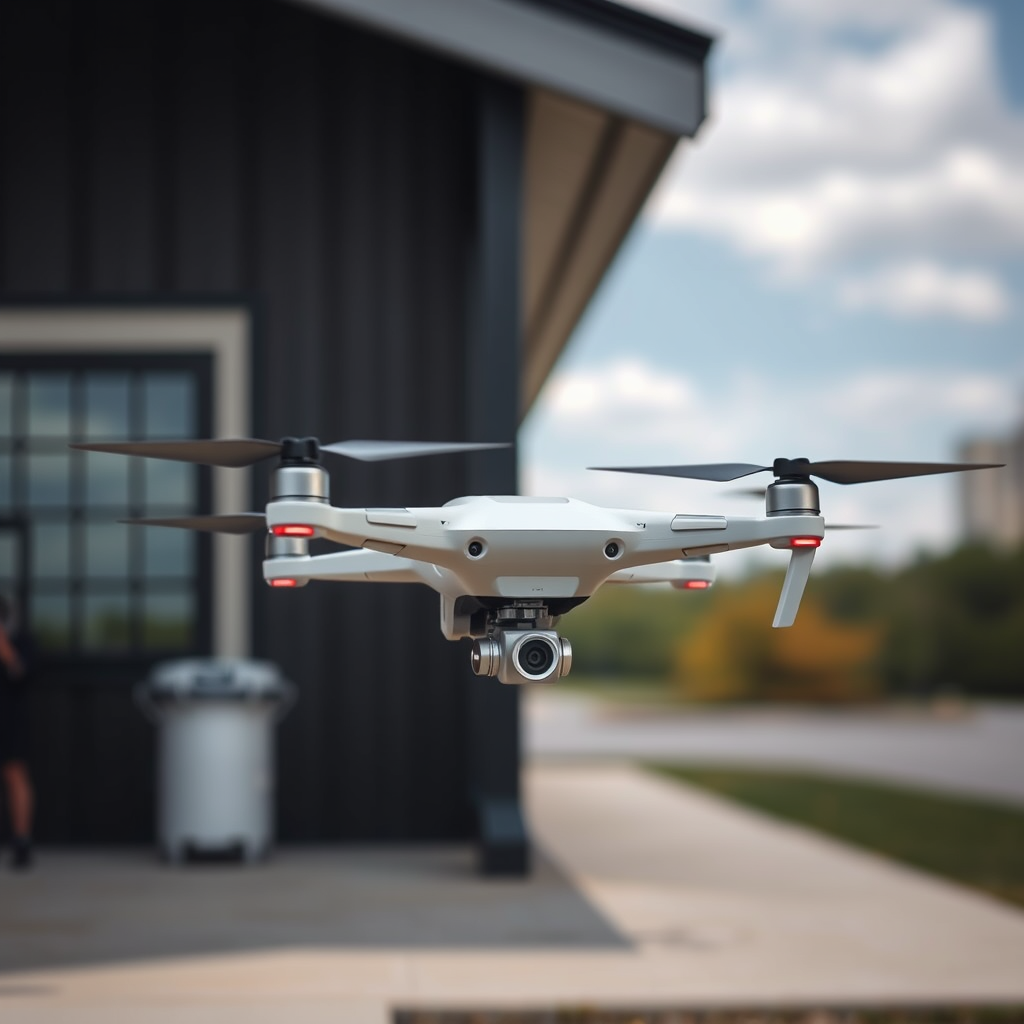
West Virginia adheres to the federal drone regulations established by the Federal Aviation Administration (FAA), which are designed to ensure safe and responsible drone operation. Under these regulations, drones must be flown within the operator’s visual line of sight, below 400 feet in altitude, and must not endanger people or property on the ground. Importantly, drone operators are required to avoid flying over private property without permission, which can lead to disputes between drone users and property owners.
Moreover, the FAA has implemented a classification system for airspace, designating certain areas as restricted or controlled, where drone operations may be limited or prohibited. For example, drones cannot be flown near airports or over crowds of people. Violating these regulations can result in penalties for the drone operator, including fines or loss of flying privileges. Property owners should familiarize themselves with these regulations to better understand their rights and the limitations placed on drone operators.
Property Rights and Airspace
Property owners possess certain rights to the airspace above their land; however, these rights are not absolute. The legal distinction between “navigable airspace” and private airspace is pivotal in understanding how property rights intersect with drone operations. Navigable airspace is generally considered to be the airspace from the ground up to 500 feet, where aircraft, including drones, are permitted to operate.
In West Virginia, just as in other states, the law dictates that property owners typically have control over the space immediately above their land, but this does not extend indefinitely into the sky. The FAA’s regulations govern the airspace above 400 feet, which means that while you may have rights to the lower airspace, drone operators are still allowed to operate legally within the navigable airspace as long as they comply with federal regulations. Thus, while property owners can assert rights over their land, these rights are tempered by federal aviation laws.
When is it Legal to Shoot a Drone?
Shooting a drone may be legally justified in certain circumstances, particularly if the drone is trespassing on private property or poses a direct threat to individuals or property. Trespassing can be defined as operating a drone without the property owner’s consent, and if the drone is hovering or flying in a way that invades a property owner’s privacy or creates a safety hazard, one might argue that a response is warranted.
However, it is crucial to exhaust all other options before taking such drastic measures. Reporting the drone to local law enforcement or contacting the drone operator to resolve the issue amicably is often a more prudent course of action. Additionally, many states have enacted laws that may hold individuals criminally liable for shooting down a drone, regardless of the circumstances. Therefore, understanding the legal framework surrounding drone use in your area is essential before considering any aggressive actions.
Potential Consequences of Shooting a Drone
The potential legal repercussions of shooting a drone can be severe. Property owners who take such action may face criminal charges, including reckless endangerment or unlawful discharge of a firearm. In addition, civil lawsuits could arise from the drone operator if they can prove damage to their drone or if they claim that the shooting caused them harm.
Furthermore, property owners may be liable for the repair or replacement costs of the damaged drone. This liability could extend beyond merely covering the drone’s market value; if the drone was being used for commercial purposes, the owner might seek compensation for lost revenue due to the drone being taken out of service. As such, the financial ramifications can be significant, making it imperative for property owners to consider legal avenues before resorting to violence.
Alternatives to Shooting a Drone
There are several non-lethal alternatives to shooting a drone that can effectively address concerns without legal repercussions. For example, property owners can invest in non-lethal methods such as signal jammers, which disrupt the drone’s control signals, forcing it to land or return to its operator. However, it is vital to note that the use of jammers may also be illegal under federal law, so thorough research and consideration of local regulations are essential.
Another option is to use visual deterrents, such as reflective objects or noise-making devices, to signal to the drone operator that their presence is unwelcome. Additionally, engaging in direct communication with the drone operator, if known, can help resolve issues amicably and prevent future conflicts. Contacting local law enforcement can also provide assistance in monitoring the situation and ensuring compliance with drone regulations.
Best Practices for Drone Management
To effectively manage potential drone-related issues, property owners should familiarize themselves with local drone laws and regulations. Understanding the legal landscape allows for informed decisions and actions that respect both property rights and aviation laws. Furthermore, property owners can engage with neighbors to discuss drone usage, fostering a sense of community and shared understanding regarding drone operations.
Establishing clear guidelines for drone use in your neighborhood can help mitigate conflicts and promote responsible drone operation. This may involve community meetings to address concerns and create a cooperative approach to drone management. Additionally, property owners may consider posting signs indicating their preferences regarding drone flights over their property, which may deter operators from intruding without consent.
In conclusion, while you may have the right to shoot a drone over your property in West Virginia, it is essential to understand the legal ramifications and consider safer alternatives. The interplay of property rights, federal regulations, and potential consequences highlights the complexity of drone-related issues. By prioritizing communication and adherence to legal guidelines, property owners can navigate conflicts with drone operators effectively and responsibly. Always assess the situation and seek to resolve conflicts through appropriate channels to protect your rights while minimizing legal risks.
Frequently Asked Questions
Can I fly a drone over my property in West Virginia without restrictions?
Yes, you can generally fly a drone over your property in West Virginia, provided you adhere to federal regulations set by the Federal Aviation Administration (FAA). This includes keeping your drone within visual line of sight, flying below 400 feet, and not flying in restricted airspace. However, it’s essential to check local laws and ordinances, as some municipalities may have specific regulations regarding drone use.
What are the legal requirements for flying a drone in West Virginia?
To legally fly a drone in West Virginia, you must comply with FAA guidelines, which include registering your drone if it weighs more than 0.55 pounds, obtaining a Remote Pilot Certificate if you plan to use it for commercial purposes, and following safety protocols. Additionally, it’s advisable to review any local laws or community rules that may impose additional restrictions on drone operations.
How can I ensure I’m not violating any privacy laws while flying my drone over my property?
To avoid violating privacy laws while flying your drone over your property in West Virginia, make sure to respect the privacy of your neighbors and avoid capturing images or videos that could infringe on their privacy rights. Familiarize yourself with both state and local privacy laws, and consider flying at a height that minimizes the risk of capturing private property or individuals without consent.
What should I do if my drone captures footage of someone else’s property?
If your drone inadvertently captures footage of someone else’s property, it’s essential to handle the situation with care. You should avoid sharing or distributing the footage without permission to respect privacy rights. If you receive a complaint, be cooperative and explain the circumstances; it might also be wise to delete the footage if requested, to prevent any potential legal issues.
Which drones are best suited for recreational flying in West Virginia?
The best drones for recreational flying in West Virginia are those that are lightweight, user-friendly, and equipped with robust battery life and camera features. Popular models such as the DJI Mini 2 or the Holy Stone HS720E are great choices for beginners and hobbyists alike, offering excellent stability, ease of use, and quality imaging. Always ensure the drone you choose complies with FAA regulations and is suitable for your specific flying needs.
References
- https://www.wvlegislature.gov/legisdocs/2021/RS/floor_amendments/House/HB2170%20HRD%20AMT%20%20%20%20%20%20%20%20%20.pdf
- https://www.ncsl.org/research/telecommunications-and-information-technology/state-drone-laws.aspx
- https://www.faa.gov/uas/resources/policies_regulations/
- https://www.wv.gov/Pages/default.aspx
- https://www.wvpublic.org/news/2021-04-13/west-virginia-house-passes-drone-registration-bill
- https://www.wv.gov/agency/Department-of-Transportation/Drone-Use-in-West-Virginia/Pages/default.aspx
- https://www.nytimes.com/2021/04/14/us/west-virginia-drone-bill.html
