
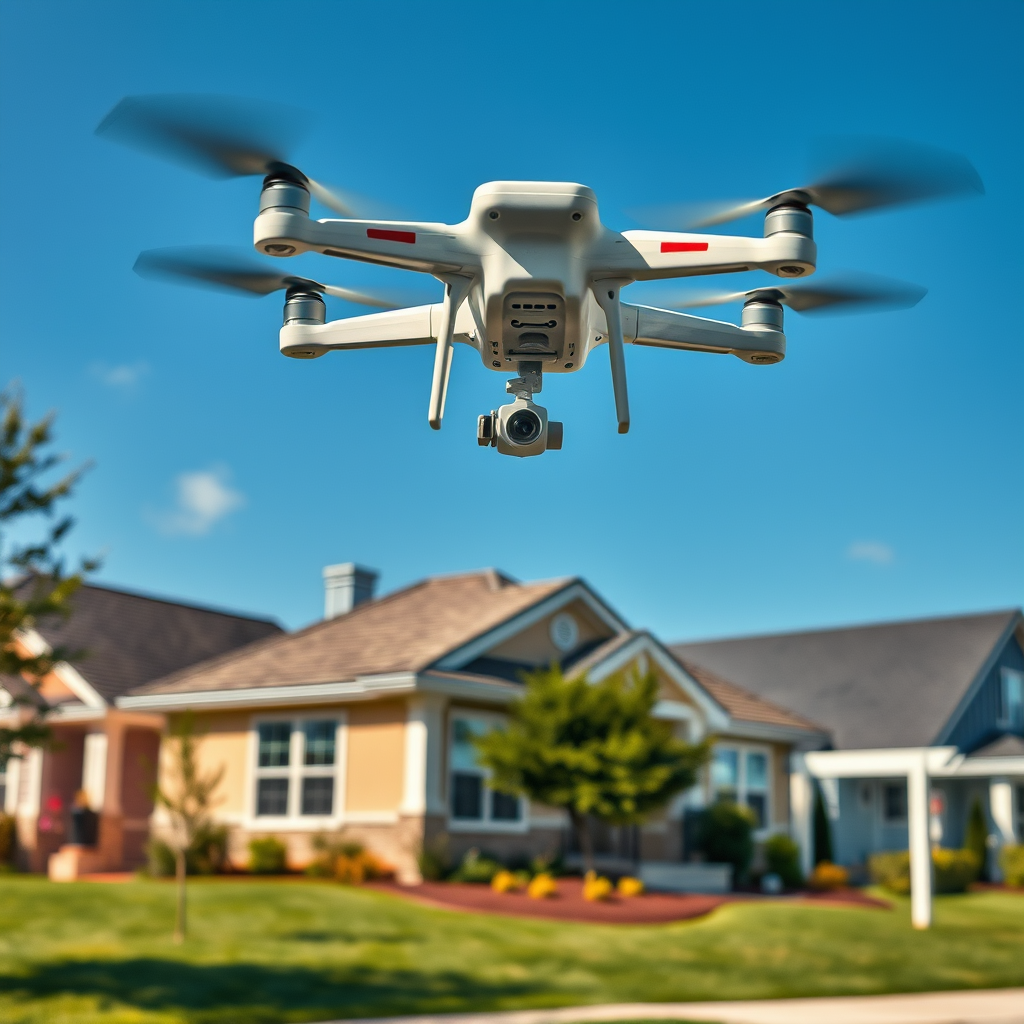
Shooting down a drone flying over your property is generally illegal and can lead to severe legal consequences. While you may feel the urge to protect your privacy and space, understanding the laws surrounding drone usage and property rights is crucial before taking any action. Engaging with these regulations not only helps you avoid potential legal troubles but also provides a framework for addressing any concerns you may have about unwanted drone activity.
Understanding Drone Regulations
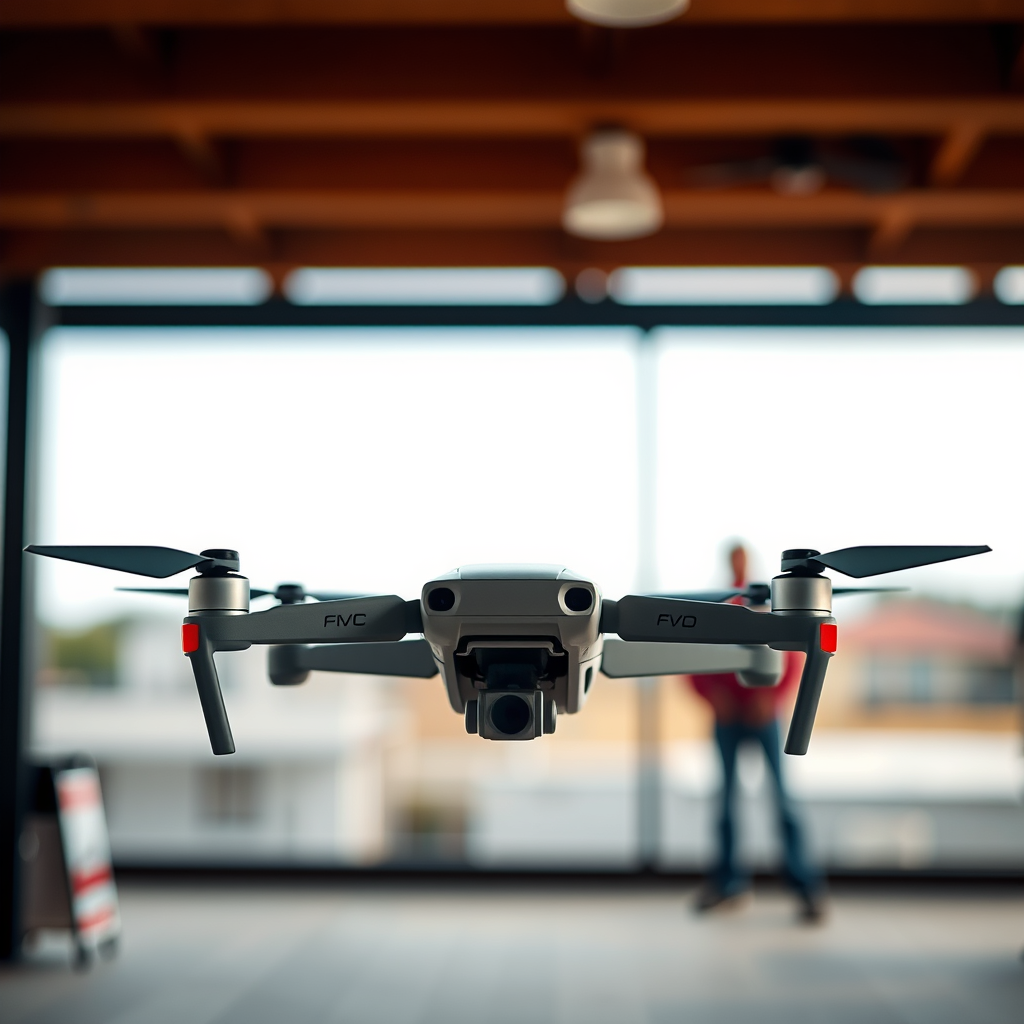
Drones, also known as unmanned aerial vehicles (UAVs), are subject to a complex array of federal regulations set forth by the Federal Aviation Administration (FAA). These regulations govern where and how drones can operate, including altitude limits, no-fly zones, and requirements for commercial drone operators. For example, drones are typically required to fly below 400 feet and must remain within the operator’s line of sight. Furthermore, commercial drone operators must obtain a Remote Pilot Certificate, ensuring that they comply with safety protocols.
In addition to federal regulations, local laws may also apply to drone usage. Some states and municipalities have enacted their own laws that restrict drone flights over private property, while others may allow drone use with few limitations. For instance, certain states have laws that prohibit drone flights over private property without permission, which may provide some recourse for property owners concerned about privacy violations. It’s crucial to research your state’s specific drone regulations to fully understand your rights and options.
Property Rights and Airspace
Property ownership traditionally extends vertically from the ground up, but the extent of airspace rights remains a gray area in legal terms. According to the “ad coelum” doctrine, landowners have rights to the airspace above their property; however, these rights do not extend indefinitely. Courts have generally ruled that property owners cannot claim ownership of the airspace beyond what is necessary for reasonable use of the land.
This means that while you have rights to the space directly above your property, you may not have the legal authority to take action against a drone operating at a legal altitude. The FAA governs airspace usage, and any drone flying at or below the legal thresholds is typically within its rights. This ambiguity can complicate matters, as it raises questions about where property rights end and FAA jurisdiction begins.
Legal Consequences of Shooting Down a Drone
The legal ramifications of shooting down a drone can be severe and multifaceted. Considered criminal destruction of property, shooting a drone can lead to significant penalties, including hefty fines, civil lawsuits, or even criminal charges. For example, if you were to shoot down a drone owned by a commercial operator, you could be held liable for the cost of the drone, damages incurred during the incident, and any loss of income the operator may suffer as a result.
Moreover, discharging a firearm in an urban or suburban area can lead to additional charges, such as reckless endangerment or illegal use of a firearm. The consequences of such actions extend beyond financial implications; they can also affect your reputation and personal freedom. Understanding these potential repercussions is crucial before considering any drastic actions.
Alternatives to Shooting Down a Drone
If you find yourself facing unwanted drone activity, there are several legal and non-confrontational alternatives to consider. One of the most effective approaches is to contact local authorities if you believe a drone is invading your privacy or violating local laws. Many local law enforcement agencies have protocols in place for handling drone complaints, and they can investigate the situation on your behalf.
In addition to reporting the incident, you might also consider implementing privacy-enhancing measures around your property. Installing privacy screens, tall fences, or landscaping can deter drones from hovering over your space. Technologies such as drone detection systems can alert you to the presence of drones, allowing you to take proactive measures to safeguard your privacy without resorting to violence.
Reporting Unwanted Drones
If you feel threatened by a drone, it’s essential to document the incident. Take note of the drone’s appearance, the time and location of the sighting, and any other relevant details. This documentation can be invaluable when reporting the incident to the FAA or local law enforcement. The FAA has a specific process for reporting unsafe drone operations, which can include filing a complaint online.
Local agencies may also have specific protocols for handling drone complaints, and they can provide guidance on how to proceed. Engaging with these authorities not only helps you address your immediate concerns but also contributes to the broader conversation on drone usage and regulation in your community.
Self-Defense and Drones
When it comes to self-defense, it is important to understand that the legal standards typically do not apply to drones. The concept of self-defense is rooted in the idea of imminent physical harm, and the presence of a drone hovering above your property does not usually meet this criterion. Mistakenly believing that a drone poses a threat may not justify harmful actions against it.
Furthermore, the use of force in self-defense must be proportional and reasonable. Given that drones are non-human entities and do not pose direct physical harm, the legal system does not recognize shooting down a drone as a justified act of self-defense. Instead, focusing on lawful methods of addressing your concerns is advisable to avoid any legal consequences.
In conclusion, while it may seem tempting to shoot down a drone over your property, doing so is fraught with legal challenges and potential consequences. Engaging with the regulatory landscape governing drones—both at the federal and local levels—is crucial for understanding your rights. Instead of resorting to drastic measures, consider reporting unwanted drone activity to the appropriate authorities and implementing privacy-enhancing strategies to protect your space. Being informed and proactive allows you to safeguard your privacy while remaining within the bounds of the law.
Frequently Asked Questions
Can I legally shoot down a drone flying over my property?
Legally shooting down a drone that is flying over your property is generally not permitted. In most jurisdictions, using firearms or other weapons to take down a drone can lead to serious legal consequences, including criminal charges. Instead, it’s advisable to report the drone to local law enforcement or the Federal Aviation Administration (FAA) if you believe it’s invading your privacy or posing a safety risk.
What should I do if a drone is hovering over my backyard?
If a drone is hovering over your backyard, the first step is to assess whether it poses a privacy or safety concern. You can try to identify the drone’s operator or use a smartphone app to track its flight patterns. If you feel uncomfortable or believe the drone is invading your privacy, contact local authorities or law enforcement to report the incident rather than taking any drastic measures.
Why are drones allowed to fly over private property?
Drones are allowed to fly over private property due to federal regulations that govern airspace. The FAA maintains that the airspace above private property is considered public airspace, which means drones can legally fly over it as long as they comply with aviation laws. This can often lead to confusion about property rights, so understanding the rules set by the FAA is essential for property owners concerned about drone activity.
What are the best ways to protect my privacy from drones?
To protect your privacy from drones, consider using physical barriers such as privacy fences or landscaping that obstructs aerial views. Additionally, you can install anti-drone technology, such as signal jammers or detection systems, which can help you identify and deter unwanted drone surveillance. However, be aware of the legality of such devices in your area and ensure they comply with local laws.
Which laws govern drone usage over private property?
The primary laws governing drone usage over private property include the FAA regulations and state-specific laws that may impose additional restrictions. The FAA outlines rules for drone operations, including altitude limits and registration requirements, while some states have enacted laws addressing privacy concerns and drone surveillance. Familiarizing yourself with both federal and state laws can help you understand your rights and options when dealing with drones above your property.
References
- https://en.wikipedia.org/wiki/Drone#Legal_issues
- https://www.theguardian.com/us-news/2022/jul/05/drone-flying-privacy-property-rights
- https://www.nolo.com/legal-encyclopedia/can-you-shoot-drone-flying-over-your-property.html
- https://www.faa.gov/uas/resources/policy_library/
- https://www.aclu.org/news/privacy-technology/what-you-need-to-know-about-drones-and-your-privacy-rights
- https://www.nytimes.com/2021/06/10/us/drones-property-rights.html
