
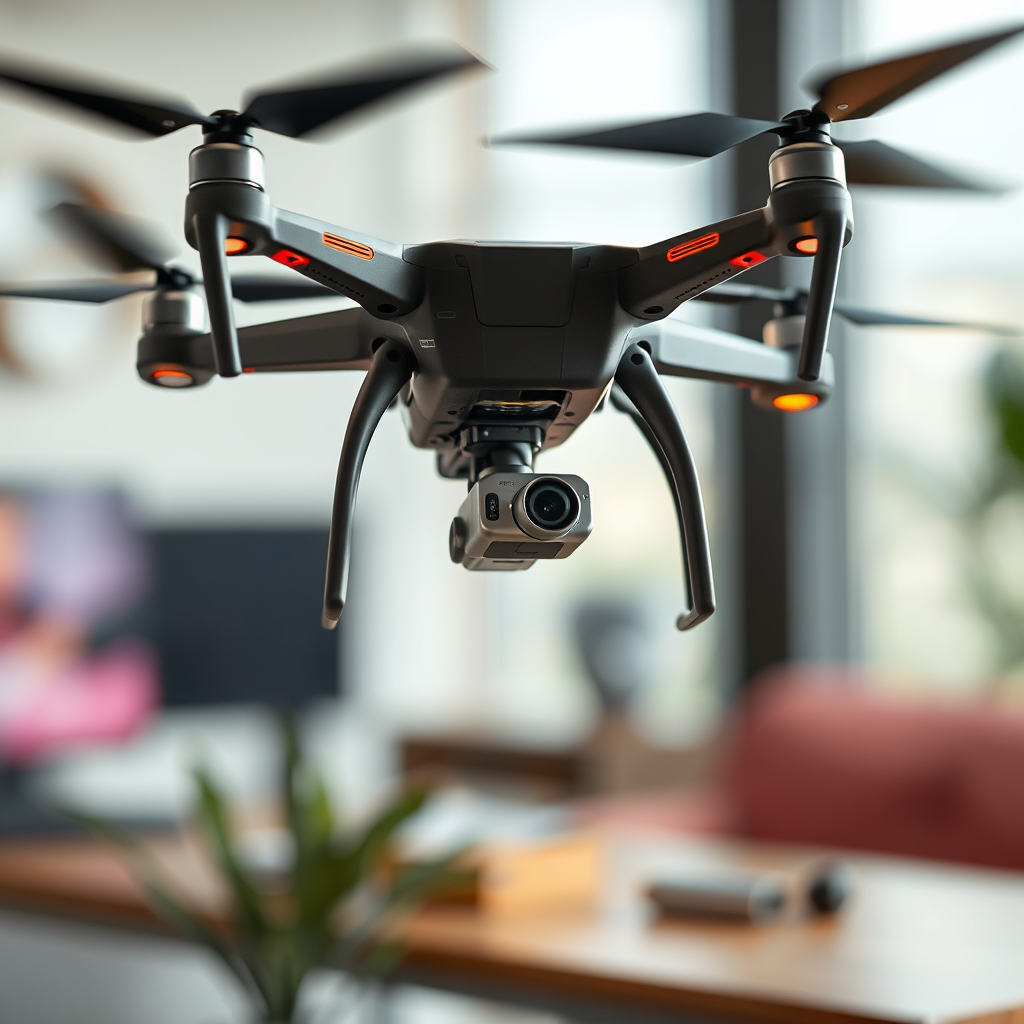
In Texas, shooting down a drone is generally illegal unless you have specific permissions or justifications, such as self-defense or protecting your property. The laws surrounding drone usage are complex and nuanced, making it crucial for individuals to be well-informed before contemplating any action involving drones. This blog post will explore the legal framework pertaining to drone interactions in Texas, the conditions under which it might be permissible to shoot down a drone, the potential legal ramifications, alternative solutions, and the broader ethical considerations involved.
Understanding Drone Laws in Texas
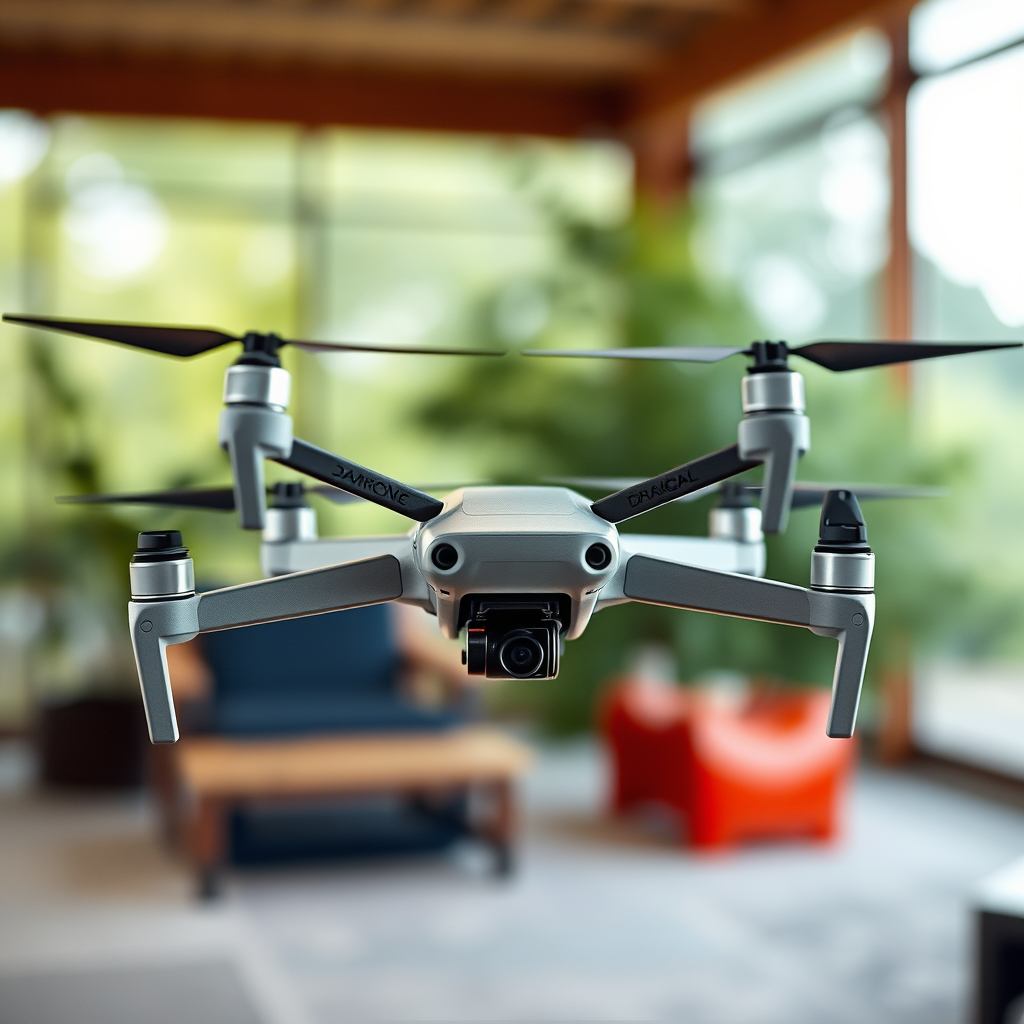
Texas has implemented specific laws that govern the use of drones, which are categorized under the Texas Occupations Code and various municipal regulations. These laws outline where drones can operate, stipulating that they must not interfere with manned aircraft and must remain within certain altitude limits. Additionally, drone operators must comply with Federal Aviation Administration (FAA) regulations, which include registration requirements and adherence to airspace restrictions.
Shooting down a drone could lead to severe legal consequences, including criminal charges for destruction of property, especially if the drone is owned by someone else. Under Texas law, it is considered a criminal offense to destroy or damage property belonging to another individual, and drones are classified as such. Engaging in this action may not only result in criminal prosecution but could also expose the shooter to civil liabilities, where the drone’s owner may seek damages for the loss of their equipment.
When is it Legal to Shoot Down a Drone?
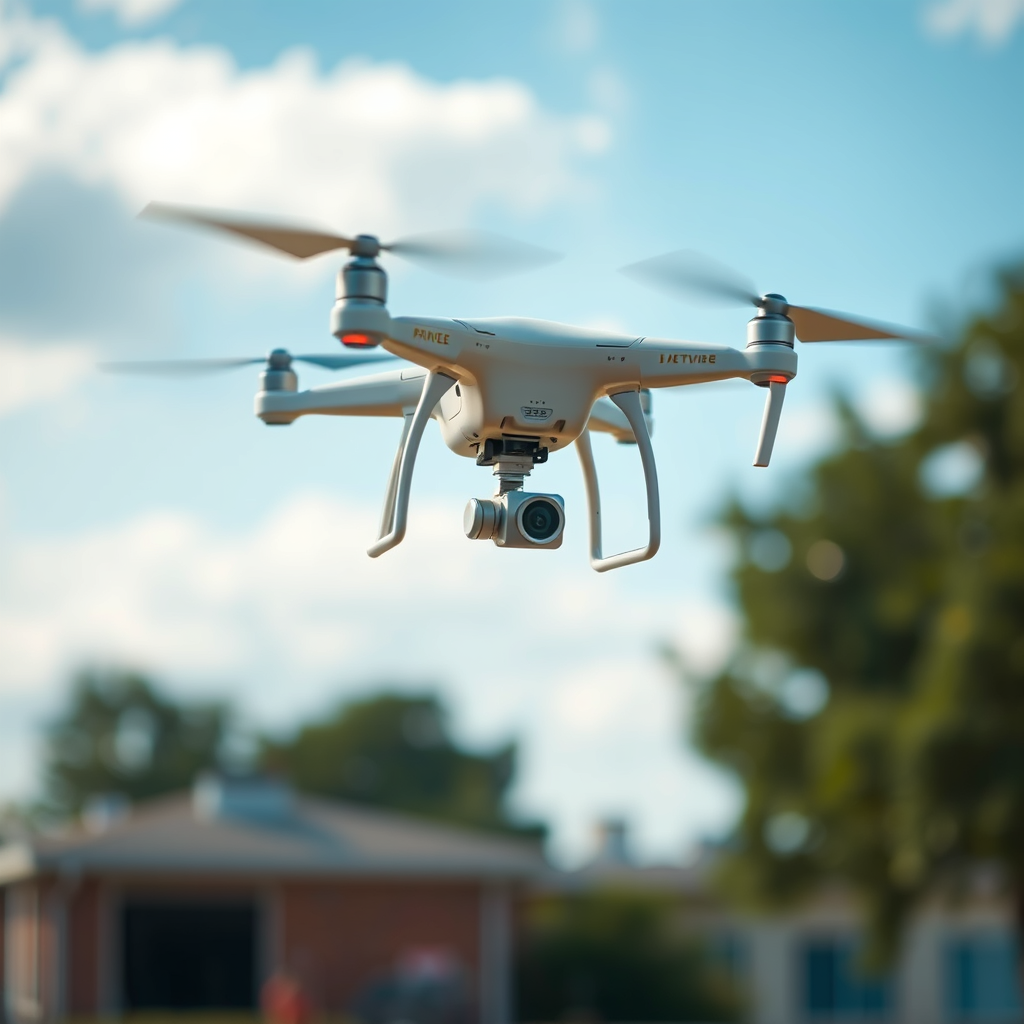
There are very few scenarios in which shooting down a drone may be deemed legal under Texas law. One such instance involves imminent threats to personal safety or privacy invasion. For example, if a drone is being used to surveil your property without consent, you may have grounds to argue self-defense or defense of property. However, it’s essential to note that the perceived threat must be immediate and substantial; vague feelings of discomfort or annoyance are generally insufficient justification.
Additionally, Texas self-defense laws require that any response to a perceived threat must be proportional. If a drone is hovering above your property, you cannot simply shoot it down; you must first assess whether there are less lethal means to address the situation. For instance, documenting the drone’s activity or contacting law enforcement may be more appropriate responses than resorting to violence.
Potential Legal Consequences
Shooting down a drone can lead to significant legal repercussions. Potential charges include criminal mischief, which involves intentionally or knowingly damaging someone else’s property. In Texas, criminal mischief can range from a Class C misdemeanor for minor damages to a felony for extensive harm or destruction. Furthermore, if the drone is deemed to have been used in a threatening manner, the shooter could face aggravated assault charges, particularly if the drone is perceived as a weapon.
In addition to criminal charges, victims of drone shooting incidents can pursue civil lawsuits for damages. This could encompass the cost of the drone itself, any associated damages, and potentially even punitive damages if the shooter’s actions are deemed reckless or intentional. The financial and legal ramifications of shooting down a drone can be severe, making it imperative to weigh the potential consequences carefully.
Alternatives to Shooting Down Drones
Instead of resorting to shooting down a drone, there are several alternative methods to address unwanted drone activity. One recommended approach is to contact law enforcement or local authorities to report the incident. Many police departments have protocols for dealing with drone-related issues, and they can take appropriate measures to investigate the situation further.
Another viable option is to consider the use of drone jamming devices or signal blockers. These devices can prevent a drone from operating effectively without causing physical harm. However, it is critical to be aware that the legality of using such devices is subject to federal regulations, as the FAA strictly prohibits jamming communications. Engaging with law enforcement or legal counsel can provide clarity on the best course of action without crossing legal boundaries.
Reporting Unlawful Drone Activity
When faced with unlawful drone activity, understanding the appropriate channels for reporting is essential. Drones that violate privacy laws, such as flying too close to private property or capturing images without consent, can be reported to local law enforcement or the FAA. The FAA has a dedicated hotline and online reporting system for such incidents, allowing citizens to communicate their concerns effectively.
Furthermore, documenting the drone’s behavior—taking photographs, noting the time and place of the sighting, and gathering information about the operator when possible—can strengthen your case when reporting. This information can assist authorities in addressing the situation adequately and may help prevent similar incidents in the future.
Public Perception and Ethical Considerations
The public’s perception of shooting down drones is divided, often hinging on the balance between personal privacy and public safety. Some individuals argue that drones represent a new frontier in privacy invasion and that individuals have the right to protect their personal space. Conversely, others contend that drones serve valuable purposes, such as surveillance, search and rescue operations, and recreational use.
Engaging in a dialogue about drone rights and regulations is essential for shaping future policies. Advocacy for clearer regulations concerning drone use, privacy, and individual rights can lead to more comprehensive laws that protect citizens without infringing on legitimate drone operations. Community forums, public discussions, and outreach to lawmakers can foster understanding and pave the way for more balanced drone legislation.
In conclusion, while there may be rare instances where shooting down a drone is legal in Texas, it is often fraught with legal complications and risks. Understanding the laws governing drone usage and the potential consequences of one’s actions is imperative. It is vital to explore alternative solutions and prioritize lawful, non-destructive methods to address any concerns regarding drone activity. Engaging in informed discussions and advocating for robust regulations will contribute to a safer and more respectful coexistence between drone operators and the community.
Frequently Asked Questions
What are the laws regarding shooting down a drone in Texas?
In Texas, shooting down a drone is generally illegal and can lead to serious legal consequences. Under Texas law, it is considered a criminal offense to damage or destroy property that does not belong to you, which includes drones. Additionally, federal regulations from the Federal Aviation Administration (FAA) prohibit the destruction of unmanned aircraft, and violators may face hefty fines or criminal charges.
How can I protect my privacy from drones in Texas?
To protect your privacy from drones in Texas, you can take several proactive measures. First, familiarize yourself with the laws regarding drone surveillance in your area, as Texas has specific statutes addressing privacy concerns. If you believe a drone is invading your privacy, document the incidents and report them to local law enforcement. Additionally, installing privacy fences or using drone detection technology might deter unwanted drone activity.
Why are drones flying over my property in Texas?
Drones may fly over your property in Texas for various reasons, including photography, surveying, or recreational use. Many drone operators are hobbyists or professionals who may not be fully aware of the legal limitations regarding privacy and airspace. If you frequently notice drones in your vicinity, consider reaching out to the operators if identifiable, or report persistent issues to local authorities for further investigation.
What should I do if I see a drone hovering over my property in Texas?
If you see a drone hovering over your property in Texas, the first step is to assess whether the drone is being used for legitimate purposes, such as by a neighbor or a commercial business. If you believe the drone poses a privacy violation or safety risk, document the incident and contact local law enforcement or a neighborhood association for assistance. Avoid taking matters into your own hands, as tampering with drones can lead to legal repercussions.
Which legal actions can I take against a drone operator in Texas?
If you feel that a drone operator is violating your privacy or property rights in Texas, you have several legal options. You can file a complaint with local law enforcement or the FAA if the drone activity is unlawful. Additionally, you may consider pursuing civil action if the drone operator is infringing on your property rights or causing harm. Consulting with a lawyer experienced in drone law can provide guidance tailored to your specific situation.
References
- https://www.texastribune.org/2023/04/05/texas-drones-shooting-down-law/
- https://www.tsl.texas.gov/agency/2019/03/drones.html
- https://www.law.cornell.edu/wex/drone
- https://www.npr.org/2023/04/07/1168824000/texas-drone-laws
- https://www.abcnews.go.com/US/texas-lawmakers-consider-ways-shoot-drones/story?id=98304666
