
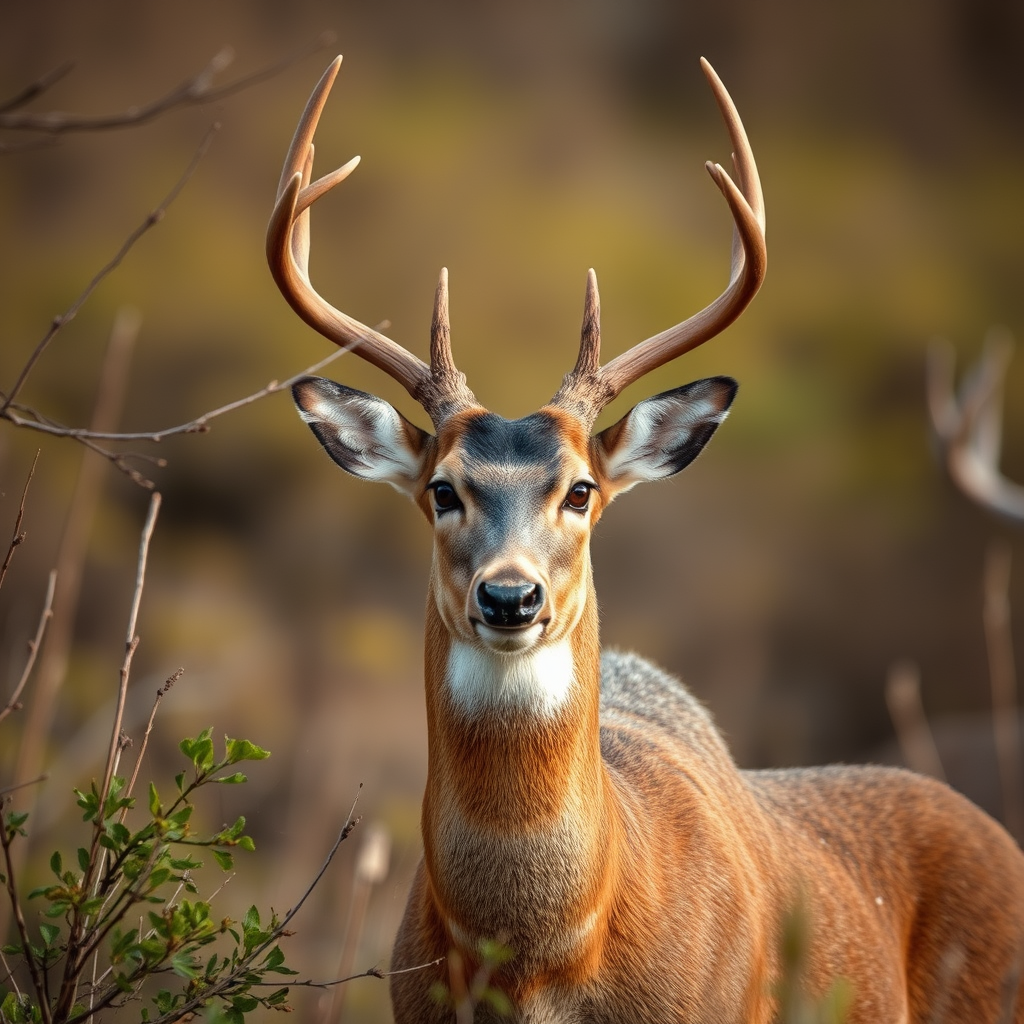
Yes, you can use a drone to recover deer in Michigan, provided you adhere to local laws and regulations regarding drone usage. Drones have emerged as a valuable tool for hunters, significantly enhancing tracking and retrieval efforts by utilizing advanced technology. However, it’s essential to understand the legal framework governing their use, as well as the ethical and practical implications of drone deployment in wildlife recovery.
Understanding Drone Regulations in Michigan
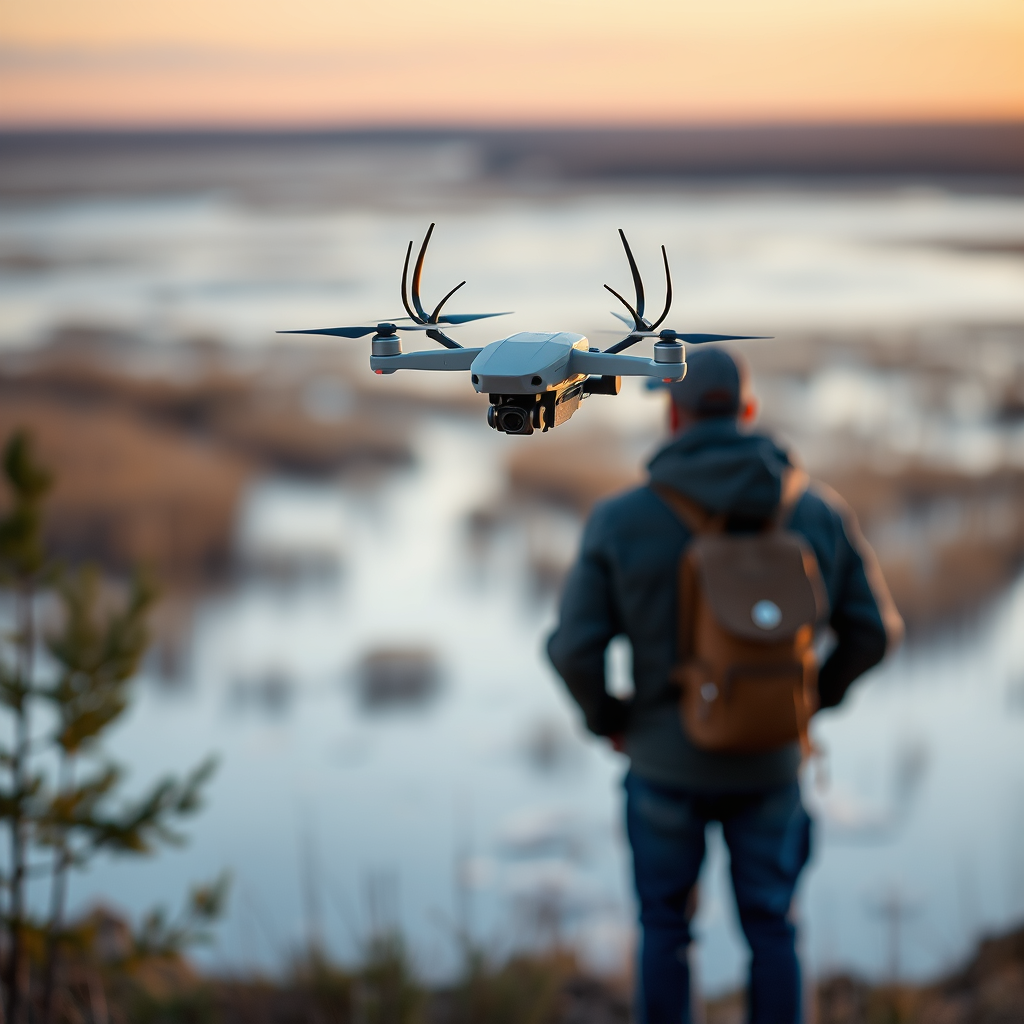
Before deploying a drone for deer recovery, it’s crucial to familiarize yourself with Michigan’s wildlife laws related to hunting and recovery. The Michigan Department of Natural Resources (DNR) has specific regulations that dictate how and when drones can be used in conjunction with hunting activities. For instance, while drones can be employed for tracking lost deer, they should not be used to scout hunting areas or influence the behavior of wildlife during active hunting seasons.
Additionally, drone operators must comply with the Federal Aviation Administration (FAA) regulations governing drone operation. This includes registering the drone if it weighs over 0.55 pounds and adhering to restrictions on altitude, airspace, and no-fly zones, particularly in areas with high wildlife activity or near populated regions. Understanding these regulations is vital to avoid legal complications while ensuring a responsible approach to deer recovery.
Advantages of Using Drones for Deer Recovery
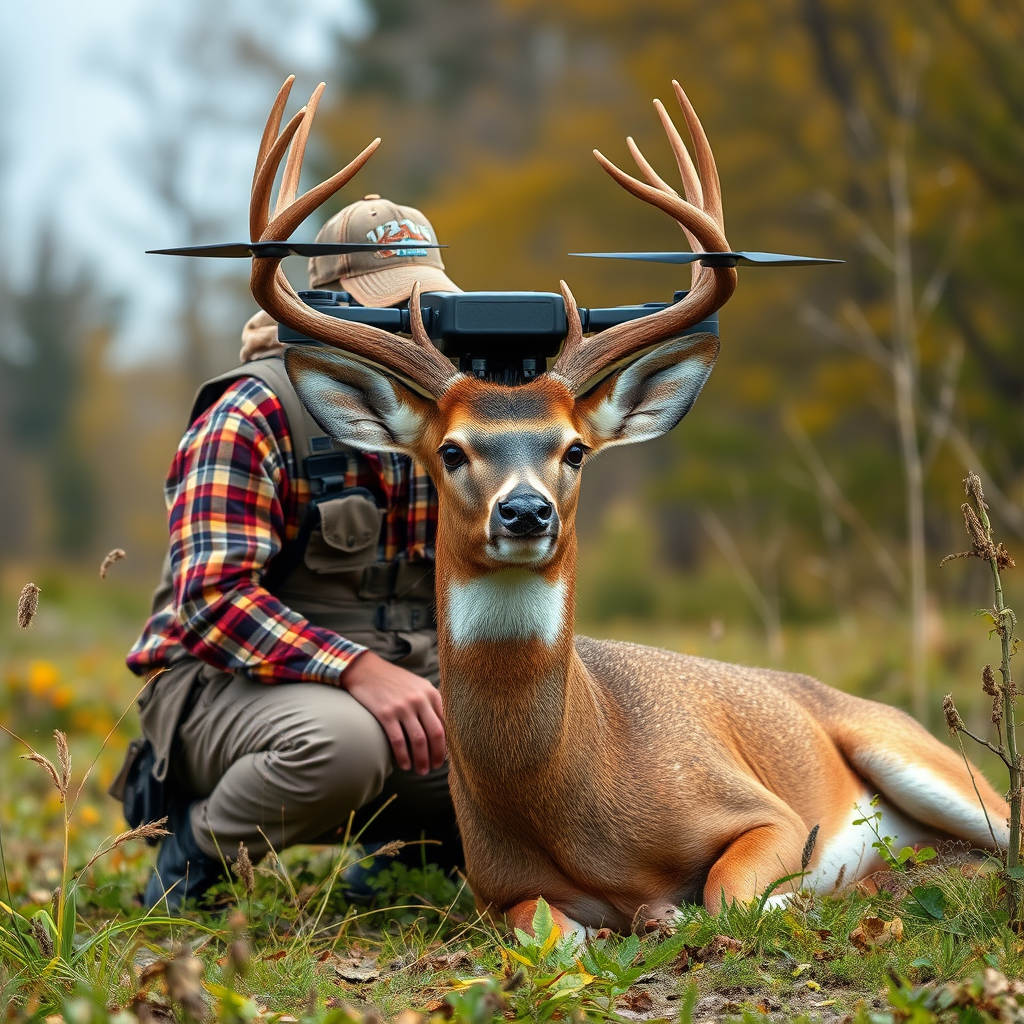
The implementation of drones in deer recovery presents several advantages that can enhance the efficiency of tracking efforts. One of the most significant benefits is their ability to cover extensive areas rapidly. Traditional search methods can be time-consuming and labor-intensive; however, drones can traverse large tracts of land in a fraction of the time, thereby increasing the likelihood of locating the deer.
Moreover, many drones are equipped with advanced thermal imaging technology. This feature allows hunters to detect body heat signatures, making it easier to spot deer hidden in dense foliage or concealed in low-light conditions during early mornings or late evenings. This capability is particularly beneficial during the recovery of deer that have been wounded but have not traveled far from the point of impact, as it can lead to quicker and more humane recoveries.
Limitations of Drone Use
Despite the advantages, there are several limitations to consider when using drones for deer recovery. Weather conditions play a crucial role in drone performance and visibility. For example, strong winds, rain, or snow can impede a drone’s flight stability and battery life, leading to potential failures or accidents. Therefore, hunters must be cautious and perhaps postpone drone usage during inclement weather.
Additionally, drones typically have limited battery life, often ranging from 20 to 30 minutes of active flight time, depending on the model and conditions. This necessitates careful planning before deployment; hunters should have a clear recovery area mapped out to optimize the drone’s flight duration. Carrying spare batteries or opting for drones with longer flight times can also ensure a more effective recovery process.
Best Practices for Drone Recovery
To maximize the effectiveness of drones in deer recovery, several best practices should be followed. First, ensure that your drone is equipped with the appropriate technology. Investing in a drone with thermal imaging capabilities can significantly enhance your ability to locate deer, particularly in challenging terrain.
When operating a drone, safety should always be a priority. Fly at a safe altitude to minimize the risk of collisions with wildlife or obstacles, and maintain a visual line of sight at all times. This not only ensures compliance with FAA regulations but also allows for better control over the drone, reducing the chances of losing it or causing disturbances in the area.
Furthermore, it’s advisable to familiarize yourself with the drone’s controls and features before taking it into the field. Practice flying in open areas to build confidence and competence, which will pay off in high-stakes recovery scenarios.
Ethical Considerations
The use of drones in deer recovery also raises important ethical considerations. Respecting wildlife and fellow hunters is paramount; the drone should not disturb other animals or interfere with the hunting activities of others in the area. Maintaining a respectful distance from other hunters and ensuring that the drone does not disrupt the natural environment is essential for fostering a collaborative hunting community.
Additionally, ethical hunting practices should guide the decision to use a drone. The primary goal of using this technology should be to enhance the humane recovery of wounded deer, not to gain an unfair advantage in hunting. Adopting a responsible approach to drone use reinforces the integrity of hunting as a sport and promotes sustainable wildlife management.
Case Studies and Success Stories
Several successful case studies illustrate the effectiveness of drones in deer recovery. One notable example involved a hunter in Michigan who used a drone equipped with thermal imaging technology to locate a deer that had been shot but was hiding in a dense thicket. Within minutes, the drone was able to pinpoint the deer’s location, significantly reducing the time it took for the hunter to recover the animal.
Feedback from hunters who have utilized drones in their recovery efforts has been overwhelmingly positive. Many report that drones not only enhance their ability to locate deer but also provide peace of mind during the recovery process. The technology has transformed the way hunters approach tracking, allowing them to focus more on enjoying the hunt rather than worrying about potential losses.
Future of Drone Technology in Hunting
The future of drone technology in hunting appears promising, with ongoing advancements likely to further assist in wildlife recovery efforts. Innovations such as improved battery life, enhanced imaging capabilities, and even AI-driven tracking systems are on the horizon. These advancements could lead to more efficient and effective recovery processes, reducing the time and effort required to locate injured wildlife.
As drone usage in hunting becomes more prevalent, it is also expected that regulations may evolve to accommodate these changes. Policymakers may consider establishing clearer guidelines that balance the benefits of drone technology with the need to preserve fair hunting practices and wildlife welfare.
In conclusion, using a drone to recover deer in Michigan is feasible and can significantly aid in the recovery process. However, it is crucial to be informed about the regulations and ethical practices involved. By understanding the legal framework, adhering to best practices, and considering the ethical implications, hunters can leverage drone technology effectively. As the hunting landscape continues to evolve, investing in drone technology could enhance your deer recovery efforts and provide a more efficient and humane approach to tracking wildlife.
Frequently Asked Questions
Can you legally use a drone to recover deer in Michigan?
Yes, you can legally use a drone to assist in recovering deer in Michigan, but there are specific regulations that must be followed. According to the Michigan Department of Natural Resources (DNR), drones can be used as long as they are not employed to hunt or harass wildlife. Ensure you check local laws and guidelines, as well as any updates from the DNR before using a drone for deer recovery.
What are the benefits of using a drone for deer recovery?
Utilizing a drone for deer recovery offers several advantages, including enhanced visibility over large areas of land, the ability to quickly locate downed deer in difficult terrain, and reduced stress on the animal and the surrounding environment. Drones equipped with thermal imaging can also help detect heat signatures, making it easier to find deer that may be hidden in thick brush or foliage.
How do I effectively use a drone for recovering deer?
To effectively use a drone for deer recovery, begin by familiarizing yourself with the drone’s controls and features. Use a drone with a high-resolution camera or thermal imaging capabilities for the best results. Plan your flight path to cover the area where you suspect the deer may be located, maintaining a safe altitude to avoid spooking any wildlife. It’s also essential to respect privacy and property boundaries while flying.
What are the best drone models for deer recovery in Michigan?
Some of the best drone models for deer recovery include the DJI Mavic 2 Enterprise Dual, which offers thermal imaging capabilities, and the DJI Phantom 4 Pro, known for its excellent camera quality and stable flight performance. These drones are user-friendly and provide high-resolution images, making them ideal for locating downed deer in various terrains, particularly in Michigan’s diverse landscapes.
Why should I consider using a drone for deer recovery instead of traditional methods?
Using a drone for deer recovery can significantly improve the efficiency and effectiveness of the search process compared to traditional methods. Drones can cover much larger areas in a shorter amount of time and can access difficult terrains that may be challenging for hunters on foot. Additionally, they minimize the disturbance to the surrounding wildlife and environment, enhancing the overall recovery experience.
References
- https://www.michigan.gov/dnr/0,4570,7-350-79119_79137_79142-474660–,00.html
- https://www.michigan.gov/documents/dnr/Drone_Use_in_Hunting_Informational_Bulletin_659115_7.pdf
- https://www.mlive.com/news/2021/11/michigan-dnr-officials-warn-against-using-drones-to-recover-deer.html
- https://www.outdoorlife.com/story/hunting/drone-use-hunting-legal-or-not/
- https://www.nraila.org/articles/20191218/michigan-dnr-issues-drones-and-hunting-warning
- https://www.michigan.gov/documents/dnr/Michigan_Hunting_&_Trapping_guide_2021_735454_7.pdf
