

Yes, you can use drones in Thailand, but there are specific regulations and requirements you must follow. The Thai government has established comprehensive rules to ensure the safe and responsible operation of drones throughout the country. Understanding these legal frameworks and safety guidelines is essential for a hassle-free experience while capturing breathtaking aerial views of Thailand’s stunning landscapes, bustling cities, and rich cultural heritage.
Understanding Drone Regulations in Thailand
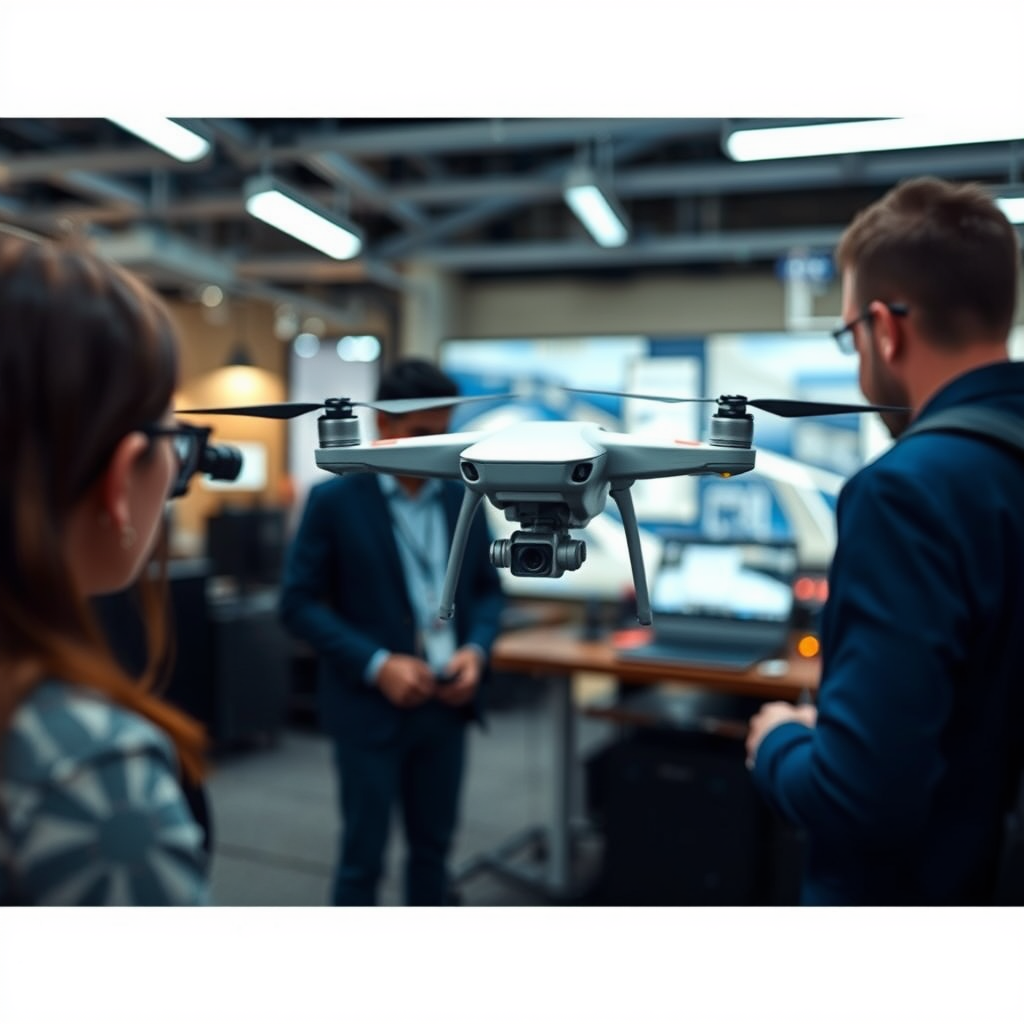
The Civil Aviation Authority of Thailand (CAAT) is the primary governing body overseeing drone use in the country. Their regulations are designed to ensure the safety of air traffic and the general public. One of the most critical aspects of these regulations pertains to the weight of the drone. Drones weighing over 2 kg must be registered with the CAAT and require a specific permit for operation. This registration process includes providing detailed information about the drone, such as its make and model, as well as the pilot’s identification.
Moreover, even drones weighing less than 2 kg are subject to certain regulations. For instance, all drone operators, regardless of weight, are encouraged to familiarize themselves with the local airspace rules and operational guidelines to avoid any potential legal issues. Failure to comply with CAAT regulations can result in fines or even confiscation of the drone.
Required Licenses and Permits
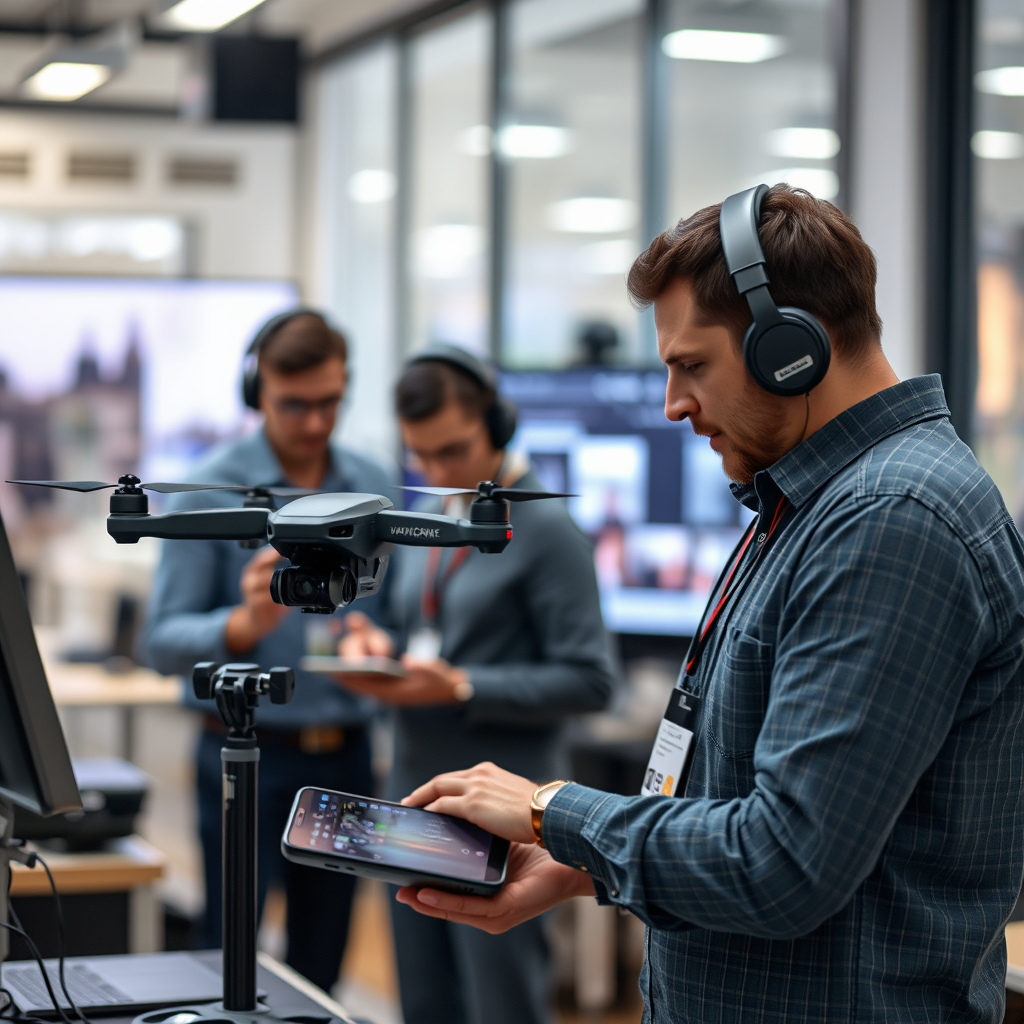
If you plan to use your drone for commercial purposes in Thailand, obtaining a drone pilot license through the CAAT is mandatory. This involves passing an exam that assesses your understanding of aviation regulations, drone operation, and safety procedures. The license is valid for five years and can be renewed upon expiration.
For recreational drone users, while a license may not always be necessary, registering your drone online is advisable. A simple online registration process is available through the CAAT’s official website, where users must provide their drone’s specifications and personal identification. This not only helps in compliance but also fosters accountability among drone users in Thailand.
No-Fly Zones and Restricted Areas
Thailand is a country rich in cultural and natural landmarks, many of which are designated as no-fly zones. Key tourist locations such as the Grand Palace in Bangkok, national parks like Khao Sok, and areas near airports are off-limits for drone operation. Additionally, military zones and government buildings are also restricted areas.
To ensure compliance with these restrictions, it is essential to regularly check for the latest updates on no-fly zones. The CAAT provides resources and maps indicating these areas, which can change frequently due to events, security concerns, or new regulations. Utilizing drone applications that provide real-time updates on airspace restrictions can also be beneficial for pilots.
Safety Guidelines for Drone Operation
Operating a drone safely is of utmost importance to avoid accidents and legal repercussions. One of the primary safety guidelines is to maintain a visual line of sight with your drone at all times. This ensures that the pilot is aware of the drone’s position and can react promptly in case of any emergencies.
Additionally, it is crucial to avoid flying over crowds, private property, or sensitive locations without prior permission. Respecting the privacy of individuals is not only a legal requirement but also a social responsibility. It is advisable to seek consent from property owners if you plan to capture images or videos of their premises.
Furthermore, flying during adverse weather conditions, such as heavy rain or strong winds, should be avoided to ensure safe operation. Pilots must also adhere to altitude restrictions, which typically limit drone flights to a maximum of 90 meters (approximately 300 feet) above ground level.
Insurance and Liability Considerations
As with any form of equipment operation, drone users in Thailand should consider purchasing insurance to cover potential damages or accidents. Drone insurance can protect against liability claims resulting from property damage or personal injury caused by drone operations.
Familiarizing oneself with local laws regarding liability and compensation is also essential. In the event of an accident, understanding your legal responsibilities can help mitigate risks and provide clarity on potential repercussions. Engaging with local drone communities or forums can offer insights into best practices regarding insurance and liability management.
Tips for Responsible Drone Use
Engaging in responsible drone use not only adheres to legal requirements but also fosters a positive relationship between drone pilots and the public. One of the foremost tips is to respect the privacy of individuals and their property. This means avoiding intrusive surveillance and ensuring that you are not capturing images or videos without consent.
Additionally, being mindful of local customs and cultural sensitivities is crucial, especially in a diverse country like Thailand. Certain areas may have specific cultural practices that drone operators should be aware of to avoid offending local communities.
Lastly, collaborating with local guides or drone enthusiasts can enhance your experience and provide valuable insights on the best locations and practices for drone flying in Thailand. Engaging with local experts can also help you navigate the nuances of drone operation in various regions.
In conclusion, while using a drone in Thailand is permissible, adhering to the legal requirements and safety guidelines is crucial. Understanding the regulations set forth by the CAAT, obtaining the necessary licenses, and being aware of no-fly zones will ensure that drone operators can enjoy their experience without encountering legal complications. By following safety guidelines and respecting local customs, pilots can responsibly capture the beauty of Thailand from above. Happy flying!
Frequently Asked Questions
What are the regulations for using drones in Thailand?
In Thailand, drone regulations are primarily governed by the Civil Aviation Authority of Thailand (CAAT). To legally operate a drone, you must register it if it weighs more than 2 kilograms and obtain a permit for commercial use. Additionally, flying drones in restricted areas, such as near airports, military zones, and national parks, is prohibited without special permission. Always ensure to follow local laws to avoid fines or confiscation.
How can I register my drone in Thailand?
To register your drone in Thailand, visit the Civil Aviation Authority of Thailand (CAAT) website to access the online registration system. You’ll need to provide details such as the drone’s specifications, your identification, and possibly proof of insurance. The process can take several days, so it’s advisable to register well in advance of your planned flight.
Why is it important to follow drone regulations in Thailand?
Following drone regulations in Thailand is crucial to ensure safety and compliance with the law. Non-compliance can lead to severe penalties, including fines and confiscation of equipment. Moreover, adhering to these regulations helps protect the privacy of individuals and the integrity of sensitive areas, such as cultural sites and wildlife habitats, which is essential for responsible drone use.
What are the best places to fly a drone in Thailand?
Some of the best places to fly a drone in Thailand include scenic locations like the beaches of Phuket, the ancient ruins in Ayutthaya, and the breathtaking landscapes in Chiang Mai. However, ensure that you have the necessary permissions and respect local guidelines to avoid disturbing wildlife or violating privacy in populated areas. Always check for no-fly zones to ensure a safe and legal flying experience.
Which drones are recommended for use in Thailand?
When choosing a drone for use in Thailand, consider models known for their reliability, such as the DJI Mavic Air 2 or the DJI Mini 2, which are portable and offer excellent camera quality. Ensure your drone complies with CAAT regulations regarding weight and registration. Additionally, consider drones that have features like GPS and obstacle avoidance for safer flying in diverse environments.
References
- https://en.wikipedia.org/wiki/Drone_regulations_in_Thailand
- https://www.bbc.com/news/world-asia-58892106
- https://www.thaiembassy.com/drone-laws-in-thailand
- https://www.gov.uk/guidance/drone-safety-when-flying-in-the-uk
- https://www.thaipbsworld.com/thailand-issues-new-drone-regulations/
- https://www.tourismthailand.org/Articles/Drone-Photographers-in-Thailand
- https://www.thaipbsworld.com/what-you-need-to-know-about-flying-drones-in-thailand/
