

Yes, you can use drones in Japan, but there are specific regulations and guidelines you must follow. Understanding these rules is crucial for safe and legal drone operation in the country. Japan has emerged as one of the leading nations in drone technology, with applications ranging from agriculture to disaster management. However, navigating the legal landscape is essential for both recreational and commercial drone enthusiasts to avoid hefty fines and ensure public safety.
Understanding Japanese Drone Regulations
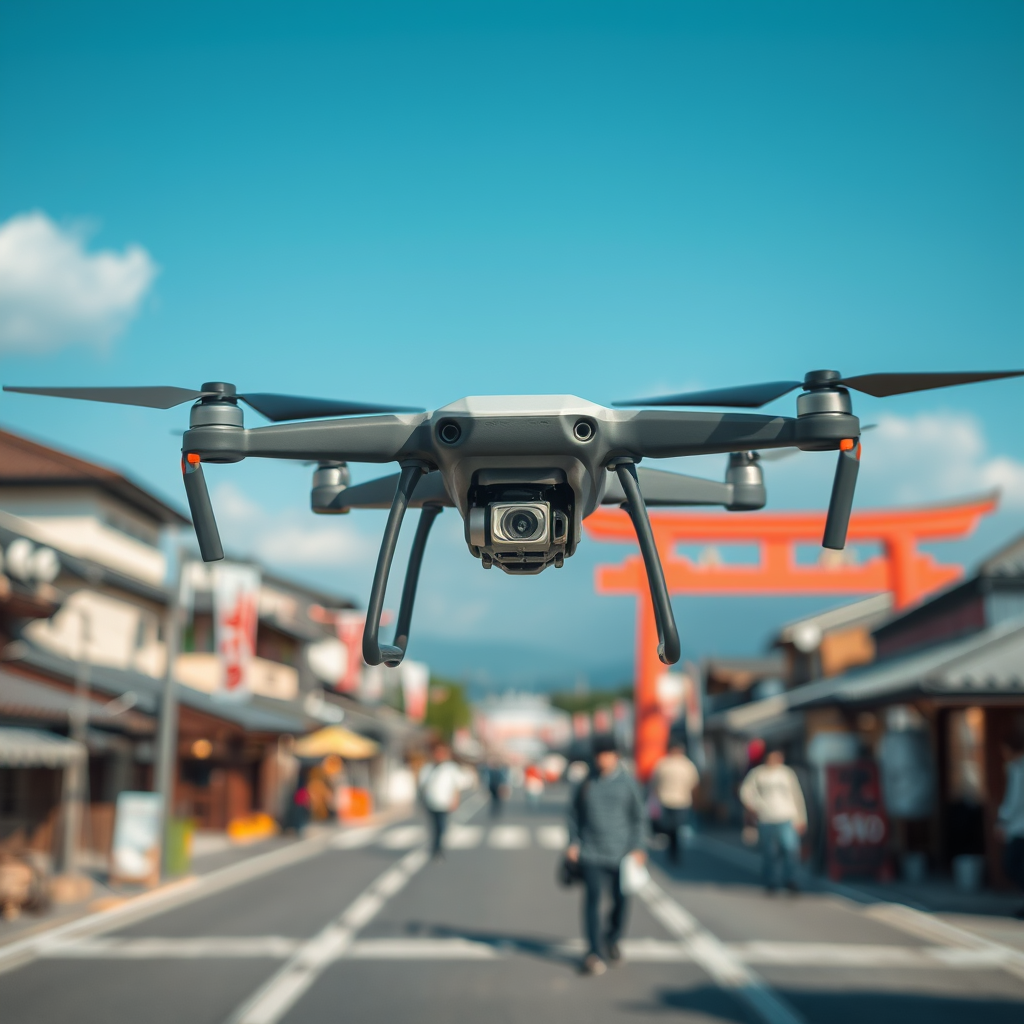
Japan has strict laws regarding drone use to ensure safety and privacy. The Japan Civil Aviation Bureau (JCAB) oversees drone operation regulations, which are designed to manage the increasing number of unmanned aerial vehicles (UAVs) in the airspace. These regulations cover various aspects, including where and how drones can be flown, the responsibilities of operators, and safety protocols to minimize accidents and disturbances.
The regulations were significantly updated in December 2020, introducing a more comprehensive framework that includes operational limitations, mandatory registration, and pilot certification. As drone technology continues to evolve, the JCAB is committed to updating these regulations to address new challenges while promoting the safe integration of drones into Japan’s airspace.
Registration and Licensing Requirements
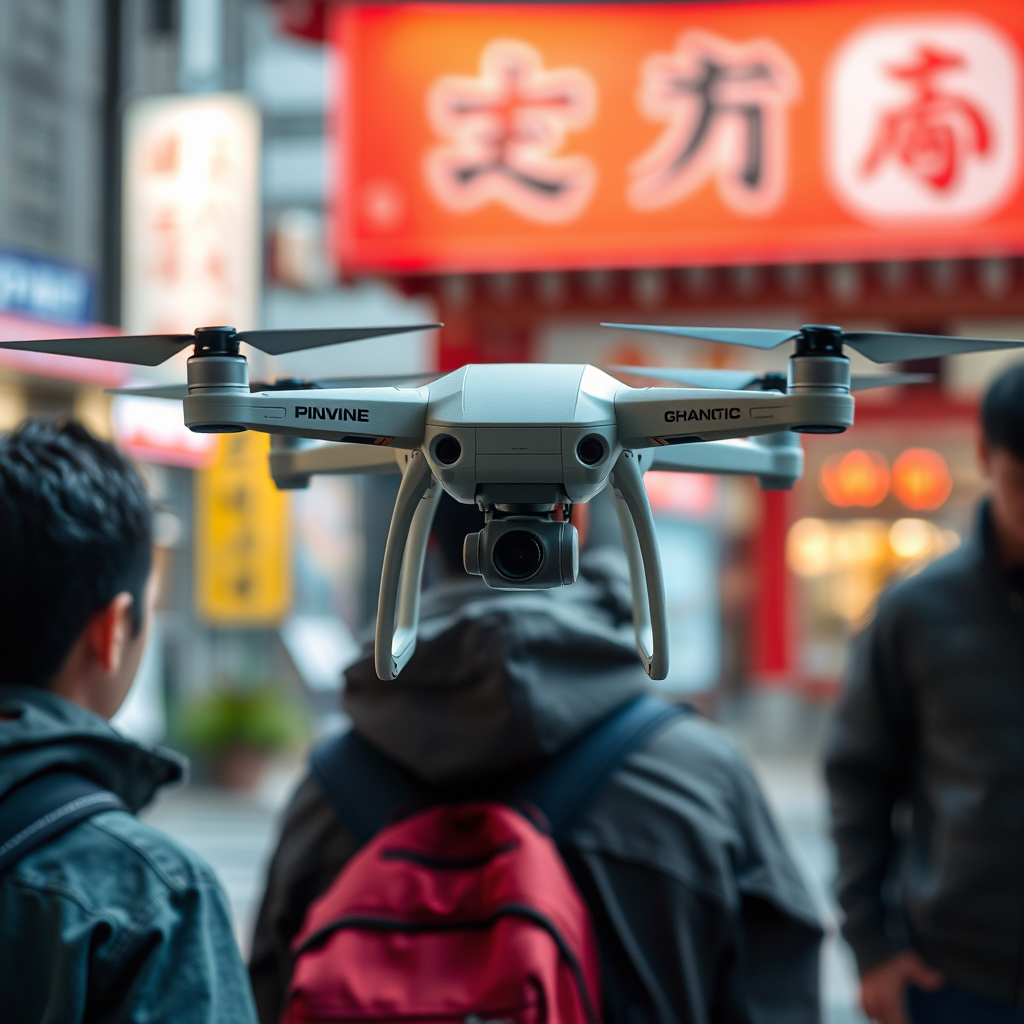
All drones weighing over 200 grams must be registered with the JCAB. This requirement is part of the government’s effort to maintain a secure airspace and track drone operators. The registration process is relatively straightforward and can often be completed online. It requires the submission of specific details about the drone and its operator, including identification information.
Operators may need to obtain a license depending on the drone’s use case, such as commercial purposes. For commercial drone operations, pilots must obtain a specific type of certification known as the “Drone Pilot License,” which involves passing written and practical examinations. This licensing system aims to ensure that operators have a thorough understanding of aviation laws, safety protocols, and emergency procedures, thereby enhancing overall airspace safety.
No-Fly Zones and Restricted Areas
Certain areas like airports, densely populated regions, and government facilities are designated no-fly zones. The JCAB has established these zones to protect sensitive areas and ensure the safety of the public. Notably, flying near airports can pose significant risks to manned aircraft, and violations can result in severe penalties.
In addition to no-fly zones, there are also restricted areas where drone flights may be permitted only under specific conditions or with prior authorization. For instance, flying over national parks or historical sites may require special permission to prevent disturbances to wildlife and preserve cultural heritage. Operators are strongly advised to consult local regulations and airspace maps before planning a flight to avoid fines or penalties.
Safety Guidelines for Drone Operators
Maintaining safety while operating drones is paramount. Operators should adhere to several critical guidelines to ensure safe flying experiences. Firstly, it is essential to maintain a visual line of sight with your drone at all times. This practice not only helps in avoiding obstacles but also ensures that the operator can react swiftly to any unforeseen circumstances.
Furthermore, avoiding flying above 150 meters (492 feet) unless you have special permission is crucial. This altitude limit is in place to prevent interference with manned aircraft and to maintain safe airspace. Operators must also refrain from flying at night unless they possess the necessary permissions and equipment to ensure visibility.
Lastly, drone operators should always conduct a pre-flight check, ensuring that the drone is in good operational condition, the battery is fully charged, and all systems are functioning correctly. Following these guidelines fosters a safer flying environment for everyone.
Insurance and Liability Considerations
While not mandatory, obtaining drone insurance is highly recommended to cover potential damages. Drone insurance can protect operators from financial liabilities stemming from accidents, property damage, or third-party injuries. Various insurance providers offer specialized drone insurance policies that cater to both recreational and commercial users.
Operators may be held liable for any accidents or injuries caused by their drone. This means that if a drone were to malfunction and cause damage to property or harm a person, the operator could face substantial financial consequences. By investing in insurance, operators not only safeguard themselves against potential liabilities but also contribute to a culture of accountability within the drone community.
Cultural and Ethical Considerations
Respecting the privacy of individuals is paramount when operating drones in Japan. Avoid flying over private property without permission, as this can lead to legal disputes and damage relationships with local residents. Japan places a high value on individual privacy, and drone operators must be aware of cultural sensitivities surrounding personal space.
Additionally, be conscious of local customs and sensitivities, especially in rural areas. Drones can be perceived as intrusive, particularly in communities that prioritize traditional ways of life. Engaging with locals and seeking permission before flying can foster goodwill and reduce the likelihood of conflicts. By approaching drone usage with cultural sensitivity, operators can enjoy their experience while respecting the community’s values.
In conclusion, while using drones in Japan is permissible, it’s essential to adhere to the regulations and guidelines set forth by the authorities. The framework established by the JCAB aims to promote safety, privacy, and responsible drone usage. By understanding the registration and licensing requirements, respecting no-fly zones, following safety guidelines, considering insurance options, and engaging ethically with local communities, drone operators can enjoy a rewarding experience in Japan’s diverse landscapes.
Frequently Asked Questions
What are the regulations for using drones in Japan?
In Japan, drone usage is regulated by the Civil Aviation Bureau (CAB) under the Ministry of Land, Infrastructure, Transport, and Tourism. Users must comply with several regulations, including maintaining a visual line of sight, avoiding populated areas, and flying below 150 meters. Additionally, drone operators must register their drones if they weigh over 200 grams and obtain a license if they intend to use them for commercial purposes.
How can I obtain a drone pilot license in Japan?
To obtain a drone pilot license in Japan, you must complete a training course from an approved school that covers topics like flight operation, safety regulations, and emergency procedures. After completing the course, you will need to pass a written exam and a practical flight test. Once you pass, you will receive a certification that allows you to operate drones commercially across Japan.
Why is it important to follow drone regulations in Japan?
Following drone regulations in Japan is crucial for ensuring public safety, protecting privacy, and preventing accidents. Japan has a densely populated landscape, and violating drone laws can lead to severe consequences, including fines and criminal charges. Additionally, adhering to the regulations helps maintain the integrity of airspace and fosters a positive relationship between drone operators and local communities.
What are the best places to fly drones in Japan?
Some of the best places to fly drones in Japan include scenic locations like Mount Fuji, the Japanese Alps, and the coastal areas of Okinawa, where breathtaking landscapes are abundant. However, ensure you check local regulations and restrictions, as certain areas, such as national parks and urban zones, may have specific no-fly zones. Always prioritize safety and obtain any necessary permissions before flying.
Which types of drones are popular for use in Japan?
In Japan, popular drones include models from well-known brands like DJI, such as the Mavic Air 2 and Phantom 4, known for their high-quality cameras and user-friendly interfaces. Enthusiasts also favor racing drones and mini-drones for recreational use. The choice of drone often depends on the intended purpose, whether for photography, racing, or commercial applications, so consider your needs when selecting a model.
References
- https://www.japan.travel/en/uk/inspiration/guide-to-drones-in-japan/
- https://www.mlit.go.jp/en/
- https://www.japan.go.jp/tomodachi/2020/drones.html
- https://www.reuters.com/article/us-japan-drones-regulations-idUSKBN1Y30J3
- https://www.bbc.com/news/technology-51116597
- https://www.nippon.com/en/news/yjj2020011700860/
- https://www.japannews.com.au/faq-on-drone-use-in-japan/
