
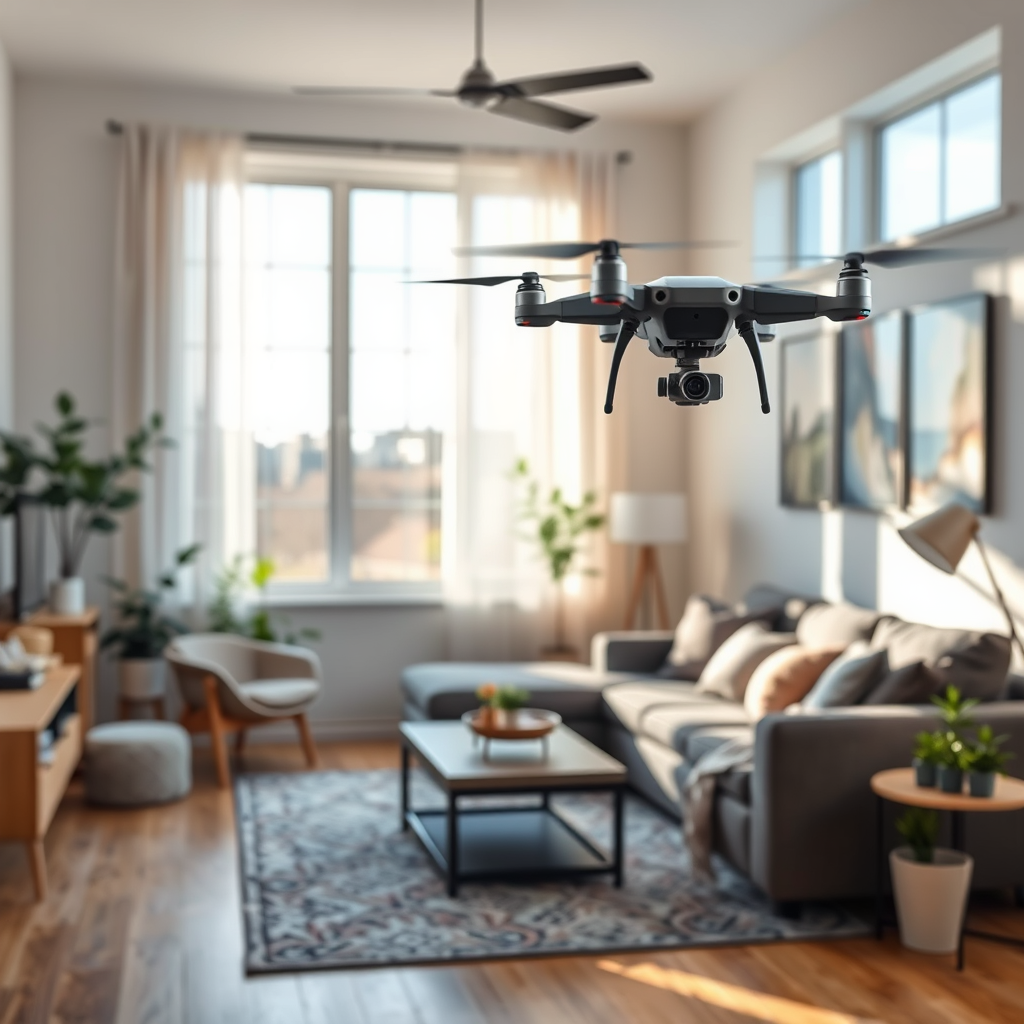
Drones can typically fly as close as 100 feet to private residences, but regulations vary by location and purpose. Understanding the legal limits and safety considerations is essential for drone operators and homeowners alike. As drone technology continues to evolve, so do the laws surrounding their operation. This article will explore the factors that influence how close a drone can legally approach your home, providing insights into regulations, safety practices, privacy implications, and future trends.
Understanding Drone Regulations
Drones are subject to Federal Aviation Administration (FAA) regulations in the U.S., which serve as the foundational legal framework governing their operation. According to the FAA, recreational drone operators must fly their devices within visual line of sight, typically under 400 feet above ground level, and maintain a safe distance from people and structures. The general guideline is that drones should not fly closer than 100 feet to private residences unless the operator has the consent of the homeowner.
However, local laws may impose additional restrictions on drone flights near residential areas. For example, some cities and states have enacted specific ordinances that restrict drone use in populated areas or near private property without permission. These regulations can vary significantly from jurisdiction to jurisdiction, underscoring the importance of checking with local authorities before flying. Operators should consult their local government or city ordinances to ensure compliance with all applicable laws.
Safety Distances and Best Practices
Maintaining a safe distance while operating a drone is crucial for protecting privacy and minimizing noise disturbances. Many experienced drone operators adhere to a self-imposed guideline of flying at least 50-100 feet away from private residences. This practice not only helps prevent potential conflicts with homeowners but also reduces the risk of accidents, particularly in crowded or suburban areas where obstacles such as trees, power lines, and buildings may obstruct flight paths.
In addition to maintaining safe distances, drone operators should prioritize best practices that enhance safety and respect for others. For example, flying during daylight hours, avoiding crowded areas, and using pre-flight checklists can contribute to safe operation. Operators should also be mindful of weather conditions that could affect flight stability and control, such as high winds or inclement weather. These practices not only protect the operator and the drone but also foster goodwill with neighbors who might otherwise be concerned about the drone’s presence.
Privacy Concerns and Legal Implications
Drones equipped with cameras can raise significant privacy issues for homeowners. The ability to capture high-resolution images and video from the sky has led to concerns about potential invasions of privacy, especially if drones are flown close to residential properties. Homeowners have expressed fears that their private activities could be recorded without consent, leading to a sense of surveillance and unease.
In light of these concerns, several states have enacted laws specifically addressing drone use and privacy. For instance, some states impose restrictions on the use of drones for surveillance purposes without proper authorization, while others allow individuals to bring legal action against drone operators who invade their privacy. This legal landscape necessitates that drone operators understand the implications of their flying practices, as privacy violations can lead to legal actions, fines, or even criminal charges. Operators should consider obtaining permission from homeowners before flying near their properties, thereby promoting transparency and respect.
Drone Operation for Commercial vs. Personal Use
The regulatory landscape for drone operation varies significantly between commercial and personal use. Commercial drones, which are used for purposes such as aerial photography, surveying, or delivery services, are subject to stricter FAA regulations compared to recreational drones. Operators of commercial drones must obtain a Remote Pilot Certificate, which requires passing an FAA knowledge test, and must adhere to specific operational guidelines, including obtaining necessary permits for flying in certain airspace.
In contrast, recreational drone users are subject to less stringent requirements but still must comply with the FAA’s basic operational rules. It is essential for both commercial and personal drone operators to be well-informed about their respective legal obligations. For commercial operators, understanding the nuances of local regulations and securing the appropriate permissions can mean the difference between successful operation and potential legal repercussions. The intersection of commercial interests and community concerns about drone use makes it critical for operators to navigate this landscape carefully.
Neighborly Relations and Communication
Open communication with neighbors about drone activities can alleviate tensions and foster a sense of community. Many homeowners may feel uneasy about drones flying close to their properties, often due to a lack of understanding about the technology and its purposes. By proactively discussing flight plans and the intended use of drones, operators can demystify the technology and address any concerns that neighbors may have.
Offering to share flight plans, such as the altitude and duration of flights, can promote mutual understanding and goodwill. Additionally, operators might consider inviting neighbors to participate in drone demonstrations or educational sessions, which could help dispel fears and encourage a positive relationship. Building rapport and trust with those living nearby not only enhances the flying experience for operators but also creates a more tolerant environment for drone activities within the community.
Future Trends in Drone Regulations
Anticipated changes in legislation may significantly impact how close drones can fly to homes. As drone technology continues to advance, regulators are grappling with how to address new capabilities and potential safety concerns. For example, the integration of drone delivery services into urban environments raises questions about airspace management and privacy that existing regulations may not adequately cover.
Furthermore, advancements in drone technology, such as improved sensing capabilities and autonomous flight systems, may necessitate updated regulations to ensure safe and responsible operation. The FAA and local authorities may begin implementing more sophisticated guidelines that balance innovation with public safety and privacy concerns. Operators should remain vigilant and engaged with ongoing discussions regarding drone legislation to adapt to any regulatory changes that may arise.
In conclusion, while drones can fly close to your house, various regulations and safety considerations must be taken into account. Understanding the legal limits, privacy implications, and best practices helps ensure a harmonious coexistence between drone enthusiasts and homeowners. By fostering communication and remaining informed about evolving laws, both operators and homeowners can navigate this dynamic landscape effectively, creating a respectful and responsible drone culture.
Frequently Asked Questions
What are the legal regulations for flying a drone near residential areas?
The legal regulations for flying a drone near residential areas vary by country and region. In the United States, the Federal Aviation Administration (FAA) requires drone operators to fly below 400 feet and maintain a line of sight. Additionally, flying over private property without permission can lead to legal issues, so it’s essential to check local laws and ordinances regarding drone use in residential zones.
How close can a drone fly to my house without violating privacy laws?
While there are no universal laws regarding how close a drone can fly to your house, privacy laws generally protect individuals from being surveilled without consent. In many areas, a drone operator should maintain a distance that respects personal privacy, typically not flying lower than 200 feet directly above private property unless they have permission. Always consult local regulations to understand the specifics of privacy laws related to drones in your area.
Why are drones restricted from flying near homes?
Drones are often restricted from flying near homes primarily to protect residents’ privacy and safety. The potential for invasive surveillance and accidents increases significantly in densely populated areas. Additionally, noise pollution and potential disturbances to wildlife contribute to the restrictions placed on drone flight near residential properties.
What should I do if a drone is flying too close to my house?
If a drone is flying too close to your house and causing concern, first observe its behavior and try to determine the operator’s intent. If the drone appears to be violating privacy laws or regulations, you can report it to local law enforcement or the FAA. It’s also advisable to discuss the matter with the drone operator, if safe to do so, to address any concerns directly.
Which drones are best for flying in residential areas?
When choosing a drone for flying in residential areas, it’s best to look for models that are compact, have low noise output, and come equipped with obstacle avoidance technology. Drones like the DJI Mini series are popular due to their lightweight design and quiet operation, making them suitable for use in neighborhoods. Always ensure that the drone you select complies with local regulations to avoid any issues while flying.
References
- https://en.wikipedia.org/wiki/Drone_regulations
- https://www.faa.gov/uas/getting_started/part_107
- https://www.nytimes.com/2021/04/02/technology/drone-laws.html
- https://www.reuters.com/technology/us-transportation-department-proposes-rules-drones-flying-beyond-visual-line-sight-2021-04-21/
- https://www.nolo.com/legal-encyclopedia/drone-laws-your-state-29518.html
- https://www.faa.gov/uas/resources/policies_regulations/
- https://www.bbc.com/news/technology-49591139
- https://www.techrepublic.com/article/what-you-need-to-know-about-drone-regulations-in-the-us/
- https://www.npr.org/2020/10/12/921444797/the-faa-plans-to-allow-drones-to-fly-over-cities-and-people
- https://www.surveysystem.com/standard-drone-regulations-in-the-u-s/
