
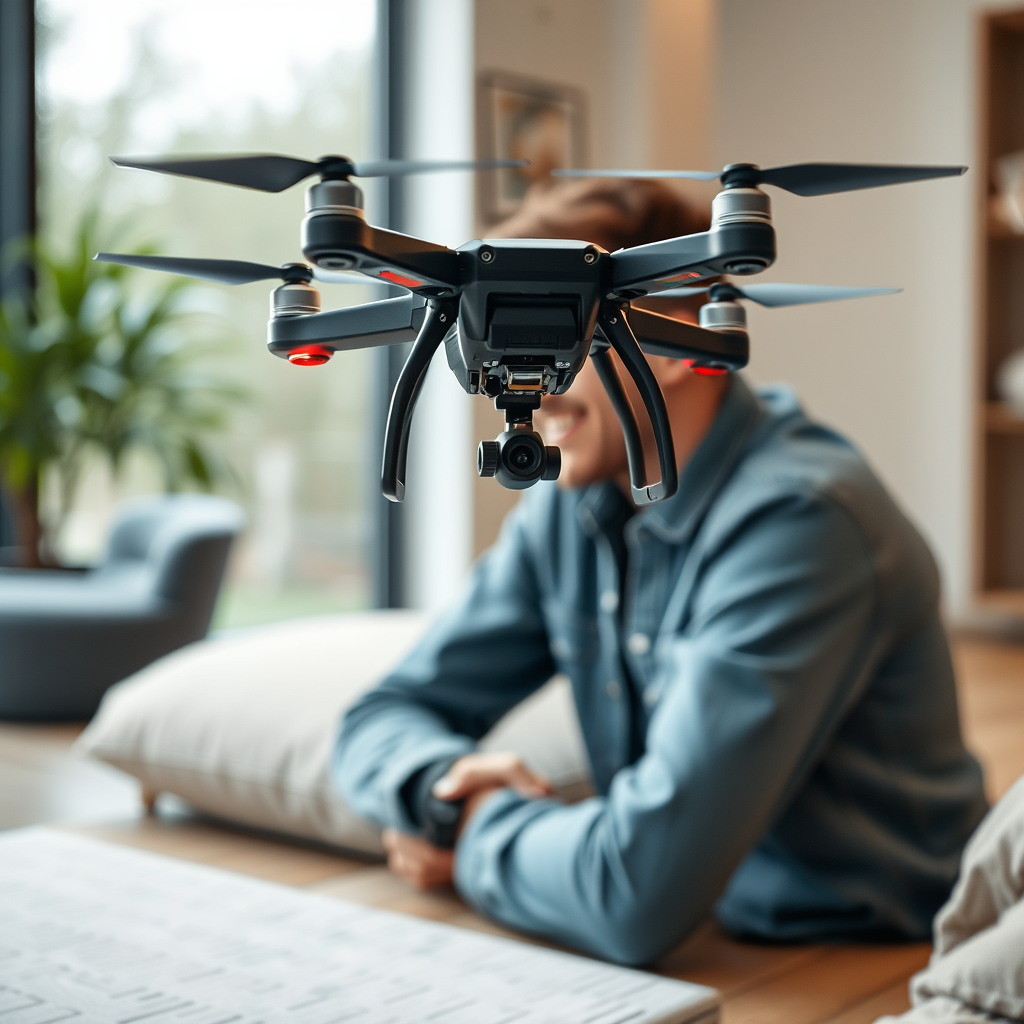
Drones can typically be controlled from distances ranging from a few hundred meters to several kilometers, depending on the type of drone and the technology used. The range is influenced by several factors, including communication technologies, environmental conditions, and regulatory restrictions. In this article, we will explore the intricacies of drone control distance, the technologies involved, the impact of regulations, and practical applications across various industries.
Understanding Drone Control Range
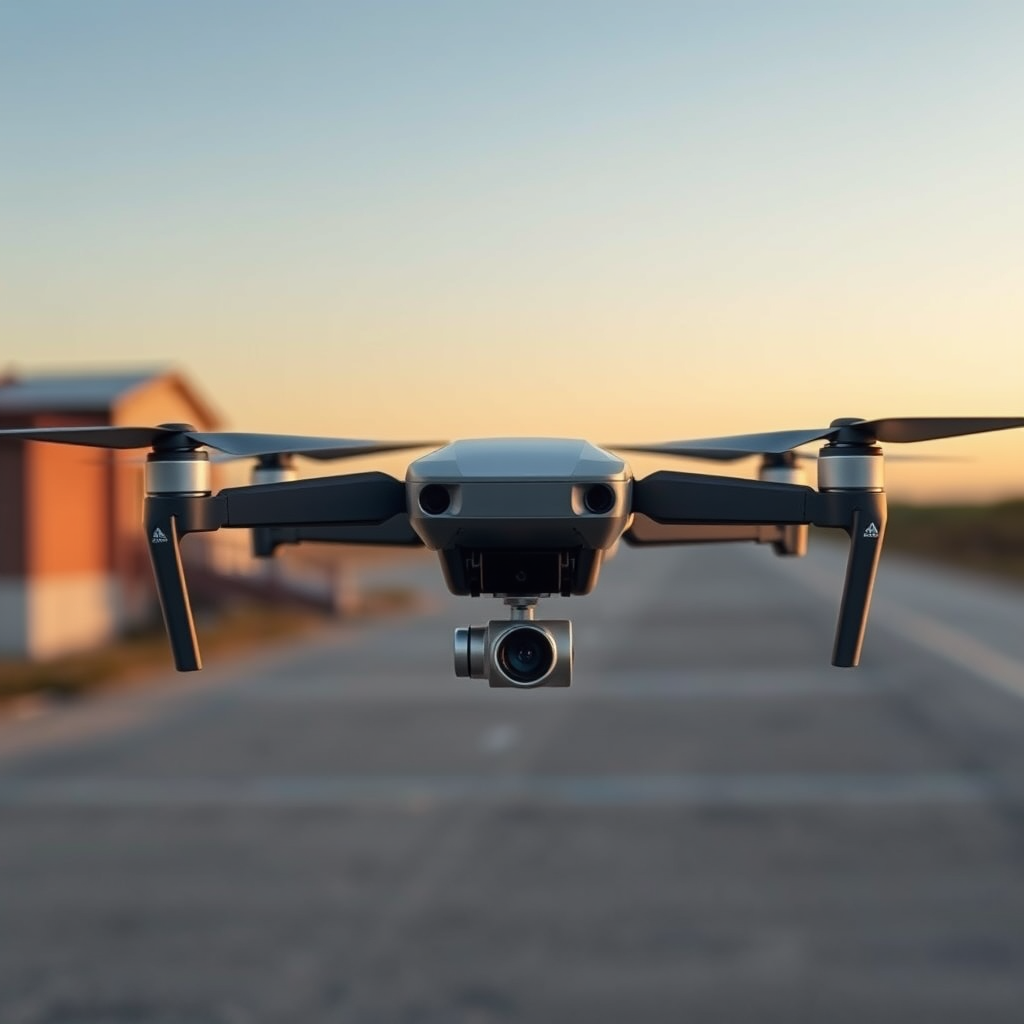
Drones employ a variety of communication technologies to establish a connection between the pilot and the aircraft. Primarily, drones utilize radio frequency (RF) communication, which is the most common method for controlling drones over long distances. This technology allows for stable and reliable control, with many consumer drones operating effectively within a range of 500 meters to 2 kilometers. Advanced models, particularly those designed for commercial use, can extend this range significantly, sometimes reaching up to 10 kilometers or more.
In addition to RF communication, some drones use Wi-Fi for control, which typically offers a shorter range due to signal attenuation and interference. Wi-Fi-enabled drones are often limited to a few hundred meters, making them suitable for indoor or close-range applications. The specific model and its design also play a crucial role; for instance, high-end drones used in cinematography or industrial inspections often incorporate advanced technologies like LTE or satellite communication, allowing for greater distances.
Factors Affecting Control Distance

Several factors can influence the operational range of a drone, and understanding these can help operators maximize their device’s potential. Environmental conditions are paramount; obstacles such as buildings, trees, and terrain can obstruct signals, causing a significant reduction in range. Moreover, radio interference from other electronic devices can disrupt communication between the drone and its controller, further limiting distance.
Battery life is another critical aspect. Drones rely on battery power not only for flight but also for maintaining communication signals. A drone with a low battery may experience a weaker connection, which can shorten its operational range. The power output of the transmitter is also essential; drones with higher transmission power can achieve longer distances but may also consume battery life more rapidly.
Temperature and weather conditions can also impact drone performance. For example, extreme temperatures can affect battery efficiency, while high winds or rain can impede flight stability, forcing operators to keep their drones within a safer, shorter range.
Regulatory Limitations
Regulatory frameworks governing drone operation vary by country, and these laws often impose restrictions on how far a drone can be flown from its operator. In many jurisdictions, regulations stipulate that drones must remain within the visual line of sight (VLOS) of the pilot, effectively limiting their range to a few hundred meters. In the United States, the Federal Aviation Administration (FAA) has established guidelines that require operators to maintain VLOS, which can restrict the use of drones in commercial applications where longer ranges may be beneficial.
Internationally, regulations can differ significantly. For example, some countries have begun to adopt Remote Identification requirements, mandating that drones broadcast their location and identification information. Understanding these legal implications is essential for responsible drone operation, as non-compliance can result in fines or restrictions on future drone use.
Different Types of Drones
The type of drone in use significantly influences its control range. Consumer drones, typically used for recreational purposes, generally have shorter ranges due to their design and intended use. These drones, such as the DJI Mavic Mini, can typically fly up to 4 kilometers, but many users find optimal control within 1-2 kilometers.
In contrast, professional and commercial drones, like the DJI Matrice series, are engineered for extended range and enhanced capabilities. These drones can often reach distances of 5 kilometers or more, making them suitable for applications such as mapping, surveying, and search and rescue operations.
Racing drones are another category worth mentioning. While they are built for speed and agility, they often have limited control distances due to their lightweight design and the reliance on FPV (first-person view) systems. These drones typically operate within 1-2 kilometers, focusing on rapid maneuvers rather than long-distance travel.
Best Practices for Long-Distance Control
For operators seeking to maximize their drone’s control distance, several best practices can be implemented. One effective approach is to utilize signal boosters or antennas specifically designed to enhance the transmission range. These devices can amplify the signal, allowing for more extended control over the drone and reducing the likelihood of signal loss.
Regularly updating drone firmware and software is another crucial practice. Manufacturers frequently release updates that improve communication protocols and enhance the overall performance of the drone. Staying current with these updates can significantly improve the range and reliability of drone operations.
Additionally, pre-flight planning is essential. Conducting a thorough assessment of the flight area, including identifying potential obstacles and sources of interference, can help operators make informed decisions about how far they can safely fly their drones. Operators should also consider flying at higher altitudes when possible, as this can help mitigate interference from ground-level obstacles.
Real-World Applications
Drones have found numerous applications across various industries, each with specific range requirements based on the task at hand. In agriculture, drones are used for crop monitoring and precision farming, often requiring a range of 1-3 kilometers to cover large fields efficiently. In this context, understanding the control distance is vital for effective data collection and management.
In surveillance and security, drones are employed for monitoring large areas, such as borders or event venues. These applications may necessitate longer ranges, sometimes exceeding 5 kilometers, to ensure comprehensive coverage. Similarly, in the delivery industry, companies like Amazon are exploring drone delivery systems that require reliable long-distance control to transport packages efficiently.
In search and rescue operations, drones can be invaluable tools, enabling rapid assessments over vast areas. These missions often require drones to cover distances of several kilometers while maintaining a stable connection with the pilot. Understanding control distances in these scenarios is crucial for timely and effective operations.
In conclusion, the control distance of a drone can vary significantly based on several factors, including the type of drone, communication technology, environmental conditions, and regulatory limitations. By understanding these elements, operators can make informed decisions to maximize their drone’s potential, whether for recreational use or professional applications. Staying updated on regulations and implementing best practices will not only enhance operational efficiency but also ensure responsible and safe drone operation.
Frequently Asked Questions
How far away can I control a drone safely?
The control distance of a drone largely depends on its model and the technology used for communication. Most consumer drones can be controlled safely within a range of 1 to 7 kilometers (0.6 to 4.3 miles) under ideal conditions. However, environmental factors such as obstacles, interference, and battery life can significantly reduce this range, making it crucial to understand your drone’s specifications and to always maintain visual line of sight.
What factors affect the control range of a drone?
Several factors influence a drone’s control range, including the type of communication technology it uses (such as Wi-Fi or radio frequency), battery life, environmental conditions, and physical obstacles like buildings or trees. Additionally, the presence of electromagnetic interference from devices or power lines can also hinder control range. Understanding these factors is essential for maximizing the distance you can operate your drone safely.
Why is it important to know the control distance of my drone?
Knowing the control distance of your drone is crucial for safe operation and compliance with local regulations. Exceeding the control range can lead to loss of signal, causing the drone to fly away or crash. Furthermore, being aware of the control distance helps you plan your flights better, ensuring you stay within the legal limits and maintain visual contact with your drone, which is essential for safe flying.
What is the best drone for long-range control?
The best drones for long-range control typically feature advanced communication technologies and robust battery life. Models like the DJI Mavic Air 2 and the DJI Phantom 4 Pro are known for their impressive control ranges of up to 10 kilometers (6.2 miles), making them suitable for both recreational and professional use. When selecting a drone, consider not only the control distance but also factors like camera quality, flight time, and ease of use.
Which regulations should I be aware of regarding drone control distance?
Regulations regarding drone control distance vary by country and region, but many places require that drones be flown within the operator’s visual line of sight. In the United States, for example, the Federal Aviation Administration (FAA) mandates this for recreational and commercial pilots alike. Familiarizing yourself with local regulations is essential to avoid fines and ensure safe operation, as some areas may also have specific altitude and no-fly zone restrictions.
References
- https://en.wikipedia.org/wiki/Drone
- https://www.faa.gov/uas/advanced_operations/
- https://www.nasa.gov/mission_pages/technology/launch/drone_technology.html
- https://www.surveysolutions.com/blog/drone-technology
- https://www.theguardian.com/technology/2021/mar/10/what-you-need-to-know-about-drones
- https://www.nytimes.com/2021/06/15/technology/personaltech/drones-uses.html
- https://www.nist.gov/news-events/news/2021/09/nist-aims-guide-drones-how-they-can-help-disaster-response
- https://www.c-span.org/video/?c4930423/user-clip-drone-usage-2021
