
Commercial drones can typically fly distances ranging from 3 to 10 miles, depending on the model, battery life, and environmental conditions. This range is influenced by several key factors, including the drone’s design, the technology employed, and the regulations governing their use. In this article, we will delve into these factors to provide a comprehensive understanding of how far commercial drones can fly, offering valuable insights for both enthusiasts and professionals navigating the world of drone operations.
Understanding Drone Flight Range
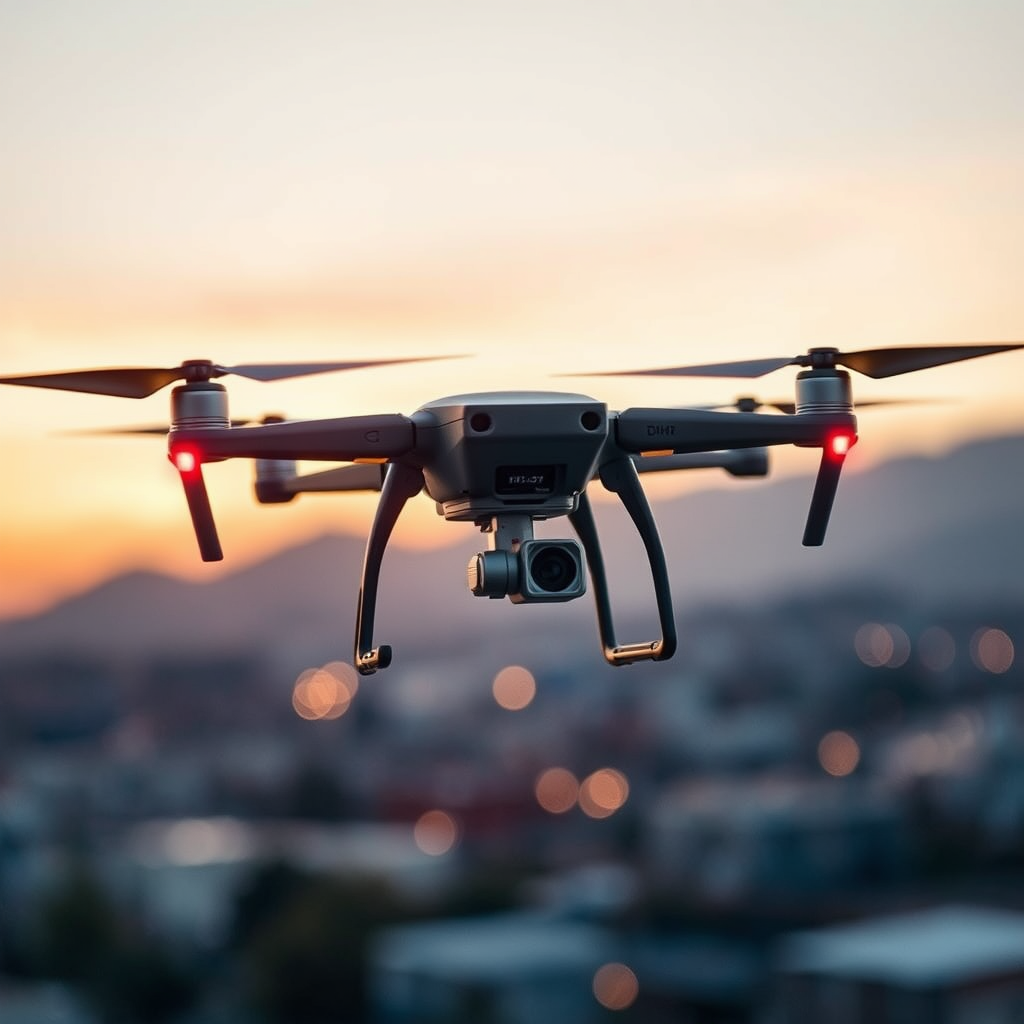
The maximum distance a drone can fly is predominantly determined by its battery capacity and efficiency. Battery technology is at the heart of drone performance, as it directly affects how long the drone can stay airborne and how far it can travel on a single charge. For instance, drones equipped with high-capacity lithium polymer (LiPo) batteries can often achieve longer flight times than those using older battery technologies.
Environmental factors also play a significant role in influencing flight range. Variables such as wind speed, humidity, and temperature can either enhance or inhibit a drone’s performance. For example, strong headwinds can reduce effective range, while favorable weather conditions can allow for extended distances. Additionally, physical obstacles, such as buildings and trees, can interfere with signal transmission and GPS accuracy, further impacting a drone’s operational range.
Types of Commercial Drones
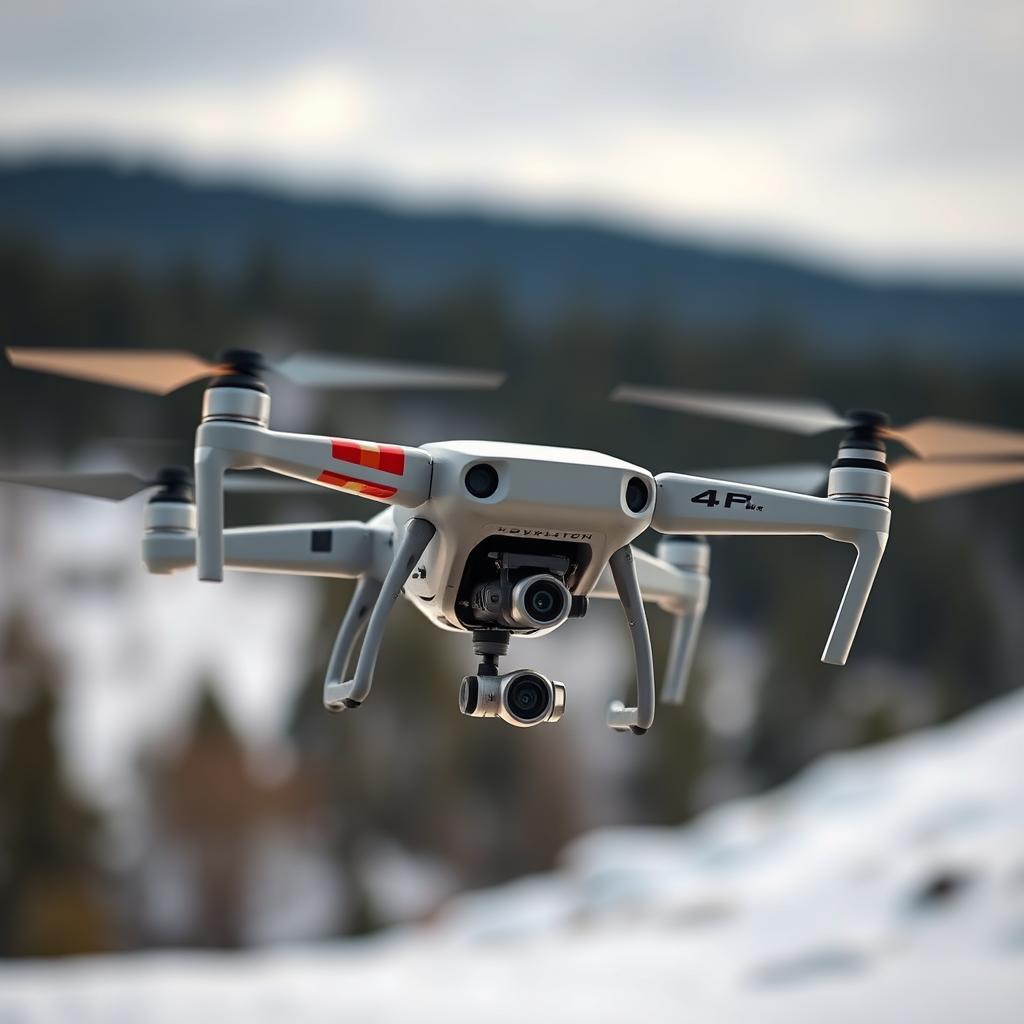
Different drone models are designed for specific applications, which affects their range capabilities. For instance, consumer-grade drones like the DJI Mini series are typically optimized for recreational use, offering a flight range of about 3 to 4 miles. In contrast, high-end commercial drones, such as the DJI Matrice series or the Parrot Anafi USA, are often engineered for professional applications such as surveying, mapping, and search and rescue operations, boasting flight ranges of up to 10 miles or more.
Moreover, the advanced technology incorporated into high-end models, such as enhanced GPS systems and obstacle avoidance sensors, allows these drones to maintain stable connections and navigate complex environments more effectively. These features not only extend their flight range but also improve safety and reliability during operation.
Battery Life and Management
Battery type plays a crucial role in a drone’s maximum flight range. Lithium polymer (LiPo) batteries are favored in the drone industry due to their lightweight nature and higher energy density, which translate to longer flight times and distances. On the other hand, lithium-ion (Li-ion) batteries, while still effective, typically offer shorter ranges and longer charging times.
Proper battery maintenance and management can significantly enhance flight duration. Regularly checking battery health, calibrating drone systems, and ensuring optimal storage conditions can all contribute to better performance. Additionally, understanding how to manage battery usage during flights—such as avoiding aggressive maneuvers and optimizing flight paths—can help maximize range and efficiency.
For professional users, investing in smart battery management systems that provide real-time feedback on battery health can also be a game-changer, allowing for informed decisions during operations.
Regulatory Restrictions
FAA regulations limit commercial drone operations, impacting how far they can legally fly. In the United States, for instance, the FAA mandates that commercial drone pilots maintain visual line-of-sight with their drones, which effectively limits the operational distance. While there are exceptions for certain operations, such as those conducted under a Part 107 waiver, understanding and adhering to local regulations is essential for safe and compliant drone use.
Internationally, regulations can vary significantly. Some countries have more lenient rules that may allow for extended flight ranges, while others impose strict limitations. It’s crucial for drone operators to familiarize themselves with the laws in their specific regions to avoid potential fines or legal issues.
Real-World Applications and Limitations
Various industries utilize drones for tasks like surveying, delivery, agriculture, and infrastructure inspection, each with unique range requirements. For example, drone deliveries in urban areas typically require shorter ranges due to the prevalence of obstacles and regulatory restrictions. However, agricultural drones designed for crop monitoring may need to cover vast distances, which necessitates longer flight ranges.
Additionally, limitations based on payload weight and weather conditions should be considered. Carrying heavier payloads, such as cameras or sensors, can reduce a drone’s flight time and range. Similarly, adverse weather conditions, like rain or snow, can further limit operational capabilities and safety. Therefore, operators must carefully assess their specific needs and plan accordingly to ensure optimal performance.
Future Trends in Drone Technology
Advancements in battery technology and aerodynamics are expected to increase flight ranges significantly. Innovations such as solid-state batteries promise to deliver higher energy densities while being lighter and safer than current options. Furthermore, developments in drone design, including more efficient motors and lighter materials, will enhance flight capabilities.
Another exciting area of growth lies in solar-powered drones, which may revolutionize how far commercial drones can fly. By harnessing solar energy, these drones could achieve near-endless flight times during daylight hours, making them ideal for long-duration missions such as environmental monitoring or search and rescue operations.
As technology continues to evolve, we can expect to see substantial improvements in the capabilities of commercial drones, pushing the boundaries of their operational ranges and applications.
In conclusion, the flight range of commercial drones varies widely based on several factors, including model specifications, battery management, and regulatory constraints. Understanding these variables is essential for optimizing performance and ensuring compliance. As drone technology advances, we can anticipate significant improvements in flight capabilities, paving the way for innovative applications across various industries. For anyone interested in drone operations, staying informed about these trends and factors is crucial for leveraging the full potential of this rapidly evolving technology.
Frequently Asked Questions
What is the average flight range of a commercial drone?
The average flight range of a commercial drone varies significantly depending on the model and its intended use. Generally, consumer-grade drones can fly anywhere from 1 to 5 miles (1.6 to 8 kilometers), while more advanced commercial drones designed for industrial applications can cover distances of up to 10 miles (16 kilometers) or more. Factors such as battery life, payload, and environmental conditions also play a crucial role in determining the maximum flight range.
How does battery life affect the flight distance of commercial drones?
Battery life is a critical factor that directly impacts the flight distance of commercial drones. Most commercial drones have a flight time of 20 to 40 minutes on a single charge, which can translate to varying distances based on flying speed and conditions. For instance, flying in windy conditions or carrying a heavier payload can reduce flight time and, consequently, the overall range. Understanding your drone’s specifications and optimizing for energy efficiency can help maximize your flight distance.
Why do some commercial drones have a longer range than others?
The range of commercial drones varies due to several factors, including design, technology, and intended applications. Drones equipped with advanced technology like high-capacity batteries, efficient propulsion systems, and enhanced communication protocols can achieve longer ranges. Additionally, drones built for specific applications—such as surveying, mapping, or delivery—often prioritize range and endurance in their design, allowing them to operate effectively over greater distances.
What are the best commercial drones for long-distance flight?
Some of the best commercial drones for long-distance flight include models like the DJI Matrice 300 RTK, which boasts a range of up to 15 kilometers (9.3 miles), and the Autel Robotics EVO Lite+, reaching similar distances. These drones are equipped with powerful batteries, advanced flight control systems, and robust GPS capabilities, making them suitable for applications like agriculture, surveillance, and search-and-rescue missions. When selecting a drone, consider factors such as battery life, payload capacity, and the specific features that suit your operational needs.
Which regulations should I consider when flying a commercial drone far distances?
When flying a commercial drone over long distances, it is essential to adhere to local and national regulations to ensure safe operations. In the United States, the Federal Aviation Administration (FAA) requires pilots to maintain visual line-of-sight with their drones and limits flights to a maximum altitude of 400 feet. Additionally, obtaining the necessary certifications, such as a Part 107 Remote Pilot Certificate, is crucial for commercial operations. Always check your local laws regarding drone usage, as they may have specific restrictions on flight distance and operational zones.
References
- https://en.wikipedia.org/wiki/Drone
- https://www.faa.gov/uas/
- https://www.nasa.gov/aero/faq-commercial-drones
- https://www.reuters.com/technology/drone-deliveries-are-they-safe-2021-05-12/
- https://www.theguardian.com/technology/2021/mar/23/us-drone-rule-changes-faa
- https://www.sciencedirect.com/science/article/pii/S235286482100239X
- https://www.nist.gov/news-events/news/2020/08/nist-research-explores-how-far-drones-can-fly
- https://www.jstor.org/stable/10.5325/jdronetech.1.1.0001
