
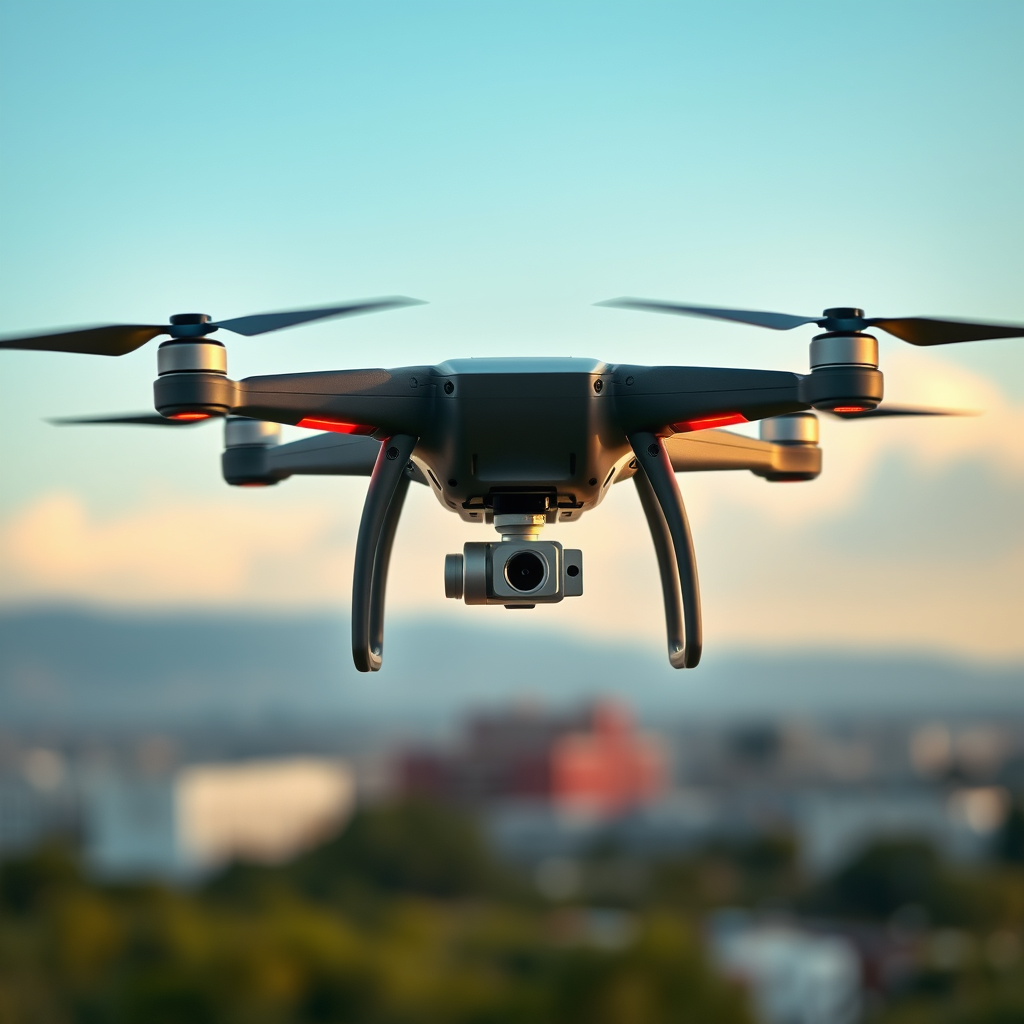
Flying a drone can typically range between a few hundred feet to several miles, depending on various factors like drone model, battery life, and local regulations. Understanding these elements will help you maximize your drone’s flying capabilities while staying safe and compliant. Whether you are a hobbyist or a professional, knowing the limits of your drone is essential for effective operation and adherence to legal restrictions.
Understanding Drone Specifications
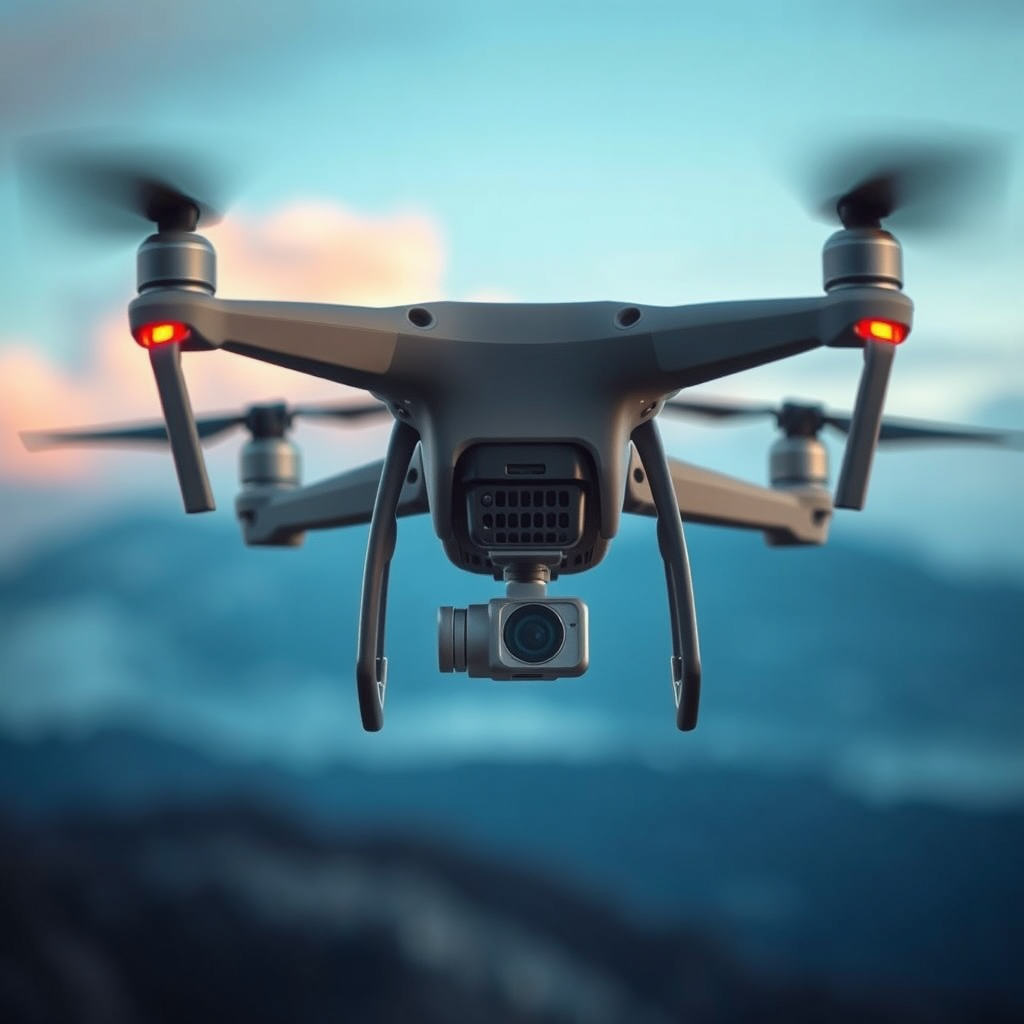
Drones are sophisticated pieces of technology, and their specifications play a crucial role in determining how far and how high they can fly. Each drone model, from entry-level consumer drones to high-end commercial units, has specific range limits defined by the manufacturer. For instance, budget-friendly drones may have a range of only a few hundred meters, while advanced models like the DJI Mavic series can reach several kilometers.
Battery life is another critical factor that impacts flying distance. Most drones come equipped with lithium-polymer batteries, which can last anywhere from 20 to 40 minutes on a single charge, depending on the drone’s weight and energy consumption. Understanding how battery performance correlates with flight range allows you to plan your flights more effectively. For instance, flying aggressively or in windy conditions can drain the battery faster, reducing your overall range.
Local Regulations and Restrictions
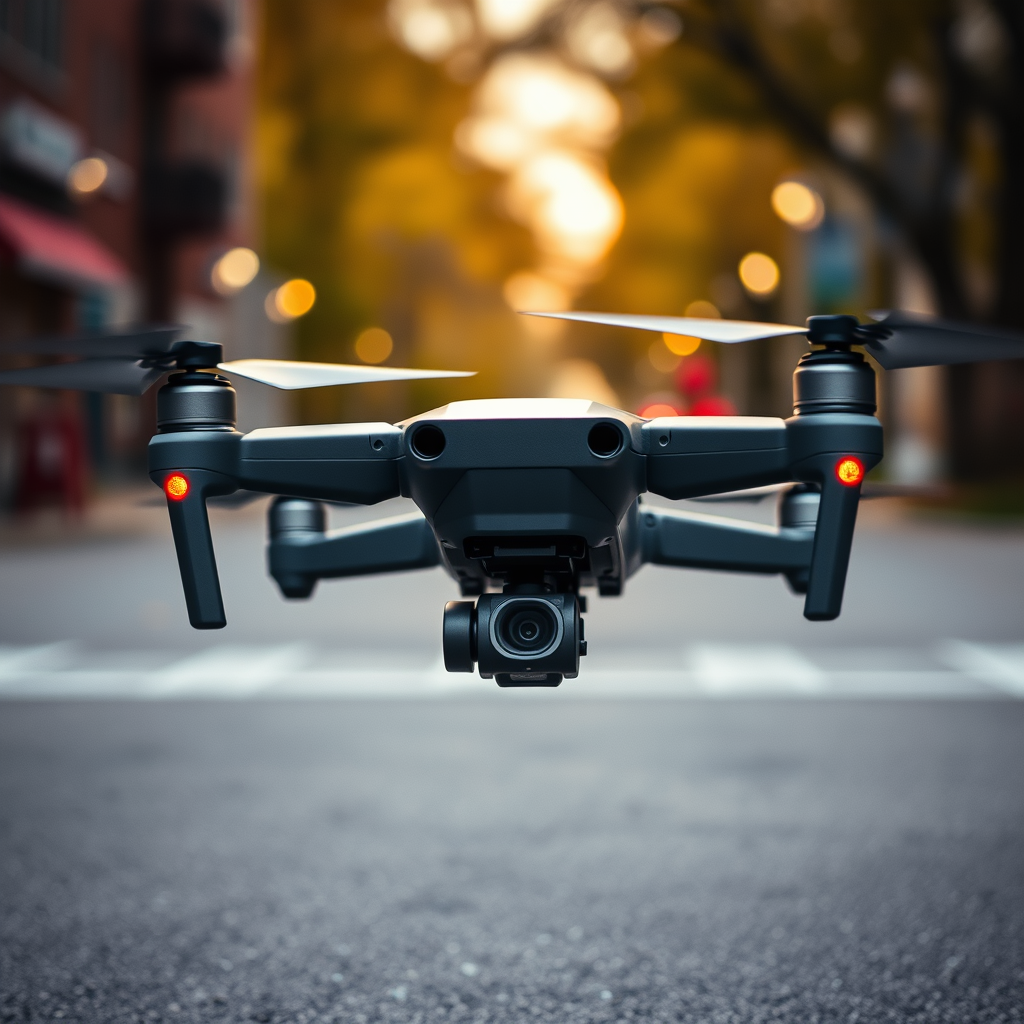
When planning your drone flight, it is essential to be aware of local regulations and restrictions. In the United States, the Federal Aviation Administration (FAA) has established guidelines that dictate flying altitudes and distances. Generally, drones must be flown below 400 feet to avoid interfering with manned aircraft. Additionally, the FAA requires that drone operators maintain a visual line of sight with their aircraft at all times.
Certain areas, such as regions near airports, military bases, or densely populated urban centers, have strict no-fly zones. It is crucial to check the FAA’s B4UFLY app or similar resources to identify these restricted areas before you take off. Violating these regulations can lead to severe penalties, including fines and potential criminal charges.
Factors That Affect Flying Distance
Several factors can impact the distance your drone can effectively fly. Environmental conditions, such as wind speed and weather, play a significant role. For example, strong winds can hinder a drone’s ability to maintain its flight path and consume more battery power, thus reducing its overall range. Rain and fog can also affect visibility and the drone’s electronic systems.
Additionally, technological advancements in drone design and materials are continuously improving range capabilities. Modern drones often utilize enhanced radio frequency technologies, such as enhanced Wi-Fi or dedicated communication channels, which can significantly extend their operational range. For instance, some high-end models can achieve ranges of over 7 miles in optimal conditions, far exceeding the capabilities of older drones.
Tips for Maximizing Your Drone’s Range
To get the most out of your drone’s flying capabilities, consider implementing these practical tips. First, optimize battery usage by planning your flights during calm weather conditions. Wind resistance can dramatically affect battery consumption, so flying on a windless day will help maximize your range. Additionally, reducing the weight of your drone by removing unnecessary attachments can also extend flight time.
Using range extender devices is another effective way to increase your drone’s flying distance. These devices, when compatible with your drone model, can amplify the signal between your drone and the remote control, allowing for greater distances without losing connection. However, it’s essential to ensure that the use of such devices complies with local regulations.
Safety Considerations When Flying
Safety should always be a top priority when operating a drone. One fundamental guideline is to always maintain a visual line of sight with your drone. This practice not only helps you avoid obstacles but also ensures you are compliant with FAA regulations.
Moreover, being aware of other air traffic is crucial. Drones share the airspace with various aircraft, and staying informed about their movements can help prevent accidents. Following established safety guidelines, such as not flying over people or private property without permission, further enhances the safety of your flights.
Recommended Apps and Tools
To enhance your drone flying experience, utilizing various apps and tools can be incredibly beneficial. Mapping applications like AirMap or UAV Forecast can help you plan your flight paths effectively by providing information on airspace regulations, weather conditions, and potential obstacles in your flying area.
Additionally, dedicated apps like B4UFLY enable you to check local airspace regulations before flying, ensuring that you remain compliant with legal standards. These tools allow drone operators to make informed decisions, ultimately leading to safer and more successful flights.
Common Misconceptions About Drone Range
There are several misconceptions surrounding drone range that can lead to unrealistic expectations. Many people tend to overestimate the range of drones based on promotional claims made by manufacturers. While some high-end models advertise impressive ranges, real-world conditions can drastically reduce these capabilities.
Understanding realistic expectations is essential to prevent accidents, such as losing a drone due to signal loss or battery failure. By being informed about the actual range limitations and planning accordingly, you can enhance your overall flying experience and minimize risks.
In conclusion, knowing how far you can fly a drone involves understanding both your equipment and the regulations that apply to your area. By familiarizing yourself with your drone’s specifications, local regulations, and the various factors that influence flying distance, you can operate your drone safely and effectively. Incorporating these insights into your flying practices will not only enhance your drone experiences but also ensure compliance with safety guidelines, paving the way for enjoyable and successful flights.
Frequently Asked Questions
How far can I fly a drone legally?
The legal distance for flying a drone varies by country and local regulations. In the United States, the Federal Aviation Administration (FAA) allows hobbyists to fly drones up to 400 feet above ground level and within visual line of sight. It’s crucial to check local laws and regulations, as some areas may have additional restrictions, such as no-fly zones near airports, schools, or government buildings.
What factors affect how far I can fly my drone?
Several factors can impact the maximum distance you can fly a drone, including the drone’s battery life, signal strength, and environmental conditions. Drones typically have a maximum range specified by the manufacturer, often between 1 to 7 miles. Additionally, obstacles like buildings, trees, and weather conditions can interfere with the drone’s signal, reducing the effective flight distance.
How do I extend the range of my drone’s flight?
To extend the range of your drone’s flight, consider upgrading the antennas or using a range extender that boosts the signal. Ensuring that your drone’s firmware is up-to-date can also enhance performance. Additionally, flying in open areas away from obstructions and using a drone with better battery life will help maximize your flight distance.
Why is it important to know how far I can fly my drone?
Knowing the flight range of your drone is essential for safety and compliance with local laws. Understanding the maximum distance helps prevent losing the drone due to signal loss or running out of battery while away from your location. It also allows you to plan your aerial photography or videography effectively, ensuring you capture the desired shots without jeopardizing the drone’s safety.
Which drones have the longest flight range?
Drones known for their long flight ranges include models like the DJI Mavic Air 2, which boasts a range of up to 6.2 miles, and the DJI Phantom 4 Pro, which can reach up to 4.3 miles. When choosing a drone, consider both the maximum range and the specific use case, as factors like camera quality, battery life, and ease of use can also impact your decision. Always compare specifications and user reviews for the best results.
References
- https://en.wikipedia.org/wiki/Drone_flight_range
- https://www.faa.gov/uas/getting_started/fly_for_fun
- https://www.nasa.gov/feature/nasa-helps-develop-new-drone-traffic-management-system
- https://www.faa.gov/uas/publications/
- https://www.reuters.com/technology/drone-flying-regulations-2021-04-07/
- https://www.abc.net.au/news/2021-04-07/rules-regulations-flying-drones-australia/100041424
- https://www.nist.gov/engineering-laboratory/engineering-laboratory-programs/advanced-communications-technology-program/drones
- https://www.suasnews.com/2020/06/drone-flying-distance-and-regulations/
