
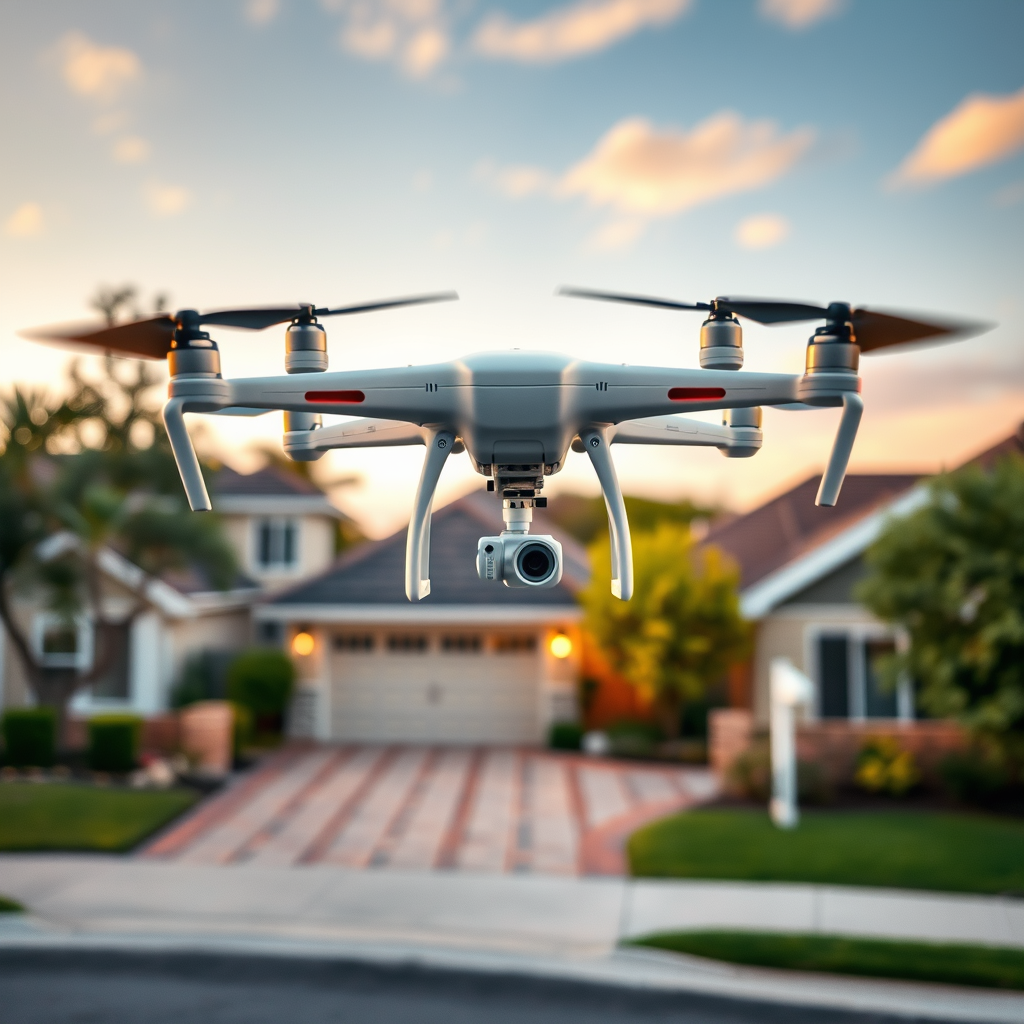
Drones can legally fly as low as 400 feet above ground level, but various factors, including federal regulations, state laws, and privacy concerns, significantly influence how low they can safely operate over private property. Understanding these guidelines is crucial for drone operators to navigate the aerial landscape responsibly and avoid potential legal issues. This article delves into the intricacies of drone flight regulations, highlighting the importance of adhering to laws while respecting the rights of property owners.
Understanding FAA Regulations
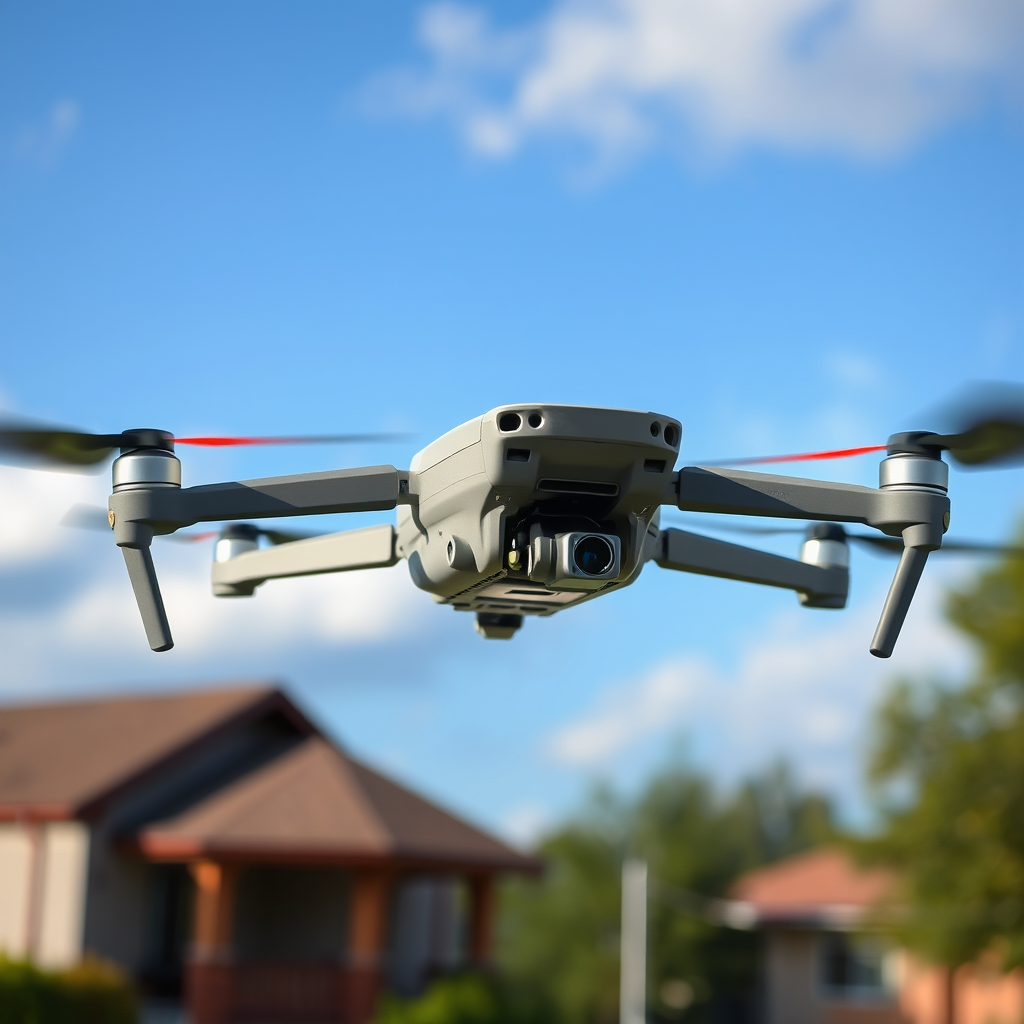
The Federal Aviation Administration (FAA) is the primary regulatory body overseeing drone operations in the United States. According to FAA regulations, drones are typically limited to a maximum altitude of 400 feet above ground level when flying in uncontrolled airspace. This altitude limit is designed to minimize interference with manned aircraft operations. However, drone pilots must also respect airspace classifications, which include controlled and restricted airspaces where additional regulations may apply. For example, flying near airports or military installations often requires special permissions or adherence to specific guidelines to ensure safety.
In addition to altitude restrictions, the FAA mandates that drone pilots operate their devices within visual line-of-sight and avoid flying over people unless they have obtained a waiver. These regulations are crucial for maintaining safety in the sky, but they do not specifically address the nuances of flying over private property. Therefore, drone operators should remain vigilant about compliance with both federal and local laws, as local jurisdictions may impose additional restrictions on drone usage that could affect how low a drone can fly over private land.
State and Local Laws
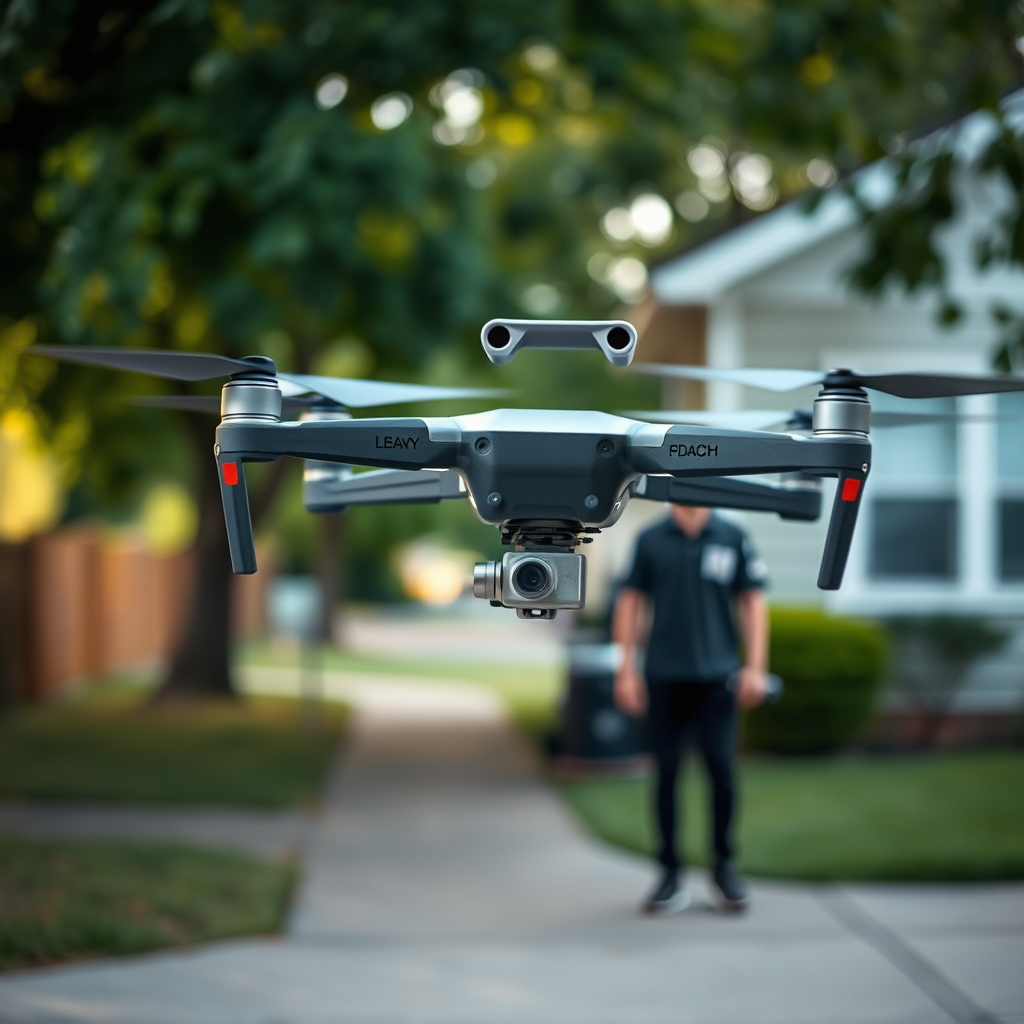
Beyond FAA regulations, many states have enacted their own laws regarding drone use, particularly concerning privacy and trespassing issues. For instance, some states have passed legislation that specifically prohibits drones from flying below a certain altitude over private property without the owner’s consent. States like California and Florida have laws that emphasize the protection of individual privacy, making it essential for drone operators to be aware of their rights and obligations before launching their drones.
Local ordinances can also impose additional restrictions that vary from one municipality to another. For example, some cities may have designated drone flight zones or may restrict drone operations in parks or residential areas. Therefore, it is vital for drone pilots to research local regulations in their area to ensure full compliance and avoid potential fines or legal repercussions. Checking with local government websites or consulting legal experts can provide clarity on these regulations and help drone operators stay informed.
Privacy Considerations
Privacy concerns are a significant factor when considering how low a drone can fly over private property. Flying a drone too close to someone’s home or private land may be perceived as an invasion of privacy, potentially leading to legal disputes. The concept of “nuisance” in relation to drone flights is particularly relevant; it refers to an action that significantly interferes with the use and enjoyment of one’s property. In many cases, operating a drone at low altitudes near residences can fall into this category, especially if the drone captures images or video without the homeowner’s consent.
To avoid infringing upon privacy rights, drone operators should be mindful of their surroundings and avoid hovering over private properties without explicit permission. Engaging with property owners before flying can foster goodwill and help prevent misunderstandings. If a drone operator intends to capture aerial photography or video, obtaining consent from affected parties is not just courteous but also a protective measure against potential legal challenges.
Landowner Rights
Landowners have a fundamental right to control access to their airspace, typically up to a certain height above their property. This concept, known as “navigable airspace,” allows property owners to assert their rights against low-flying aircraft, including drones. While the FAA regulates air traffic, property owners may still claim that drones flying at lower altitudes are trespassing or infringing upon their rights.
To prevent conflicts, it is advisable for drone operators to seek permission from landowners before flying over their properties. This proactive approach not only helps maintain harmonious relationships but also protects drone operators from the risk of potential lawsuits. For example, if a drone operator intends to conduct agricultural surveys or real estate photography, obtaining written permission from the landowner can safeguard against claims of trespassing or invasion of privacy.
Safety and Liability Issues
Flying drones at low altitudes significantly increases the risk of accidents, particularly involving individuals, animals, or nearby structures. The potential for collisions or crashes escalates when drones operate in crowded areas or close to obstacles such as trees, power lines, or buildings. Such incidents can lead to significant property damage, personal injury, or worse, which raises questions of liability for drone operators.
To mitigate these risks, drone operators should conduct thorough pre-flight checks and ensure they are familiar with the flight area. Implementing safety protocols, such as maintaining a clear line of sight and avoiding crowded places, is essential for responsible drone operation. Furthermore, drone operators should consider obtaining liability insurance to protect themselves financially in the event of an accident or incident caused by their drone. This measure provides an added layer of security and demonstrates a commitment to safe and responsible drone use.
Best Practices for Drone Operators
To operate drones responsibly and within legal boundaries, drone operators should adhere to several best practices. First and foremost, conducting comprehensive research on applicable laws and regulations in the area before flying is crucial. This includes understanding FAA guidelines, state laws, and local ordinances that may impact drone operations.
Additionally, drone operators should engage with landowners and seek permission when flying over private properties. This respectful approach can foster goodwill and help avoid potential conflicts. When using drones for specific purposes, such as aerial photography or surveying, obtaining explicit consent from property owners is not only ethical but also legally prudent.
Finally, operators should continuously educate themselves about advancements in drone technology and changes in regulations. Staying informed about industry developments can enhance safety practices and foster responsible drone use. By following these best practices, drone operators can ensure compliance with laws, maintain positive relationships with property owners, and contribute to a safer flying environment.
In conclusion, while drones can legally fly up to 400 feet, various regulations, state laws, and privacy considerations dictate how low they can safely operate over private property. Understanding FAA regulations, local laws, and the rights of landowners is essential for responsible drone operation. By seeking permission from property owners and adhering to safety protocols, drone pilots can navigate the aerial landscape responsibly, ensuring compliance and fostering positive relationships within the communities they operate in.
Frequently Asked Questions
What are the legal restrictions on how low a drone can fly over private property?
The legal restrictions regarding how low a drone can fly over private property vary by country and region. In the United States, the Federal Aviation Administration (FAA) regulations state that drones must operate at a maximum altitude of 400 feet above ground level in uncontrolled airspace. However, it is crucial to respect property lines and avoid flying below 100 feet over private property to minimize privacy concerns and potential legal issues.
How can I determine if I am flying my drone too low over someone’s property?
To determine if you are flying your drone too low over private property, it is best to be aware of local laws and regulations, as these may dictate minimum altitude limits. Additionally, maintaining a respectful distance — typically above 100 feet — helps to avoid intruding on someone’s privacy and reduces the risk of complaints or possible legal action. Always consider using a drone app that provides airspace information to stay informed about altitude restrictions.
Why is it important to know the altitude restrictions when flying a drone over private property?
Knowing altitude restrictions when flying a drone over private property is crucial for several reasons. Firstly, it helps you comply with aviation regulations, avoiding fines or penalties. Secondly, adhering to these rules fosters good relations with property owners, as flying too low might be perceived as an invasion of privacy, potentially leading to conflicts or legal disputes.
What should I do if I encounter issues flying my drone over private property?
If you encounter issues while flying your drone over private property, it is advisable to cease flying immediately and assess the situation. If approached by the property owner or their representatives, be respectful and open to discussion. You can also educate them on drone regulations and your intentions, and if necessary, seek permission to fly in their airspace. Always prioritize communication to mitigate misunderstandings.
Which drone flying practices help avoid legal problems when operating over private property?
To avoid legal problems when operating a drone over private property, adopt best practices such as maintaining a high altitude, avoiding flying directly over homes or private spaces, and seeking permission from property owners when possible. Additionally, staying informed about local drone laws and adhering to privacy guidelines can significantly reduce the risk of legal issues, ensuring a responsible flying experience.
References
- https://www.faa.gov/uas/getting_started/part_107
- https://www.ncbi.nlm.nih.gov/pmc/articles/PMC6479424/
- https://www.wired.com/story/drone-law-private-property/
- https://www.theguardian.com/us-news/2021/jun/22/drones-privacy-property-rights
- https://www.nytimes.com/2020/10/05/us/drone-law-privacy.html
- https://www.nerdwallet.com/article/investing/drone-laws-rules-regulations
