
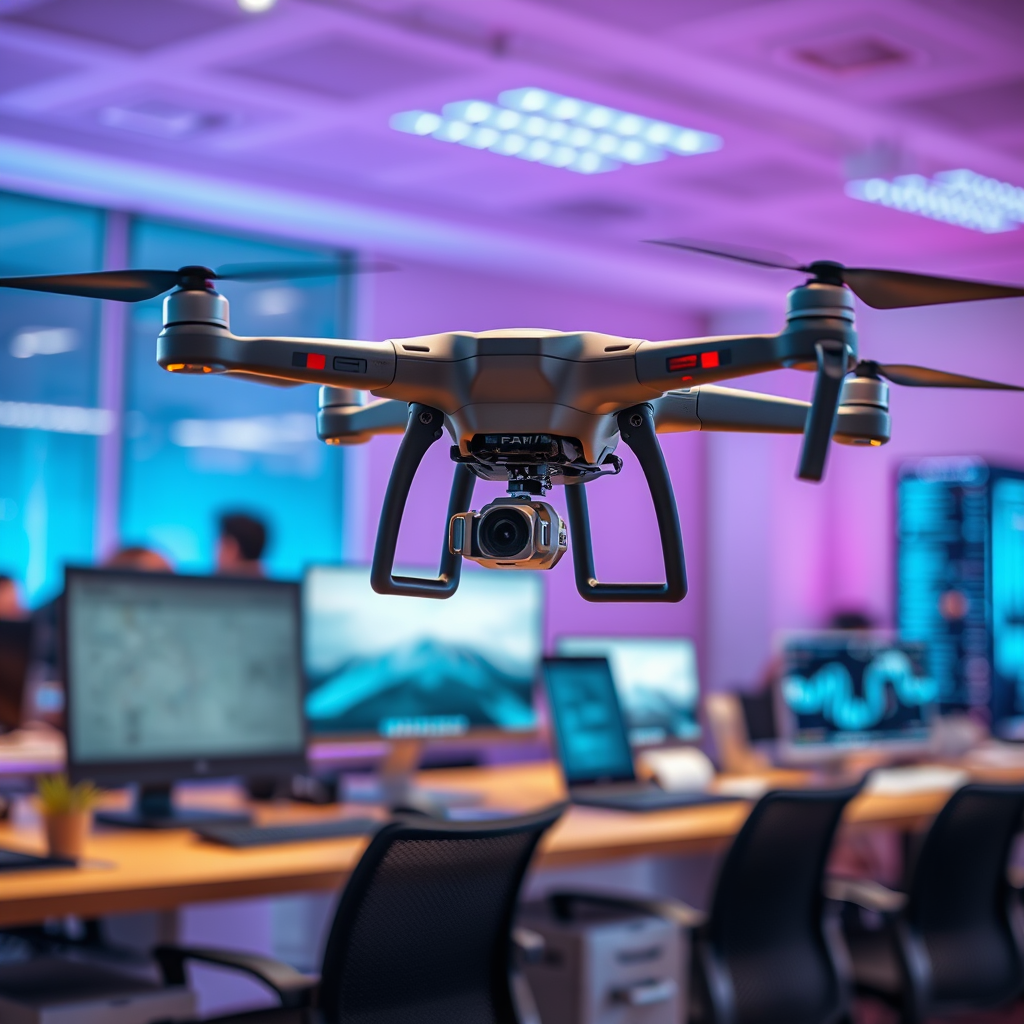
Drones can detect a variety of environmental, structural, and biological phenomena using advanced sensors and imaging technology. Their applications span across industries such as agriculture, construction, and search and rescue, making them invaluable tools for data collection and analysis. This article delves into the various capabilities of drones and how they are revolutionizing multiple sectors by providing efficient, real-time data that supports informed decision-making.
Environmental Monitoring
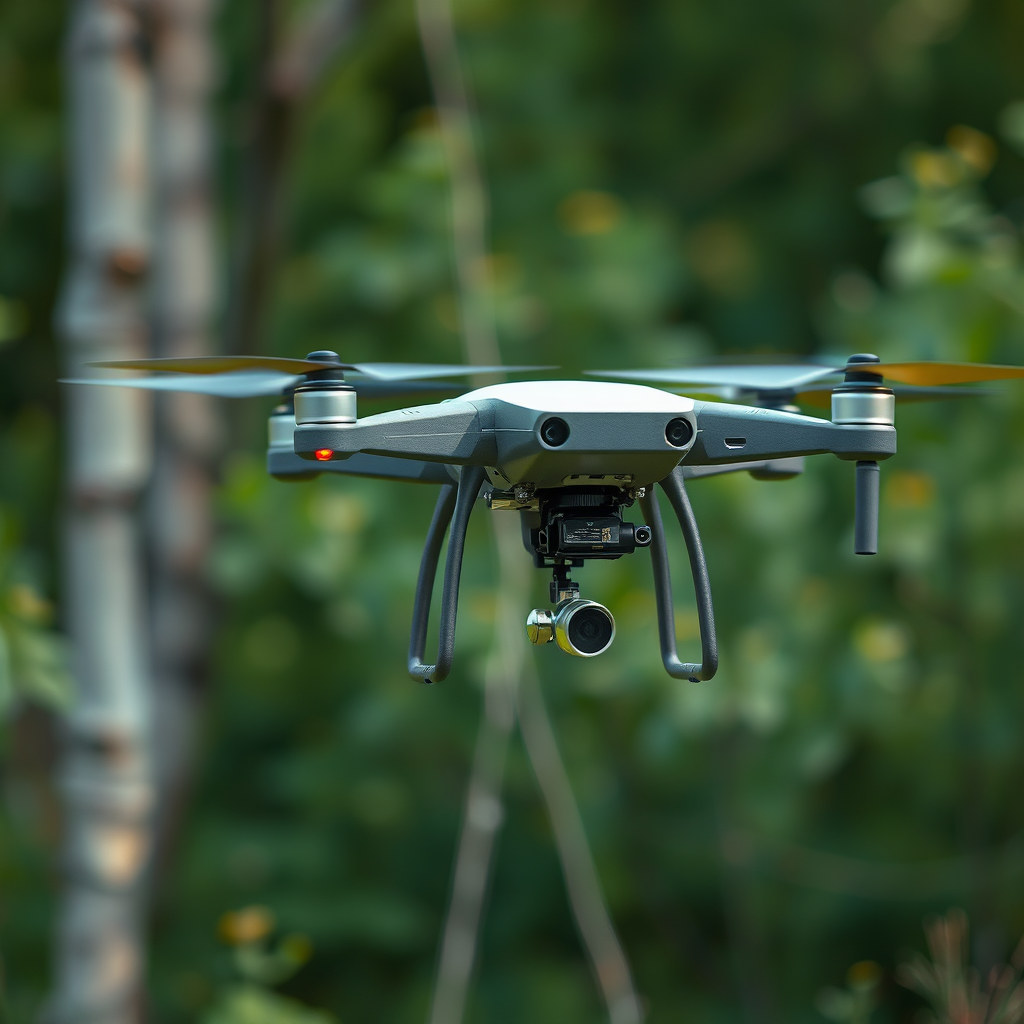
Drones play a pivotal role in environmental monitoring by providing real-time data on air quality and pollution levels. Equipped with specialized sensors, these flying machines can measure particulate matter, carbon dioxide, and other harmful pollutants, enabling authorities to take timely action against environmental hazards. For instance, cities plagued by poor air quality can deploy drones to monitor pollution hotspots, allowing for targeted interventions such as traffic regulation or industrial oversight.
Moreover, drones are also instrumental in wildlife monitoring and conservation efforts. Using thermal imaging technology, they can track animal movements and behaviors without disturbing their natural habitats. This capability is especially beneficial for studying endangered species, as it provides researchers with valuable insights into their migration patterns and population dynamics. For example, conservationists use drones to monitor the movements of elephants in Africa, helping to mitigate human-wildlife conflicts and inform protection strategies.
Agricultural Applications
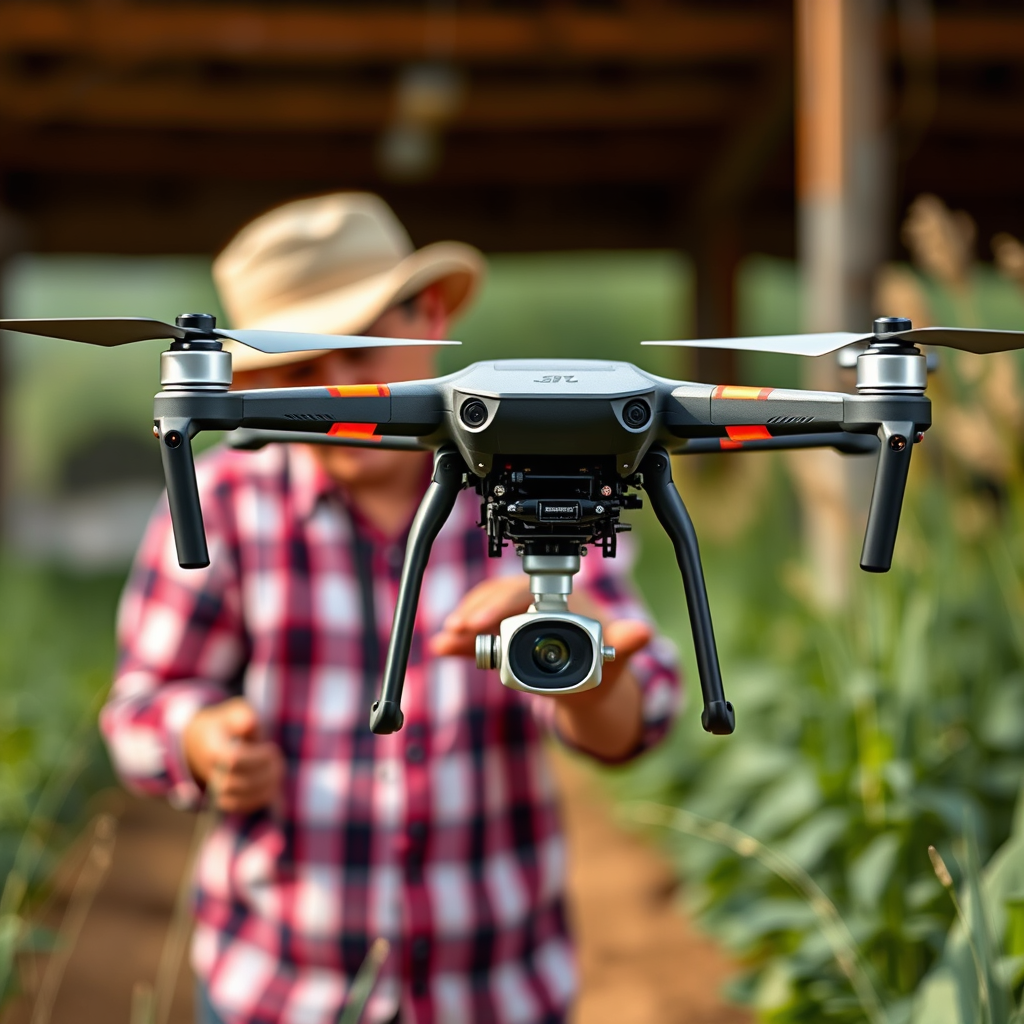
In the agricultural sector, drones are transforming traditional farming practices by providing precise insights into crop health. These unmanned aerial vehicles can capture high-resolution images that detect variations in plant color and growth patterns. This data is invaluable for farmers, as it enables them to identify areas of their fields that may require additional attention, such as irrigation or fertilization. For instance, using multispectral imaging, farmers can assess chlorophyll levels in crops, which directly correlates to their health and yield potential.
Furthermore, drones assist in pest and disease management by identifying infestations and nutrient deficiencies. By analyzing the aerial imagery, farmers can pinpoint affected areas and take corrective actions, thereby reducing chemical usage and increasing sustainability. A practical application of this technology can be seen in vineyards, where drones are used to monitor grape health, allowing vintners to optimize their harvests and improve wine quality.
Structural Inspections
Drones have revolutionized the field of structural inspections by providing a safe and efficient means to assess buildings, bridges, and other infrastructures. Utilizing high-resolution cameras and advanced imaging technology, these devices can detect structural damages such as cracks, corrosion, and material fatigue. This capability allows for timely maintenance, ultimately prolonging the lifespan of critical infrastructure.
Moreover, drones are particularly beneficial for inspecting hard-to-reach areas, such as the tops of skyscrapers or the undersides of bridges. By reducing the need for scaffolding or ladders, drones not only enhance the safety of inspections but also decrease operational costs. For example, construction companies are increasingly using drones to perform routine inspections of high-rise buildings, ensuring compliance with safety standards while minimizing disruption to the surrounding area.
Search and Rescue Operations
In search and rescue operations, drones serve as vital tools for locating missing persons in vast or challenging terrains. Equipped with thermal imaging technology, drones can detect body heat, enabling search teams to locate individuals who may be trapped or lost. This capability is particularly crucial in wilderness areas or disaster-stricken regions where traditional search methods may be ineffective.
Additionally, drones can provide real-time video feeds to emergency responders, allowing for better situational awareness. For instance, during natural disasters, drones can survey affected areas, identify survivors, and even deliver essential supplies to those in need. Their agility and speed make them indispensable in life-saving missions, significantly increasing the chances of successful rescues.
Infrastructure and Utilities
Drones are increasingly being employed in the inspection and maintenance of infrastructure and utilities. They can detect leaks in pipelines, monitor power lines for damages, and assess the condition of wind turbines and solar panels. This capability not only helps utility companies to maintain service continuity but also ensures safety and compliance with regulatory standards.
For instance, gas and oil companies utilize drones to inspect pipelines for potential leaks, significantly reducing the risks associated with manual inspections. By employing drones equipped with gas sensors, companies can quickly identify leaks before they escalate into environmental disasters. Similarly, drone inspections of solar panels help optimize energy production by identifying panels that require cleaning or maintenance, ensuring maximum efficiency.
Disaster Management
In the realm of disaster management, drones are invaluable for assessing damage and aiding in recovery efforts. After natural disasters such as hurricanes, floods, or earthquakes, drones can quickly map affected areas, providing critical information to emergency response teams. This rapid assessment allows for efficient resource allocation and prioritization of recovery efforts.
Drones are also capable of detecting and mapping flood zones, which is crucial for emergency response planning. By providing real-time data on water levels and the extent of flooding, drones enable authorities to make informed decisions about evacuation routes and resource distribution. A notable example includes the use of drones in the aftermath of Hurricane Harvey, where they were deployed to assess flooding in Houston, allowing for timely intervention.
In conclusion, drones are powerful tools capable of detecting a wide range of phenomena across multiple sectors. Their ability to gather and analyze data efficiently makes them essential for improving safety, productivity, and environmental stewardship. From monitoring air quality to conducting structural inspections and facilitating search and rescue operations, the applications of drone technology are vast and varied. As industries continue to embrace this innovative technology, it is crucial to recognize the transformative potential of drones in enhancing operational efficiency and decision-making processes. Embrace the potential of drone technology in your field to stay ahead.
Frequently Asked Questions
What types of sensors do drones use to detect objects or conditions?
Drones are equipped with a variety of sensors that enable them to detect objects and environmental conditions. Common sensors include RGB cameras for visual imagery, thermal imaging cameras for heat detection, LiDAR for mapping and surveying, and multispectral sensors for agricultural assessments. These technologies allow drones to gather data across different spectrums, making them useful for applications like search and rescue, wildlife monitoring, and infrastructure inspection.
How can drones detect heat signatures?
Drones can detect heat signatures using thermal imaging sensors that capture infrared radiation emitted by objects. This capability allows drones to identify living organisms, such as humans or animals, even in low visibility conditions like darkness or smoke. Thermal drones are particularly valuable for search and rescue missions, as they can quickly locate missing persons or monitor the health of livestock in vast areas.
Why are drones effective for detecting changes in vegetation health?
Drones are effective for detecting changes in vegetation health due to their ability to carry multispectral and hyperspectral sensors that analyze light reflectance from plants. These sensors can identify variations in chlorophyll levels and moisture content, providing farmers and agronomists with crucial data to optimize crop management. By detecting early signs of stress or disease, drones can help improve yields and reduce costs in agricultural practices.
What are the best applications for drones in environmental monitoring?
Drones are best utilized in various environmental monitoring applications, including wildlife tracking, forest health assessment, and pollution detection. They can survey large areas quickly and efficiently, capturing high-resolution imagery and sensor data. Additionally, drones can monitor water quality in lakes and rivers, assess air pollution levels, and track deforestation, making them indispensable tools for environmental conservation efforts.
Which industries benefit most from drone detection technology?
Several industries benefit significantly from drone detection technology, including agriculture, construction, energy, and emergency services. In agriculture, drones are used for crop health monitoring and precision farming. The construction industry utilizes drones for site inspections and progress tracking. The energy sector employs drones for inspecting power lines and wind turbines, while emergency services leverage drones for search and rescue operations and disaster response. Each industry maximizes efficiency and safety through advanced drone detection capabilities.
References
- https://en.wikipedia.org/wiki/Drone_detection
- https://www.nasa.gov/feature/nasa-s-drone-research-uses
- https://www.sciencedirect.com/science/article/pii/S2352864817301470
- https://www.faa.gov/uas/
- https://www.abc.net.au/news/science/2021-10-20/drones-detecting-forest-fires/100553956
- https://www.unm.edu/~garcia/Drones%20and%20Environmental%20Monitoring.pdf
- https://www.wired.com/story/drones-are-changing-the-way-we-spot-and-fight-wildfires/
