
Drones are multifunctional devices that can significantly enhance various activities, from recreational endeavors to critical industrial applications. With advancements in technology, drones have evolved into powerful tools capable of performing tasks such as aerial photography, agricultural monitoring, search and rescue operations, and infrastructure inspections. This comprehensive guide will explore the diverse uses of drones and how they can benefit both personal and professional pursuits.
Recreational Uses of Drones
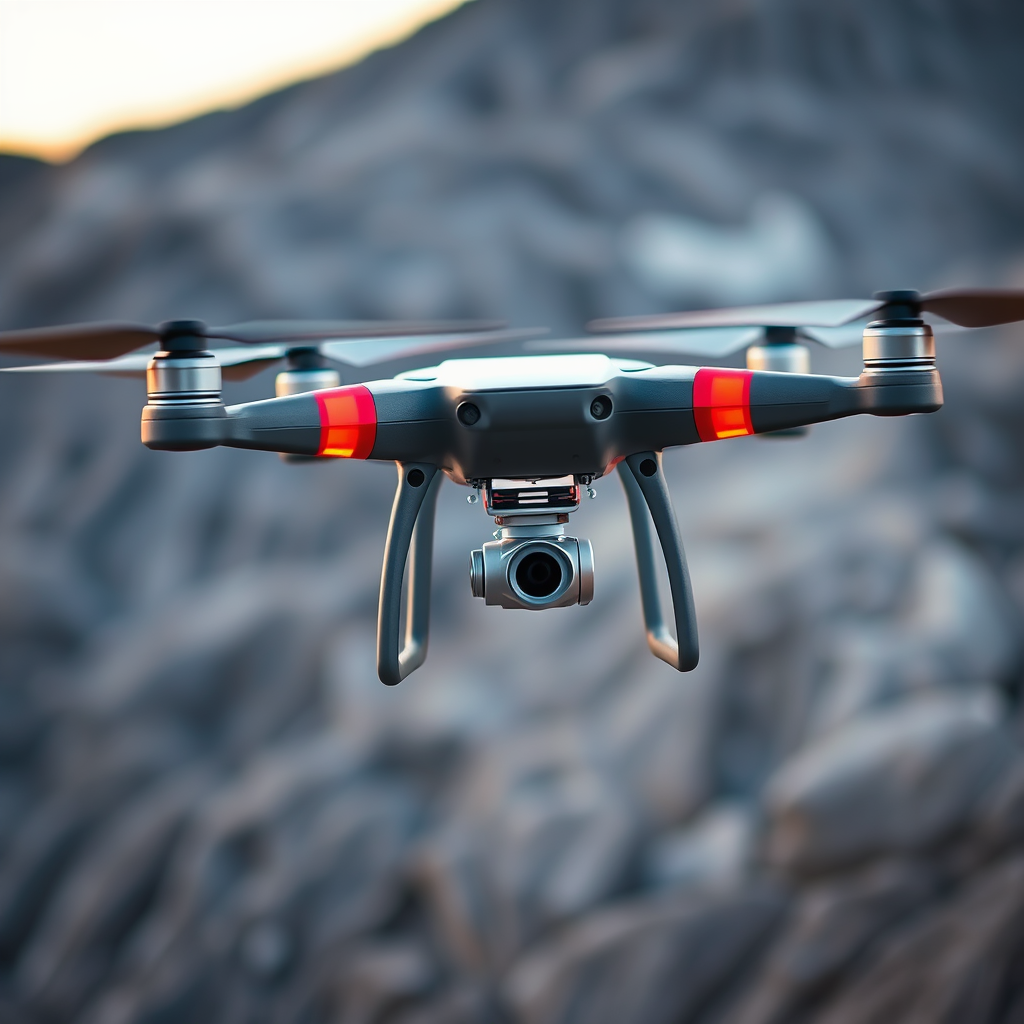
Drones have carved out a niche in the recreational sector, offering enthusiasts the thrill of flying while capturing breathtaking aerial views.
Flying for fun is perhaps the most accessible use of drones. Hobbyists can enjoy the exhilarating experience of piloting a drone, which can be equipped with various features like GPS, high-definition cameras, and intelligent flight modes. This has led to a growing community of drone flyers who share their experiences and techniques online, fostering a culture of creativity and exploration.
Additionally, drone racing has emerged as a competitive sport, attracting pilots from around the globe to participate in events and competitions. Races are typically held in designated courses filled with obstacles, where participants navigate their drones at high speeds. This exhilarating sport not only tests the piloting skills of participants but also encourages innovation in drone design and technology.
Aerial Photography and Videography
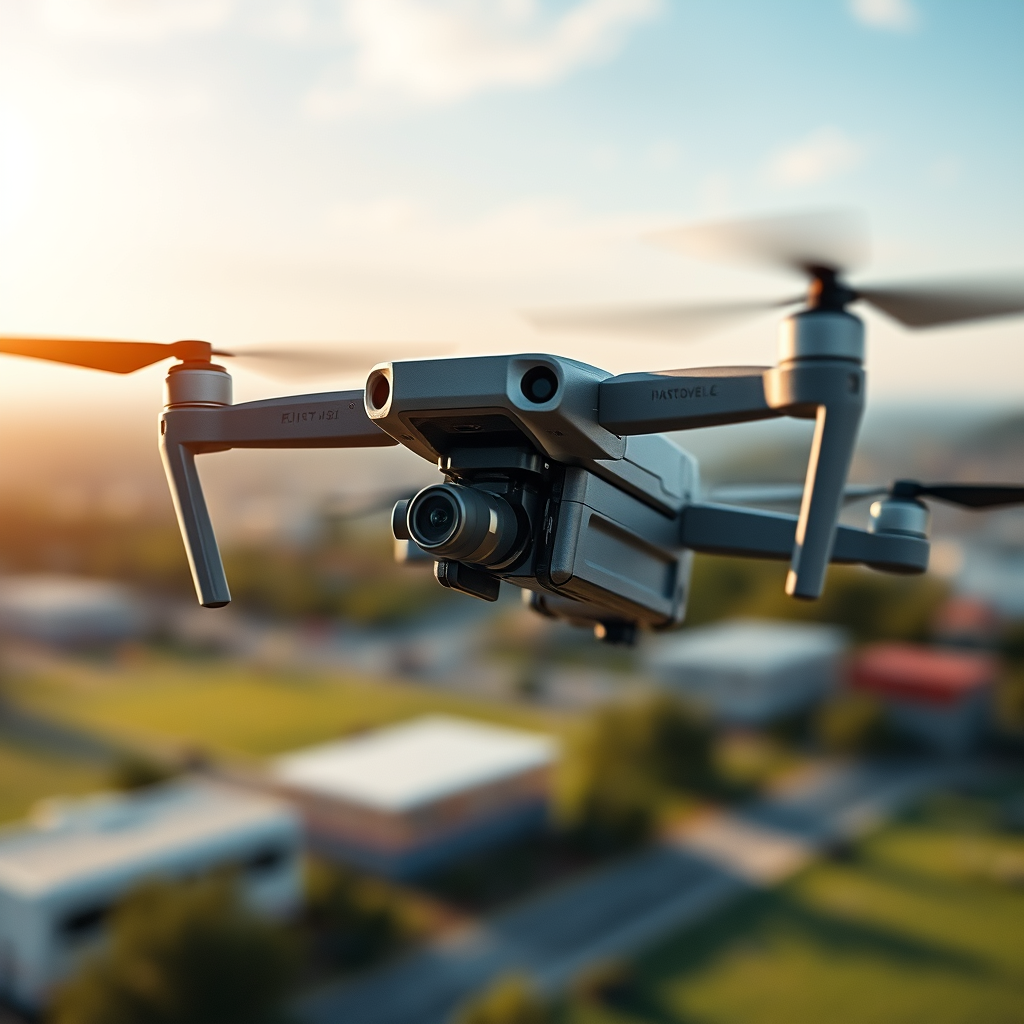
One of the most popular applications of drones is in the field of aerial photography and videography, where they enable users to capture stunning visuals from unique perspectives.
Drones equipped with high-resolution cameras can produce breathtaking landscape photos and videos that were previously difficult or impossible to achieve without expensive equipment or extensive manpower. Photographers can showcase sweeping vistas, intricate patterns in nature, or dynamic urban landscapes, providing a fresh perspective that engages audiences.
Moreover, businesses increasingly utilize drones to create promotional content for events, real estate listings, and marketing campaigns. Aerial shots can enhance storytelling and capture attention, making drone photography an invaluable asset for companies looking to stand out in a crowded market. The accessibility of drone technology allows almost anyone—be it a budding photographer or an established brand—to harness this tool for visual storytelling.
Agricultural Applications
In agriculture, drones are revolutionizing the way farmers monitor and manage their crops, leading to increased efficiency and productivity.
Farmers can utilize drones to monitor crop health and growth patterns through high-resolution aerial imagery. This capability allows for early detection of issues such as pest infestations or nutrient deficiencies, enabling timely interventions that can save crops and reduce waste. By providing a bird’s-eye view of the fields, drones help farmers make data-driven decisions that optimize yields and resource use.
Additionally, drones play a significant role in precision agriculture. They can be used for planting seeds and spraying pesticides or fertilizers, ensuring that these substances are applied accurately and efficiently. This targeted approach not only reduces costs but also minimizes environmental impact, aligning agricultural practices with sustainability goals.
Search and Rescue Operations
Drones have become invaluable tools in search and rescue missions, significantly improving the efficiency and effectiveness of these operations.
In remote or difficult terrains, drones equipped with thermal imaging cameras can assist rescue teams in locating missing persons. The aerial perspective allows responders to cover large areas quickly and identify heat signatures that would be difficult to detect from the ground. This capability can be crucial during natural disasters or emergencies, where time is of the essence.
Furthermore, real-time aerial views provided by drones can aid emergency responders by offering situational awareness that enhances decision-making. By integrating drone technology into search and rescue operations, agencies can save lives and improve response times significantly.
Infrastructure Inspection
Drones are increasingly being used for infrastructure inspection, providing a safe and efficient method for assessing the condition of critical structures.
Inspecting power lines, bridges, and roofs traditionally requires extensive scaffolding or climbing, posing safety risks and incurring high costs. Drones equipped with high-resolution cameras and sensors can perform thorough inspections in a fraction of the time, capturing detailed images and data that can be analyzed for maintenance and safety assessments.
Additionally, thermal imaging technology can be employed to identify issues such as heat loss in buildings or electrical faults in power lines. This proactive approach to infrastructure inspection helps organizations maintain safety standards and avoid costly repairs, ultimately extending the lifespan of critical assets.
Environmental Monitoring
The environmental applications of drones are vast, allowing for enhanced monitoring of ecosystems and natural resources.
Drones can track wildlife populations and their habitats from above, providing researchers and conservationists with valuable data on animal behaviors, migration patterns, and habitat conditions. This information is essential for developing effective conservation strategies and ensuring the protection of endangered species.
Moreover, drones can monitor environmental changes, such as deforestation and pollution, with remarkable precision. By capturing aerial imagery over time, researchers can assess the impact of human activities on ecosystems and provide insights that inform policy decisions aimed at environmental sustainability.
Delivery Services
The potential for drones in delivery services is rapidly gaining attention, particularly in urban environments where speed and efficiency are paramount.
Drones can enable faster delivery of packages, reducing congestion on the roads and improving customer satisfaction. Companies like Amazon and Google are actively exploring drone delivery systems that could revolutionize the logistics industry, providing consumers with near-instant access to goods.
Moreover, the prospect of using drones for medical deliveries to remote locations holds immense promise. In areas where traditional transportation methods may be slow or unreliable, drones can deliver essential medical supplies, such as blood, vaccines, and medications, directly to those in need. This capability has the potential to save lives and improve healthcare access in underserved regions.
Drones are versatile tools that can be used across various fields, offering innovative solutions to everyday challenges. From recreational flying to professional applications in agriculture, search and rescue, and environmental monitoring, the capabilities of drones are vast and ever-expanding. As technology continues to advance, understanding these possibilities can help individuals and organizations harness the power of drones to enhance their lives and work. Exploring the myriad ways drones can be utilized opens up exciting opportunities for creativity, efficiency, and problem-solving in an increasingly complex world.
Frequently Asked Questions
What are the most common uses for drones in various industries?
Drones have a multitude of applications across various industries. In agriculture, they are used for crop monitoring and precision agriculture to enhance yield. In construction, drones assist in site surveying and project monitoring. They are also widely employed in photography and videography for capturing stunning aerial shots, while in emergency services, they facilitate search and rescue operations and disaster assessment.
How can I use a drone for my business?
Drones can significantly enhance business operations by providing aerial perspectives that traditional tools cannot. For instance, real estate agents can use drones for virtual tours, while surveyors can streamline land assessments. Additionally, businesses can utilize drones for inventory management and delivery services, enabling faster and more efficient operations, ultimately leading to increased productivity and improved customer satisfaction.
Why should I consider using a drone for photography and videography?
Using a drone for photography and videography opens up a whole new dimension of creativity, allowing you to capture stunning aerial views and perspectives that are otherwise inaccessible. Drones equipped with high-resolution cameras can create cinematic-quality footage for events, real estate, and promotional content, enhancing storytelling and engagement. Moreover, the ability to easily access remote locations can greatly expand your creative options.
What should I look for when choosing a drone for personal use?
When selecting a drone for personal use, consider factors such as flight time, camera quality, and ease of use. Look for drones with a minimum flight time of 20 minutes and a camera resolution that meets your needs—typically 1080p for casual use and 4K for more professional applications. Additionally, features like GPS stabilization, obstacle avoidance, and user-friendly controls can significantly enhance your flying experience, making it safer and more enjoyable.
Which regulations should I be aware of before flying a drone?
Before flying a drone, it’s crucial to understand the regulations set by aviation authorities, such as the FAA in the United States. Key rules include registering your drone if it weighs over 0.55 pounds, flying below 400 feet, and maintaining a visual line of sight with your drone at all times. Additionally, you should avoid flying near airports and in restricted airspace to ensure safety and compliance with the law, as failing to do so can result in penalties.
References
- https://en.wikipedia.org/wiki/Drone
- https://www.faa.gov/uas/
- https://www.nasa.gov/mission_pages/tds/what_is_a_drone.html
- https://www.sciencedirect.com/science/article/pii/S2352864817302381
- https://www.bbc.com/news/technology-45580430
- https://www.nationalgeographic.com/science/article/what-is-a-drone
- https://www.abc.net.au/news/2021-03-16/what-can-drones-do/13236058
- https://www.theguardian.com/technology/2020/mar/05/drones-and-privacy-technology-ethics-2020
