
Drones can typically fly up to 400 feet (120 meters) above ground level in controlled airspace. However, various factors such as regulations, environmental conditions, and the specific capabilities of drone models can influence this maximum altitude. Understanding these complexities is crucial for both recreational and commercial drone operators to ensure safe and effective flight operations. This article will delve into the various factors that affect drone flight heights, the legal restrictions imposed, and the diverse capabilities of different drone models.
Understanding Drone Altitude Limits
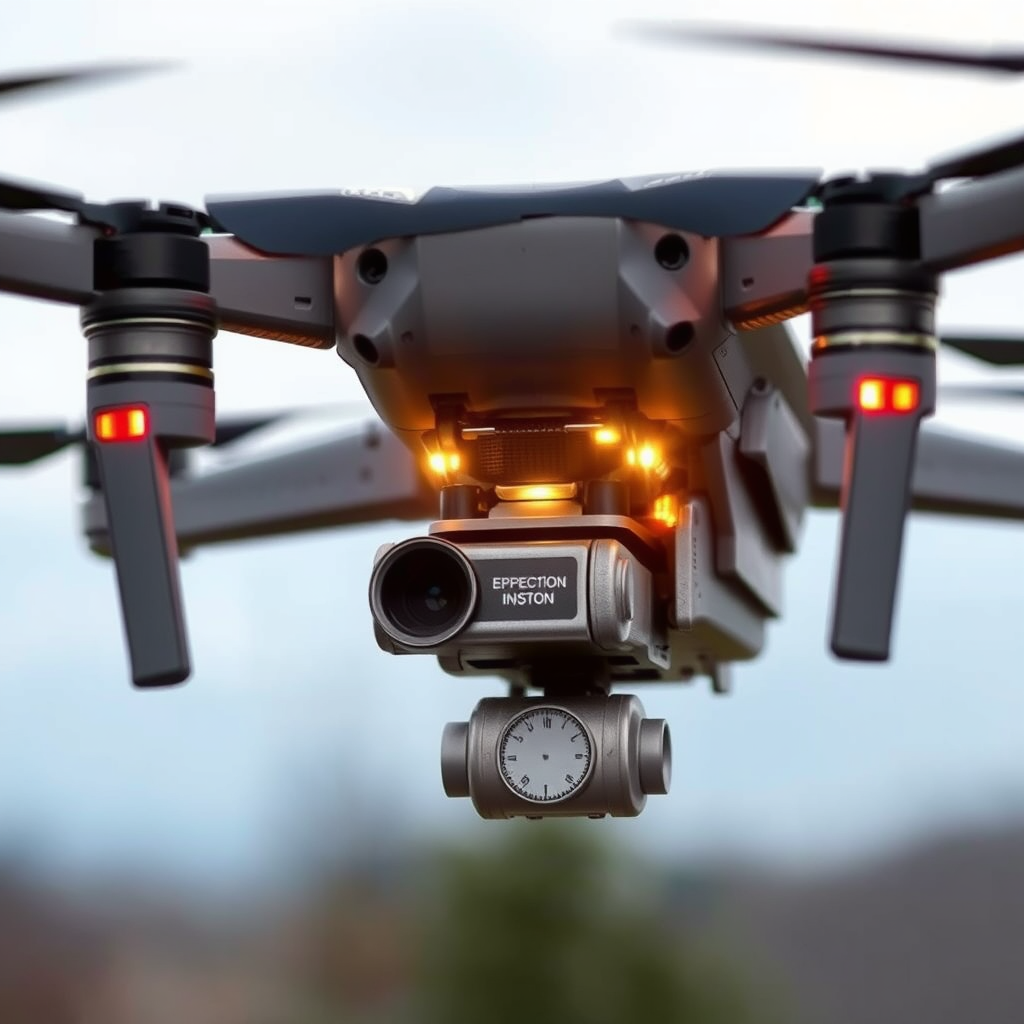
Most consumer drones are designed to fly up to 400 feet, a limit established to maintain safety in the airspace shared with manned aircraft. This altitude is particularly significant for hobbyists and recreational users, as it helps prevent potential collisions with commercial and private planes operating at lower altitudes. In the United States, the Federal Aviation Administration (FAA) sets these regulations, which are mirrored in many other countries by their respective aviation bodies.
In addition to the standard 400-foot limit, some areas, such as near airports or populated regions, may impose stricter altitude limits or require special permissions for higher flights. This regulatory framework is designed to protect both drone operators and the general public, ensuring that drone use does not inadvertently disrupt air traffic or pose safety risks.
Factors Affecting Drone Flight Height
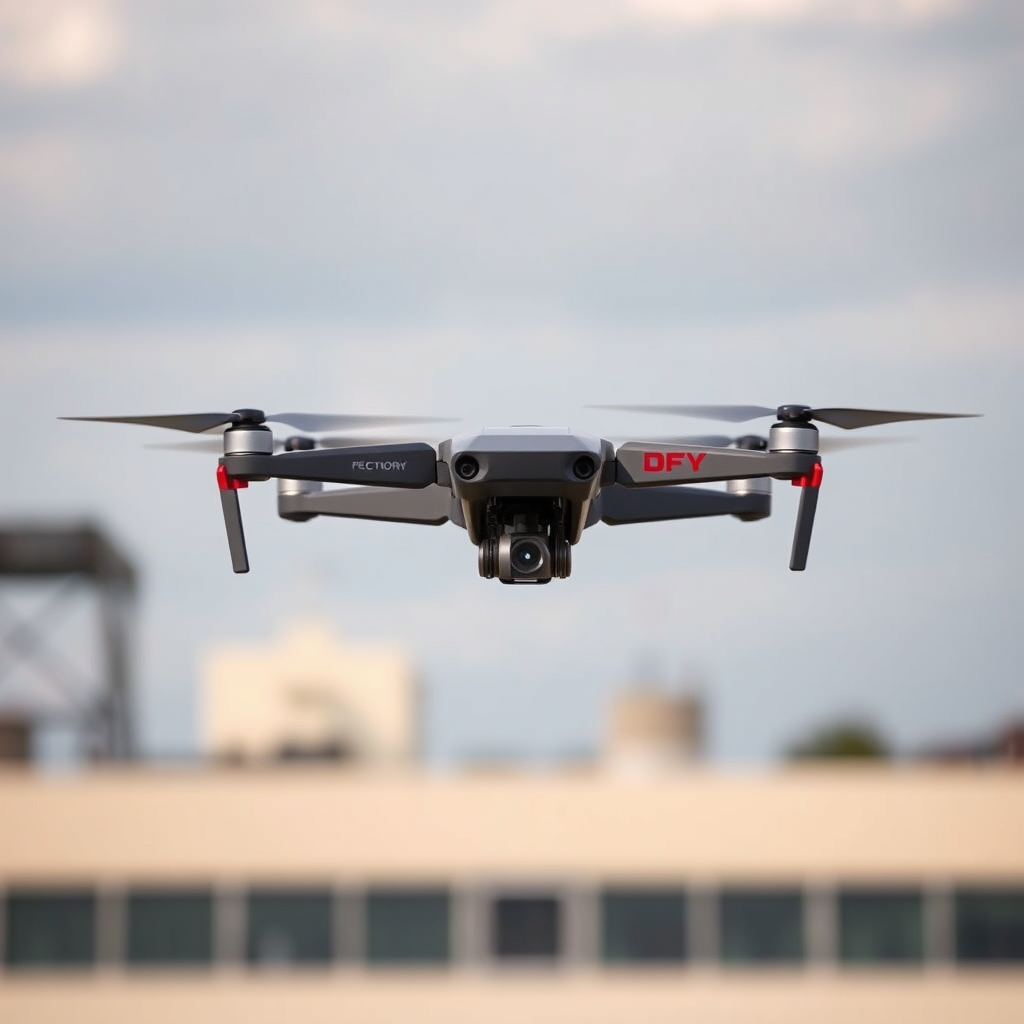
Environmental conditions are a crucial factor influencing a drone’s ability to reach its maximum altitude. Wind speed, temperature, and weather conditions can all affect flight stability and battery performance. For instance, strong winds can make it difficult for a drone to maintain altitude, especially at higher elevations where gusts can be unpredictable. Rain or snow can also impact visibility and the drone’s electronic systems, which may lead to operational difficulties.
Additionally, the drone’s battery life and overall weight are significant determinants of flight capability. Heavier drones may struggle to achieve their maximum altitude due to the increased energy required for lift. Conversely, lighter drones may perform better in terms of altitude but might have limitations in terms of payload capacity or flight duration. For example, a high-end consumer drone like the DJI Mavic Air 2 can achieve impressive altitudes with its lightweight design and efficient battery management, while a heavier commercial drone may require more power to reach similar heights.
Legal Regulations on Drone Altitude
Legal regulations concerning drone altitude are primarily set by national aviation authorities. In the United States, the FAA mandates that drones must not exceed 400 feet in controlled airspace unless they are flown within a 400-foot radius of a structure. This regulation aims to minimize risks associated with manned aircraft, which may be operating at higher altitudes.
Violating these altitude limits can result in significant penalties, including fines and potential legal action. Moreover, flying above the legal limits can expose operators to safety risks, such as loss of communication with the drone or the potential for collisions with other aircraft. To operate responsibly, drone pilots should familiarize themselves with local regulations, which can vary significantly from one jurisdiction to another.
Types of Drones and Their Flight Capabilities
Understanding the differences between consumer drones and commercial drones is essential when discussing maximum flight altitudes. Consumer drones, typically designed for hobbyists and casual users, are usually limited to around 400 feet. Popular models like the DJI Phantom 4 and the Autel Robotics EVO Lite offer excellent performance within this altitude range, providing users with aerial photography and videography capabilities without breaching safety regulations.
On the other hand, commercial drones are often engineered for specific applications, such as surveying, mapping, or agricultural monitoring. These drones might have the capacity to fly higher than 400 feet, especially if they are equipped with advanced sensors and technology. For instance, specialized drones used in industrial inspections may be authorized to operate at altitudes exceeding 400 feet, as long as they adhere to safety protocols and obtain the necessary permissions.
Another category worth mentioning is racing drones, which are designed for speed and agility rather than maximum altitude. These drones can sometimes exceed the typical altitude limits, but their primary focus is on performance and maneuverability during competitive racing.
Safety Considerations for High Altitude Flying
Flying at high altitudes poses various risks that operators must consider. One of the most significant concerns is the potential loss of signal between the drone and its controller. As altitude increases, the distance from the operator also expands, which can lead to communication failures. This risk is heightened in areas with obstructive terrain or urban environments where signal interference is prevalent.
Additionally, the risk of collision with other aircraft also increases at higher altitudes. Maintaining visual line of sight (VLOS) with the drone is not only a legal requirement in many jurisdictions but also a critical safety practice. VLOS allows operators to monitor their drone’s flight path and react promptly to any potential hazards, including other aircraft or obstacles.
To mitigate these risks, drone operators should employ a combination of pre-flight planning, situational awareness, and adherence to regulatory guidelines. Using software applications that provide real-time data on air traffic and weather conditions can also enhance safety and improve decision-making during flight operations.
Future Trends in Drone Technology
The future of drone technology holds exciting possibilities that may allow for higher altitudes and expanded capabilities. Innovations in battery technology, such as solid-state batteries, promise to increase flight duration and efficiency, potentially enabling drones to fly higher and longer. Additionally, advancements in lightweight materials could lead to the development of drones that can carry heavier payloads while still maintaining optimal performance at elevated altitudes.
As drone capabilities evolve, so too will the regulatory landscape. Authorities may need to adapt existing regulations to accommodate the growing capabilities of drones. This could involve re-evaluating altitude limits, developing new operational guidelines, and ensuring that safety measures remain robust as technology advances.
Moreover, the integration of artificial intelligence and machine learning into drone systems is expected to enhance navigation and obstacle avoidance, making high-altitude flights safer and more efficient. As these technologies mature, we may see a new era of drone operations that redefine maximum altitude limits while prioritizing safety and compliance.
In conclusion, while most drones can fly up to 400 feet, various factors such as regulations, technology, and safety considerations play a significant role in determining actual flight height. Understanding these elements is crucial for responsible drone operation. As drone technology continues to advance, staying informed about altitude limits and regulations will be essential for both recreational and commercial operators to ensure safe and effective flying.
Frequently Asked Questions
What is the maximum altitude a drone can legally fly in the United States?
In the United States, the Federal Aviation Administration (FAA) regulates drone flight and sets the maximum legal altitude at 400 feet above ground level. This height restriction is designed to prevent interference with manned aircraft, which generally fly at higher altitudes. However, drone operators must also consider local laws and regulations, as some areas may impose additional restrictions.
How high can commercial drones fly compared to recreational drones?
Commercial drones can typically fly up to 400 feet, similar to recreational drones, as per FAA regulations. However, commercial drone operators often have the opportunity to request waivers for higher altitudes if their operations require it, such as in industrial inspections or surveying. This flexibility allows commercial pilots to utilize drones more effectively in specific applications while still adhering to safety guidelines.
Why are there altitude restrictions for drone flights?
Altitude restrictions for drone flights are primarily in place to ensure safety in the airspace. Drones flying above 400 feet can pose a risk to manned aircraft, as they share the same airspace. These regulations help prevent collisions and maintain order in aviation, thereby protecting both drone operators and pilots of traditional aircraft.
What factors can affect how high a drone can fly?
Several factors can affect how high a drone can fly, including its design, battery capacity, and weight. Additionally, environmental conditions such as air pressure and temperature can influence a drone’s performance. Moreover, local regulations and airspace restrictions can also dictate how high a drone is allowed to operate, making it essential for operators to be aware of these elements before flight.
Which drones are capable of flying the highest altitudes?
Drones designed for professional use, such as the DJI Matrice series or the senseFly eBee X, are capable of flying at higher altitudes and are often equipped with advanced features. These drones can reach the legal limit of 400 feet and may even be capable of flying higher if modifications are made or if special permissions are granted. It’s crucial to choose a drone based on its intended use and to ensure compliance with local regulations regarding altitude limits.
References
- https://en.wikipedia.org/wiki/Drone
- https://www.faa.gov/uas/getting_started/part_107/
- https://www.nytimes.com/2019/07/18/us/drone-regulations.html
- https://www.sciencedirect.com/science/article/pii/S2351978919302320
- https://www.bbc.com/news/technology-45180215
- https://www.nasa.gov/feature/nasa-s-new-drone-research
- https://www.wired.com/story/how-high-can-drones-fly/
- https://www.abc.net.au/news/science/2020-06-19/how-high-can-drones-fly/12364672
- https://www.reuters.com/article/us-usa-drones-idUSKBN2A61NS
