
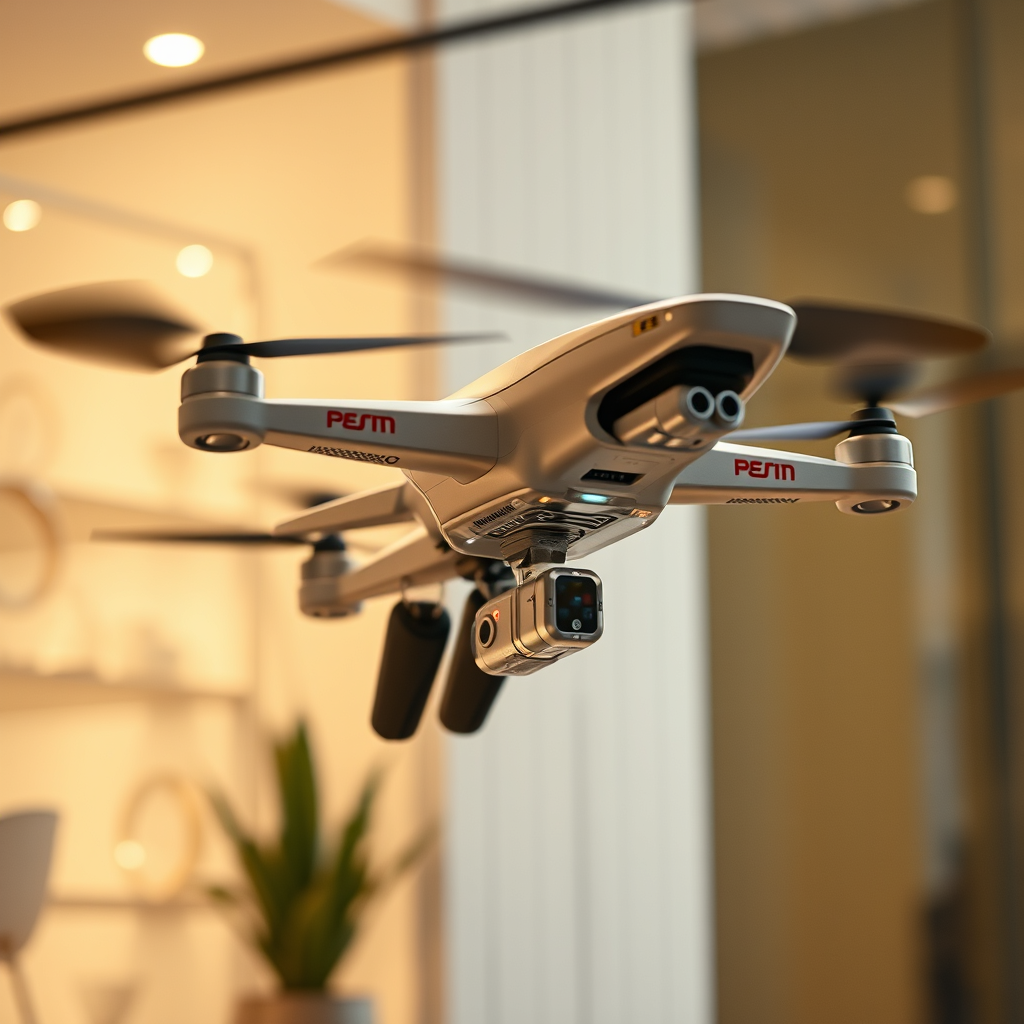
A drone that can lift a person is not just a futuristic dream; it is a reality that is rapidly approaching our daily lives. These innovative flying machines, commonly known as passenger drones or flying taxis, are set to transform urban transportation by providing a new mode of aerial mobility. With advancements in technology and engineering, personal flight is becoming increasingly viable, potentially alleviating traffic congestion and enhancing the efficiency of urban commuting.
What Are Passenger Drones?
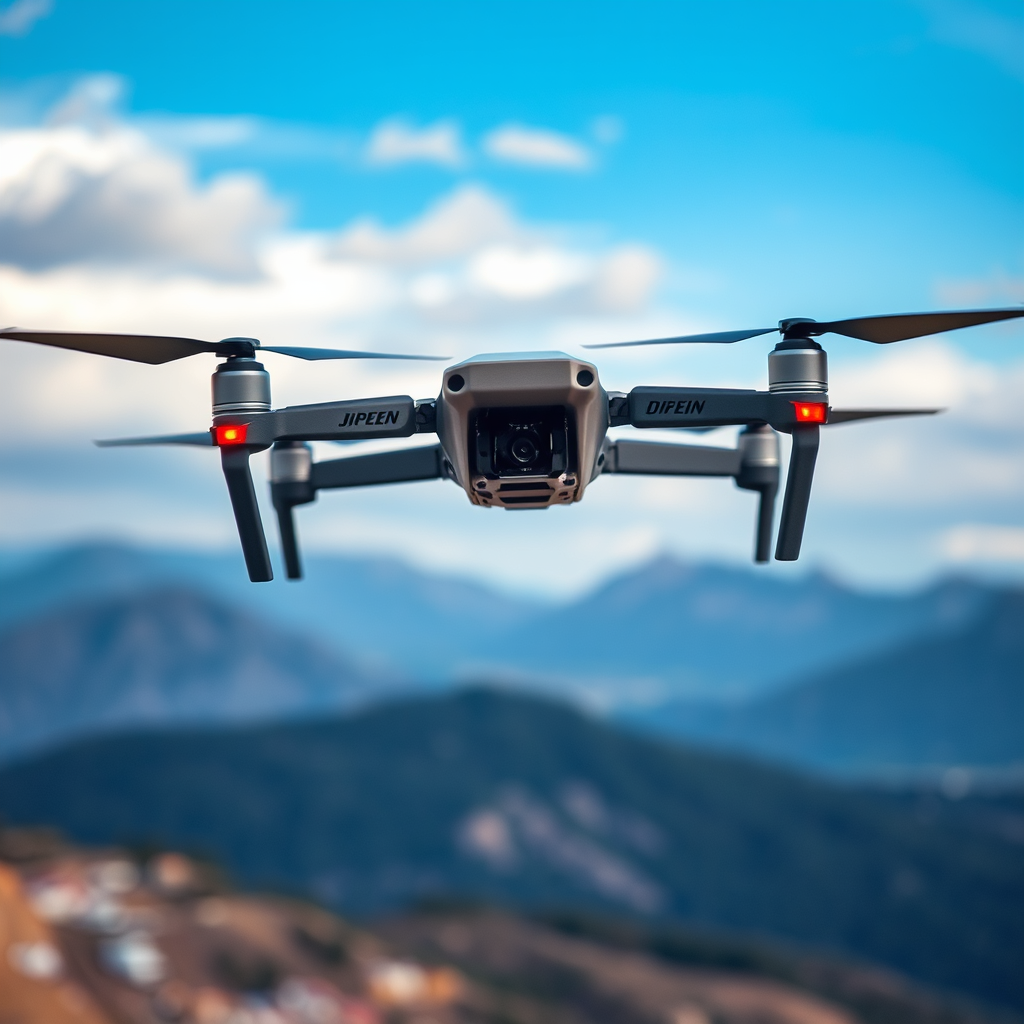
Passenger drones are unmanned aerial vehicles (UAVs) designed specifically to transport individuals safely and efficiently. Unlike traditional drones, which are primarily designed for recreational use or commercial applications like photography and surveying, passenger drones focus on human transport. They are equipped with advanced navigation systems, autonomous flight capabilities, and robust safety features, allowing them to operate in complex urban environments.
Key technologies driving the development of passenger drones include electric propulsion systems, lightweight materials, and sophisticated control algorithms. These innovations enable drones to achieve greater lift and maneuverability while ensuring energy efficiency. Additionally, advancements in battery technology allow for longer flight times, making them suitable for urban travel. Companies like Joby Aviation and Volocopter are at the forefront of this industry, working tirelessly to bring these aerial vehicles into the mainstream.
How Do They Work?
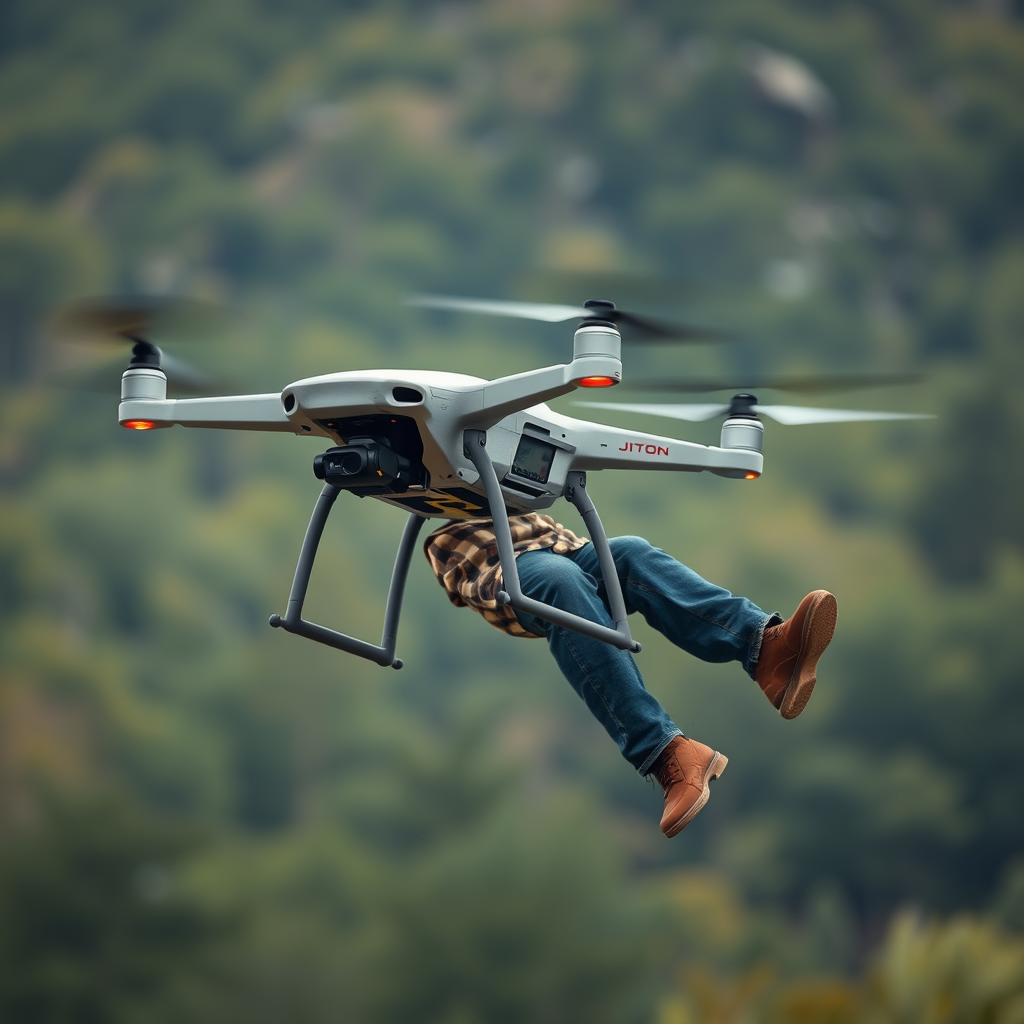
The propulsion systems used in passenger drones are typically multi-rotor or lift-and-cruise configurations. Multi-rotor drones utilize several rotors to generate lift, providing exceptional stability and maneuverability. In contrast, lift-and-cruise designs combine vertical takeoff and landing (VTOL) capability with horizontal flight, enabling drones to transition smoothly between different flight modes. This versatility is crucial for navigating urban environments, where space and air traffic can be challenging.
Safety is paramount in the design of passenger drones. Most models incorporate redundant systems, such as multiple motors and backup navigation systems, to ensure continued operation in case of component failure. Flight controls are often automated, utilizing artificial intelligence and machine learning to enhance decision-making during flight. Moreover, drones are equipped with collision avoidance systems that help prevent accidents by detecting obstacles in real-time.
Current Models on the Market
Several companies are leading the charge in developing passenger drones, each offering unique specifications and capabilities. For example, Joby Aviation’s eVTOL aircraft can carry up to four passengers and has a range of approximately 150 miles, making it ideal for inter-city travel. Meanwhile, Volocopter’s VoloCity is designed for urban air mobility, with a focus on short-distance trips within city limits.
A comparison of specifications reveals notable differences among models. For instance, while Joby Aviation emphasizes range and speed, Volocopter prioritizes ease of operation and user-friendliness. Other entrants in the market, such as Archer Aviation and EHang, are also making strides, each with their own innovative designs and operational strategies. As competition heats up, we can expect further advancements in performance and safety features.
Regulatory Challenges
Despite the exciting potential of passenger drones, several regulatory challenges must be addressed before widespread adoption can occur. Current airspace regulations, which were primarily designed for traditional aircraft, may not adequately accommodate the unique operational requirements of drones. Issues such as air traffic management, flight path regulations, and noise pollution need careful consideration.
Regulatory bodies, including the Federal Aviation Administration (FAA) in the United States and the European Union Aviation Safety Agency (EASA), are working to create frameworks that support the safe integration of passenger drones into existing airspace. However, the pace of regulatory change can be slow, often hindered by safety concerns and the need for comprehensive testing. Collaboration between industry leaders and regulatory agencies will be essential for overcoming these hurdles and facilitating the safe deployment of passenger drones.
Safety and Training Requirements
As with any mode of transportation, safety is a critical concern for passenger drones. The industry is evolving to establish rigorous pilot training and certification processes to ensure skilled operators are at the controls. While many passenger drones are designed for autonomous operation, understanding the intricacies of aerial navigation and emergency procedures is crucial.
Safety measures for passengers also play a vital role in the design and operation of these drones. Many models feature safety harnesses, redundancy systems for critical components, and emergency landing protocols to protect occupants in the event of an unexpected situation. Manufacturers are focused on ensuring that passenger drones meet high safety standards, which will be essential for gaining public trust and encouraging widespread use.
Future of Personal Drone Transportation
The future of personal drone transportation looks promising, with significant market growth anticipated over the next decade. Industry analysts predict that the global urban air mobility market could reach $1.5 trillion by 2040, driven by increasing urbanization and a growing demand for efficient transportation solutions. As technology continues to advance, we can expect improvements in battery life, payload capacity, and flight range, making personal drones even more practical for everyday use.
The integration of passenger drones into urban infrastructure could also lead to transformative changes in how cities are designed. For instance, dedicated landing zones and charging stations could become common features in urban landscapes. Additionally, the ability to bypass road traffic may alleviate congestion, offering a new dimension to urban commuting. However, careful planning and investment will be required to ensure that these advancements are implemented safely and effectively.
Conclusion: Embracing the Future of Flight
As passenger drones continue to evolve, they hold the potential to redefine how we navigate our cities and enhance the efficiency of urban transportation. While challenges remain in terms of regulation, safety, and infrastructure, the ongoing developments in this field are exciting and worth monitoring. By staying informed about advancements and regulatory changes, stakeholders can better prepare for the future of aerial mobility, ensuring that this innovative mode of transportation can be embraced safely and effectively.
Frequently Asked Questions
What is a personal drone and how does it work?
A personal drone, often referred to as a passenger drone or flying car, is an unmanned aerial vehicle designed to lift and transport a person. It operates using multiple rotors for lift and stability, utilizing advanced technologies such as GPS, sensors, and artificial intelligence for navigation and safety. These drones are powered by electric batteries or hybrid systems, enabling them to fly autonomously or be piloted by a human operator.
How much weight can a passenger drone safely lift?
The lifting capacity of passenger drones varies significantly depending on their design and specifications, but most can safely lift between 200 to 600 pounds. However, models designed for heavier payloads, like cargo or multiple passengers, can handle weights exceeding 1,000 pounds. When considering a drone for personal use, it’s crucial to check the manufacturer’s specifications to ensure it meets safety regulations and can accommodate the intended load.
Why are passenger drones not widely available yet?
Passenger drones face several challenges that have slowed their widespread adoption, including regulatory hurdles, safety concerns, and technological limitations. Aviation authorities like the FAA are still developing guidelines for their operation, particularly concerning air traffic management and safety standards. Additionally, the technology must evolve to ensure reliability, battery efficiency, and affordability before they can become a common mode of transport.
What are the best passenger drones currently available on the market?
Some of the best passenger drones available as of 2023 include the EHang 216, which is designed for urban air mobility, and the PAL-V Liberty, a flying car that combines both driving and flying capabilities. Each model offers unique features such as autonomous flight, vertical take-off and landing (VTOL), and customizable interiors. Researching and comparing specifications, safety records, and user reviews can help potential buyers make informed decisions about which model best suits their needs.
How can I obtain a license to operate a passenger drone?
To operate a passenger drone legally, you typically need to obtain a pilot’s license, which may vary by country. In the U.S., for instance, you would need to comply with the Federal Aviation Administration (FAA) requirements for commercial pilots, including passing written and practical exams, as well as adhering to safety regulations specific to unmanned aerial vehicles. Additionally, prospective operators should familiarize themselves with local laws and regulations surrounding drone usage, which can vary widely.
References
- https://en.wikipedia.org/wiki/Passenger_drone
- https://www.bbc.com/news/technology-44530986
- https://www.theguardian.com/technology/2021/nov/03/electric-air-taxis-are-they-the-future-of-urban-transport
- https://www.sciencedirect.com/science/article/pii/S009457652100200X
- https://www.nytimes.com/2021/10/20/business/drone-delivery-pilots.html
- https://www.reuters.com/technology/air-taxis-are-now-closer-reality-than-ever-before-2022-06-01/
- https://www.nasa.gov/aeroresearch/programs/aavp/air-taxi
- https://www.darpa.mil/news-events/2020-06-02
- https://www.techcrunch.com/2021/07/18/a-drone-that-can-carry-a-passenger-is-here/
