
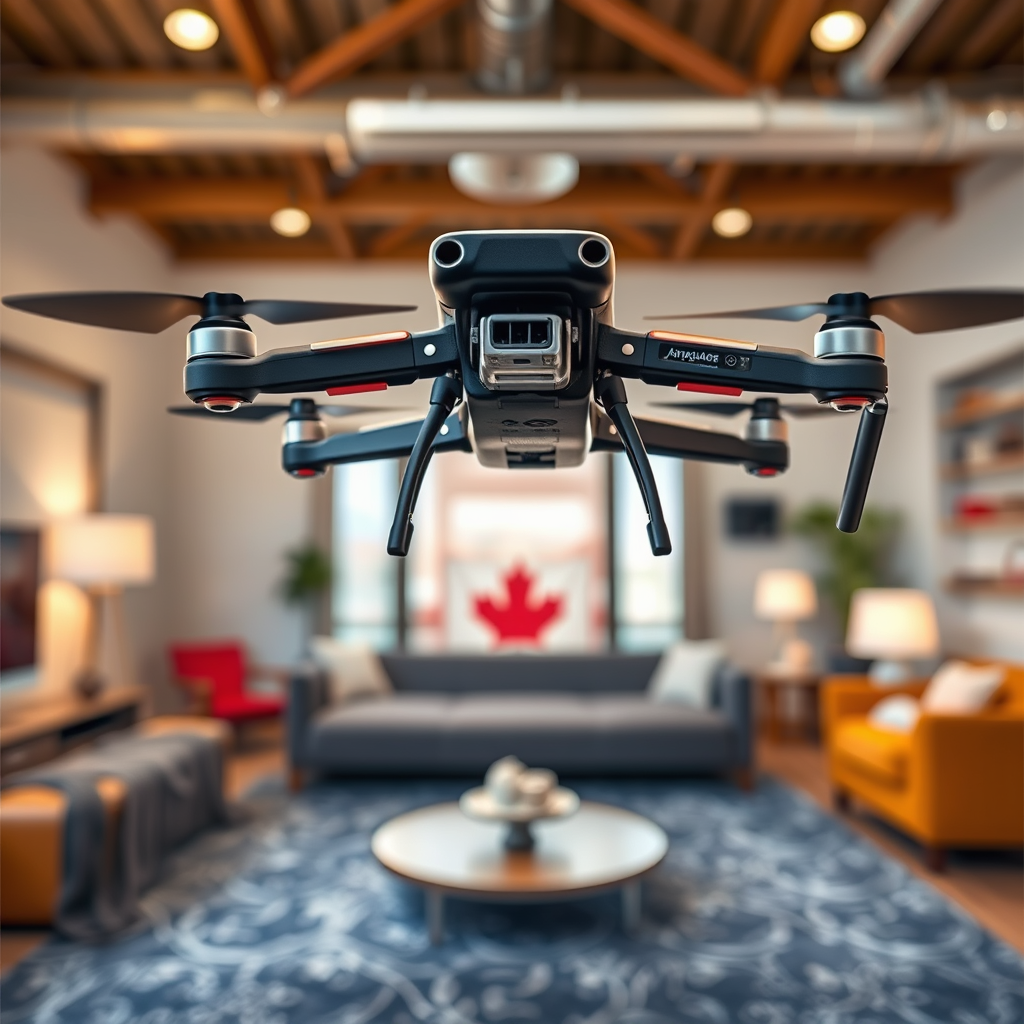
Drones are allowed in Canada, but there are specific regulations and guidelines that operators must follow. Understanding these rules is crucial for safe and legal drone use in the country. With the increasing popularity of drones for both recreational and commercial purposes, it is essential for operators to be aware of the legal framework that governs their use to avoid any potential violations and ensure safety for all airspace users.
Overview of Canadian Drone Regulations
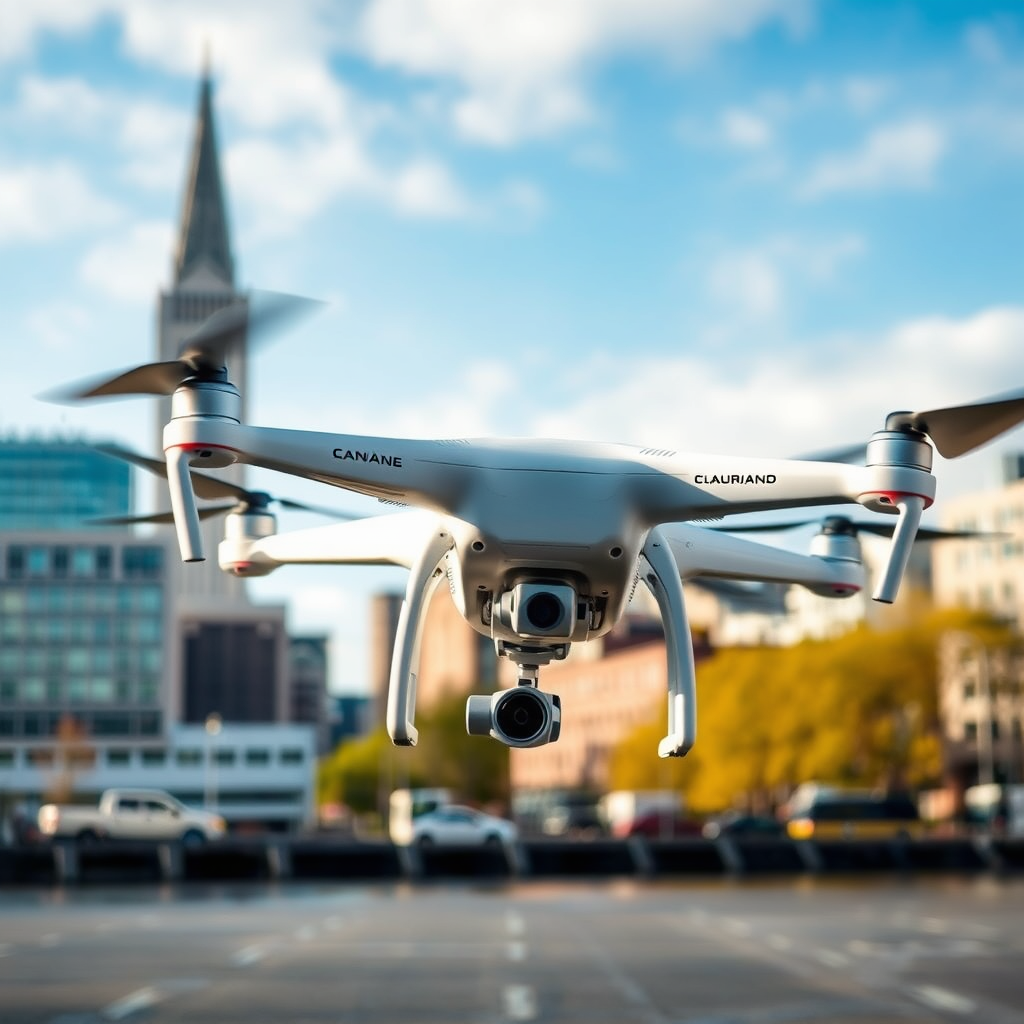
In Canada, drone regulations are primarily enforced by Transport Canada, which mandates that all drones weighing over 250 grams must be registered. This requirement aims to help authorities track drone activity and ensure accountability among operators. Registration can be done online and is relatively straightforward, requiring the operator’s basic information and details about the drone.
Additionally, operators must obtain a pilot certificate if they intend to fly drones in most situations. There are two categories of pilot certificates: the Basic Pilot Certificate and the Advanced Pilot Certificate. The Basic certificate allows operators to fly in uncontrolled airspace, while the Advanced certificate permits operations in controlled airspace, near people, and at night, among other privileges. To obtain these certificates, operators must pass a written exam and, in some cases, a flight review. This framework ensures that drone pilots possess the necessary knowledge to operate their devices safely and effectively.
Categories of Drone Use
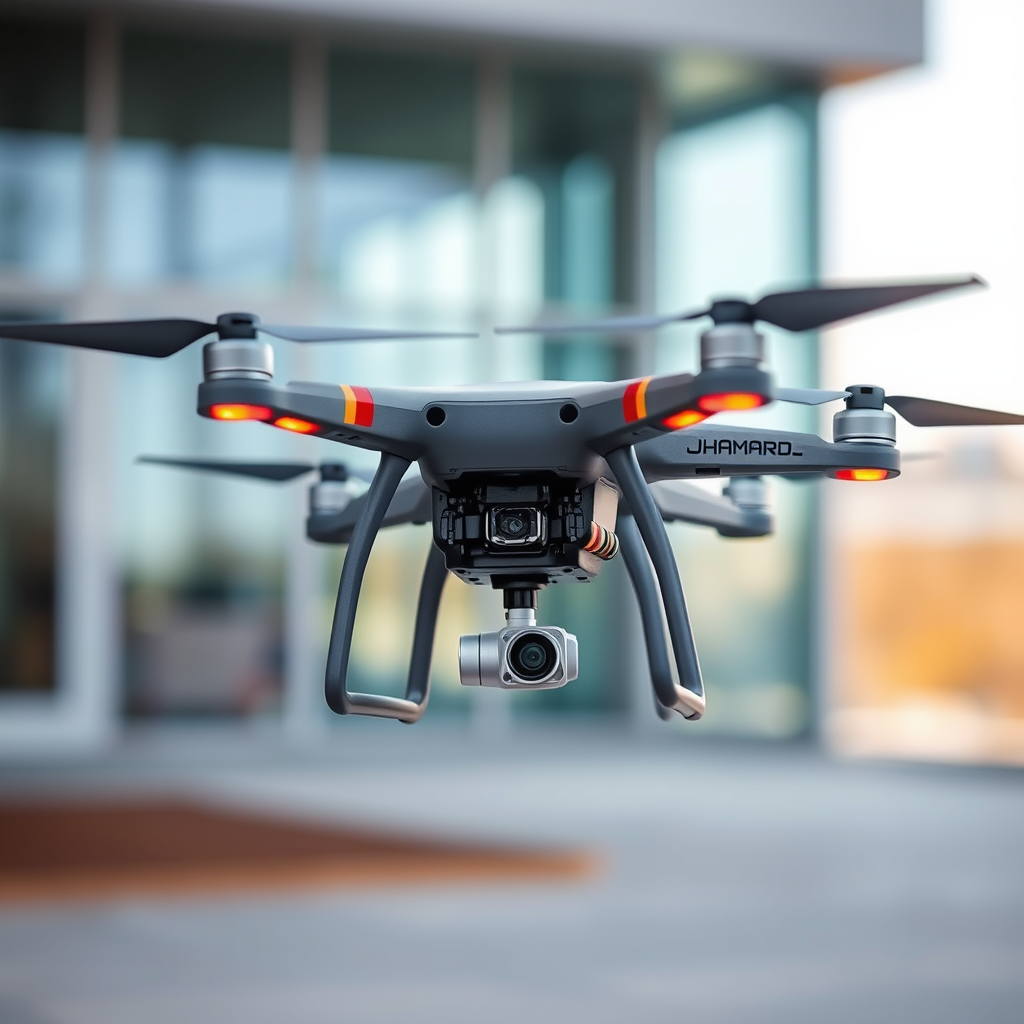
Drone operations in Canada are broadly categorized into recreational and commercial use, each with distinct regulations. For recreational use, operators are required to follow the “Safety Guidelines for Recreational Drone Use,” which includes flying only for fun and not for work or business purposes. This use typically requires a Basic Pilot Certificate and adherence to specific altitude and distance restrictions.
Conversely, commercial use encompasses a wide range of activities, from aerial photography to surveying and inspections. Commercial operators must obtain an Advanced Pilot Certificate and may need to apply for special permissions depending on the complexity of their operations. For instance, flying in controlled airspace often necessitates additional permissions from air traffic control and a thorough understanding of airspace classifications. Understanding these distinctions is vital for operators to remain compliant and avoid potential legal pitfalls.
Safety Guidelines for Drone Operators
Safety is paramount in drone operations. One of the fundamental safety guidelines requires operators to maintain a visual line of sight with their drone at all times. This means that pilots should always be able to see their drone without the aid of binoculars or any other visual enhancement devices. This rule is crucial for avoiding collisions with other aircraft, obstacles, and persons on the ground.
Moreover, it is strictly illegal to fly drones near airports, crowds, or emergency scenes. The regulations stipulate that drones must remain at least 5.6 kilometers away from airports and aerodromes, as well as not exceed an altitude of 122 meters (400 feet) above ground level in uncontrolled airspace. Operators should also be mindful of privacy laws and respect the rights of individuals when capturing images or video with their drones. Following these guidelines not only enhances safety but also fosters a positive public perception of drone technology.
Penalties for Non-Compliance
Failing to comply with Canadian drone regulations can lead to severe penalties, including substantial fines and legal repercussions. Transport Canada takes violations seriously, with fines ranging from hundreds to thousands of dollars, depending on the severity of the infraction. For instance, flying a drone without a valid pilot certificate or operating in restricted airspace can result in significant penalties.
Transport Canada actively monitors drone activity and may investigate complaints from the public or other authorities. Such investigations can lead to additional consequences, including potential criminal charges in extreme cases. As such, it is crucial for drone operators to remain informed about the regulations and adhere to them diligently to avoid these risks.
Resources for Drone Operators in Canada
For those looking to navigate the complexities of drone regulations in Canada, Transport Canada offers a wealth of resources online. Their official website provides comprehensive guides, training materials, and the necessary forms for registration and certification. Additionally, there are numerous online courses available that can help aspiring drone pilots prepare for their certification exams.
Local drone clubs and organizations also serve as valuable resources for operators. These groups often host workshops, training sessions, and community events that foster learning and collaboration among drone enthusiasts. Engaging with these communities can provide insights into best practices, safety measures, and the latest industry developments, contributing to a more informed and responsible drone operation culture.
Future of Drone Regulations in Canada
The landscape of drone regulations in Canada is continually evolving, driven by advancements in technology and the growing use of drones in various sectors. Ongoing discussions among policymakers, industry stakeholders, and the public focus on adapting regulations to accommodate innovations such as drone delivery systems and the integration of drones into controlled airspace.
As drone technology progresses, we may see changes in licensing requirements, operational limits, and the introduction of new categories of drone use. For example, the integration of drones into urban environments for delivery services could necessitate the development of dedicated air traffic management systems for drones. Keeping abreast of these developments will be crucial for operators to remain compliant and leverage new opportunities in the drone industry.
In conclusion, while drones are allowed in Canada, operators must adhere to strict regulations to ensure safety and compliance. Understanding registration requirements, pilot certification, and safety guidelines is essential for anyone interested in flying a drone. As the technology continues to evolve, staying informed about regulatory changes will enable drone operators to enjoy their experience legally and responsibly while contributing to a safer airspace for everyone.
Frequently Asked Questions
What are the regulations for flying drones in Canada?
In Canada, drone regulations are governed by Transport Canada under the Canadian Aviation Regulations (CARs). All drone pilots must follow the rules outlined in the Basic and Advanced Operations categories, which include maintaining visual line-of-sight, adhering to maximum altitude limits (400 feet), and avoiding controlled airspace unless authorized. Additionally, drone operators must register their drones if they weigh between 250 grams and 25 kilograms and obtain a pilot certificate depending on the operation’s complexity.
How do I obtain a drone pilot certificate in Canada?
To obtain a drone pilot certificate in Canada, you must complete a knowledge test that assesses your understanding of Canadian aviation regulations, airspace rules, and safe flying practices. After passing the test, you can apply for a certificate through Transport Canada. For Basic Operations, you need to demonstrate specific knowledge, while Advanced Operations require additional training and successful completion of a flight review.
Why do I need to register my drone in Canada?
Registration is mandatory for drones weighing between 250 grams and 25 kilograms to enhance safety and accountability in the national airspace. By registering your drone, you provide essential information that helps authorities track ownership and ensure compliance with aviation regulations. This process contributes to safer drone operations and minimizes risks to other aircraft and people on the ground.
Which areas are restricted for drone flying in Canada?
Drone flying is restricted in various areas to ensure safety, including near airports, military bases, and densely populated regions. Additionally, you cannot fly over designated national parks, wildlife reserves, or other restricted zones without special permission. Always check the “No Fly Zones” and temporary flight restrictions before operating your drone to avoid penalties and ensure compliance with Canadian laws.
What are the best practices for flying a drone legally in Canada?
To fly your drone legally in Canada, start by familiarizing yourself with Transport Canada’s regulations and obtaining the appropriate pilot certificate. Always register your drone and check local airspace restrictions before each flight. Maintain visual line-of-sight with your drone, avoid flying at night unless permitted, and respect the privacy of others by not flying over private property without consent. Following these best practices will help you enjoy a safe and legal drone flying experience.
References
- https://www.tc.gc.ca/en/services/aviation/drone-safety.html
- https://www.canada.ca/en/transport-canada/services/aviation/drone-safety.html
- https://en.wikipedia.org/wiki/Unmanned_aerial_vehicle#Canada
- https://www.theglobeandmail.com/business/article-canadian-drone-regulations/
- https://www.cbc.ca/news/canada/drone-regulations-1.4931749
- https://www.nrcan.gc.ca/science-data/science-research/earth-sciences/geography/land-use-planning/drone-technology/19694
