
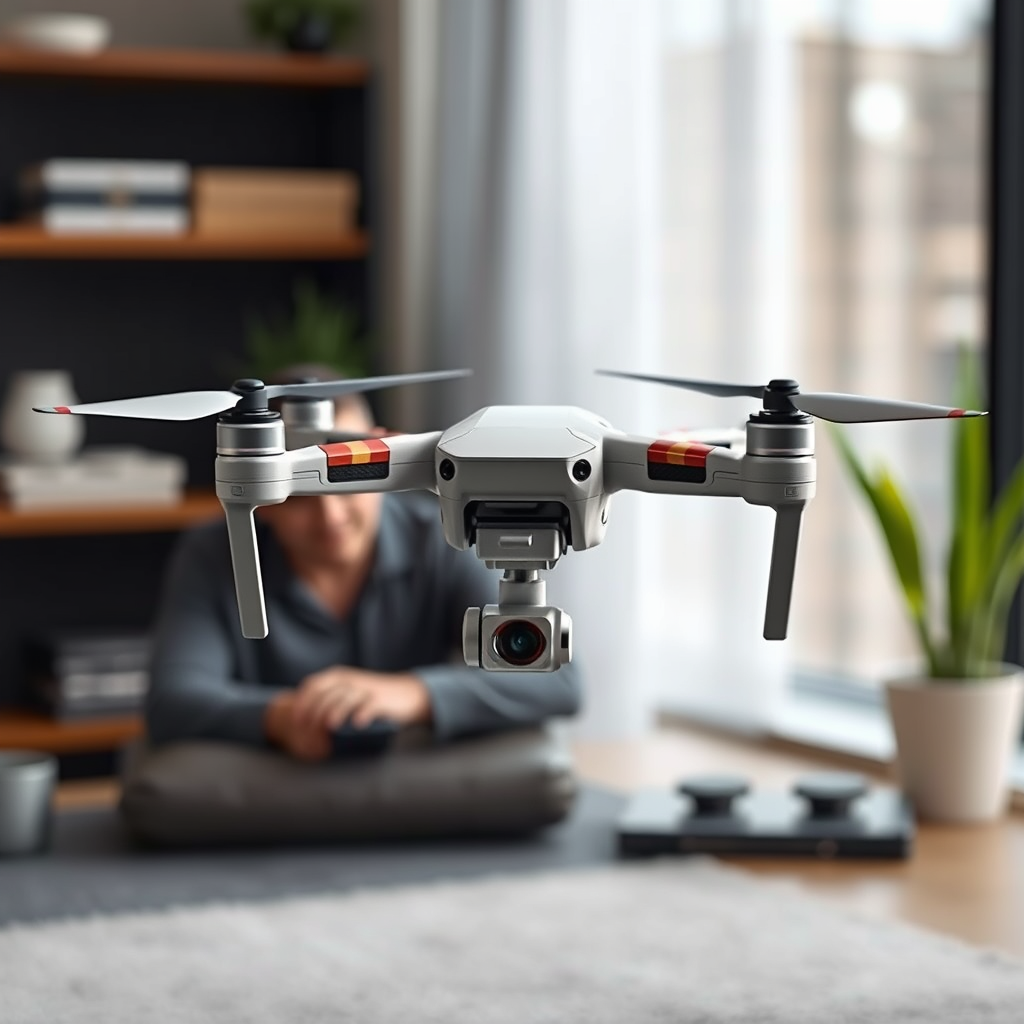
Yes, drones can be used for a wide range of applications, from recreational flying to commercial uses in agriculture, photography, and delivery services. Their multifunctionality makes them a valuable tool across various sectors, allowing for innovative solutions to traditional challenges. This article explores the versatility of drones and outlines some of the most common uses today, shedding light on how this technology is transforming industries and enhancing our everyday lives.
Recreational Uses of Drones
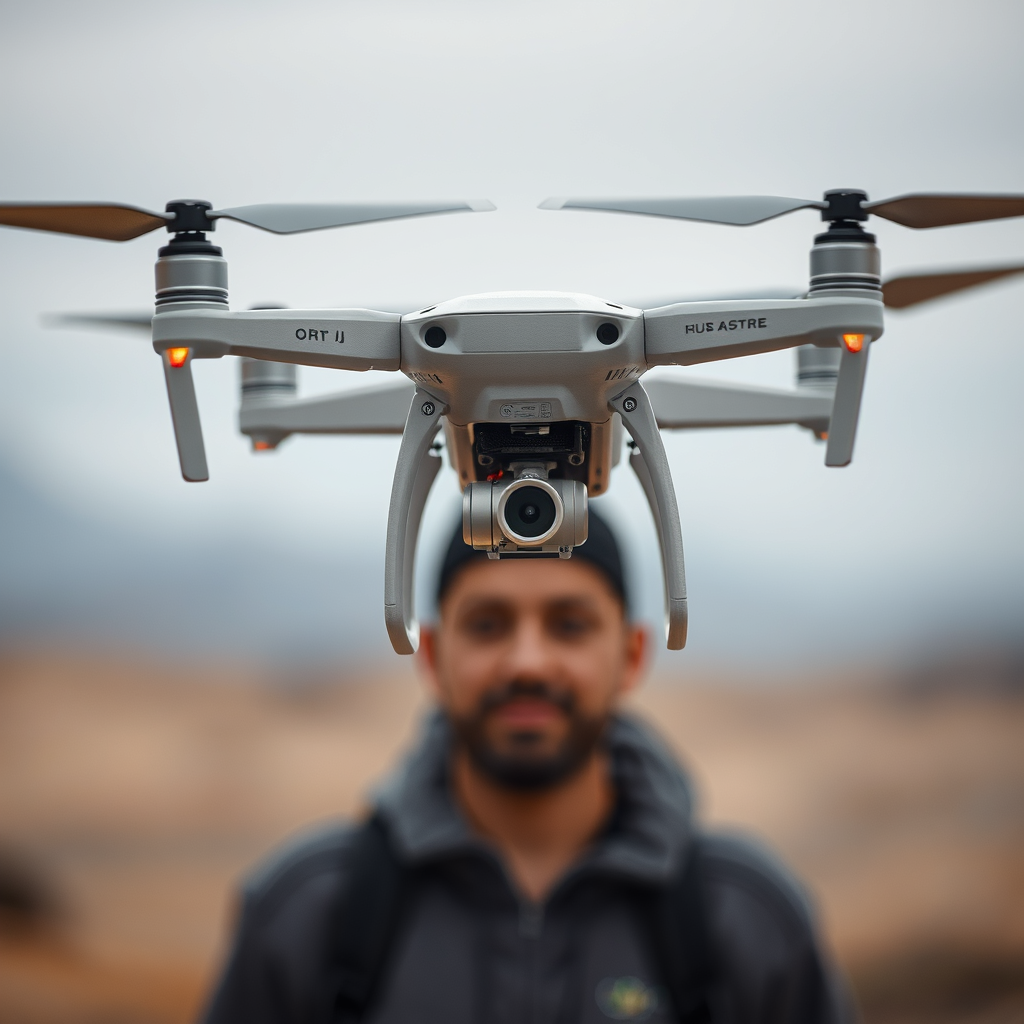
Drones have surged in popularity among hobbyists, primarily for aerial photography and videography. This interest has been fueled by the increasing availability of user-friendly drones equipped with high-quality cameras, enabling enthusiasts to capture stunning landscape shots or unique angles of their surroundings. For example, outdoor adventurers often use drones to document their hiking or biking experiences, providing breathtaking footage that can be shared on social media platforms.
In addition to photography, racing drones have carved out a niche in the world of competitive sports. Drone racing events, where pilots navigate their drones through intricate courses at high speeds, have gained a dedicated following. Organizations such as the Drone Racing League (DRL) have emerged, promoting competitive racing and showcasing the skill involved in piloting these machines. This competitive aspect adds an exciting layer to drone use and fosters community among drone enthusiasts.
Commercial Applications of Drones

Drones are increasingly being integrated into various industries, revolutionizing how businesses operate. In real estate, for instance, drones provide agents with the ability to capture aerial images and videos of properties, offering prospective buyers a comprehensive view that ground-level photography cannot match. This creates a more engaging marketing experience and can significantly shorten the time a property remains on the market.
Moreover, businesses are utilizing drones for surveying land and conducting infrastructure inspections. Drones equipped with specialized sensors can gather data on construction sites, monitor progress, and assess the condition of bridges, power lines, and pipelines. This not only reduces the time and cost associated with traditional surveying methods but also enhances safety by allowing inspections to be performed from a distance, minimizing the risk to workers.
Drones in Agriculture
The agricultural sector has embraced drones as a game-changing tool for precision farming. Farmers leverage drone technology for crop monitoring, allowing them to assess the health and growth of their crops from above. High-resolution imagery captured by drones can reveal variations in crop health, moisture levels, and nutrient deficiencies, enabling farmers to make informed decisions about irrigation and fertilization.
Precision agriculture, facilitated by drones, allows for targeted pesticide and fertilizer application. Instead of treating entire fields uniformly, farmers can use drones to identify specific areas that require attention, thus optimizing resource use and enhancing yield. For example, a farmer might use a drone to apply fertilizers only to sections of a field that show signs of nutrient deficiency, leading to reduced chemical usage and lower costs.
Drones for Delivery Services
The potential for drones in delivery services is rapidly being explored, particularly by companies like Amazon, which are investigating the viability of drone technology for last-mile delivery. Drones can transport packages directly to customers’ doorsteps, significantly reducing delivery times and operational costs. The ability to bypass traffic congestion and navigate directly to delivery points presents an opportunity for enhanced logistical efficiency.
Additionally, drones serve a critical role in delivering medical supplies to remote or hard-to-reach areas. For instance, in regions where traditional transportation methods are slow or unreliable, drones can swiftly deliver essential medications, vaccines, or equipment. Companies such as Zipline have pioneered this application, using drones to provide timely medical aid in countries like Rwanda and Ghana, showcasing the humanitarian potential of drone technology.
Drones in Search and Rescue Operations
Drones have become invaluable tools for emergency responders and search and rescue teams. In challenging terrains, such as mountains or dense forests, drones can help locate missing persons more quickly and safely than traditional methods. Equipped with thermal imaging cameras, drones can identify body heat signatures, even in low visibility conditions, drastically improving the chances of a successful rescue.
Moreover, drones provide real-time aerial views of disaster-stricken areas, enabling emergency services to assess damage and plan response strategies effectively. For instance, during hurricanes or wildfires, drones can survey affected regions, helping responders understand the scope of the disaster and prioritize their efforts. This application not only saves time but also enhances coordination among various agencies involved in disaster response.
Regulatory Considerations for Drone Use
While the potential applications of drones are vast, understanding local regulations and obtaining the necessary permits is crucial for legal drone operation. Regulatory bodies, such as the Federal Aviation Administration (FAA) in the United States, have established guidelines to ensure safety and privacy in drone usage. Operators must familiarize themselves with these regulations, which can vary by location and purpose of use.
Compliance with safety guidelines is essential for responsible flying. This includes maintaining visual line-of-sight, avoiding restricted airspaces, and respecting the privacy of individuals. By adhering to these regulations, drone operators not only ensure their safety but also contribute to the broader acceptance and integration of drones in society.
Future Trends in Drone Technology
The future of drone technology is promising, with advancements in artificial intelligence (AI) and automation expected to enhance their capabilities significantly. AI can enable drones to make real-time decisions, such as navigating obstacles or identifying targets autonomously, leading to more efficient and versatile applications.
Moreover, the integration of drones into urban air mobility solutions is an emerging trend. As cities face increasing congestion, drones may be utilized for passenger transport or cargo delivery within urban environments. This evolution could reshape transportation systems and provide alternative solutions to urban mobility challenges, paving the way for smarter cities.
In conclusion, drones have proven to be incredibly versatile tools with applications across multiple sectors. From recreational uses to critical commercial applications in agriculture and delivery services, their potential is vast and continually expanding. Understanding their capabilities and staying informed about regulations and technological advancements can open up new opportunities, whether for personal use or business innovation. As drone technology continues to evolve, it will be exciting to witness how it transforms industries and enhances our everyday lives.
Frequently Asked Questions
Can a drone be used for photography and videography?
Yes, drones are widely used for photography and videography due to their ability to capture stunning aerial images and high-definition video footage. Many consumer and professional drones come equipped with advanced cameras that offer features like 4K video, stabilization, and various shooting modes. This makes them an excellent tool for filmmakers, real estate agents, and content creators looking to enhance their visual storytelling.
Can a drone fly in the rain?
Flying a drone in the rain is generally not recommended, as most consumer drones are not designed to withstand water exposure. Moisture can damage the drone’s electronics and affect its performance, leading to potential crashes. If you must fly in wet conditions, look for drones specifically labeled as “water-resistant” or “weatherproof,” but always prioritize safety and check the manufacturer’s guidelines before flying.
Can a drone deliver packages?
Yes, drones can be used for package delivery, and several companies are actively testing and implementing this technology. Delivery drones can transport small parcels quickly and efficiently, reducing delivery times. However, regulatory challenges and safety concerns still need to be addressed, and widespread commercial use is not yet fully realized, though it is on the horizon.
How can a drone help in agriculture?
Drones play a significant role in modern agriculture by providing farmers with valuable data and insights about their crops. They can be used for tasks like crop monitoring, soil analysis, and irrigation management, allowing farmers to make informed decisions that enhance productivity. Drones equipped with multispectral cameras can also identify plant health issues early, enabling timely interventions that can save crops and increase yields.
Which drone is best for beginners?
For beginners, the best drone is typically one that is user-friendly, has a stable flight system, and is affordable. Models like the DJI Mini SE or the Potensic D80 are excellent choices as they offer intuitive controls, good camera quality, and features like GPS and altitude hold, which make flying easier for novices. Always consider the drone’s flight time, durability, and whether it includes safety features to ensure a smooth learning experience.
References
- https://en.wikipedia.org/wiki/Drone
- https://www.faa.gov/uas/
- https://www.nytimes.com/2021/06/30/us/drone-regulations.html
- https://www.nationalgeographic.com/science/article/how-drones-are-changing-the-world
- https://www.bbc.com/news/science-environment-58521245
- https://www.reuters.com/technology/drones-are-set-change-farming-2021-11-16/
- https://www.aa.usda.gov/sites/default/files/2020-02/Drone%20Report%20Final.pdf
- https://www.nap.edu/catalog/25161/drones-in-agriculture
- https://www.techcrunch.com/2020/02/02/drones-in-2020/
