
Yes, a drone can potentially cut your finger off, particularly if it has sharp propellers or blades. However, such incidents are rare and usually occur due to improper handling or accidents. Understanding the mechanics of drones, the types of injuries they can cause, and the safety precautions that should be taken can significantly mitigate these risks. In this article, we will explore the risks associated with drones, common injuries, safety precautions, and best practices to ensure safe operation.
Understanding Drone Mechanics
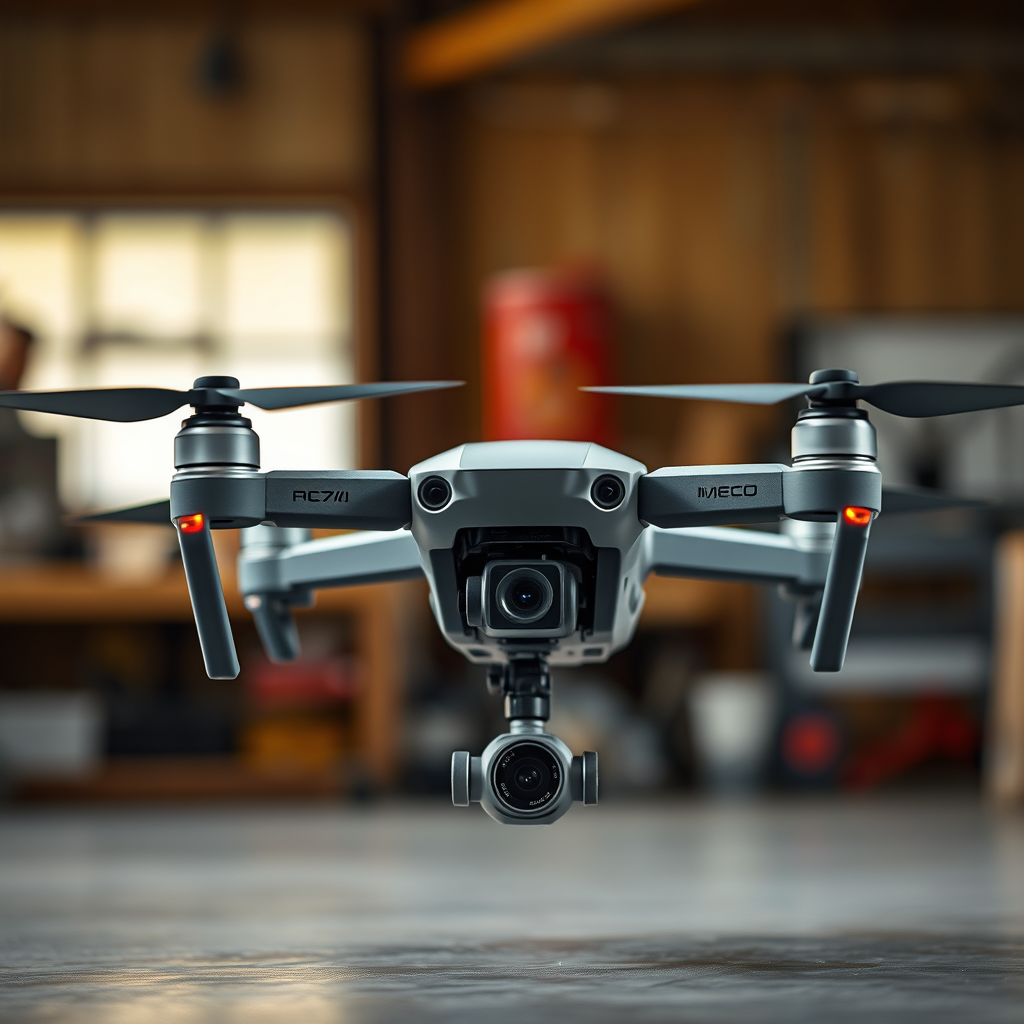
Drones, also known as unmanned aerial vehicles (UAVs), typically feature multiple spinning propellers that enable flight. These propellers can rotate at incredibly high speeds—often exceeding 10,000 revolutions per minute—creating a significant risk for injury. The design of the propellers, which are often made from lightweight yet durable materials, can also contribute to their sharpness. In the event of a collision with human flesh, these fast-spinning blades can easily cause cuts or lacerations.
The risk escalates when drones are operated in close proximity to people or in confined spaces. In many cases, accidents occur during takeoff or landing when the operator may be overly focused on controlling the drone rather than monitoring their surroundings. Understanding the mechanics of drones, including their potential for injury, is crucial in fostering a safe operating environment.
Common Injuries Caused by Drones
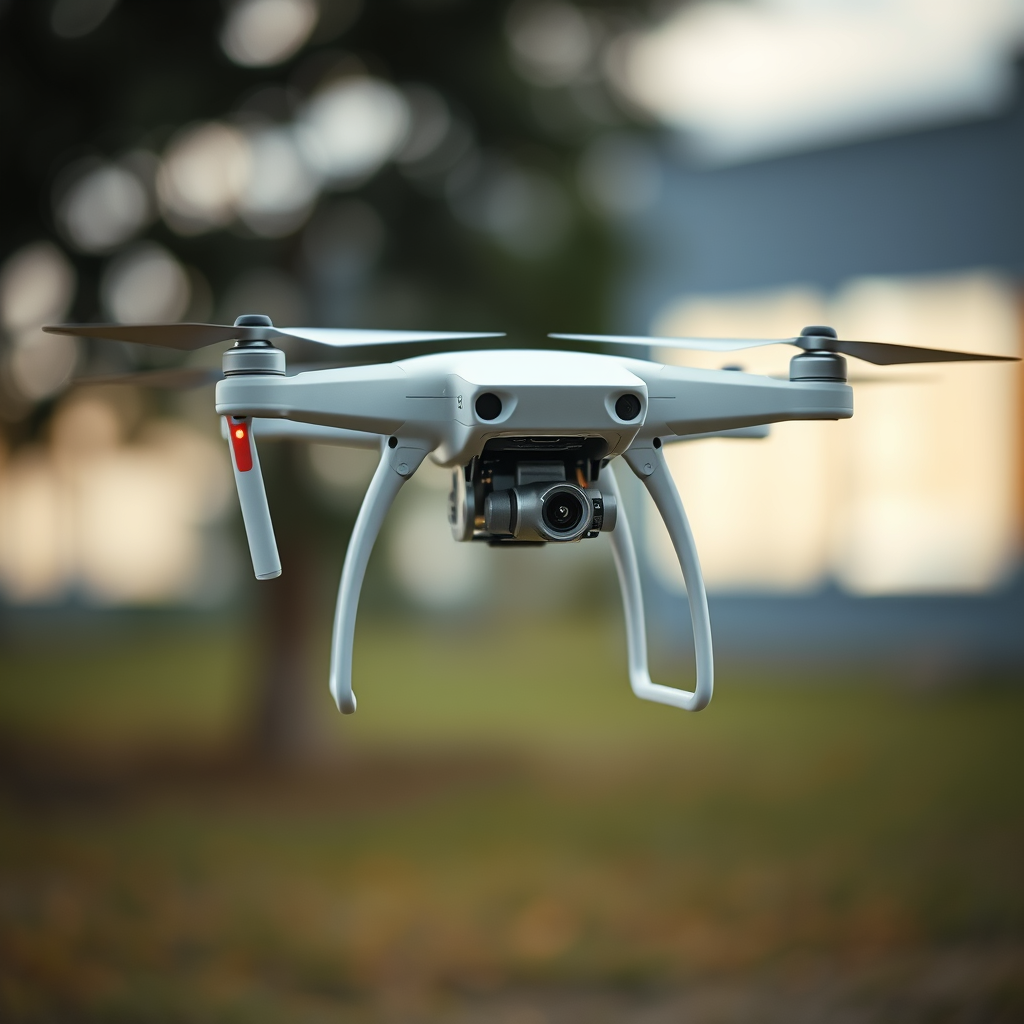
The most common injuries associated with drone operation are cuts and lacerations. These injuries often occur on the fingers, hands, or arms of an operator or bystander when a drone collides with them. While minor cuts may require only basic first aid, deeper lacerations can necessitate medical attention, stitches, or even lead to infection if not treated properly.
Though rare, more severe injuries can occur, including amputations. Such incidents typically result from improper handling, such as reaching into the propeller path while the drone is in operation. For instance, there have been reports of individuals losing digits after attempting to catch or stabilize a falling drone. Awareness of these potential injuries is essential for anyone involved in drone operation, whether recreationally or professionally.
Factors Influencing Injury Severity
Several factors influence the severity of injuries caused by drones. The type of drone plays a significant role; larger drones equipped with more powerful motors and larger propellers pose greater risks than smaller, toy-like drones. Drones designed for commercial or industrial use often have additional features that can increase their weight and blade sharpness, leading to more serious injuries.
User experience is another critical factor. Novice operators may not fully understand the risks associated with drone operation, leading to careless handling. Moreover, the environment in which a drone is flown—such as crowded public spaces or tight indoor areas—can significantly increase the likelihood of accidents. By recognizing these factors, drone operators can take proactive steps to minimize risk.
Safety Precautions While Operating Drones
To ensure safe operation, it is essential to adhere to specific safety precautions. First and foremost, maintaining a safe distance from people and animals is crucial. The Federal Aviation Administration (FAA) recommends keeping a minimum distance of at least 25 feet from bystanders. This distance can help prevent accidental injuries in the event of a malfunction or crash.
Wearing protective gear, such as gloves and goggles, is also advisable when handling drones. Gloves can provide an additional layer of protection against cuts, while goggles can shield the eyes from debris or unexpected malfunctions. Moreover, operators should conduct a pre-flight safety check to ensure that the drone is functioning correctly, including inspecting propellers for any damage that could lead to failure during flight.
Best Practices for Safe Drone Use
Implementing best practices is vital for safe drone operation. Operators should always follow the manufacturer’s guidelines and safety recommendations, which may include restrictions on flying near airports, crowds, or hazardous areas. Familiarizing oneself with local laws and regulations regarding drone use is also essential, as these can vary significantly by location.
Taking a drone safety course can provide valuable insights into proper handling techniques, emergency procedures, and risk management strategies. Many organizations and flight schools offer courses that cover everything from basic operations to advanced maneuvers. Additionally, joining a community of drone enthusiasts can provide support, resources, and shared experiences that enhance safety awareness.
What to Do If an Injury Occurs
In the unfortunate event that an injury occurs, it is crucial to seek immediate medical attention for any serious cuts or injuries. Prompt treatment can prevent complications and improve recovery outcomes. For less severe injuries, basic first aid measures, such as cleaning the wound and applying a sterile bandage, may suffice.
Documenting the incident is also important, particularly for insurance or legal purposes. Taking photos of the injury, the drone involved, and the surrounding environment can provide valuable evidence should any disputes arise. Additionally, reporting the incident to local authorities may be necessary if it involved public safety concerns.
In conclusion, while drones can pose a risk of injury, particularly to fingers, understanding the dangers and implementing safety measures can significantly reduce the likelihood of accidents. By prioritizing safety through education, adhering to best practices, and being aware of one’s surroundings, drone operators can enjoy the benefits of this innovative technology responsibly and safely. Always remember that safety should be the top priority when engaging with drones, allowing for both enjoyable and secure experiences.
Frequently Asked Questions
Can a drone cut your finger off?
Yes, a drone can potentially cause serious injuries, including cutting a finger off, particularly if it has sharp propellers and is operated recklessly. Drones equipped with high-speed propellers can inflict severe lacerations, and the risk increases if the user is not following safety guidelines. It’s essential to handle drones responsibly and maintain a safe distance from people and pets while flying.
What safety precautions should I take when flying a drone to avoid injuries?
To avoid injuries while flying a drone, always maintain a safe distance from people, animals, and obstacles. Use protective gear, such as gloves and goggles, especially when operating drones with powerful propellers. Familiarize yourself with the drone’s controls and features before flying, and consider practicing in open areas where there is minimal risk to others.
How can I ensure my drone is safe for operation?
To ensure your drone is safe for operation, routinely check the drone’s propellers for any damage or wear and ensure that all components are securely attached. Keep the drone’s firmware updated and conduct pre-flight checks, including battery levels and control functionality. Additionally, make sure to fly in designated areas and adhere to local regulations to minimize accident risks.
Why do drone injuries occur, and what are the most common types?
Drone injuries often occur due to operator error, mechanical failure, or lack of awareness of surroundings. The most common injuries include lacerations from rotating propellers, bruises from drone collisions, and even severe injuries caused by falling drones. Understanding the mechanics of your drone and practicing safe flying techniques can significantly reduce the likelihood of such accidents.
Which drones are known to be the safest for beginners to prevent injuries?
For beginners looking to prevent injuries, mini or toy drones are often considered the safest options. Models such as the DJI Tello or the Holy Stone HS210 come equipped with propeller guards and have lower speeds, reducing the risk of serious injury. Additionally, these drones offer user-friendly controls and features, making them ideal for new pilots to practice safely.
References
- https://en.wikipedia.org/wiki/Drone_accidents
- https://www.bbc.com/news/technology-43317136
- https://www.cdc.gov/niosh/topics/drone-safety.html
- https://www.faa.gov/uas/
- https://www.theguardian.com/technology/2021/aug/27/drone-safety-risks-injuries
- https://www.nasa.gov/centers/armstrong/news/NewsReleases/2020/20_06.html
- https://www.safetyandhealthmagazine.com/articles/20094-drone-safety-what-you-need-to-know
- https://www.sciencedirect.com/science/article/pii/S0968090X16302081
