
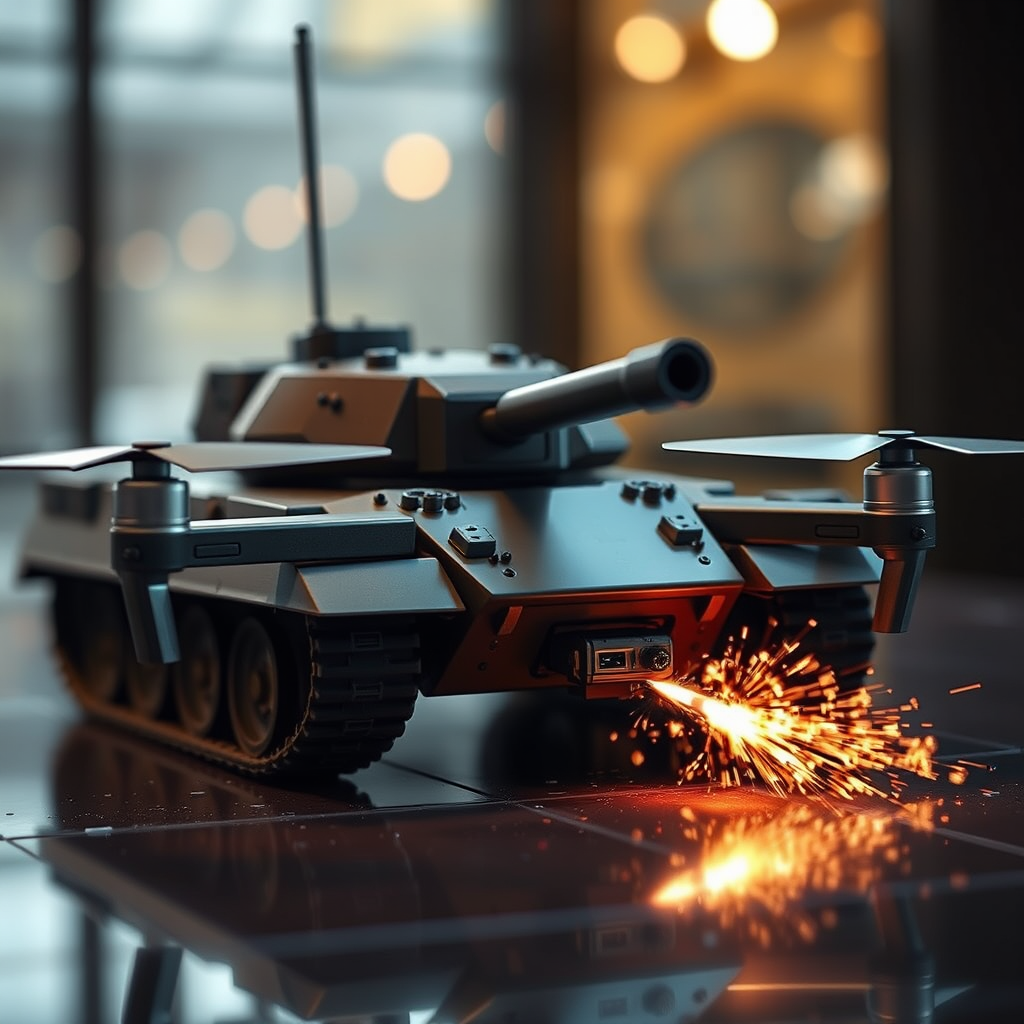
Yes, a drone can potentially destroy a tank, especially if it is equipped with the right payload and technology. Recent advancements in drone capabilities have led to the development of sophisticated UAVs (Unmanned Aerial Vehicles) that can deliver precision strikes against armored vehicles. However, the effectiveness of such operations is influenced by several critical factors, including the type of drone, its armament, and the defensive measures employed by the tank.
Understanding Drone Technology
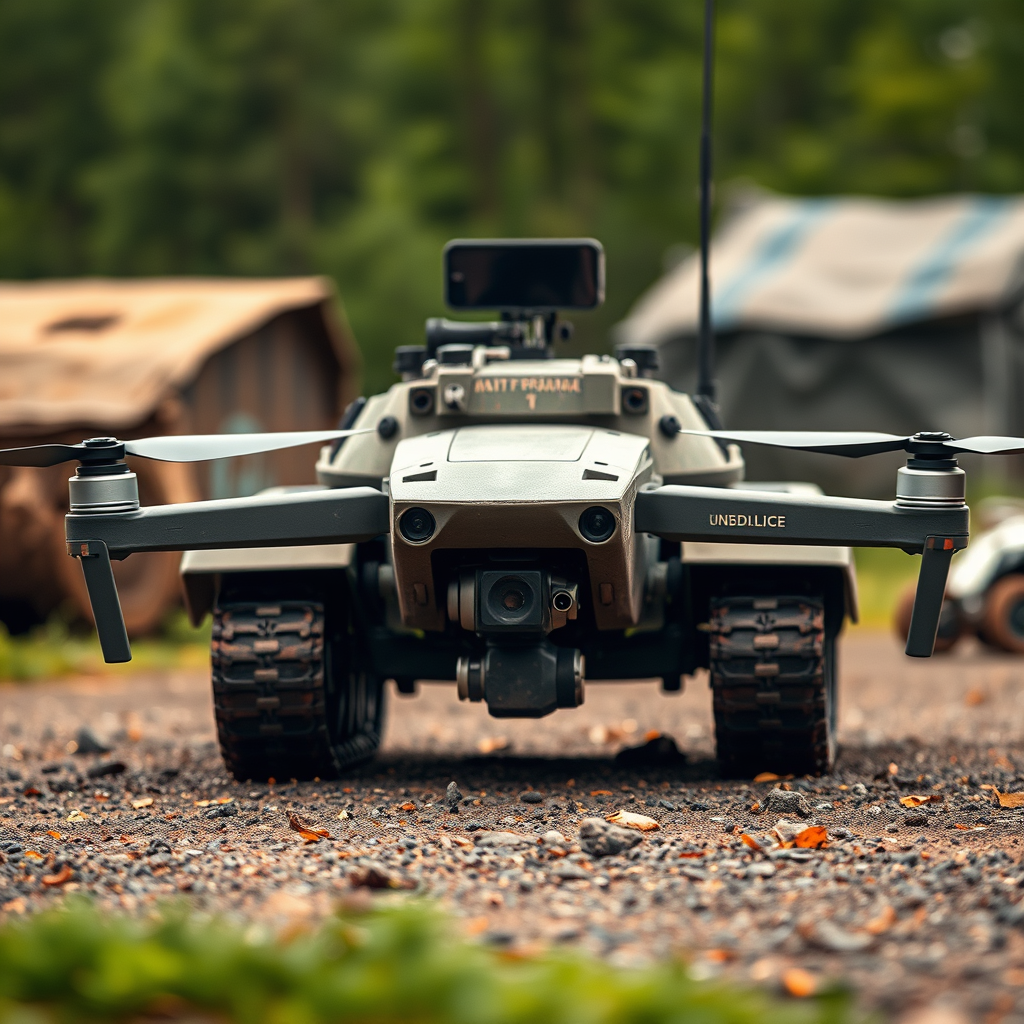
Drones today are marvels of modern engineering, equipped with advanced sensors, targeting systems, and various payload options. They range from small tactical drones used for reconnaissance to larger combat UAVs capable of delivering substantial weaponry. The integration of technologies such as GPS, infrared sensors, and high-resolution cameras allows drones to perform real-time surveillance, reconnaissance, and precision strikes.
Different types of drones serve various combat roles. For instance, the MQ-1 Predator and MQ-9 Reaper are well-known for their combat capabilities, while smaller drones like the DJI Matrice series are more focused on reconnaissance. The latter can be equipped with thermal imaging and other sensors to provide intelligence on enemy positions, which can be critical for planning an attack on armored units.
The Role of Armament
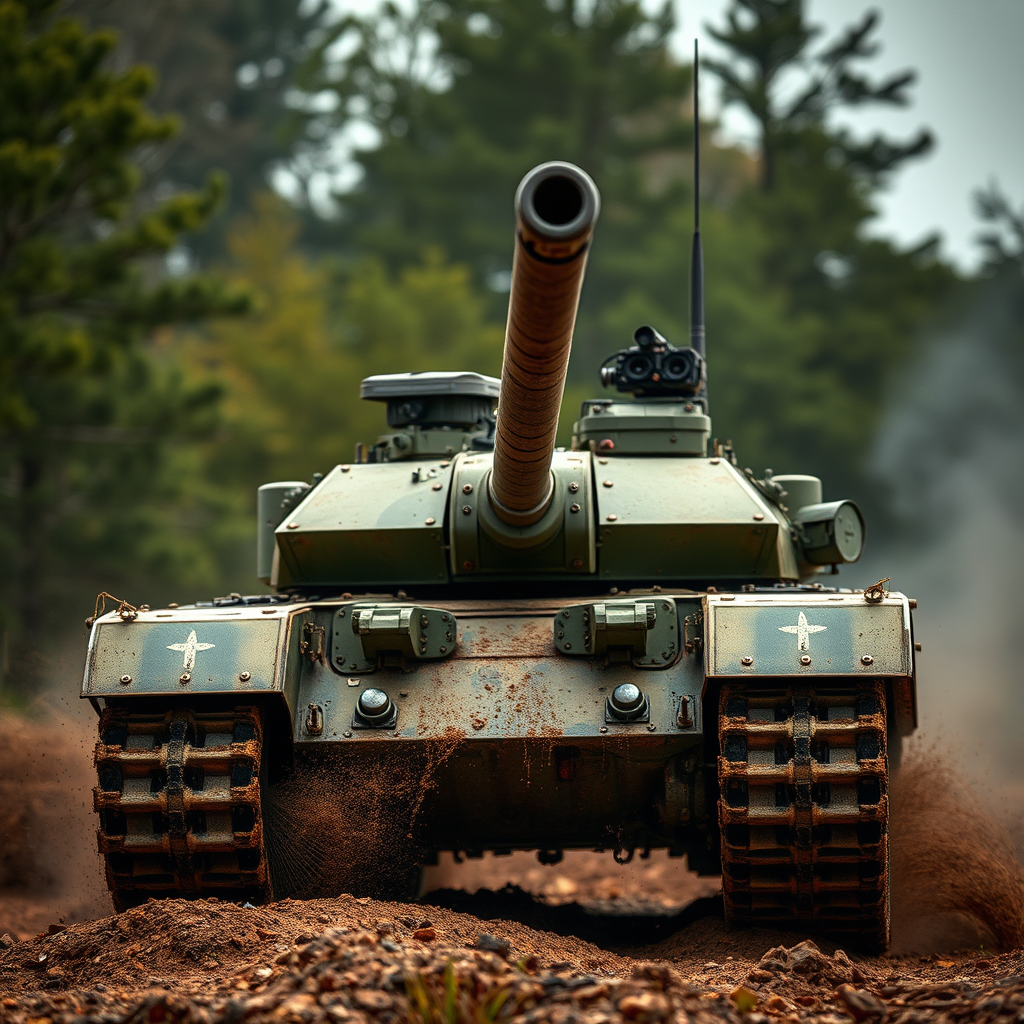
The potential for a drone to destroy a tank largely depends on its armament. Drones can be equipped with various munitions, including missiles, bombs, and anti-tank guided missiles (ATGMs). Some drones, like the Israeli Harop and the Turkish Bayraktar TB2, are designed specifically for anti-tank warfare, carrying payloads optimized for penetrating the heavy armor of tanks.
The effectiveness of these munitions is determined by factors such as weight, explosive yield, and the method of attack. For example, drones employing top-attack munitions can strike tanks from above, where armor is often thinner. This tactical advantage increases the likelihood of a successful strike, making it imperative for military planners to consider drone capabilities when devising strategies against armored vehicles.
Tactical Advantages of Drones
Drones offer several tactical advantages in modern warfare that enhance their effectiveness against tanks. One of the most significant benefits is the ability to provide real-time intelligence and target acquisition. By relaying live footage to ground forces, drones can help identify and track armored units, allowing for coordinated attacks.
Moreover, drones can operate at high altitudes and from considerable distances, which reduces the risk to pilots and ground troops. The element of surprise is another critical aspect; drones can strike unexpectedly, often before the tank crews are aware of the threat. This unpredictability forces enemy forces to divert resources to counter-drone measures, thereby stretching their capabilities.
Additionally, drones can be deployed in swarms, overwhelming a tank’s defensive systems. Swarm technology allows multiple drones to attack simultaneously from different angles, complicating the enemy’s response and increasing the chances of a successful strike.
Limitations of Drones Against Tanks
Despite their potential, drones also face significant limitations when targeting tanks. Tanks are designed with heavy armor to withstand conventional attacks, making them resistant to smaller munitions. Even with advanced targeting systems, the effectiveness of drone strikes can be diminished if the munitions lack sufficient explosive power or penetration capability.
Furthermore, modern tanks are equipped with countermeasures such as active protection systems (APS) that can intercept incoming threats. Systems like the Trophy APS, used by the Israeli Defense Forces, can detect and neutralize incoming projectiles, including those launched from drones. This technological arms race means that as drones become more capable, tanks will also evolve to counter these threats effectively.
Real-World Applications and Examples
The real-world applications of drones in combat scenarios provide valuable insights into their effectiveness against tanks. For instance, during the Nagorno-Karabakh conflict in 2020, Azerbaijani forces used drones extensively to target Armenian tanks and armored vehicles, achieving significant success. Reports indicated that drones like the Bayraktar TB2 were instrumental in destroying dozens of tanks, showcasing the potential of UAVs in contemporary warfare.
Similarly, in the ongoing conflict in Ukraine, both sides have utilized drones to conduct reconnaissance and strike missions against armored units. The Ukrainian military has reported successful drone strikes against Russian tanks, leveraging the element of surprise and real-time intelligence to execute attacks.
These case studies illustrate that while drones can effectively destroy tanks under certain conditions, the dynamics of warfare continue to evolve, necessitating ongoing adaptations by both offensive and defensive forces.
Future of Drone Warfare
The future of drone warfare holds significant promise as technology continues to advance. Predictions indicate that drones will play an increasingly central role in military operations, not only for direct attacks but also for intelligence gathering and coordination of ground forces. The integration of artificial intelligence and machine learning is expected to enhance the decision-making capabilities of drones, allowing for more autonomous operations.
Moreover, the development of new munitions specifically designed for drone deployment may further improve their effectiveness against armored vehicles. As military strategists recognize the potential of drones, we may see an increase in investment in drone technology and tactics, leading to a paradigm shift in how wars are fought.
The potential for swarm technology and enhanced sensor capabilities could redefine the effectiveness of drones in combat scenarios, allowing them to overcome existing limitations and adapt to countermeasures employed by armored units.
In conclusion, while drones can destroy tanks under certain conditions, their effectiveness is influenced by numerous factors, including technology, tactics, and countermeasures. As drone technology continues to evolve, their role in modern warfare will likely expand, making them an important tool for military strategists. The interplay between drone capabilities and tank defenses will shape the future of combat, emphasizing the need for continued innovation and adaptation in military operations.
Frequently Asked Questions
Can a drone effectively destroy a tank in combat?
While drones can be equipped with various payloads, including explosives, their effectiveness in destroying a tank depends on several factors such as the drone’s design, payload capacity, and the tank’s armor. Generally, drones like the Switchblade 300 or larger military-grade drones can deliver anti-tank munitions, but achieving a successful strike requires precision targeting and favorable conditions. It’s crucial to note that tanks are built to withstand significant damage, so a direct hit from a drone’s munition is typically needed for effective destruction.
What types of drones are used for anti-tank operations?
Drones used for anti-tank operations typically include loitering munitions like the Israeli Harop or the American Switchblade series, which are designed to dive onto their targets with explosive warheads. Additionally, larger drones like the MQ-9 Reaper can carry precision-guided munitions, making them capable of striking armored vehicles from a distance. The choice of drone depends on the mission requirements, including range, payload, and surveillance capabilities.
Why are drones becoming a popular choice for targeting tanks?
Drones are becoming increasingly popular for targeting tanks due to their ability to provide real-time intelligence, surveillance, and reconnaissance (ISR) while delivering precise strikes from a safe distance. They can quickly adapt to the battlefield and gather crucial data on enemy positions, making them essential for modern warfare. Furthermore, the reduced risk to personnel and the potential for lower operational costs make drones an attractive option for military strategists.
How do drones compare to traditional anti-tank weapons?
Drones offer several advantages over traditional anti-tank weapons, including enhanced mobility, real-time reconnaissance, and the ability to strike from unexpected angles. Unlike conventional missiles or artillery, drones can loiter over the battlefield, allowing operators to identify and select targets with greater accuracy. However, traditional anti-tank weapons, such as guided missiles or artillery shells, may have higher explosive power and reliability in certain combat scenarios.
What are the limitations of using drones to destroy tanks?
The limitations of using drones to destroy tanks include their vulnerability to enemy air defenses and the need for precise targeting to ensure effectiveness. Drones may also be restricted by payload capacity, making it challenging to carry sufficient explosive power to breach heavy armor. Additionally, factors such as weather conditions, electronic warfare, and the tank’s operational environment can significantly impact a drone’s success in a combat scenario.
References
- https://en.wikipedia.org/wiki/Drone_warfare
- https://www.bbc.com/news/world-60517655
- https://www.reuters.com/article/us-drone-war-insight-idUSKBN2C40S2
- https://www.nytimes.com/2022/03/22/world/europe/drone-war-ukraine.html
- https://www.sciencedirect.com/science/article/pii/S2352864821000843
- https://www.rand.org/pubs/research_reports/RRA256-1.html
- https://www.cnbc.com/2022/03/01/ukraine-uses-drones-in-war-against-russia.html
