
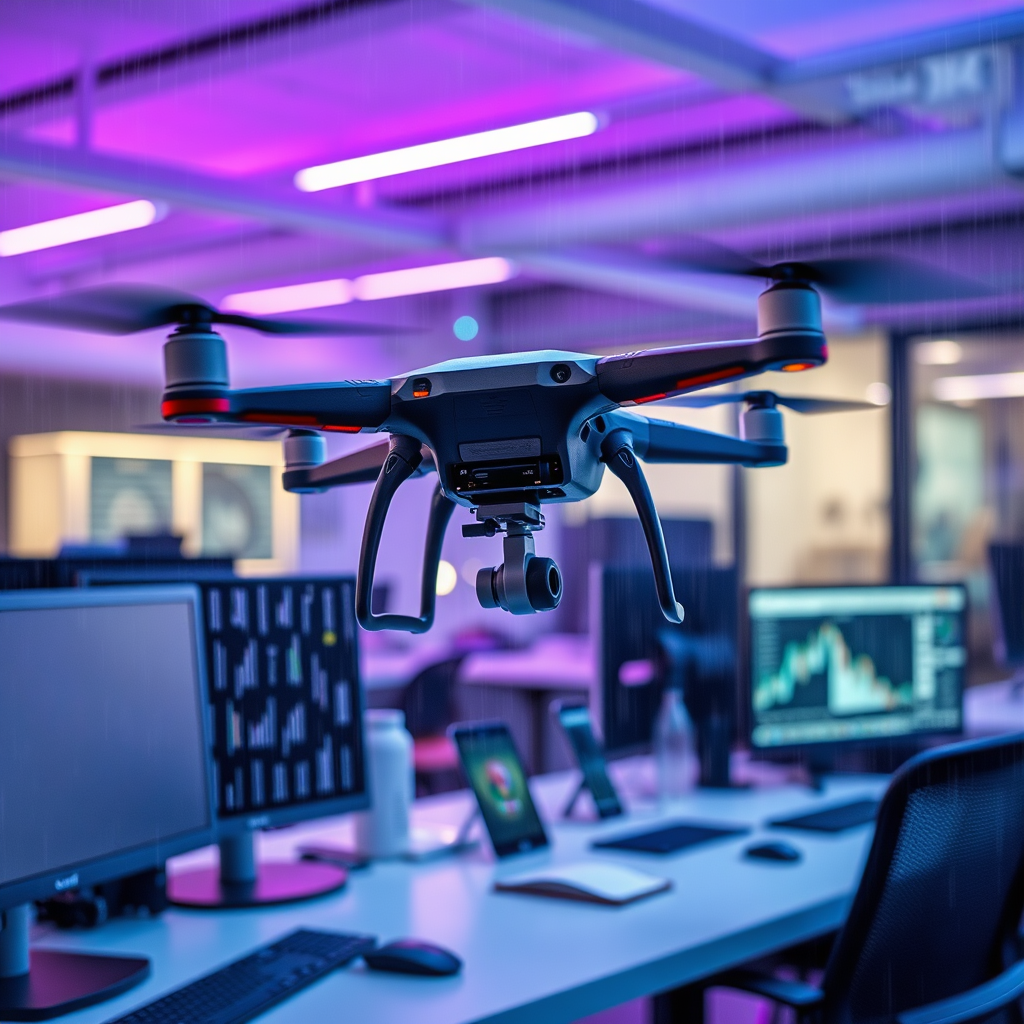
Yes, some drones can fly in the rain, but it depends on their design and waterproofing capabilities. While many consumer drones are not built for wet conditions, specialized models can handle light rain. Understanding the intricacies of drone waterproofing, the types of drones suitable for flying in rain, associated risks, best practices for wet conditions, and post-flight maintenance is crucial for drone enthusiasts and professionals alike. This article will delve into these factors to help you make an informed decision about flying your drone in the rain.
Understanding Drone Waterproofing
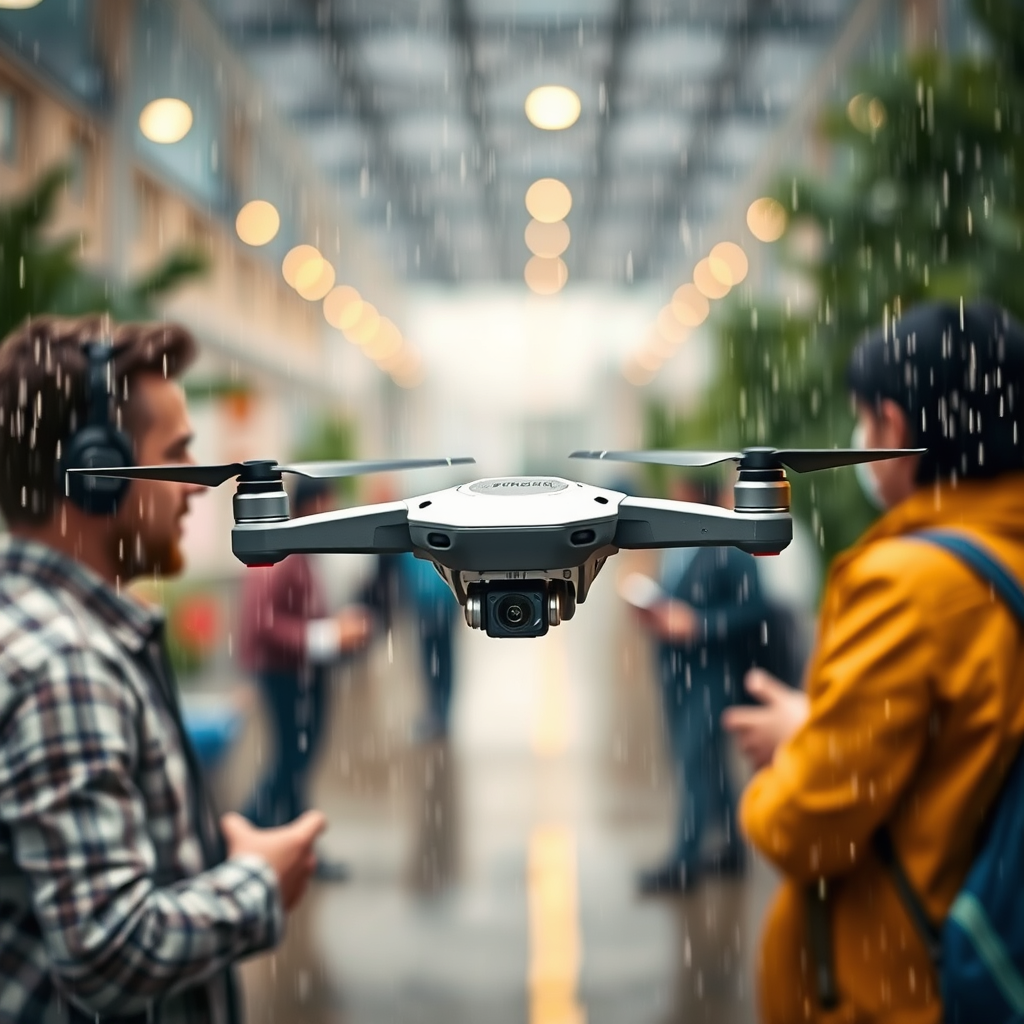
Not all drones are waterproof; therefore, it is essential to look for IP (Ingress Protection) ratings when selecting a drone for potential wet conditions. IP ratings indicate the level of protection a drone has against dust and water ingress. For example, an IP67 rating means the drone is dust-tight and can withstand immersion in water up to a depth of one meter for a specified time. Waterproof drones are manufactured with sealed components, hydrophobic coatings, and reinforced materials designed to prevent water damage.
Some manufacturers, such as DJI and Yuneec, offer models that are either weather-resistant or have specific waterproof capabilities. It’s important to review the manufacturer’s specifications and warranty details, as flying a non-waterproof drone in the rain can void the warranty if damage occurs.
Types of Drones Suitable for Rain
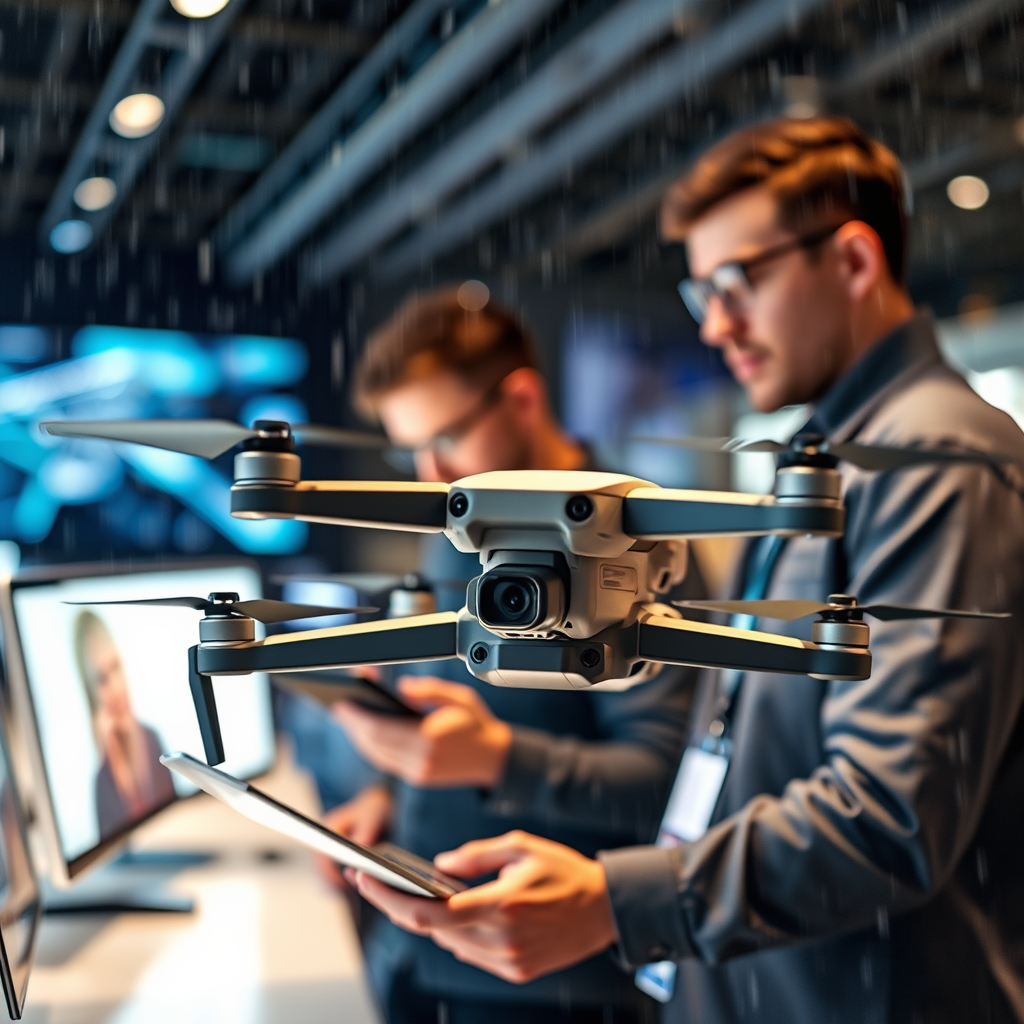
Commercial drones often have better weather resistance than their consumer counterparts. This is largely due to the demands of the industries they serve, such as agriculture, search and rescue, and construction. For instance, drones like the DJI Matrice 200 series are designed for industrial applications and are equipped with IP43 ratings, making them capable of handling light rain and adverse weather conditions.
Some recreational drones are also marketed as rain-resistant, although they might not have the same level of protection as commercial models. For example, the Parrot Anafi USA is designed with military-grade specifications, allowing it to operate in various environmental conditions, including light rain. When selecting a drone, it’s crucial to assess the manufacturer’s claims and ensure that the drone is suitable for the specific weather conditions you anticipate.
Risks of Flying Drones in Rain
Despite the capabilities of certain drones to fly in light rain, there are inherent risks involved. Water can infiltrate electronic components, leading to short circuits and permanent damage to sensitive systems, including the drone’s flight controller and camera. Additionally, moisture can significantly reduce battery life, causing the drone to lose power unexpectedly during flight.
Flying in rainy conditions can also diminish visibility and stability. Rain can distort camera images, making it difficult for the pilot to navigate and capture clear footage. Furthermore, wet surfaces can affect the drone’s landing gear, increasing the risk of crashes during landing. Pilots must weigh these risks against the benefits of flying in less-than-ideal weather.
Best Practices for Flying in Wet Conditions
For those determined to fly their drones in the rain, following best practices is crucial to ensure safety and minimize damage. One effective method is to use a rain cover or protective case specifically designed for drones. These accessories can shield sensitive components from moisture and reduce the risk of water damage.
It’s also prudent to avoid flying in heavy rain or stormy weather. Light drizzle may be manageable, but strong winds and downpours pose significant hazards. Before taking flight, always check weather forecasts and be aware of any changes in conditions that could suddenly affect your drone’s performance. Additionally, consider limiting flight time during wet conditions to reduce exposure to moisture.
Alternatives to Flying in the Rain
If weather conditions are less than ideal, consider alternatives to flying your drone outdoors. Many drones are suited for indoor flying, allowing enthusiasts to practice maneuvering and capture aerial footage without the risk of rain. Indoor flying can also provide opportunities for creative shooting in controlled environments.
Alternatively, you can simply wait for better weather conditions before taking your drone out for a flight. Clear skies not only provide a safer flying experience but also enhance the quality of the footage captured. Utilizing weather apps and local forecasts can help you plan your flights more effectively.
Maintenance Tips After Rain Flights
If you do fly your drone in the rain, proper maintenance afterward is essential to ensure its longevity. Start by cleaning and drying your drone thoroughly after exposure to moisture. Use a soft cloth to wipe down the exterior, and consider using compressed air to remove any water trapped in crevices.
Additionally, regularly check for corrosion or damage to components such as the motors, battery connections, and electronics. If you notice any signs of wear or moisture ingress, it’s advisable to consult the manufacturer or a professional drone technician for assessment and repairs. Keeping your drone well-maintained will help you avoid costly repairs and ensure optimal performance in future flights.
In conclusion, while some drones are capable of flying in light rain, understanding their limitations and the associated risks is essential. Prioritizing safety, following best practices, and maintaining your drone after exposure to wet conditions can help mitigate potential damage. Always consider the weather conditions before taking your drone out for a flight, ensuring that you make informed decisions that prioritize both your equipment and your flying experience.
Frequently Asked Questions
Can a drone fly in the rain?
While some drones are designed to withstand light rain and moisture, flying in the rain is generally not recommended. Water can damage the drone’s electronic components, impair its sensors, and affect battery performance. If you must fly in wet conditions, ensure your drone is rated for water resistance and take precautions to minimize exposure to heavy rain.
What are the risks of flying a drone in the rain?
Flying a drone in the rain poses several risks, including water damage to internal circuits, malfunctioning sensors, and reduced battery life. Additionally, rain can obscure visibility, making it harder to control the drone and increasing the likelihood of crashes. It’s essential to consider these factors to avoid costly repairs and maintain safe flying conditions.
How can I protect my drone from rain during flights?
To protect your drone from rain, consider using a waterproof drone case or cover, which can shield sensitive components from moisture. Additionally, if you anticipate light rain, opt for drones specifically designed for adverse weather conditions, as they often feature better sealing and waterproofing. Always check the manufacturer’s guidelines regarding water exposure to ensure your drone remains functional.
Why is it important to check the weather before flying a drone?
Checking the weather is crucial before flying a drone because adverse conditions, such as rain, wind, or low visibility, can significantly impact flight safety and performance. Bad weather can lead to equipment failure, loss of control, and increased risk of accidents. By staying informed about the forecast, you can make better decisions regarding when and where to fly your drone.
Which drones are best for flying in wet conditions?
Drones specifically designed for flying in wet conditions typically come with water-resistant or waterproof ratings, making them suitable for light rain or wet environments. Models like the DJI Matrice 200 series and the Swellpro SplashDrone 4 are excellent choices, as they are built for durability in adverse weather. Always verify the IP rating and manufacturer specifications to ensure your drone can handle the conditions you plan to encounter.
References
- https://en.wikipedia.org/wiki/Drone
- https://www.faa.gov/uas/
- https://www.nytimes.com/2021/08/02/technology/drones-rain.html
- https://www.bbc.com/future/article/20210129-how-drones-are-changing-the-way-we-see-the-world
- https://www.sciencedirect.com/science/article/pii/S2351978921001916
- https://www.reuters.com/business/aerospace-defense/how-drones-are-becoming-more-reliable-wet-weather-2021-05-07/
- https://www.nasa.gov/aeroresearch/technology/flight/
- https://www.smithsonianmag.com/innovation/drones-are-flying-in-the-rain-180973792/
