
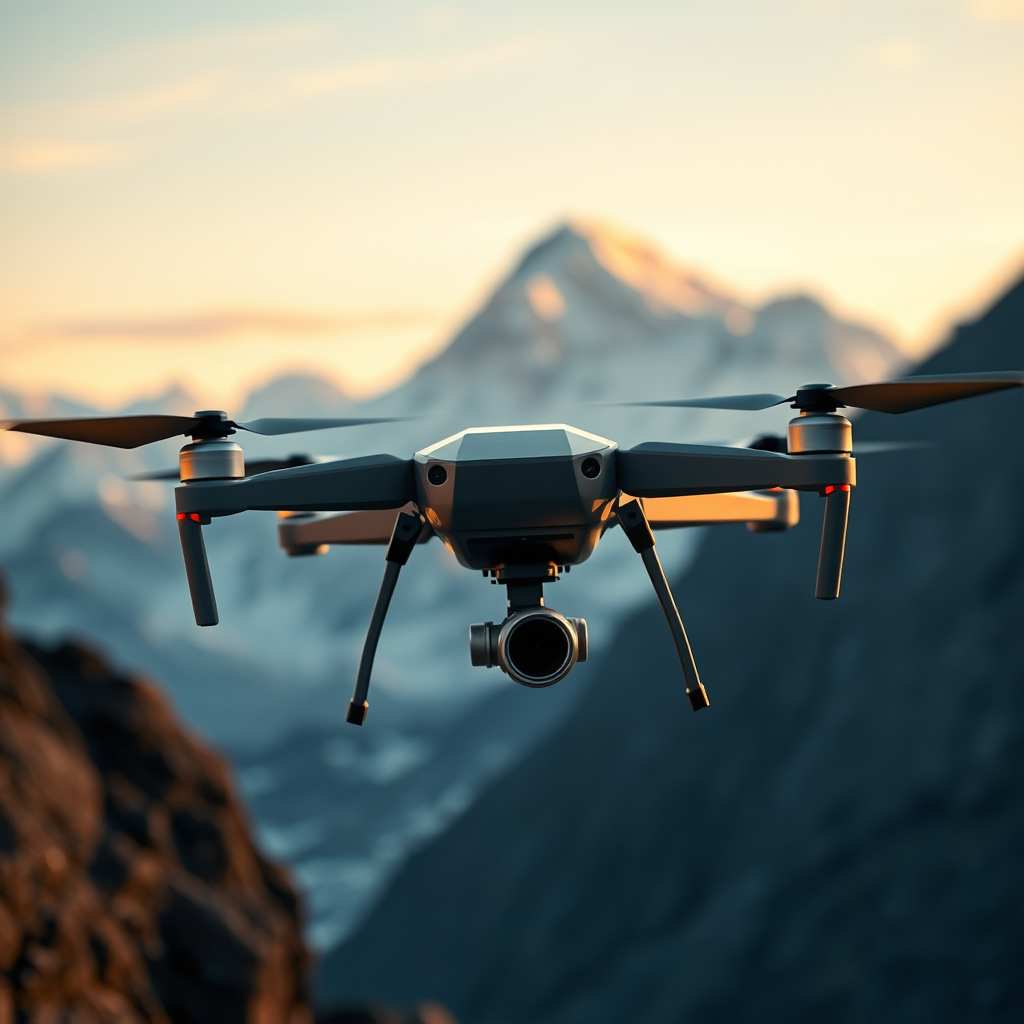
Yes, a drone can fly to Mount Everest, but there are significant challenges involved. Factors such as altitude, weather conditions, and the drone’s specifications play a crucial role in determining whether it can successfully reach the summit and operate effectively. As drone technology advances, the feasibility of such flights is becoming a topic of increasing interest among adventurers and researchers alike. This article delves into the various aspects that affect the ability of drones to operate in one of the world’s most extreme environments.
Understanding Drone Capabilities
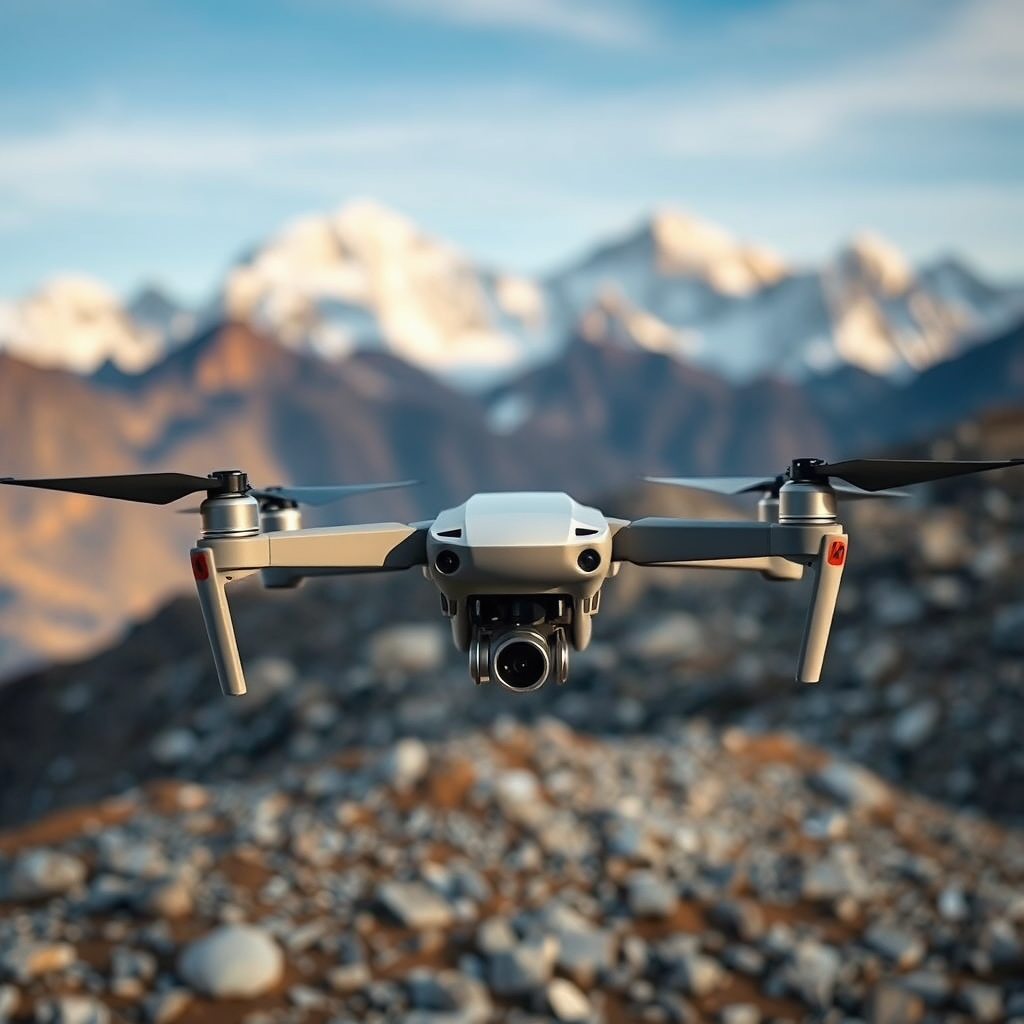
Drones come in a variety of designs and capabilities, each tailored to specific applications. Consumer-grade drones are commonly limited to a maximum altitude of 400 feet, while specialized drones can operate at much higher altitudes. For instance, some high-performance drones are engineered to reach altitudes of over 10,000 feet, making them better suited for challenging environments. However, even these advanced models still face limitations when attempting to fly at the extreme heights of Mount Everest.
Battery life is another critical factor affecting drone performance at high altitudes. As altitude increases, the air becomes thinner, which can lead to reduced lift and stability. Additionally, the weight of the drone, including any attached cameras or sensors, plays a pivotal role in determining how long it can sustain flight. At extreme altitudes like those found on Everest, drones may struggle to maintain power and performance, resulting in limited operational capacity.
The Altitude Challenge
Mount Everest, the tallest mountain in the world, stands at an impressive 29,032 feet (8,848 meters) above sea level. This elevation places it well above the legal flight limit for most commercial drones, which are restricted to 400 feet under FAA regulations in the United States. At such heights, the atmospheric pressure drops significantly, leading to thinner air that can impede a drone’s ability to generate lift. This reduction in lift can compromise the drone’s stability during flight, making it difficult to navigate safely.
Moreover, the altitude affects the drone’s propellers and motors, which are designed to operate optimally at lower elevations. As a result, many consumer drones may fail to reach the summit or maintain controlled flight once they ascend to significant heights. This altitude challenge necessitates the use of specialized drones that can withstand and adapt to such extreme conditions.
Weather Conditions at Everest
The weather on Mount Everest is notoriously unpredictable and can change rapidly, presenting considerable challenges for drone operations. High winds, extreme cold, and sudden storms can all pose risks to drone flights. For instance, temperatures at the summit can drop to as low as -60 degrees Fahrenheit (-51 degrees Celsius), which can lead to battery failure or mechanical malfunctions in drones not designed for such conditions.
Additionally, strong winds can create turbulence that affects flight stability and control. Drones may struggle to maintain a steady course, making it challenging to capture clear footage or data. Furthermore, the mountainous terrain can lead to GPS signal loss, complicating navigation and potentially resulting in the drone becoming disoriented or lost.
Legal and Regulatory Aspects
When considering flying a drone in national parks or restricted areas, drone operators must be aware of legal and regulatory requirements. Mount Everest is located within Sagarmatha National Park, where strict regulations govern drone operations. Obtaining the necessary permits and adhering to local laws is crucial for anyone contemplating a drone expedition in this region.
In Nepal, where Mount Everest is situated, the Civil Aviation Authority has specific guidelines for drone use, including restrictions on flying in certain areas without prior approval. Therefore, understanding these regulations is essential for drone operators to avoid legal complications and ensure safe operations in such sensitive environments.
Successful Drone Expeditions
Despite the challenges, there have been successful drone expeditions to Mount Everest. These ventures often involve skilled operators using high-performance drones specifically designed for extreme conditions. For example, the DJI Matrice 600 and the Intel Falcon 8+ are drones known for their robust capabilities, including superior stability, advanced navigation systems, and enhanced battery life.
During successful expeditions, operators meticulously plan their flights, taking into consideration factors such as weather forecasts, battery management, and altitude limits. These expeditions not only showcase the technical expertise of the operators but also highlight the potential of drone technology in high-altitude environments. Capturing stunning aerial footage of Everest’s majestic landscapes, these drones have contributed to both adventure tourism and scientific research by providing valuable insights into the region’s environmental conditions.
Alternatives to Drones
While drones offer unique advantages, traditional methods of data collection and photography remain viable alternatives for studying Mount Everest. Photographic documentation from base camps, for instance, allows researchers and adventurers to capture images without the risks associated with drone flights. Furthermore, satellite imagery provides a broad overview of the region’s topography and environmental changes, offering valuable data without the need for high-altitude operations.
In scientific research, unmanned aerial vehicles (UAVs) designed specifically for high-altitude operations are often utilized. These UAVs are equipped with advanced sensors and are built to withstand extreme conditions, making them suitable for collecting data in harsh environments like Everest.
Future of Drones in High Altitudes
The future of drone technology holds promise for high-altitude operations as advancements continue to emerge. Researchers and engineers are focused on enhancing drone capabilities to improve performance in extreme environments. Innovations in battery technology, lightweight materials, and advanced navigation systems could lead to drones that can operate effectively at higher altitudes and under harsher weather conditions.
As the demand for aerial data collection in remote areas grows, the potential applications of drones in high-altitude environments like Mount Everest will likely expand. Future attempts at drone expeditions may become more feasible, fostering new opportunities for exploration, research, and environmental monitoring.
In conclusion, while it is technically possible for a drone to fly to Mount Everest, the challenges of altitude, weather, and regulations create significant hurdles. Successful expeditions demonstrate the potential of advanced drone technology, yet they require careful planning and expertise. As drone technology continues to evolve, future attempts at high-altitude operations may become more practical, opening new avenues for exploration and research in some of the world’s most extreme environments. If you’re considering a drone expedition, thorough planning and a comprehensive understanding of these factors are essential for success.
Frequently Asked Questions
Can a drone reach the summit of Mount Everest?
While drones are capable of flying to high altitudes, reaching the summit of Mount Everest (8,848 meters or 29,029 feet) poses significant challenges. Most consumer drones are not designed to operate effectively at such high elevations due to reduced oxygen levels, extreme weather conditions, and battery limitations. However, specialized high-altitude drones can potentially reach near the summit, but even they face risks from strong winds and extreme cold that can affect their performance.
What are the regulations for flying drones in the Everest region?
In Nepal, flying drones in the Everest region requires obtaining a permit from the Civil Aviation Authority. The regulations are strict due to concerns about safety, privacy, and the preservation of the natural environment. Additionally, drones are prohibited in certain areas, especially around base camps and in national parks, so it’s essential to check local guidelines and obtain necessary permissions before attempting to fly a drone in this region.
How do altitude and weather conditions affect drone performance at Mount Everest?
At high altitudes like those found on Mount Everest, drones can struggle due to thinner air, which reduces lift and can lead to shorter battery life. Furthermore, weather conditions such as strong winds, extreme cold, and rapid weather changes can severely hinder drone stability and functionality. Pilots must be well-prepared and understand these factors to ensure safe and effective drone operation in such challenging environments.
What type of drone is best for high-altitude flights like Everest?
The best drones for high-altitude flights, such as those near Mount Everest, are those specifically designed for extreme conditions and equipped with powerful motors and robust batteries. Drones like the DJI Matrice series or custom-built high-altitude drones are recommended due to their ability to handle lower oxygen levels and harsh weather. Features like GPS stabilization and advanced sensors also enhance performance and safety when flying in challenging environments.
Why do adventurers and filmmakers want to fly drones at Mount Everest?
Adventurers and filmmakers seek to fly drones at Mount Everest to capture breathtaking aerial views and document the stunning landscape in ways that traditional photography cannot. Drones provide unique perspectives of this iconic mountain, allowing for stunning visuals of the terrain, climbers, and surrounding ecosystems. Additionally, drones can assist in search and rescue operations or environmental monitoring, making them valuable tools in the Everest region.
References
- https://en.wikipedia.org/wiki/Drone
- https://www.bbc.com/news/technology-56918160
- https://www.sciencedirect.com/science/article/pii/S2213138822000071
- https://www.nytimes.com/2021/06/04/technology/drone-expeditions.html
- https://www.nasa.gov/feature/nasa-s-drones-take-flight-in-the-sky
- https://www.reuters.com/article/us-china-drone-idUSKCN1VU1OQ
- https://www.ncbi.nlm.nih.gov/pmc/articles/PMC7492549/
- https://www.wired.com/story/how-drones-are-changing-expeditions/
- https://www.smithsonianmag.com/smart-news/drones-are-helping-scientists-study-mount-everest-180977960/
