
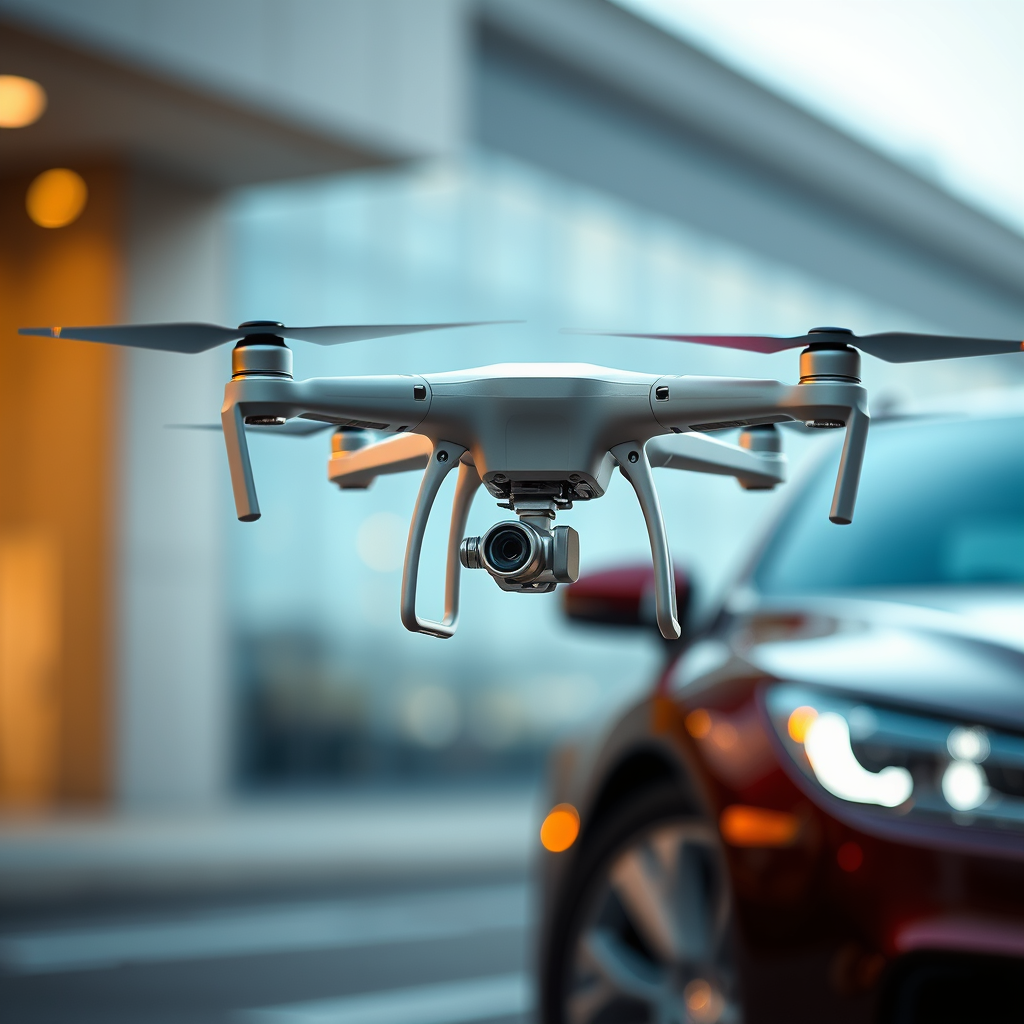
Yes, a drone can follow a car, and this capability is increasingly being utilized in various applications, from filming to delivery services. With advancements in technology, drones equipped with GPS and advanced tracking systems can autonomously follow moving vehicles, providing a range of benefits. As industries continue to leverage this technology, understanding how drones can effectively track and follow cars becomes essential. In this article, we will explore how drones can follow cars, the technology behind it, and potential applications.
Understanding Drone Tracking Technology
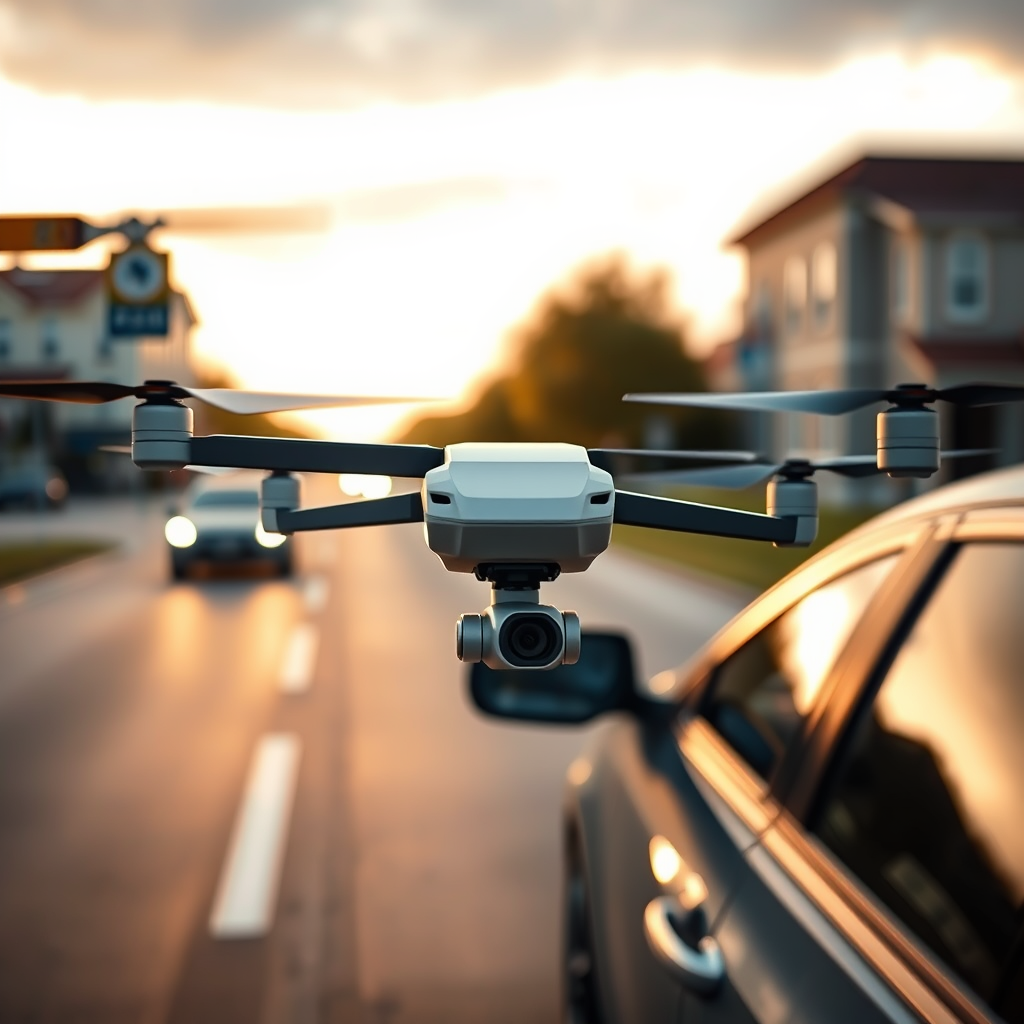
Drones often utilize GPS and computer vision for navigation, allowing for precise tracking of moving objects. GPS enables drones to determine their position in real-time, while computer vision technology allows them to recognize and follow specific targets, such as cars. Combining these technologies, drones can autonomously adjust their flight paths based on the movement of the vehicle being tracked.
Advanced algorithms play a crucial role in this process, enabling real-time tracking and decision-making. For instance, drones can analyze footage live, adjust their altitude and distance from the car, and maintain a steady course even with sudden changes in the vehicle’s speed or direction. The integration of machine learning further enhances these capabilities, as drones can learn from past tracking scenarios to improve their performance over time.
Types of Drones Suitable for Following Cars
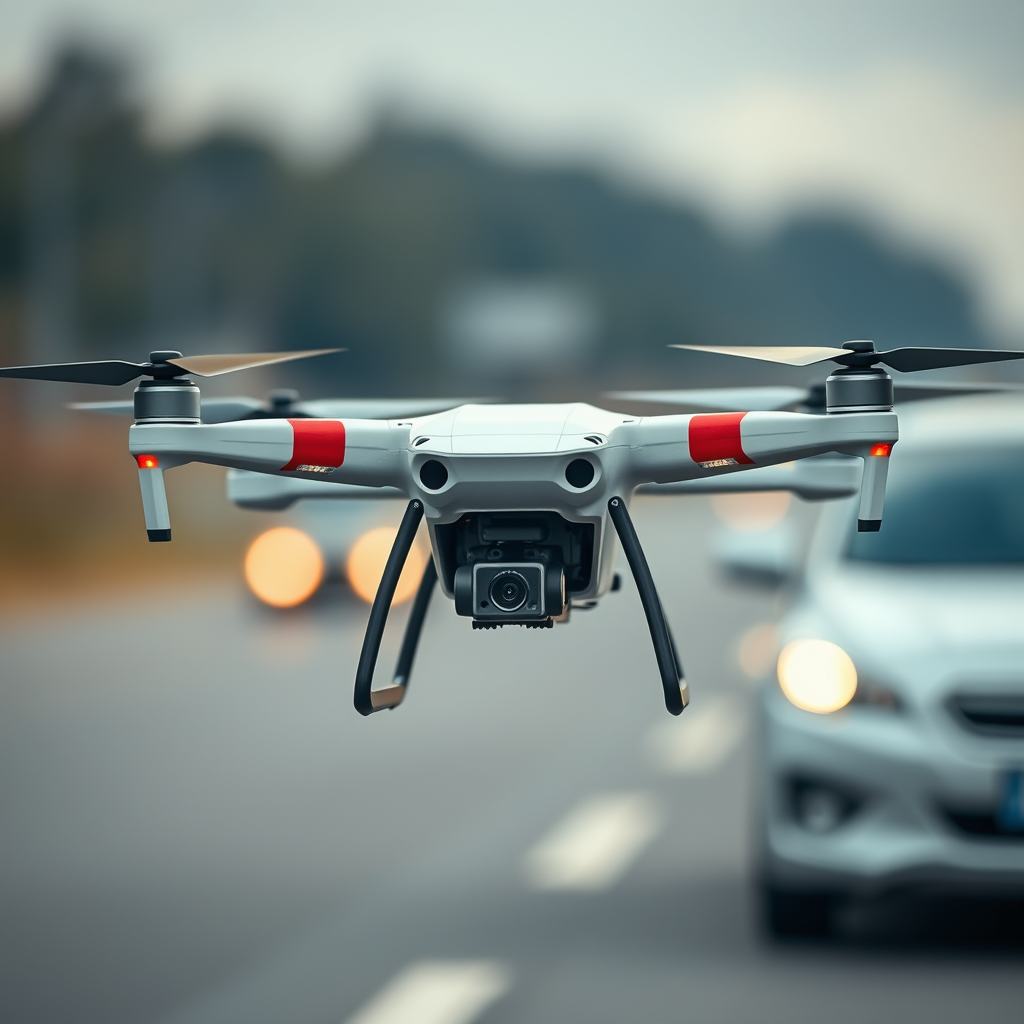
When considering drones for following cars, there are primarily two types to evaluate: multi-rotor drones and fixed-wing drones.
Multi-rotor drones are commonly used for their agility and versatility. They are equipped with multiple rotors that provide excellent maneuverability, making them suitable for dynamic environments where rapid changes in direction may be required. For example, the DJI Mavic series has become a favorite among filmmakers for its ability to follow moving subjects with precision while capturing high-quality aerial footage.
On the other hand, fixed-wing drones offer longer flight times and greater range, making them ideal for extended tracking scenarios. These drones resemble traditional airplanes and are capable of covering large distances without needing to land frequently for battery changes. They can be particularly useful in applications such as long-distance delivery tracking or surveillance, where prolonged observation is essential.
Applications of Drones Following Cars
The ability of drones to follow cars opens up a myriad of applications across various industries.
In the realm of filmmaking, drones have revolutionized how dynamic footage is captured. Directors and cinematographers can employ drones to follow vehicles during chase scenes or to capture breathtaking aerial shots of moving cars. The ability to obtain unique angles and perspectives enhances storytelling and visual engagement, making drone-assisted filming a staple in modern media production.
Delivery services represent another promising application. Companies like Amazon and UPS are exploring the use of drones to track delivery vehicles, providing real-time updates on package movements. By following delivery trucks, drones can assist in optimizing routes, ensuring timely deliveries, and improving overall efficiency in logistics management. This integration not only streamlines operations but also enhances customer satisfaction through improved transparency.
Challenges in Drone-Car Following
While the potential benefits are significant, several challenges must be addressed when it comes to drones following cars.
One of the primary challenges is environmental obstacles. Trees, buildings, and other structures can obstruct a drone’s line of sight to the vehicle it is following, leading to tracking difficulties or even loss of the target entirely. To mitigate this, drones are increasingly being equipped with obstacle detection systems that allow them to navigate complex environments safely.
Regulatory issues also pose a challenge. Many regions have stringent regulations governing drone operations, particularly concerning airspace restrictions and privacy laws. These regulations can limit where and how drones can operate, particularly in urban areas where following a vehicle may require navigating through congested airspaces. Understanding and complying with local laws is essential for businesses looking to utilize drones for tracking purposes.
Safety Considerations
Safety is a paramount concern when operating drones, especially in scenarios where they are following moving vehicles. Ensuring that drones are operated under established safety regulations is vital to avoid accidents and potential liabilities.
Implementing fail-safe mechanisms is also crucial. For example, drones can be programmed to return to a designated home point if they lose connection with their operator or if their battery levels become critically low. Additionally, incorporating geo-fencing technology can prevent drones from entering restricted areas or flying too close to populated zones, further enhancing safety during operations.
Future of Drones Following Cars
The future of drones following cars looks promising, with potential advancements in artificial intelligence (AI) likely to improve tracking accuracy and operational efficiency. As AI algorithms become more sophisticated, drones could be capable of autonomously adapting to changing scenarios, such as varying weather conditions or unexpected obstacles.
Furthermore, increasing integration with smart vehicle technology could enhance the functionality of drones in tracking scenarios. For instance, vehicles equipped with V2X (vehicle-to-everything) communication systems could relay real-time information to drones, allowing for more synchronized and efficient tracking. This synergy between drones and smart vehicles could pave the way for innovative applications in areas such as emergency response, where timely and precise information can significantly impact outcomes.
In conclusion, drones can effectively follow cars using sophisticated technology, offering exciting possibilities for various sectors. The combination of GPS, computer vision, and advanced algorithms enables drones to autonomously track vehicles with remarkable precision. With applications ranging from filmmaking to logistics, the potential benefits are vast. However, challenges such as environmental obstacles and regulatory constraints must be navigated to ensure safe and effective operations. As technology continues to evolve, we can expect even more innovative applications and improvements in drone tracking capabilities. Consider exploring the latest drone models or applications to see how they can benefit your needs.
Frequently Asked Questions
Can a drone follow a car automatically?
Yes, many modern drones come equipped with advanced tracking technology that allows them to follow a car automatically. This feature, often referred to as “ActiveTrack” or “Follow Me” mode, uses GPS and visual recognition to maintain a set distance and altitude while tracking the vehicle’s movements. However, it’s essential to ensure that the drone’s software is up-to-date and that the car is within the drone’s line of sight for optimal performance.
What types of drones are best for following a car?
The best drones for following a car typically include those with advanced tracking capabilities and a reliable camera system. Popular choices include the DJI Mavic 2 Pro, Skydio 2, and Autel Robotics EVO Lite, as they offer excellent obstacle avoidance, long battery life, and high-resolution video capture. When selecting a drone, consider factors such as flight time, range, and ease of use to ensure it meets your specific needs for car tracking.
How do I set up my drone to follow my car?
To set up your drone to follow your car, first ensure that your drone is fully charged and calibrated. Activate the drone’s tracking feature, typically found in the camera or flight settings, and select the vehicle as the target. Make sure to fly the drone in an open area away from obstacles, and adjust the altitude and distance settings to ensure a safe and effective tracking experience. Always monitor the drone’s battery and signal strength while in flight.
Why might my drone lose track of my car while following?
Drones can lose track of cars for several reasons, including poor GPS signal, obstacles in the environment, or sudden changes in speed or direction. Additionally, low light conditions or adverse weather can hinder the drone’s ability to visually recognize the vehicle. To minimize tracking issues, ensure the drone is operating in good weather, maintain a clear line of sight, and avoid rapid maneuvers that could confuse the drone’s tracking system.
Are there any legal restrictions for drones following cars?
Yes, there are various legal restrictions that may apply to drones following cars, depending on your location. In many countries, drone operators must adhere to local aviation regulations, which often include maintaining a visual line of sight, avoiding flying over people, and not exceeding certain altitude limits. It’s crucial to check with local authorities or aviation bodies to ensure compliance with regulations, especially if you plan to use the drone for commercial purposes or in populated areas.
References
- https://en.wikipedia.org/wiki/Drone#Applications
- https://www.bbc.com/news/technology-51197311
- https://www.nytimes.com/2021/10/07/technology/drones-car-following.html
- https://www.reuters.com/technology/drones-could-follow-vehicles-2021-04-22/
- https://www.sciencedirect.com/science/article/pii/S2212017319304369
- https://www.nasa.gov/feature/nasa-develops-drone-technology-to-follow-vehicles
- https://www.techrepublic.com/article/how-drones-are-following-vehicles-and-what-that-means-for-the-future-of-delivery/
