
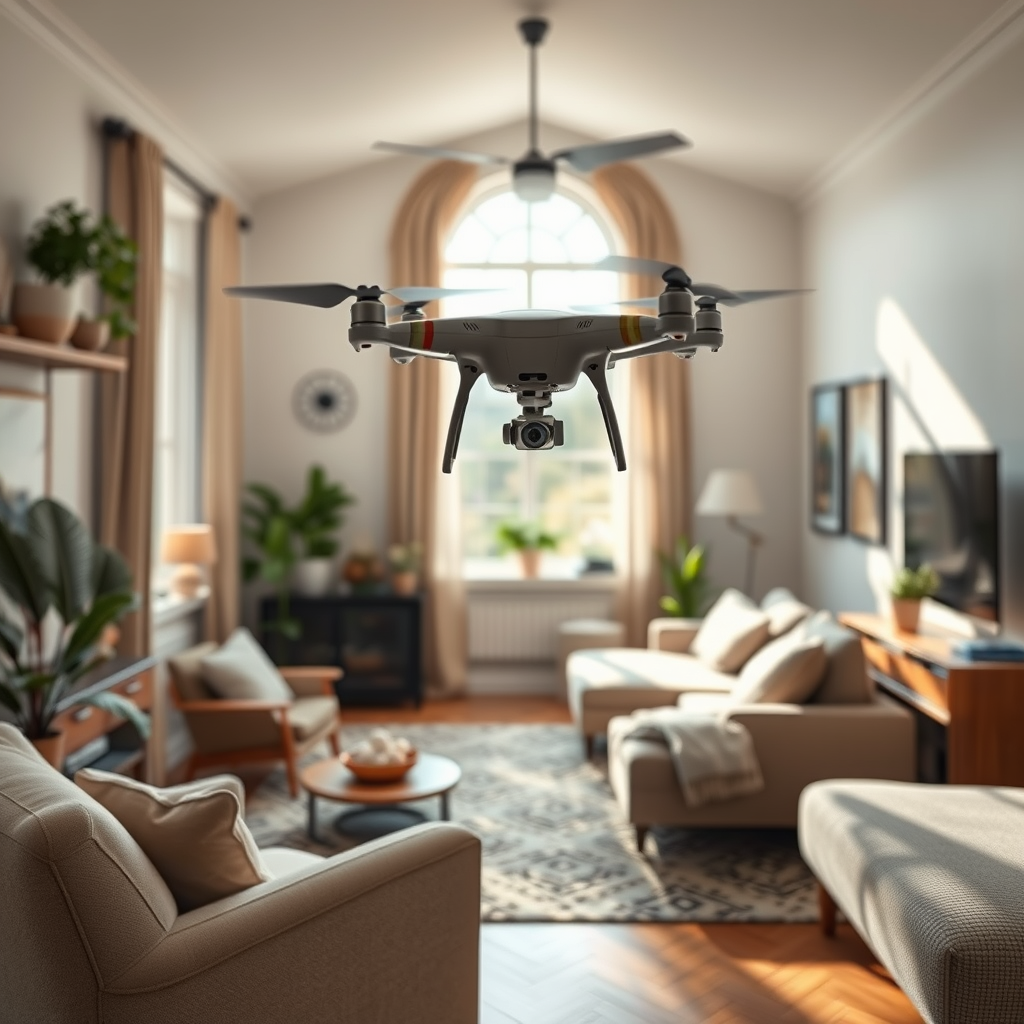
Yes, a drone can hover over your house, but there are important regulations and considerations to keep in mind. The legality of drone operations, particularly in residential areas, varies based on federal, state, and local laws. As drone technology continues to evolve, understanding these regulations is essential for both operators and homeowners alike to ensure safe and responsible usage.
Understanding Drone Flight Regulations
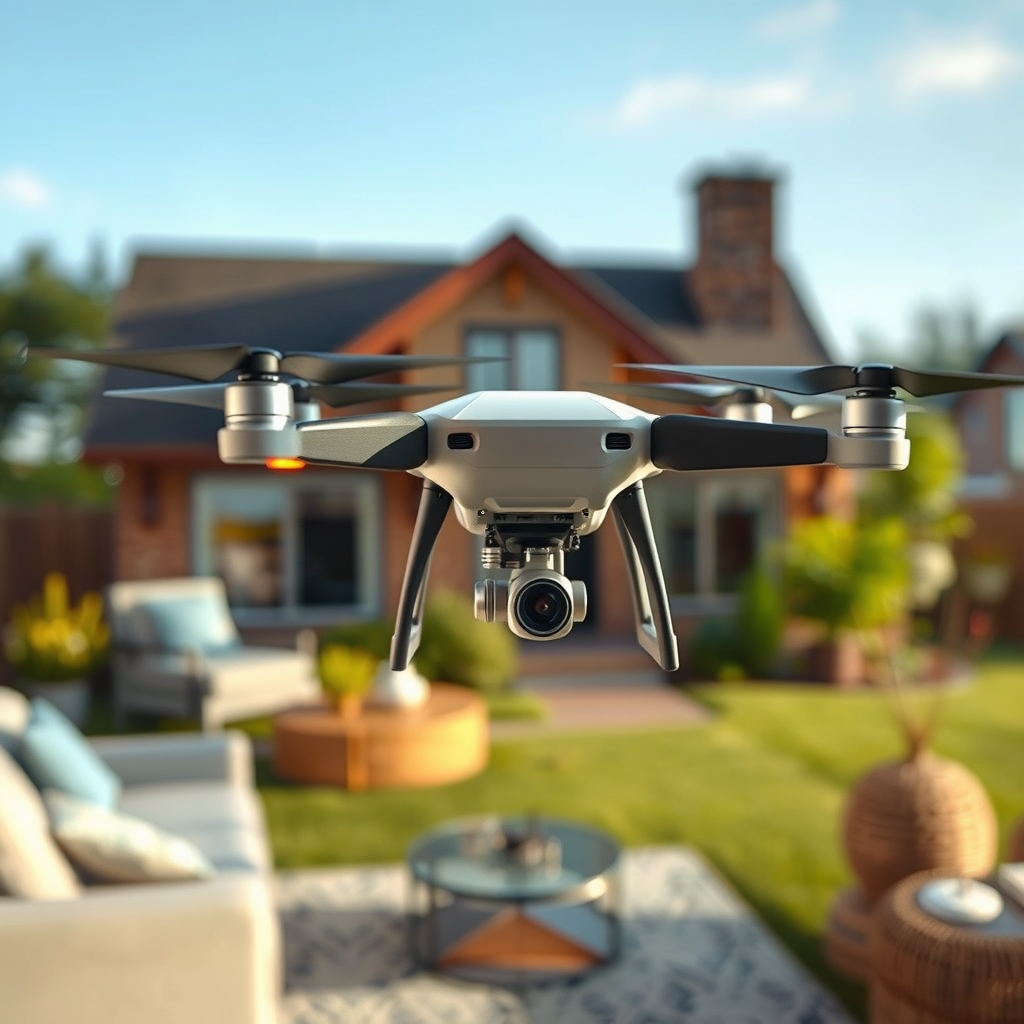
The Federal Aviation Administration (FAA) is the primary governing body for drone operations in the United States. According to FAA regulations, drones must be flown within the operator’s visual line of sight and are restricted to altitudes below 400 feet. These regulations are designed to maintain safety and prevent interference with manned aircraft.
Moreover, drones must not be operated over people who are not directly participating in the operation unless the drone is classified as a “Category 1” drone, which weighs less than 0.55 pounds and meets specific safety criteria. Additionally, operators are required to register their drones if they weigh over 0.55 pounds, ensuring that they are accountable for their operations.
It is also important to note that the FAA has established no-fly zones, particularly around airports, military bases, and other sensitive areas. Operators need to be aware of these zones before attempting to hover over residential areas, as violations can lead to severe penalties, including fines and loss of flying privileges.
Legal Considerations for Hovering Drones
While the FAA sets the overall framework for drone operations, individual property rights must also be considered. Property owners may have rights that restrict drone usage over their homes, which can vary significantly depending on state laws and local ordinances. For instance, in some jurisdictions, homeowners may have the right to sue for trespass if a drone flies over their property without permission.
State laws can also impose additional restrictions on drone use, particularly concerning privacy and safety. For example, states like California have enacted legislation that specifically addresses issues related to drone photography and privacy, making it illegal to capture images of individuals on private property without consent. Understanding these legal considerations is crucial for drone operators to avoid potential lawsuits and ensure compliance with local regulations.
Local regulations may also dictate specific operational guidelines, such as required permits for drone use in certain areas or restrictions on flight times. Before flying a drone over residential neighborhoods, operators should familiarize themselves with the local laws to prevent conflicts and ensure a harmonious flying experience.
Safety Guidelines for Drone Operators
Safety should always be a top priority for drone operators. Before hovering over any residential area, it is essential to check for nearby air traffic and no-fly zones. Utilizing apps and online resources, such as the FAA’s B4UFLY app, can assist operators in identifying restricted airspace and understanding local regulations.
In addition to adhering to legal requirements, operators should follow established safety protocols to minimize the risk of accidents and injuries. This includes performing pre-flight checks to ensure the drone is in good working condition, maintaining a safe distance from people and structures, and being aware of environmental conditions such as wind speed and weather conditions.
Operators should also consider the potential impact their drone flights may have on the community. For instance, flying a drone at low altitudes can be disruptive and potentially pose risks to pets and children playing outdoors. By maintaining a respectful distance from residential properties and being mindful of the surrounding environment, operators can foster positive relationships with neighbors and promote responsible drone usage.
Privacy Concerns Related to Drones
As drones become more prevalent, privacy concerns have emerged as a significant issue for homeowners. Hovering drones can inadvertently invade the privacy of individuals on the ground, leading to discomfort and potential conflict. It is critical for drone operators to be aware of these concerns and take steps to respect the privacy of others.
For instance, filming or taking photographs of individuals in their backyards or through their windows without permission can lead to allegations of harassment or invasion of privacy. To mitigate these issues, operators should inform neighbors of their intentions to fly a drone, providing them with an opportunity to express any concerns or objections.
Additionally, adhering to ethical guidelines while operating drones is essential. Operators should avoid flying drones over private property without explicit permission and refrain from capturing images or videos that could be deemed invasive. By prioritizing privacy and maintaining open communication with the community, drone operators can help alleviate fears and build trust.
Best Practices for Recreational Drone Use
To ensure a positive experience while flying drones recreationally, operators should adopt best practices that promote safety, legality, and community engagement. First and foremost, obtaining the necessary permits and registrations is crucial for compliance with federal and local laws. This may include registering with the FAA and acquiring any local permits required for drone operation.
Informing neighbors about your intentions to fly a drone in the area can foster goodwill and encourage a sense of community. Sharing flight plans and discussing the purpose of the drone operation can help alleviate any concerns neighbors may have regarding safety or privacy.
Moreover, operators should consider designating specific flying areas and times to minimize disruption to the community. By choosing to fly in open spaces away from residential areas, operators can enjoy their hobby while being respectful of those living nearby. Engaging with local drone clubs or community groups can also provide valuable insights into best practices and regulations specific to your area.
Future of Drone Technology and Regulations
The rapid advancement of drone technology is poised to significantly impact regulations surrounding drone usage. Innovations such as improved battery life, enhanced safety features, and autonomous flying capabilities may lead to changes in how drones are governed. As drones become more integrated into everyday life, from package delivery to agricultural monitoring, regulatory bodies will need to adapt to address new challenges and opportunities.
Staying informed about potential updates to laws affecting drone operations is essential for both operators and homeowners. Following industry news and engaging with local drone advocacy groups can provide valuable insights into upcoming changes and help operators remain compliant with evolving regulations.
Moreover, as public awareness and acceptance of drone technology grow, there may be increased collaboration between regulatory agencies and drone operators to develop responsible frameworks that promote safety, privacy, and innovation.
In summary, while drones can hover over houses, understanding the legal, safety, and privacy aspects is essential. By adhering to FAA regulations, respecting property rights, and communicating openly with the community, drone operators can ensure a responsible flying experience. Staying informed about best practices and potential regulatory changes will further enhance the ability to enjoy this exciting technology while fostering positive relationships with neighbors.
Frequently Asked Questions
Can a drone legally hover over my house?
Yes, a drone can legally hover over your house, but there are specific regulations that govern this activity. In the United States, the Federal Aviation Administration (FAA) requires drone pilots to adhere to rules that include maintaining a line of sight and flying at or below 400 feet above ground level. Additionally, local laws and privacy regulations may also impact whether drones can hover over private property, so it’s crucial to check your state and local regulations before allowing or operating a drone in your area.
What should I do if a drone is hovering over my house?
If a drone is hovering over your house and it concerns you, the first step is to determine if it’s being operated legally. You can often identify the operator if you see them nearby. If the drone is causing a disturbance or invading your privacy, you may want to contact local law enforcement or a neighborhood association, as they can assist in addressing the situation according to local laws.
Why do drones hover over residential areas?
Drones may hover over residential areas for various reasons, including aerial photography, surveying, or recreational flying. Some drone operators may be capturing video footage for real estate listings, while others might be conducting inspections or searching for lost pets. However, hovering drones can raise privacy and safety concerns for residents, making it essential to understand the purpose behind the drone’s presence.
How can I report a drone that’s hovering over my property?
To report a drone hovering over your property, you should first document the incident with details like the time, location, and any identifiable features of the drone or its operator. Then, contact local authorities or the police, as they can investigate potential violations of privacy or local drone regulations. If you believe the drone poses a safety risk, it’s crucial to express your concerns clearly when filing the report.
What are the best practices for operating a drone near residential areas?
The best practices for operating a drone near residential areas include adhering to local regulations, maintaining a safe distance from homes, and respecting people’s privacy. Drone operators should also avoid flying at night or in crowded areas and should always obtain permission if necessary, especially if they plan to capture images or videos. By following these guidelines, drone operators can enjoy flying while minimizing potential issues with nearby residents.
References
- https://en.wikipedia.org/wiki/Drone
- https://www.faa.gov/uas/getting_started/part_107
- https://www.nytimes.com/2021/06/29/technology/drone-regulations.html
- https://www.cnet.com/news/faa-drone-privacy-rules-explained/
- https://www.nap.edu/catalog/21860/drone-aircraft-in-the-united-states-regulatory-and-technical-issues
- https://www.reuters.com/legal/drone-use-us-sparks-privacy-concerns-2021-06-10/
- https://www.aclunc.org/news/drone-privacy-and-the-right-to-privacy-in-the-age-of-drones
- https://www.jstor.org/stable/10.5325/jlawpolicystudieduc.2.1.0015
