
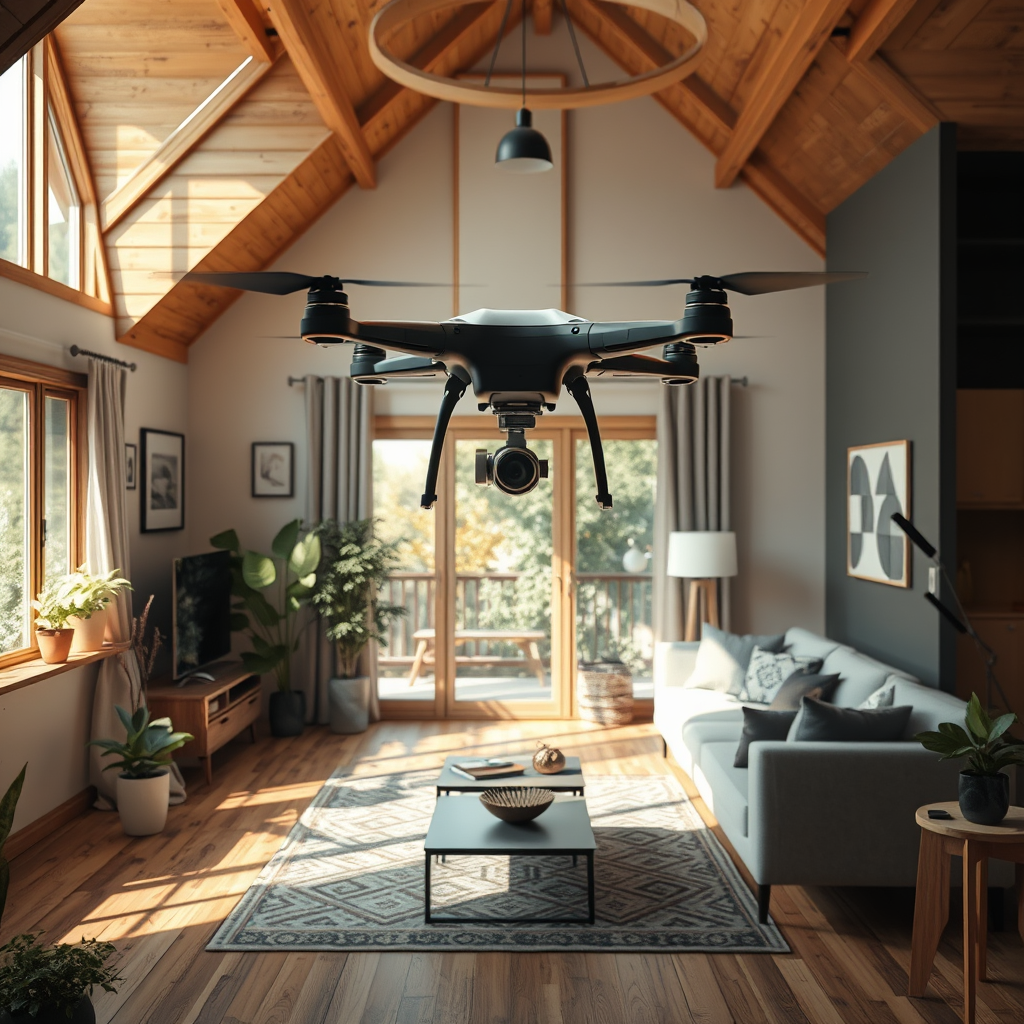
Drones equipped with cameras can potentially see inside your house, but their ability to do so depends on various factors, including the drone’s altitude, camera quality, and your home’s design. Understanding these details can help clarify the privacy concerns surrounding drone usage. As drone technology continues to evolve and become more accessible, it’s crucial for homeowners to be aware of how these devices can affect their privacy and what measures can be taken to mitigate any unwanted intrusion.
Understanding Drone Capabilities
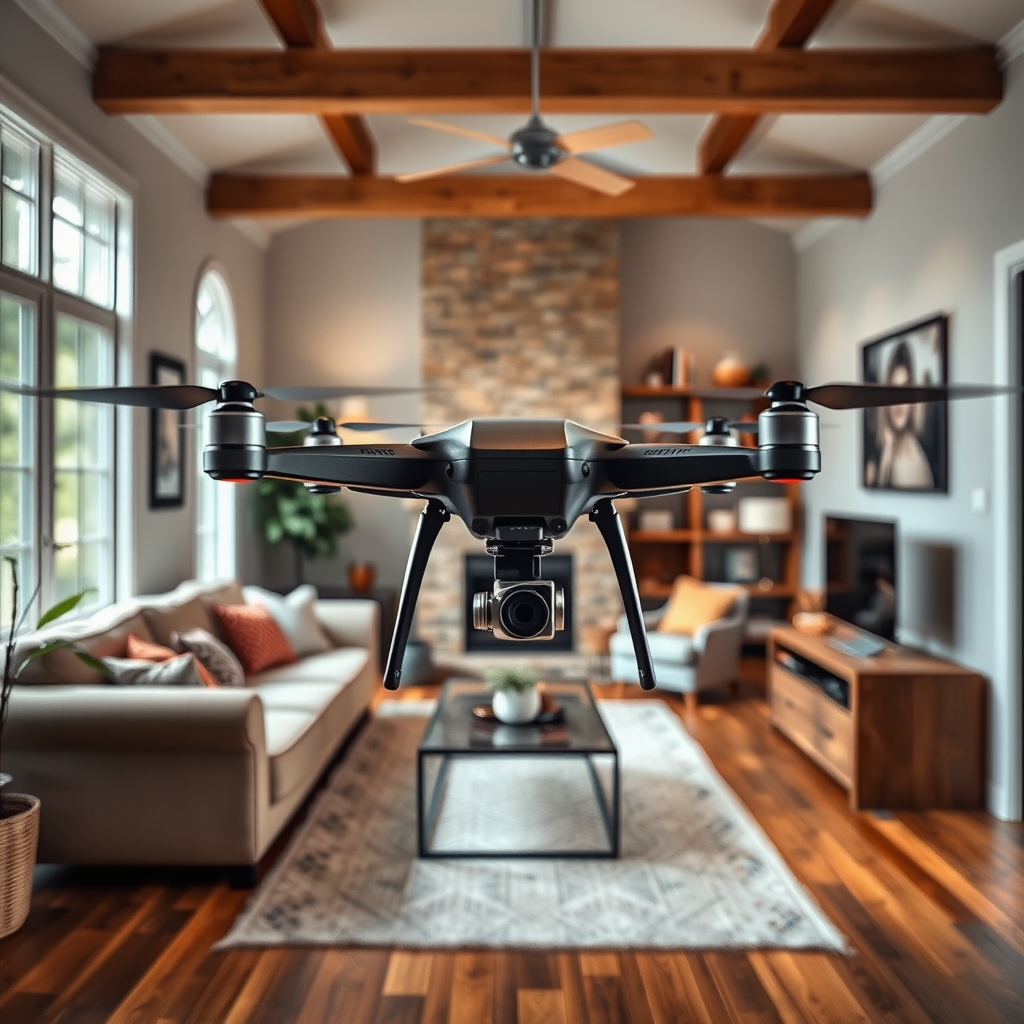
Drones are sophisticated aerial devices that can capture high-resolution images and videos from the air. Many consumer drones are now equipped with high-definition cameras that can record video in 4K resolution, providing a level of detail that was previously only available to professional filmmakers. Advanced models even feature optical zoom capabilities that enhance their viewing range, allowing operators to see objects from several hundred feet away with remarkable clarity. This capability raises significant concerns regarding the potential exposure of private spaces, particularly when drones are flown in residential areas.
Moreover, the integration of thermal imaging technology in certain drones enables them to detect heat signatures, further extending their surveillance potential. While such features have legitimate applications, including search and rescue operations and agricultural monitoring, their implications for personal privacy cannot be overlooked. As drones become more advanced, the risk of unwanted surveillance increases, prompting a need for comprehensive understanding and scrutiny of their capabilities.
Factors Affecting Visibility
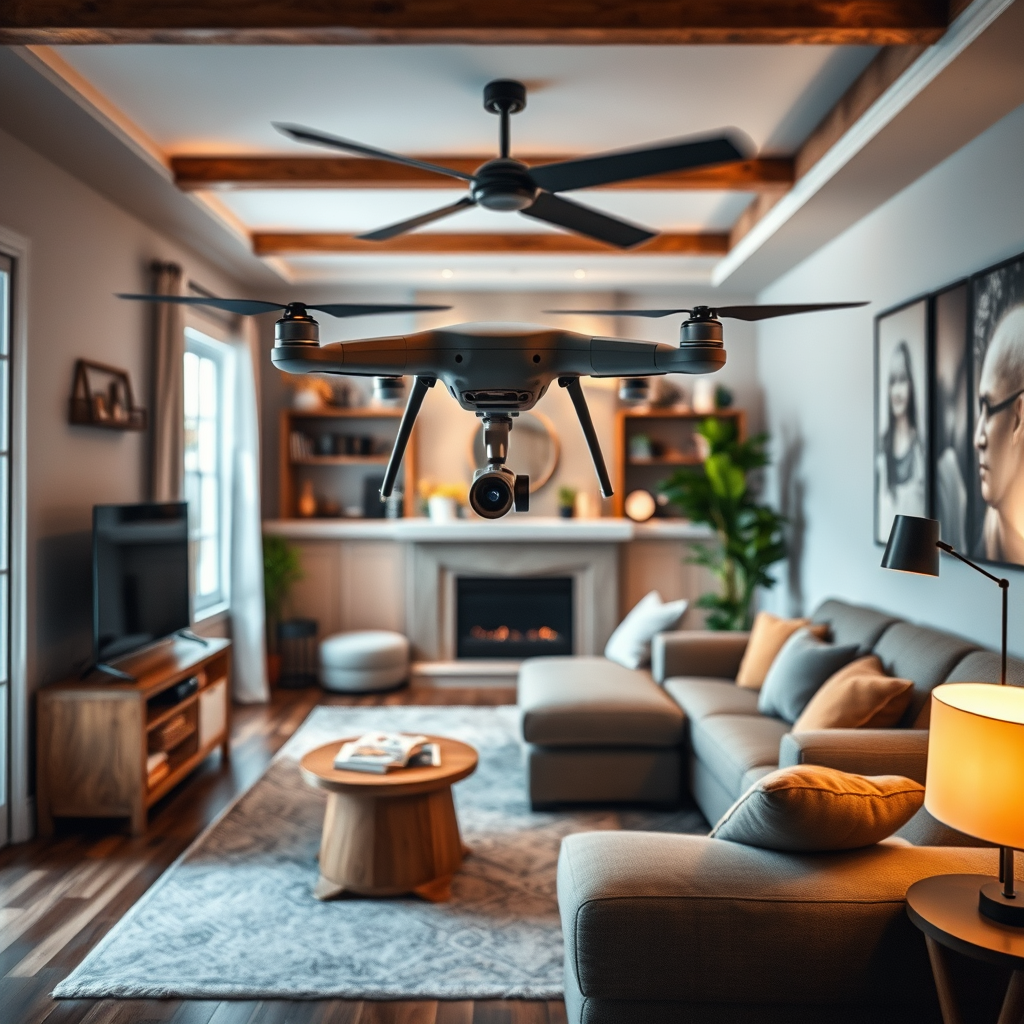
The altitude at which a drone flies significantly impacts what it can see. Generally, the higher the drone operates, the wider its field of view. However, this altitude also affects the clarity of images captured. For instance, a drone flying at a height of 400 feet, which is the legal limit for most recreational drone operators in many jurisdictions, may provide a broad view of a neighborhood but may lack the detail necessary to see inside individual homes. In contrast, flying lower can enhance visibility but can also lead to privacy violations.
Additionally, architectural features, such as trees, fences, and other structures, can obstruct drone cameras. A well-placed hedge or a series of trees can serve as a natural barrier that limits the visibility into a home. Homeowners can strategically use landscaping to create privacy zones that deter aerial observation. However, it’s essential to balance privacy with aesthetic considerations, ensuring that any modifications enhance the home’s overall appeal while providing the necessary protection.
Privacy Laws and Regulations
Many regions have strict laws governing drone flights over private property. In the United States, for example, the Federal Aviation Administration (FAA) regulates drone use, and many states have enacted laws that protect individuals’ privacy rights against unauthorized surveillance. These laws typically stipulate that drones cannot be flown within a certain distance of private residences without the owner’s consent, although enforcement can vary widely.
Familiarizing yourself with local regulations can help protect your privacy rights. It is advisable for homeowners to consult with local authorities or legal experts to understand the specific rules applicable in their area. Additionally, engaging in community discussions about drone usage can help raise awareness and promote responsible flying practices, ensuring that residents are informed about their rights and the potential risks posed by drones.
Technology Limitations
While drones can capture high-resolution images, they may struggle with visibility through windows due to glare and reflections. Windows can act as mirrors, especially in bright sunlight, making it difficult for drone operators to see inside homes clearly. Furthermore, the quality of the camera plays a critical role in determining the clarity and distance at which they can see. Lower-end drones may produce grainy images that lack the detail necessary to discern specific features within a home, while high-end models can provide sharper visuals.
However, it is worth noting that even with advanced technology, effective surveillance through windows is not guaranteed. Factors such as window tinting, curtains, and the angle of the drone’s camera can significantly diminish visibility. Homeowners should consider these elements when assessing their privacy and may choose to employ window treatments that reduce visibility from outside.
Preventative Measures for Homeowners
To maintain privacy from aerial views, homeowners can take several proactive steps. Installing window treatments, such as blinds or curtains, can effectively block views from above, creating a physical barrier against unwanted observation. Additionally, utilizing smart window films can provide privacy while still allowing natural light to enter the home.
Landscaping can also serve as a natural barrier against drone visibility. Planting tall trees, hedges, or installing fences can obstruct the line of sight from drones, providing a more secure environment. Homeowners should consider their specific circumstances and local regulations when planning landscaping projects, ensuring that privacy measures do not violate any community guidelines.
Community Awareness and Best Practices
Engaging with your community about drone use and privacy concerns is essential for fostering a shared understanding of responsible drone flying practices. Hosting local forums or discussions can help educate residents about the capabilities of drones, the associated privacy risks, and the importance of adhering to regulations. Promoting a culture of respect and responsibility among drone operators can go a long way in ensuring everyone’s comfort and safety.
Additionally, sharing resources and best practices for drone operators can help mitigate privacy concerns. Encouraging drone enthusiasts to inform neighbors before flying in residential areas, and advocating for the use of drones only for legitimate purposes, can minimize the potential for conflict between drone operators and homeowners.
In conclusion, while drones can see into your house under certain conditions, understanding their limitations and the legal landscape can help you safeguard your privacy. By familiarizing yourself with drone capabilities and local regulations, employing preventative measures, and fostering community awareness, you can take proactive steps to protect your home from unwanted aerial observation. Staying informed and vigilant about your surroundings is key to ensuring that your privacy remains intact in an age where technology continues to advance rapidly.
Frequently Asked Questions
Can a drone see inside my house?
Drones are typically equipped with cameras that can capture high-resolution images and video, but they cannot see inside a house through solid walls. However, if a drone flies close to a window, it may be able to see inside, especially if the curtains are open or if the glass is clear. Privacy concerns arise when drones are operated in residential areas, leading to discussions about regulations and responsible drone usage.
What are the legal implications of a drone flying over my property?
The legality of drone flights over private property varies by country and region. In many places, drone operators must respect the privacy rights of individuals, which can include avoiding flying over private homes without consent. It’s important to familiarize yourself with local laws and regulations regarding drone usage to protect your privacy and understand what actions you can take if a drone is infringing on your space.
How can I protect my home from unwanted drone surveillance?
To protect your home from unwanted drone surveillance, consider using window treatments like blinds or curtains to obstruct views from outside. Additionally, you can install privacy fences or landscaping features to create barriers around your property. Some technology solutions, like anti-drone systems, can help detect and deter unauthorized drones from entering your airspace, although these can be expensive and may not be practical for everyone.
Why are drones able to capture images and video so clearly?
Drones can capture high-quality images and video due to advancements in camera technology, including high-resolution sensors and stabilization features that reduce motion blur. Many drones come equipped with gimbals that help keep the camera steady during flight, allowing for clear footage even in windy conditions. As a result, they can produce stunning aerial views that some may find intrusive when flying near residential areas.
What should I do if I feel my privacy is being violated by a drone?
If you believe your privacy is being violated by a drone, the first step is to document the incident by taking photos or videos of the drone and noting the time and location. You can then approach the drone operator, if identifiable, to express your concerns. If the issue persists or escalates, you may want to report it to local authorities or law enforcement, as they can help determine if any laws are being violated and advise you on further actions.
References
- https://en.wikipedia.org/wiki/Drone
- https://www.bbc.com/news/technology-56914768
- https://www.nytimes.com/2020/06/03/technology/drones-privacy.html
- https://www.theguardian.com/us-news/2020/jun/04/drones-police-privacy
- https://www.ncbi.nlm.nih.gov/pmc/articles/PMC7201144/
- https://www.aclu.org/issues/privacy-technology/surveillance-technologies/drones-and-privacy
- https://www.faa.gov/uas/
- https://www.nap.edu/catalog/24778/drone-technology-and-its-impact-on-privacy-and-safety
- https://www.eff.org/deeplinks/2019/05/drones-and-privacy-what-you-need-know
