
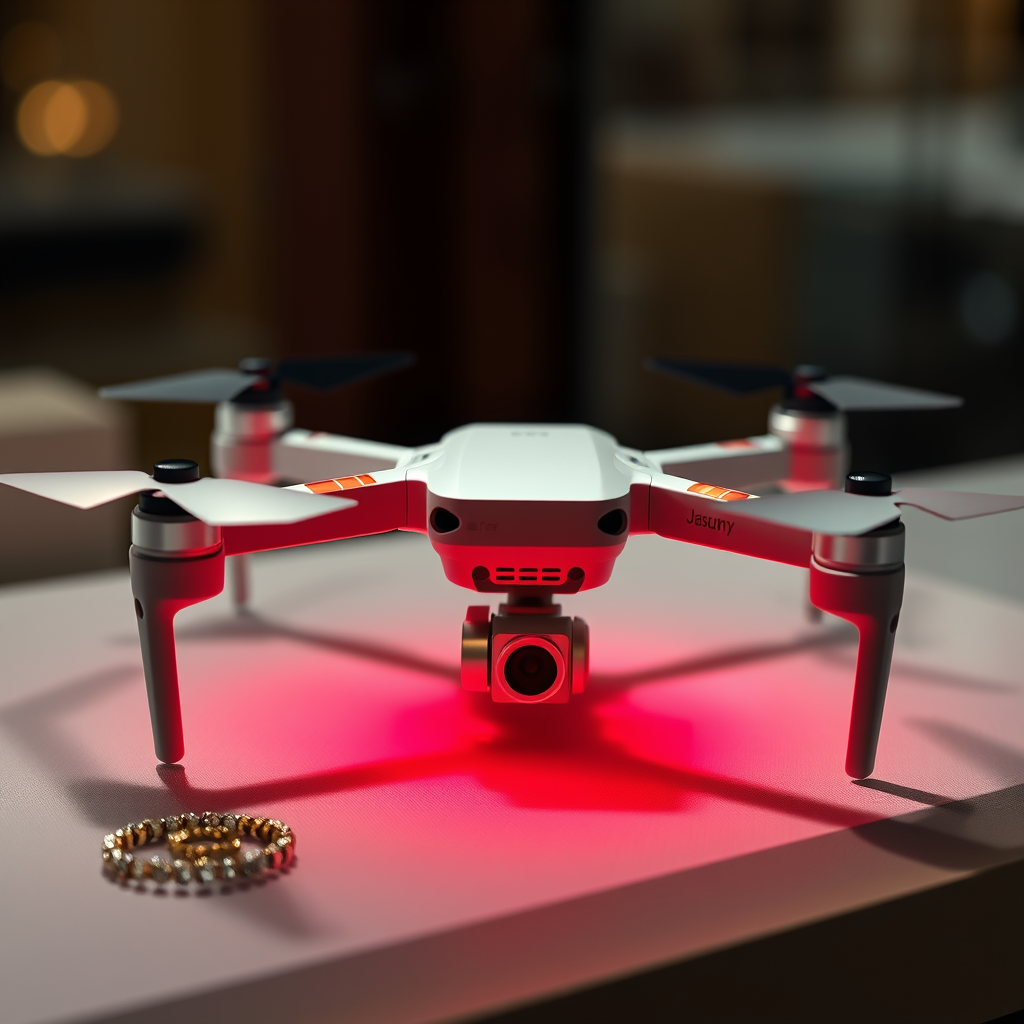
Yes, a laser pointer can potentially disrupt a drone’s operation, but it is not a reliable method for bringing one down. While shining a laser at a drone may temporarily blind its camera or interfere with its sensors, it’s important to understand the risks and legal implications of doing so. Utilizing a laser pointer against a drone can lead to safety hazards and legal repercussions, making it crucial to explore more appropriate responses when faced with drone-related concerns.
Understanding Drone Technology
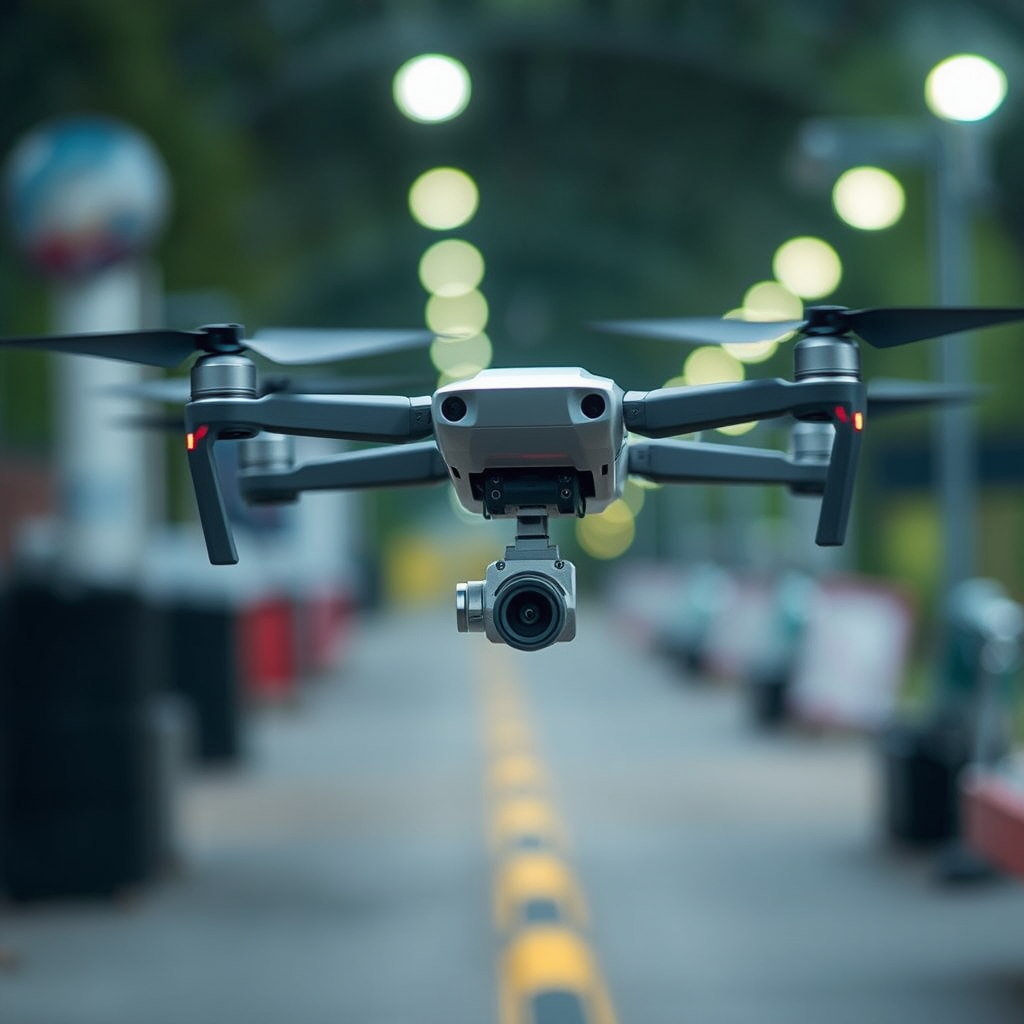
Drones, or unmanned aerial vehicles (UAVs), are equipped with an array of sensors and cameras designed for navigation, data collection, and operation. These devices often include GPS, gyroscopes, accelerometers, and optical sensors, which all contribute to the drone’s stability and control. Advanced drones also feature obstacle avoidance systems and image processing capabilities that help them navigate complex environments. Because of these sophisticated technologies, many drones are built with safety features that are specifically designed to prevent them from being easily disabled by external factors, including light sources like lasers.
For example, drones that utilize optical sensors for navigation may be affected by bright lights or sudden changes in lighting conditions, but they are typically programmed to respond to such disruptions without losing control. Consequently, while a laser pointer may have a momentary impact, it is unlikely to effectively disable the drone or cause it to crash.
How Laser Pointers Work
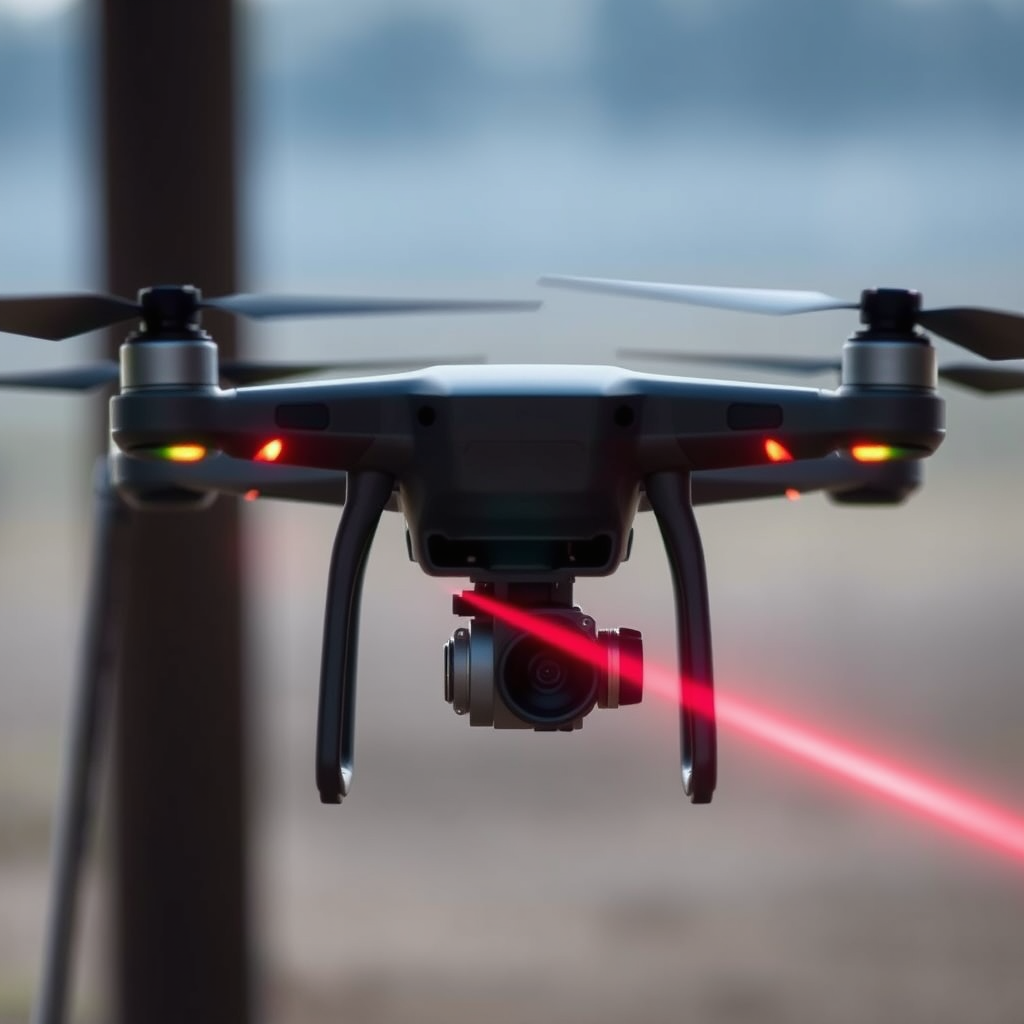
Laser pointers emit highly focused beams of light, which can interfere with optical sensors that some drones use for navigation or target tracking. The effectiveness of a laser pointer against a drone largely depends on the intensity and wavelength of the light being emitted. For instance, green lasers are more visible to the human eye and can be more effective than red lasers in certain conditions, particularly during the daytime. However, the likelihood of successfully disrupting a drone’s operation varies greatly among different models and manufacturers.
It’s important to note that while a laser may momentarily obscure the drone’s camera or sensors, the effect is often temporary. Drones are engineered to recover from minor disturbances, and many have built-in redundancies and safety features that mitigate the risks associated with such interferences. Therefore, while the theoretical potential exists for a laser pointer to disrupt a drone, it is not a foolproof or dependable method.
Legal Implications of Using Laser Pointers
Shining a laser at an aircraft, including drones, is illegal in many jurisdictions and can lead to severe penalties. In the United States, for example, the Federal Aviation Administration (FAA) strictly prohibits the use of lasers against any aircraft, classifying it as a federal offense. Violators may face hefty fines and even criminal charges, depending on the severity of the incident and any resultant damage.
Moreover, local laws may vary significantly, with some regions imposing additional regulations concerning the use of laser devices in proximity to airspace. Understanding these legal implications is crucial for anyone considering using a laser pointer against a drone. Engaging in such actions not only jeopardizes your legal standing but can also lead to broader safety concerns.
Risks Involved in Targeting Drones
Attempting to bring down a drone with a laser poses numerous risks, which can have unintended consequences. The immediate risk is that the drone may lose control and crash, potentially causing damage to property or injury to individuals nearby. Drones operate at varying altitudes, and losing control at a high altitude can result in significant harm to both people and wildlife in the area.
Additionally, targeting a drone with a laser pointer may provoke the operator of the drone, leading to confrontational situations. Engaging in such behavior could escalate tensions and lead to further complications, especially if the drone is being operated for legitimate purposes, such as surveying or photography. Furthermore, the misuse of laser pointers can contribute to a negative public perception of drone technology, fostering a distrust that could hinder legitimate uses of drones in various industries, including agriculture, delivery services, and environmental monitoring.
Alternative Methods for Addressing Drone Concerns
If a drone is causing disturbances or invading privacy, there are more effective and legal avenues to address these concerns. Instead of resorting to a laser pointer, consider reporting the drone activity to local authorities, such as law enforcement or aviation officials. Many communities have regulations in place regarding drone usage, and authorities can investigate incidents of harassment or illegal surveillance.
Additionally, exploring legal options for drone deterrents is a prudent course of action. For instance, certain technologies can detect drones and alert property owners without breaking the law. These methods allow for the appropriate management of drone-related issues while adhering to regulations and ensuring public safety. Engaging with local laws and community guidelines can provide a clearer picture of how to address drone concerns without resorting to questionable tactics.
Conclusion
While a laser pointer can disrupt a drone temporarily, it is not a safe or legal method to bring one down. The risks associated with targeting drones with lasers include potential legal repercussions, safety hazards, and unintended consequences that could harm people or property. In light of these factors, it is essential to consider appropriate avenues for addressing drone activity, such as reporting to authorities or exploring legal deterrent options. Engaging in responsible and informed actions is key to navigating the complexities of drone use in today’s society.
Frequently Asked Questions
Can a laser pointer effectively bring down a drone?
While a laser pointer can potentially disrupt a drone’s operations by blinding its camera or sensors temporarily, it is unlikely to bring down a drone outright. Most consumer drones are designed to withstand minor disturbances, and using a laser pointer can be illegal in many areas, as it poses safety risks to aircraft and can lead to severe penalties.
What are the risks associated with using a laser pointer against a drone?
Using a laser pointer against a drone can pose significant risks, including legal repercussions and safety hazards. Pointing a laser at any aircraft, including drones, can interfere with their operation and can distract or temporarily blind the drone operator. Additionally, it may result in criminal charges under aviation laws, as it is considered a dangerous act.
How do laser pointers affect drone cameras and sensors?
Laser pointers can temporarily blind drone cameras and sensors by overwhelming them with light, which may disrupt their ability to capture images or navigate. However, this effect is usually short-lived, and sophisticated drones have built-in protections to minimize the impact of such interference. It’s also worth noting that this tactic is not reliable for controlling or bringing down a drone.
Why do people consider using laser pointers against drones?
People may consider using laser pointers against drones mainly for privacy concerns or to deter unwanted surveillance. Drones equipped with cameras can invade personal space, leading individuals to seek methods to defend their privacy. However, resorting to laser pointers is not advisable due to the potential legal consequences and risks to safety.
What are safer alternatives to deter unwanted drones?
Instead of using laser pointers, individuals concerned about unwanted drones can consider safer alternatives such as using drone jammers, which are devices designed to disrupt drone signals, or reporting the drone to local authorities. Additionally, employing physical barriers, like privacy screens or planting trees, can help protect personal space without risking legal issues or safety hazards.
References
- https://en.wikipedia.org/wiki/Laser_pointer
- https://www.faa.gov/newsroom/faa-issues-new-guidance-drone-operations
- https://www.bbc.com/news/technology-46566596
- https://www.theguardian.com/technology/2020/jun/22/law-enforcement-drones-laser-pointers
- https://www.sciencedirect.com/science/article/pii/S0263224121000305
- https://www.ncbi.nlm.nih.gov/pmc/articles/PMC4783547/
- https://www.nytimes.com/2019/03/14/technology/drones-laser-pointers.html
- https://www.faa.gov/uas/resources/policy_library/documents/laser_pointer_guidance.pdf
