
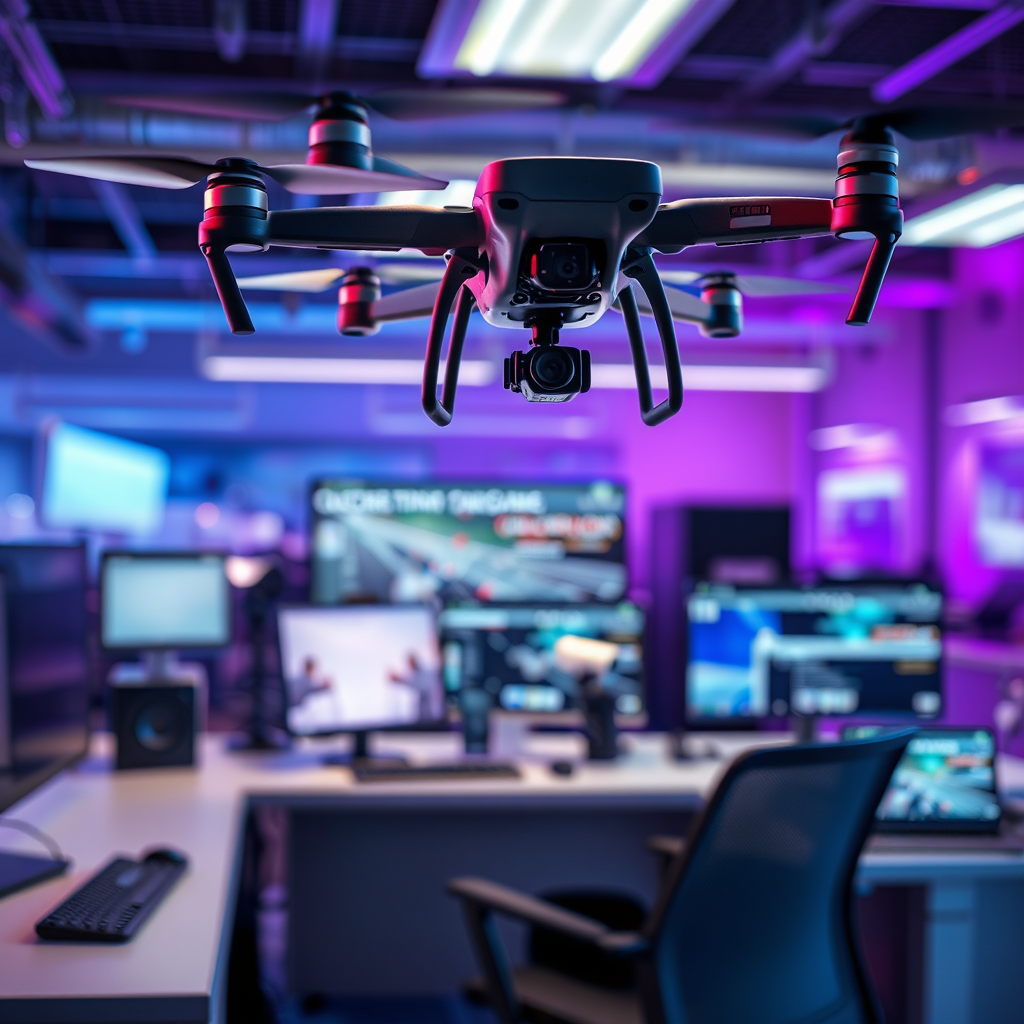
Airport radar systems can indeed detect drones, but their effectiveness varies based on several factors. Traditionally designed for larger aircraft, radar technology is evolving to better accommodate the unique challenges posed by smaller flying objects like drones. As drone usage increases, particularly near airports, understanding the nuances of radar detection technology becomes paramount for ensuring airspace safety. This article will explore how airport radar works for drone detection, the challenges involved, and potential solutions to enhance detection capabilities.
How Airport Radar Works
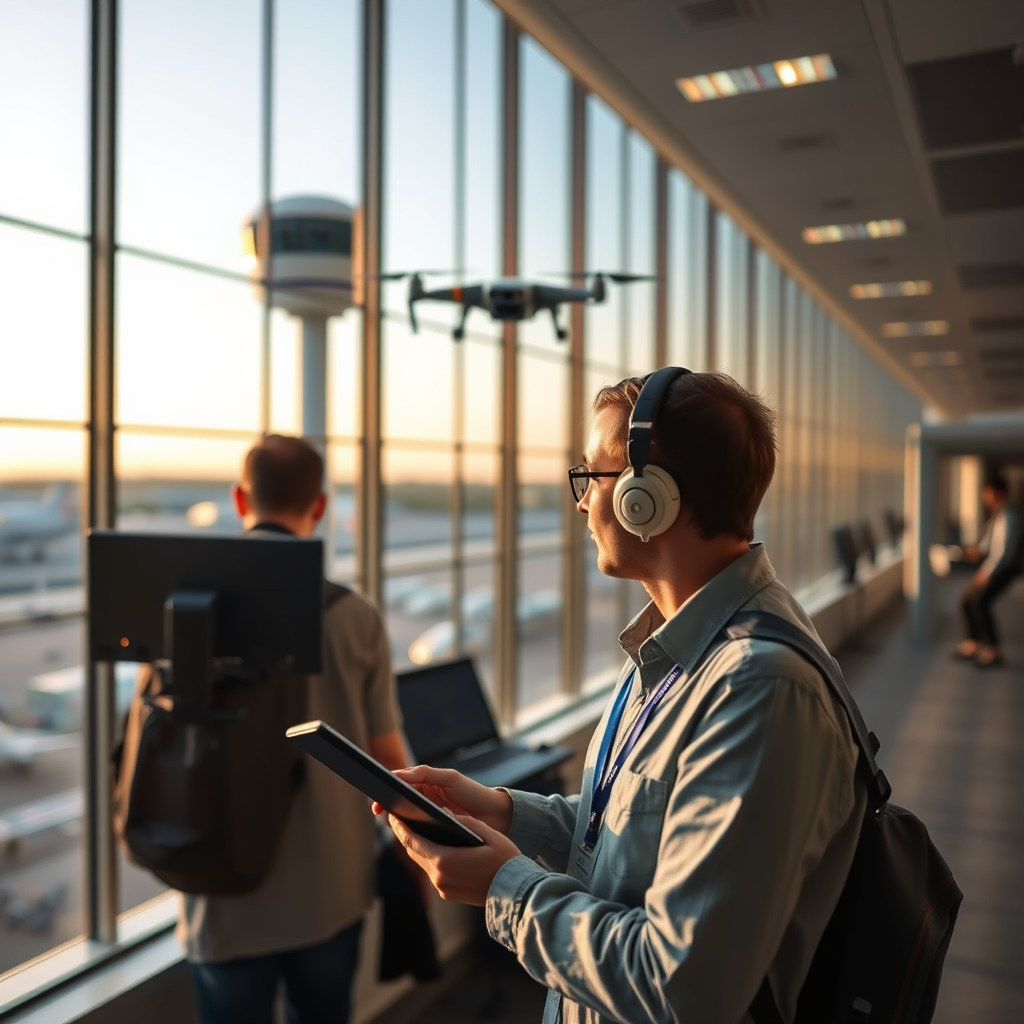
Radar systems operate on the principle of emitting radio waves that travel through the air and bounce off objects, returning to the radar receiver. The time taken for these waves to return is measured, allowing the radar system to calculate the distance to the object. By analyzing the frequency shift of the returned waves—known as the Doppler effect—the radar can also determine the speed and direction of the detected object. This fundamental principle enables radar to create a real-time picture of the airspace, identifying and tracking various airborne entities.
For larger aircraft, this system is highly effective; however, the challenge arises with smaller entities like drones, which may not reflect radio waves in the same manner due to their size and material composition. As a result, advancements in radar technology are crucial for improving the detection of these smaller, often more maneuverable objects.
Types of Radar Used at Airports

Airports typically utilize two main types of radar systems: primary radar and secondary radar.
– Primary Radar: This type detects all objects in the airspace, including drones, based solely on the reflection of radio waves. Primary radar does not depend on any onboard equipment from the aircraft; hence, it can pick up non-cooperative targets like consumer drones. However, the effectiveness of primary radar in tracking small drones is still limited due to their size and low altitude operation.
– Secondary Radar: This radar system relies on transponders installed in aircraft to provide location and identification information. While secondary radar is highly effective for tracking commercial airliners, many consumer drones lack these transponders, significantly reducing their visibility to this detection method. This limitation creates a gap in the radar coverage of air traffic, making it essential to find alternative detection methods for drones.
Challenges in Detecting Drones
The detection of drones poses several challenges, primarily due to their physical characteristics and operational behaviors. Drones are generally smaller than traditional aircraft and often fly at lower altitudes, which makes them more difficult to track using conventional radar systems. Their size means they produce a weaker radar signature, making it challenging for primary radar to detect them reliably, especially against a cluttered background of other air traffic.
Additionally, many consumer-grade drones do not come equipped with transponders that would allow secondary radar systems to identify them. This absence of identification capability further complicates the matter, as air traffic controllers cannot monitor these drones using standard protocols. The increasing frequency of near-misses between drones and manned aircraft underscores the urgency of addressing these detection challenges.
Advancements in Radar Technology
Recent technological advancements are paving the way for improved drone detection capabilities. Manufacturers are developing newer radar systems specifically designed to detect small, low-flying objects, including drones. These systems often incorporate advanced signal processing techniques that enhance their ability to differentiate between various flying objects, including distinguishing drones from birds and other wildlife.
Another promising development is the integration of machine learning algorithms into radar systems. By employing artificial intelligence, these systems can learn from vast datasets of flight patterns and characteristics, allowing them to recognize the unique flight signatures of drones. This capability not only improves detection rates but also reduces false positives, increasing overall air traffic safety.
Integration with Other Detection Systems
To enhance drone detection capabilities, many airports are exploring multi-sensor approaches that combine radar with other technologies. For instance, integrating radar with high-resolution cameras can provide visual confirmation of detected objects, allowing for better identification of potential threats. Additionally, acoustic sensors can pick up the unique sounds produced by drones, further supplementing radar data.
This approach creates a more comprehensive surveillance solution for managing airspace security. By leveraging multiple detection systems, airport authorities can create a layered defense strategy that enhances the ability to monitor and respond to drone activity effectively. As such, multi-sensor integration represents a critical step toward ensuring the safety of airspace in the face of increasing drone operations.
Regulatory and Safety Considerations
As drone usage becomes more prevalent, regulatory bodies worldwide are developing frameworks to manage drone operations, especially near airports. These regulations aim to minimize risks associated with drone flights in critical airspace, ensuring that safety protocols are in place. The adoption of effective detection systems is becoming increasingly important as authorities seek to enforce these regulations and protect both manned and unmanned aircraft.
Governments are also investing in research and development to establish standardized detection protocols that can be implemented across various airports. This proactive approach is essential for keeping pace with the rapid evolution of drone technology and ensuring that airspace remains safe for all users.
Future Prospects for Drone Detection
Looking ahead, ongoing research is focused on enhancing radar accuracy and reliability for drone detection. As drone technology continues to evolve, with more sophisticated designs and capabilities, detection systems must keep up with these advancements. Future radar systems may incorporate enhanced signal processing, machine learning, and even quantum technologies, which promise to revolutionize the way airborne objects are monitored.
Moreover, as the regulatory landscape surrounding drone operations becomes more defined, the demand for robust detection solutions will only increase. The aviation industry, along with drone manufacturers, must collaborate to develop systems that not only ensure safety but also facilitate the integration of drones into existing air traffic frameworks.
In conclusion, understanding the capabilities and limitations of airport radar in detecting drones is essential for maintaining airspace safety as drone usage continues to rise. The evolution of technology, coupled with effective regulatory measures, will play a vital role in enhancing detection capabilities. By staying informed about these advancements and integrating multiple detection systems, airports can better manage the complexities of drone operations, ensuring a safer environment for all aerial activities.
Frequently Asked Questions
Can airport radar systems detect drones effectively?
Yes, airport radar systems can detect drones, but their effectiveness varies based on the radar technology used and the size of the drone. Traditional airport radars are primarily designed to track larger aircraft and may struggle with small drones, especially those that are lightweight and fly at low altitudes. However, advancements in radar technology have led to the development of specialized drone detection systems that can identify and track these smaller aerial vehicles more accurately.
How do airports manage the threat of drones near their airspace?
Airports manage the threat of drones through a combination of radar detection, surveillance systems, and strict regulations. They often employ dedicated drone detection technologies that integrate with existing radar systems to monitor drone activity in real-time. Additionally, airports collaborate with law enforcement and aviation authorities to enforce no-fly zones and implement counter-drone measures when necessary to ensure safety and security in their airspace.
Why is it important for airport radar to detect drones?
It is crucial for airport radar to detect drones because unauthorized drone activity poses significant safety risks to manned aircraft and airport operations. Drones can interfere with flight paths, leading to potential collisions and air traffic disruptions. By effectively detecting drones, airports can take proactive measures to mitigate these risks, ensuring the safety of passengers and maintaining the integrity of air travel.
What are the best technologies for detecting drones at airports?
The best technologies for detecting drones at airports include advanced radar systems, radio frequency (RF) detectors, and electro-optical sensors. These systems can work in tandem to provide comprehensive surveillance and tracking capabilities. For instance, radar can identify drone movement, while RF detectors can intercept communication signals between the drone and its operator, allowing for a more accurate assessment of potential threats.
Which drones are most likely to be detected by airport radar systems?
Larger drones, particularly those that are commercially available and have significant weight or size, are more likely to be detected by airport radar systems. Drones equipped with transponders may also be more easily tracked, as they can broadcast their location and altitude. Conversely, smaller, hobbyist drones that operate at low altitudes may evade detection, highlighting the need for specialized radar systems designed specifically for drone detection at airports.
References
- https://en.wikipedia.org/wiki/Drone_detection
- https://www.faa.gov/newsroom/faa-issues-draft-guidance-drone-detection-systems
- https://www.sciencedirect.com/science/article/abs/pii/S0360132318302070
- https://www.reuters.com/business/aerospace-defense/airports-use-radar-detect-drones-but-not-always-2021-07-19/
- https://www.bbc.com/news/technology-51129194
- https://www.nist.gov/news-events/news/2020/01/nist-drones-and-airports
- https://www.mdpi.com/2504-446X/4/1/16
- https://www.aviationtoday.com/2020/09/01/airport-drones-what-you-need-to-know/
- https://www.faa.gov/uas/faq/#can-airport-radar-detect-drones
