
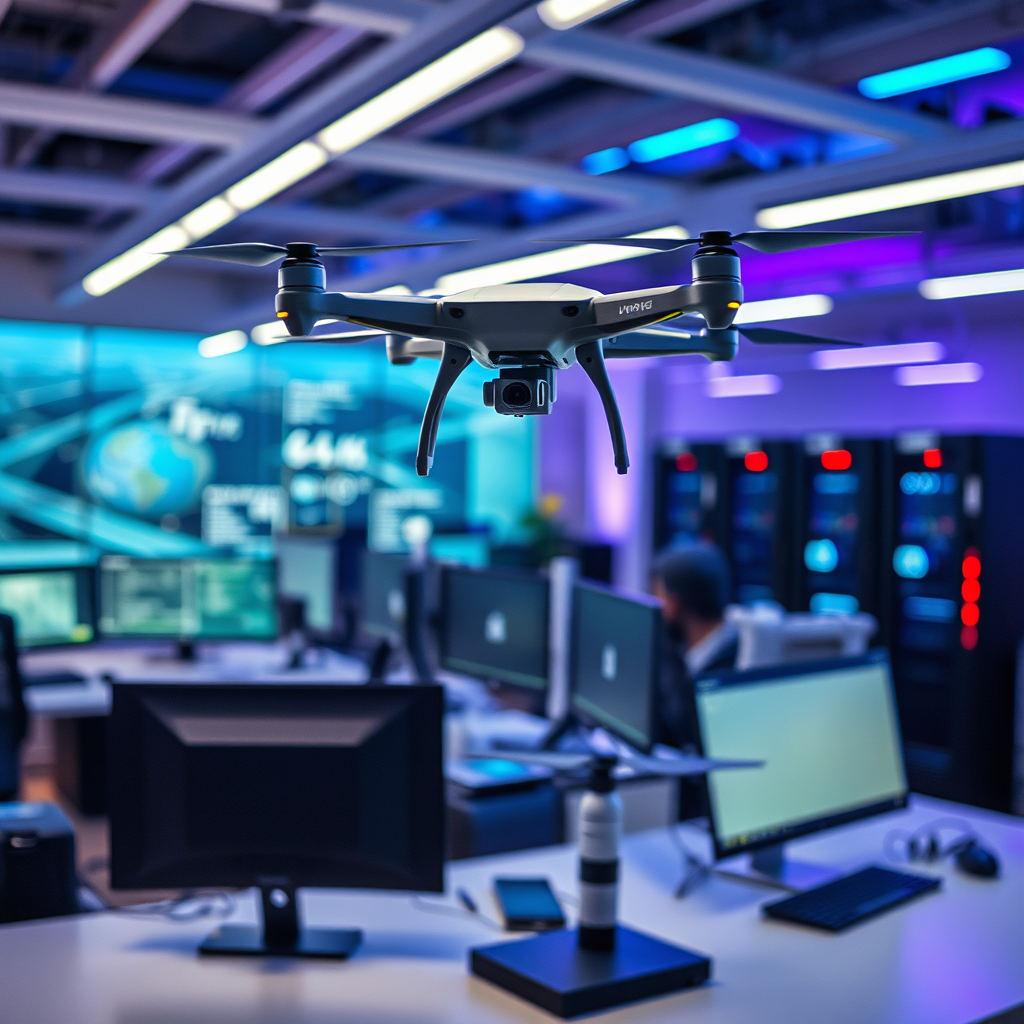
Airports can indeed detect drones using various technologies designed to enhance safety and security. These detection systems are crucial for preventing potential collisions and ensuring safe airspace management. With the rising popularity of drones for recreational and commercial use, airports are increasingly investing in advanced detection technologies to mitigate risks and protect the integrity of air travel. In this article, we will explore how airports identify drones, the technologies involved, and the challenges faced in detection.
Understanding Drone Detection Systems
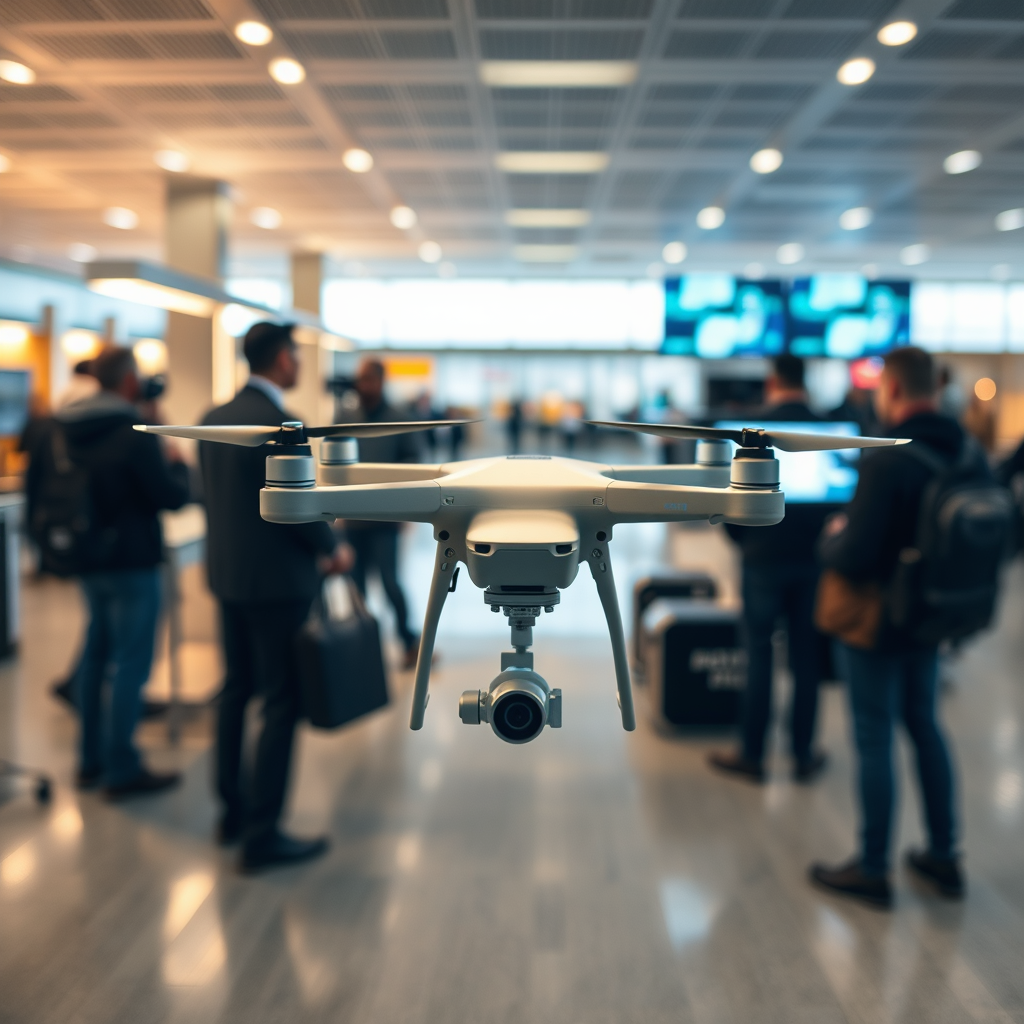
Drone detection systems encompass a multitude of technologies that work together to identify and track unmanned aerial vehicles (UAVs). The primary types of detection systems include radar, radio frequency (RF) detection, and visual surveillance. Each of these systems has its unique strengths and weaknesses, and their integration is crucial for effective monitoring. For instance, radar systems provide broad area coverage and can track multiple drones simultaneously, while RF detection focuses on the communication signals between a drone and its operator, thus identifying the drone’s presence and potential intentions.
The importance of integrating multiple technologies cannot be overstated. A multi-layered approach enhances detection accuracy, minimizes false positives, and increases the overall reliability of drone monitoring systems. Airports that utilize a combination of these technologies are better equipped to ensure the safety of both aircraft and ground operations.
The Role of Radar in Drone Detection
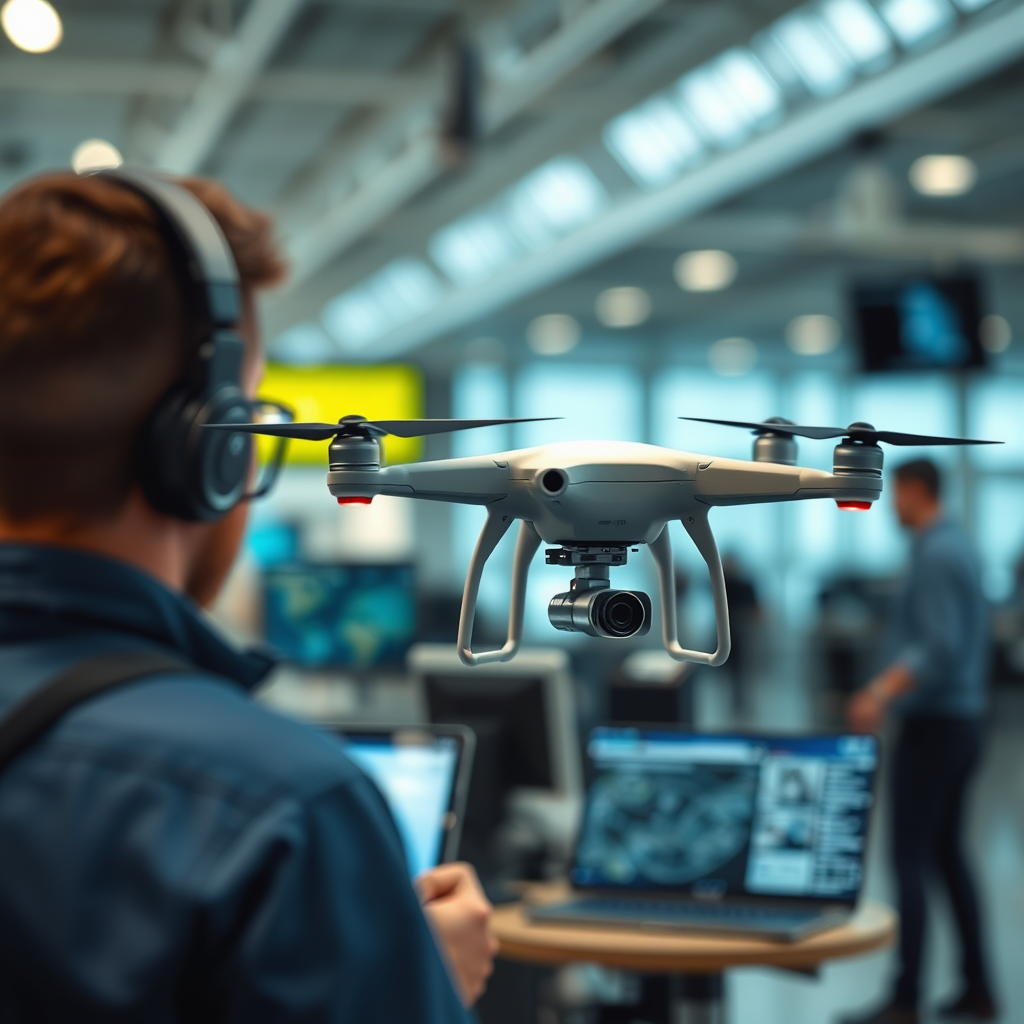
Radar systems play a pivotal role in tracking drone movements. By emitting radio waves, these systems can detect objects in the airspace that reflect these waves back to the radar source. This allows for real-time monitoring of drones, with the capability to provide information on their speed, altitude, and location.
One significant benefit of using radar technology is its ability to cover vast areas, making it ideal for airports with extensive airspace and high traffic. Advanced radar systems, such as those employing phased array technology, can discriminate between different types of aircraft and drones, reducing the risk of misidentification. Moreover, radar systems can operate in various weather conditions, providing consistent surveillance regardless of visibility, which is essential for maintaining airport safety.
Radio Frequency (RF) Detection Techniques
Radio frequency (RF) detection techniques offer a different approach to identifying drones by monitoring the electromagnetic signals used for communication between the drone and its remote pilot. This method is particularly effective in urban environments and near busy airports, where drones often operate within close proximity to manned aircraft.
RF detection systems can differentiate between various types of drone communications, including control signals, telemetry data, and video feeds. This capability allows operators to ascertain not only the presence of a drone but also its operational status and potential threats. One of the key advantages of RF detection is its passive nature; it does not emit signals that could alert the drone operator, allowing for covert monitoring and potential intervention if necessary.
Visual and Thermal Detection Methods
Visual and thermal detection methods employ cameras and thermal imaging technologies to monitor drone activity. Visual detection systems can include high-resolution cameras equipped with advanced algorithms for object recognition, enabling real-time tracking of drones within the airport vicinity. Thermal imaging, on the other hand, detects the heat emitted by drones, making it useful for identifying them in low-light conditions or obscured environments.
However, these methods also come with limitations. Visual systems may struggle in adverse weather or when drones fly at high altitudes or speeds, while thermal detection can be affected by environmental factors such as temperature variations. Despite these challenges, when used in conjunction with radar and RF detection, visual and thermal systems can significantly enhance overall detection capabilities.
Challenges in Drone Detection at Airports
Despite advancements in drone detection technologies, several challenges remain. Regulatory hurdles pose significant obstacles, as airspace management regulations must adapt to account for the increasing presence of drones. Coordinating between various governing bodies to establish clear protocols for drone operations near airports is essential for effective management.
Additionally, technological hurdles exist, particularly concerning the accuracy of detection systems. False positives can lead to unnecessary disruptions in airport operations, while environmental factors, such as weather conditions and geographic features, can impair detection capabilities. Continuous improvement of detection algorithms and technologies will be necessary to address these challenges effectively.
Case Studies of Drone Detection Success
Several airports have successfully implemented drone detection systems, showcasing the effectiveness of these technologies in ensuring safety. For instance, Los Angeles International Airport (LAX) has integrated a comprehensive drone detection system that combines radar, RF detection, and visual monitoring. This multi-faceted approach has enabled LAX to successfully identify and mitigate potential drone threats, ensuring a safe operating environment for its extensive flight operations.
Another notable example is Heathrow Airport in London, which has faced significant challenges related to drone incursions in the past. In response, the airport has adopted advanced detection technologies that have proven effective in preventing incidents and enhancing overall security. The successful implementation of these systems highlights the critical role of proactive measures in mitigating risks associated with drone operations.
Future Trends in Drone Detection Technology
As drone usage continues to rise, the future of drone detection technology is poised for significant advancements. Emerging technologies, such as artificial intelligence (AI) and machine learning, are expected to play a transformative role in enhancing detection methods. These innovations can improve the accuracy and efficiency of detection systems by analyzing vast amounts of data to identify patterns and distinguish between benign and potentially harmful drone activities.
Furthermore, developments in networked sensor systems will enable airports to share information about drone activity in real time, creating a more comprehensive understanding of airspace dynamics. This collaborative approach can enhance situational awareness, ultimately leading to improved safety and security for both airport operations and surrounding communities.
In conclusion, airports are increasingly equipped to detect drones using a combination of advanced technologies. As drone usage continues to rise, ongoing improvements in detection systems will be essential for maintaining safety in the skies. Understanding the various detection methods and the challenges associated with them is crucial for stakeholders in the aviation industry. Staying informed about the latest developments in airport drone detection will help ensure a safer travel experience for all passengers.
Frequently Asked Questions
Can airports detect drones flying near their airspace?
Yes, many airports have implemented drone detection systems to monitor and manage unauthorized drone activity within their airspace. These systems use advanced radar technology, radio frequency sensors, and even thermal imaging to identify drones, allowing airport authorities to respond quickly to potential threats and ensure the safety of aircraft operations.
How do airports detect drones?
Airports utilize a combination of technology to detect drones, including radar systems that can track the movement of small objects in the air, radio frequency detectors that pick up drone communications, and optical sensors that visually identify drones. Some airports are also exploring the use of artificial intelligence to enhance detection capabilities and improve response times.
Why is it important for airports to detect drones?
Detecting drones is crucial for maintaining aviation safety, as unauthorized drone flights can pose significant risks to commercial aircraft and airport operations. Incidents involving drones near airports can lead to flight delays, increased security measures, and even accidents. By effectively detecting and managing drone activity, airports can protect passengers and ensure the smooth operation of flights.
What are the best practices for operating drones near airports?
To ensure safety and compliance, drone operators should always check local regulations and avoid flying within the designated no-fly zones around airports. It is also advisable to maintain a safe distance from airport flight paths and to be aware of any temporary flight restrictions that may be in place. Additionally, using apps and resources that provide real-time information on airspace status can help drone operators avoid conflicts with airport operations.
Which technologies are most effective for drone detection at airports?
The most effective drone detection technologies include radar systems, which can track the speed and trajectory of flying objects, and radio frequency sensors that detect communication signals between drones and their operators. Additionally, optical and thermal cameras can visually identify drones and assess their size and type. Combining these technologies enhances detection accuracy and allows for a comprehensive approach to managing drone threats in airport environments.
References
- https://en.wikipedia.org/wiki/Drone_detection
- https://www.faa.gov/uas/resources/policy_library
- https://www.nytimes.com/2022/01/04/us/drones-airports.html
- https://www.reuters.com/business/aerospace-defense/us-airports-must-be-ready-drones-officials-say-2022-09-13/
- https://www.sciencedirect.com/science/article/pii/S1367578821000428
- https://www.bbc.com/news/technology-61309243
- https://www.nasa.gov/feature/nasa-detects-drones-at-airports
- https://www.itu.int/en/ITU-T/Workshops-and-Seminars/201909/Pages/default.aspx
