

Yes, an insurance company can fly a drone over your property, but there are specific regulations and guidelines to consider. Drones are increasingly being utilized in the insurance industry for property assessments and damage documentation, providing insurers with aerial perspectives that enhance accuracy and efficiency. However, their use is governed by a complex framework of privacy laws and regulatory requirements that both insurers and property owners must be aware of.
Understanding Drone Use in Insurance
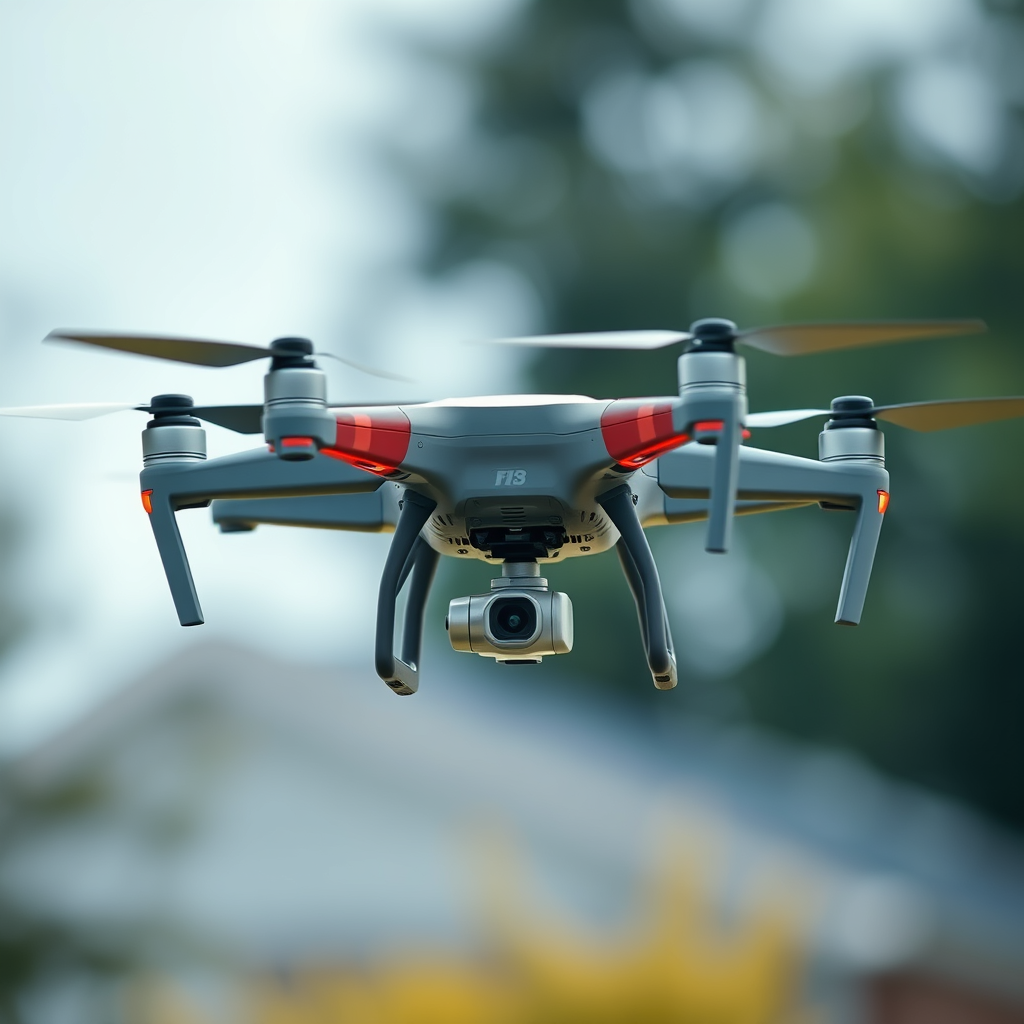
Drones, or Unmanned Aerial Vehicles (UAVs), are revolutionizing how insurance companies conduct property assessments. By providing aerial views, drones enable insurers to evaluate properties more comprehensively than traditional ground inspections allow. This capability is particularly beneficial in assessing large or difficult-to-reach areas, such as rooftops, backyards, and expansive commercial properties.
In recent years, the use of drones has surged, particularly for documenting damage following natural disasters or accidents. For instance, after a hurricane, an insurance company might deploy drones to capture real-time footage of affected areas, allowing for swift damage assessment and claims processing. This technology not only enhances the accuracy of evaluations but also speeds up the overall claims process, which can lead to improved customer satisfaction.
Legal Considerations for Drone Usage
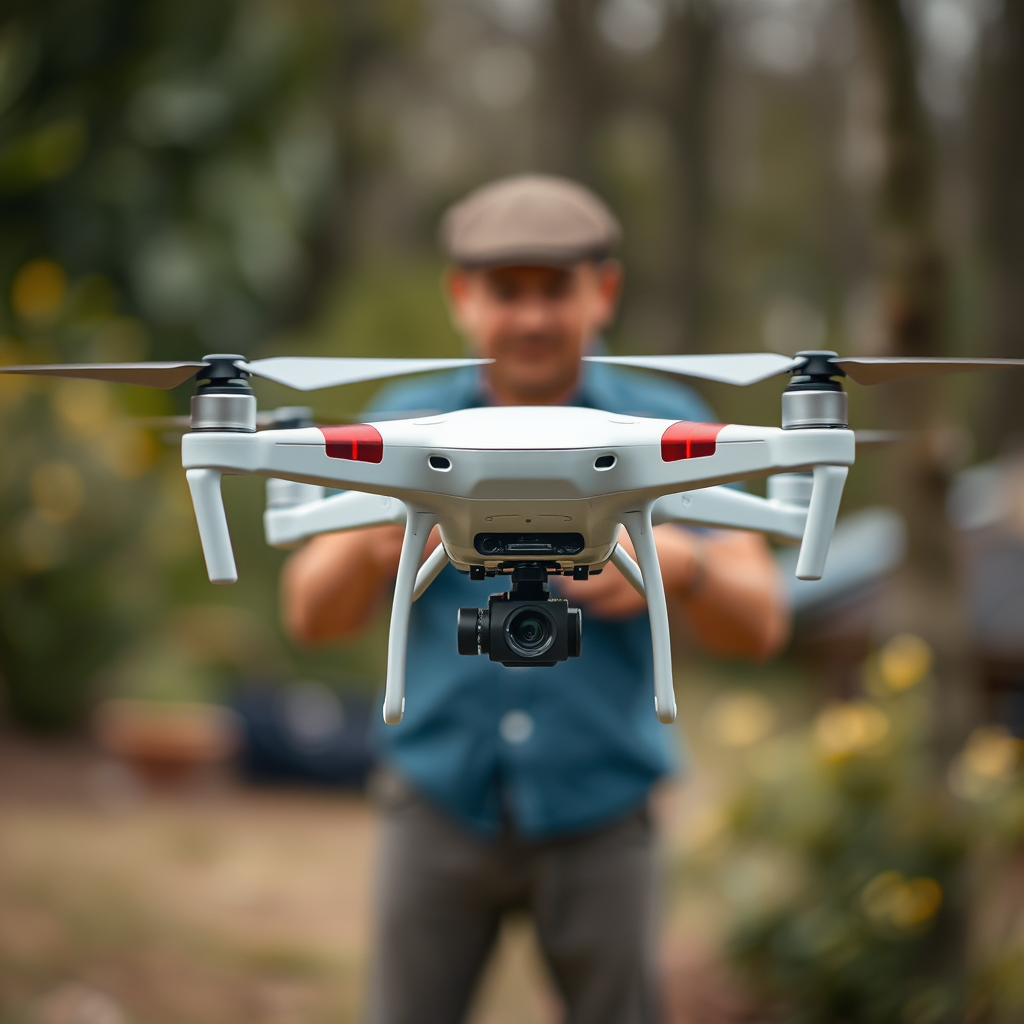
The legal landscape surrounding drone usage is primarily governed by federal regulations, with the Federal Aviation Administration (FAA) playing a pivotal role in overseeing their operation. Under the FAA’s Part 107 rules, commercial drone operators must obtain a Remote Pilot Certificate, register their drones, and adhere to specific operational guidelines, including altitude limits and no-fly zones.
In addition to federal regulations, state and local laws may impose further restrictions on drone flights. For example, some states require drone operators to notify property owners before conducting aerial inspections. Insurers must be diligent in understanding the legal requirements applicable to their operations to avoid potential legal repercussions. Failure to comply with these regulations can result in fines, penalties, and damage to the insurer’s reputation.
Privacy Concerns and Your Rights
Property owners have legitimate concerns regarding aerial surveillance, and it is crucial for insurers to respect these privacy rights. Generally, property owners have a reasonable expectation of privacy, especially concerning areas not visible from public view. Insurers must navigate these privacy concerns carefully, ensuring they comply with relevant laws and regulations.
In some jurisdictions, insurers may be required to obtain consent from property owners before deploying drones for inspections. This requirement varies by state, so it is essential for both insurers and policyholders to be informed about the specific laws in their area. Property owners should feel empowered to inquire about the purpose and extent of drone usage on their property and should seek clarification from their insurance provider if they have concerns.
The Benefits of Drone Technology for Insurance
The integration of drone technology into the insurance industry offers numerous benefits. One of the most significant advantages is time savings; drones can quickly cover large areas, providing insurers with immediate access to aerial imagery. This efficiency reduces the time spent on traditional inspections, allowing insurers to process claims more swiftly.
Moreover, drones capture high-resolution images and videos that enhance the accuracy of damage assessments. This detailed imagery enables insurers to make more informed decisions regarding claim payouts, ultimately benefiting both the insurer and the policyholder. For instance, using drones allows for better documentation of pre-existing conditions, which can be crucial in disputing fraudulent claims.
How Drones Impact Insurance Claims
Drones have a profound impact on the insurance claims process. By providing real-time data and comprehensive visual documentation, they expedite the claims handling process. Insurers can analyze damage more effectively, allowing for quicker decisions on claims approvals or denials.
Additionally, the use of drones helps combat fraudulent claims. With precise aerial imagery, insurers can verify the extent of damage claimed by policyholders, ensuring that claims are legitimate. For example, if a policyholder claims damage to a roof from a storm, drone footage can provide clear evidence of the actual condition before and after the event, thus reducing the potential for fraudulent claims.
Best Practices for Insurance Companies Using Drones
For insurance companies looking to implement drone technology, adherence to best practices is essential. First and foremost, insurers must ensure compliance with all relevant regulations, including FAA guidelines and local laws. This compliance not only mitigates legal risks but also fosters trust with policyholders.
Clear communication with policyholders about the use of drones is also crucial. Insurers should inform property owners about the purpose of drone flights, the data being collected, and how that data will be used. Transparency helps alleviate privacy concerns and builds confidence in the insurer’s practices. Additionally, obtaining consent when required by law can further strengthen the relationship between insurers and their clients.
Incorporating drone technology should also involve ongoing training for employees and contractors operating the drones. Ensuring that all personnel are knowledgeable about both the technical aspects of drone operation and the legal framework governing their use is vital for successful integration.
In conclusion, while insurance companies can utilize drones for property assessments, they must navigate various legal and ethical considerations. Understanding your rights and the implications of drone usage can help you feel more informed and secure. If you have concerns about drone inspections, reach out to your insurance provider for clarification. By staying informed and engaged, property owners can better understand how drone technology is used in the insurance industry and what it means for their policies.
Frequently Asked Questions
Can an insurance company legally fly a drone over my property without my permission?
Yes, an insurance company can legally fly a drone over your property, but it typically requires adherence to specific regulations set by the Federal Aviation Administration (FAA). In most cases, they must ensure that the drone is operated in compliance with privacy laws. While they may not need explicit permission for aerial surveillance, it’s always advisable to check state laws as they can vary regarding airspace and privacy rights.
Why would an insurance company want to use a drone to inspect my property?
Insurance companies often use drones to conduct property inspections for a variety of reasons, including efficient risk assessment, damage evaluation after natural disasters, and to gather comprehensive data for underwriting purposes. Drones provide aerial views that can help identify potential hazards or areas of concern, ultimately aiding in accurate policy pricing and claims processing.
How can I find out if an insurance company has flown a drone over my property?
To find out if an insurance company has flown a drone over your property, you can start by monitoring any communication from your insurer regarding property inspections or claims. Additionally, you might consider reaching out directly to your insurance agent or the company’s customer service to inquire. If you suspect unauthorized drone surveillance, checking local drone operation records, if available, could also provide insights.
What should I do if I see a drone flying over my property from an insurance company?
If you see a drone flying over your property, the first step is to assess the situation calmly. If you believe the drone belongs to an insurance company, you can contact them for clarification regarding their operations. If you feel that your privacy is being violated or the drone is flying unlawfully, you may file a complaint with local authorities or consult with a legal expert regarding your rights.
Which states have specific laws regarding drone use for insurance inspections?
Several states have enacted specific laws and regulations governing drone use, especially concerning privacy and property rights. States like California, Florida, and Texas have notable legislation addressing drone operations, including requirements for obtaining consent from property owners before conducting aerial surveys. It’s essential to research your state’s laws or consult with legal counsel to understand the nuances of drone regulations as they pertain to insurance inspections.
References
- https://www.nolo.com/legal-encyclopedia/can-insurance-company-fly-drone-over-property-29713.html
- https://www.faa.gov/uas/
- https://www.ncbi.nlm.nih.gov/pmc/articles/PMC7172972/
- https://www.reuters.com/article/us-usa-drone-insurance-idUSKBN2A30XU
- https://www.theguardian.com/us-news/2020/dec/04/us-drone-regulations-faa
- https://www.wired.com/story/drones-privacy-property-rights/
- https://www.doi.gov/ppa/land-use/drone-use
- https://www.lexology.com/library/detail.aspx?g=1b4a5a0e-cdb5-4f8d-bf6f-3d61c7d0e30c
