
Yes, DJI drones can carry various payloads, depending on the model and specifications. This capability has opened up new possibilities for aerial delivery, photography, and even agricultural applications. With advancements in drone technology, the ability to transport items has become more refined and accessible, fostering diverse use cases across multiple industries. In this article, we will explore how DJI drones can be utilized for carrying items, the limitations involved, and the practical applications that are emerging as a result.
Understanding DJI Drone Payload Capacity
Each DJI drone has a specified maximum payload capacity that varies by model. For instance, the DJI Matrice 600 can carry up to 6 kg (approximately 13.2 lbs), making it suitable for professional applications that require heavy equipment, such as cinematic cameras or industrial sensors. In contrast, models like the DJI Mavic Air 2 are designed for lighter payloads, typically around 0.5 kg (approximately 1.1 lbs).
The payload capacity directly affects not only the weight that can be transported but also flight time and stability. Heavier loads may significantly reduce performance, leading to shorter flight durations and potential stability issues during flight. For example, when operating a drone close to its payload limit, it may require more power to maintain altitude, which could result in quicker battery depletion. Understanding these specifications is crucial for operators to ensure safe and effective drone operation.
Popular DJI Models for Carrying Payloads
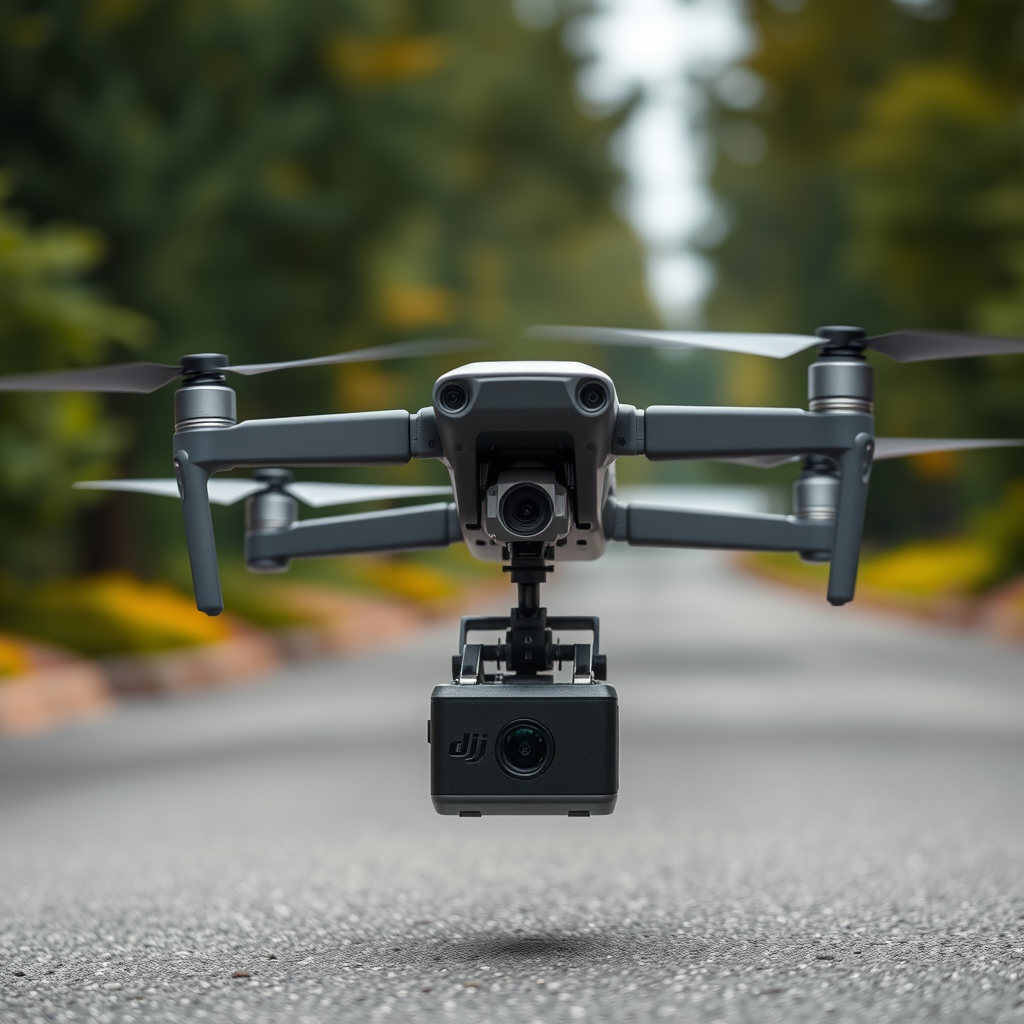
The DJI Matrice series is designed for commercial applications and can handle heavier loads. Models like the Matrice 200 and Matrice 600 are widely used in industries such as filmmaking, agriculture, and infrastructure inspection due to their robust design and excellent payload capacity. These drones are equipped with advanced stabilization systems and can be outfitted with various gimbals and attachments to secure equipment safely.
On the other hand, the DJI Phantom and Mavic series can carry lighter items, making them suitable for personal and recreational use. For example, a Mavic 2 Pro can carry a small payload, such as a lightweight camera or a small package, making it ideal for hobbyists and amateur photographers looking to experiment with aerial photography. These models are engineered for ease of use and portability, appealing to a broader audience who may not require the heavy-lifting capabilities of the Matrice series.
Types of Items DJI Drones Can Carry
DJI drones can transport a variety of items, ranging from small packages and cameras to emergency supplies in certain situations. For instance, search and rescue teams have utilized drones to deliver medical supplies to remote locations where traditional transport methods may be hindered by difficult terrain. Additionally, drones are increasingly being used for agricultural purposes, such as carrying sensors or dispersing fertilizers over crops.
Custom attachments and gimbals can be used to secure items for transport effectively. For example, specialized mounts are available for attaching cameras or other equipment securely, ensuring that they remain stable during flight. This versatility allows users to adapt their drones for specific missions, whether it’s for delivering packages, capturing high-quality images, or conducting inspections.
Legal Considerations for Carrying Payloads with DJI Drones
Regulations regarding drone payloads and operations vary by region, and it is essential to check local laws before carrying items with DJI drones. In the United States, the Federal Aviation Administration (FAA) has strict guidelines regarding commercial drone operations, including weight limits and requirements for pilot certification. For instance, any drone operation for commercial purposes, including carrying payloads, must comply with Part 107 regulations, which mandate that operators obtain a Remote Pilot Certificate.
Licensing and registration may be required for commercial use, which adds an additional layer of complexity for businesses looking to utilize drones for deliveries or other applications. In contrast, recreational users may have fewer restrictions, but they are still encouraged to follow safety guidelines and local regulations to ensure responsible drone use.
Safety Measures When Carrying Items
Proper weight distribution is crucial to maintaining control during flight. Uneven weight distribution can lead to unexpected flight behavior, making the drone difficult to control. Operators should ensure that the payload is securely fastened and balanced to minimize risks.
Always perform a pre-flight check to ensure the drone can handle the added weight securely. This includes testing battery life, checking for any mechanical issues, and ensuring that the payload is correctly attached. Additionally, operators should be mindful of environmental factors such as wind speed and weather conditions, as these can significantly impact flight performance, especially when carrying payloads.
Use Cases for Carrying Items with DJI Drones
Delivery services are increasingly utilizing drones for rapid transport of goods, particularly in urban environments. Companies like Amazon and UPS are exploring drone delivery systems to improve efficiency and reduce delivery times. Drones can bypass traffic and reach remote locations quickly, making them an attractive option for time-sensitive deliveries.
Drones are also used in search and rescue operations to deliver supplies to hard-to-reach locations. For instance, during natural disasters, drones can provide crucial support by delivering food, water, and medical supplies to areas that may be inaccessible by traditional means. This application highlights the potential of drones to enhance emergency response efforts and save lives.
Future Developments in Drone Payload Capabilities
Ongoing advancements in drone technology may increase payload capacities in future models. Innovations in materials and design are leading to lighter, stronger drones that can carry heavier loads without compromising performance. Additionally, improvements in battery technology are essential for extending flight times and enabling drones to transport larger payloads more efficiently.
As the industry continues to evolve, we can expect to see more versatile drones that can handle a wider range of applications. These developments could expand the use of drones in sectors such as logistics, agriculture, and public safety, opening new avenues for businesses and operators alike.
In conclusion, DJI drones are capable of carrying various items, making them versatile tools for different applications. From commercial delivery services to emergency response efforts, the ability to transport payloads is transforming how we approach logistics and operations. As technology continues to evolve, their payload capabilities may expand further, providing even more opportunities for innovative uses. If you’re considering using a DJI drone for carrying items, be sure to understand the specifications and regulations to ensure a safe and effective operation.
Frequently Asked Questions
Can DJI drones carry packages or cargo?
Yes, DJI drones can carry packages or cargo, but it depends on the specific model and its payload capacity. For example, the DJI Matrice series is designed for commercial use and can carry heavier loads, making it suitable for delivering packages or transporting equipment. However, personal models like the DJI Mavic series are typically limited in weight and are best suited for lightweight items, such as small cameras or sensors.
What is the maximum payload capacity of DJI drones?
The maximum payload capacity varies by model. For instance, the DJI Matrice 300 RTK can carry up to 2.7 kg (approximately 6 pounds), while the DJI Matrice 600 can handle up to 6 kg (about 13.2 pounds). It’s crucial to consult the specifications for each drone model to ensure you stay within safe operating limits while carrying cargo.
How do I attach a payload to my DJI drone?
To attach a payload to your DJI drone, you typically need a compatible mounting system or gimbal that can securely hold the item. Most professional-grade drones, such as the Matrice series, come with built-in payload options or allow for third-party attachments. Always ensure the payload is balanced and within the drone’s weight capacity to maintain safe flight performance.
Why would someone want to use a DJI drone to carry items?
Using a DJI drone to carry items can significantly enhance efficiency in various fields such as delivery services, agriculture, and industrial inspections. Drones can access hard-to-reach areas quickly and reduce transportation time compared to traditional methods. They also offer the advantage of reducing the risk of damage to fragile items, as drones can deliver packages with precision.
Which DJI drones are best for carrying heavier loads or cargo?
The DJI Matrice 600 and Matrice 300 RTK are considered the best options for carrying heavier loads, as they are designed specifically for commercial applications and have robust payload capacities. These models support various payload configurations and are compatible with high-quality cameras and other equipment, making them ideal for professional photography, surveying, and delivery services.
References
- https://en.wikipedia.org/wiki/Drone_delivery
- https://www.faa.gov/uas/
- https://www.sciencedirect.com/science/article/pii/S2212017319302385
- https://www.theguardian.com/technology/2020/jun/07/amazon-drones-delivery
- https://www.reuters.com/business/aerial-delivery-drones-are-finally-take-off-2021-06-01/
- https://www.nasa.gov/press-release/nasa-drones-to-help-deliver-supplies-to-remote-areas
- https://www.nytimes.com/2021/05/05/technology/drones-delivery.html
- https://www.wired.com/story/drones-delivery-2021/
