
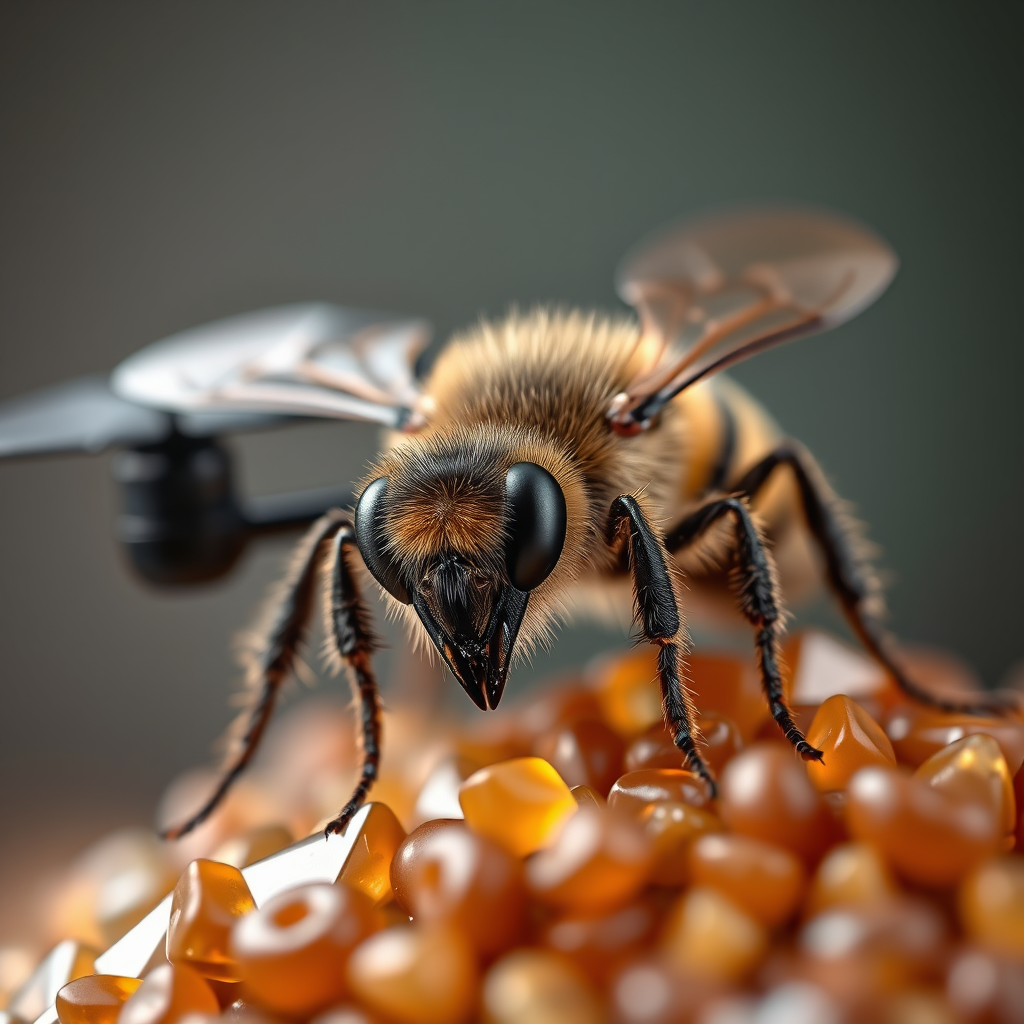
Drone bees, unlike worker bees, do not have the ability to feed themselves. They rely entirely on worker bees for sustenance through a process known as trophallaxis, where food is transferred directly from one bee to another. This critical dependency influences their role within the hive and highlights the complex social structure of bee colonies. In this article, we will explore the roles of drone bees, their feeding habits, and the broader implications of these dynamics for hive survival and management.
Understanding Drone Bees
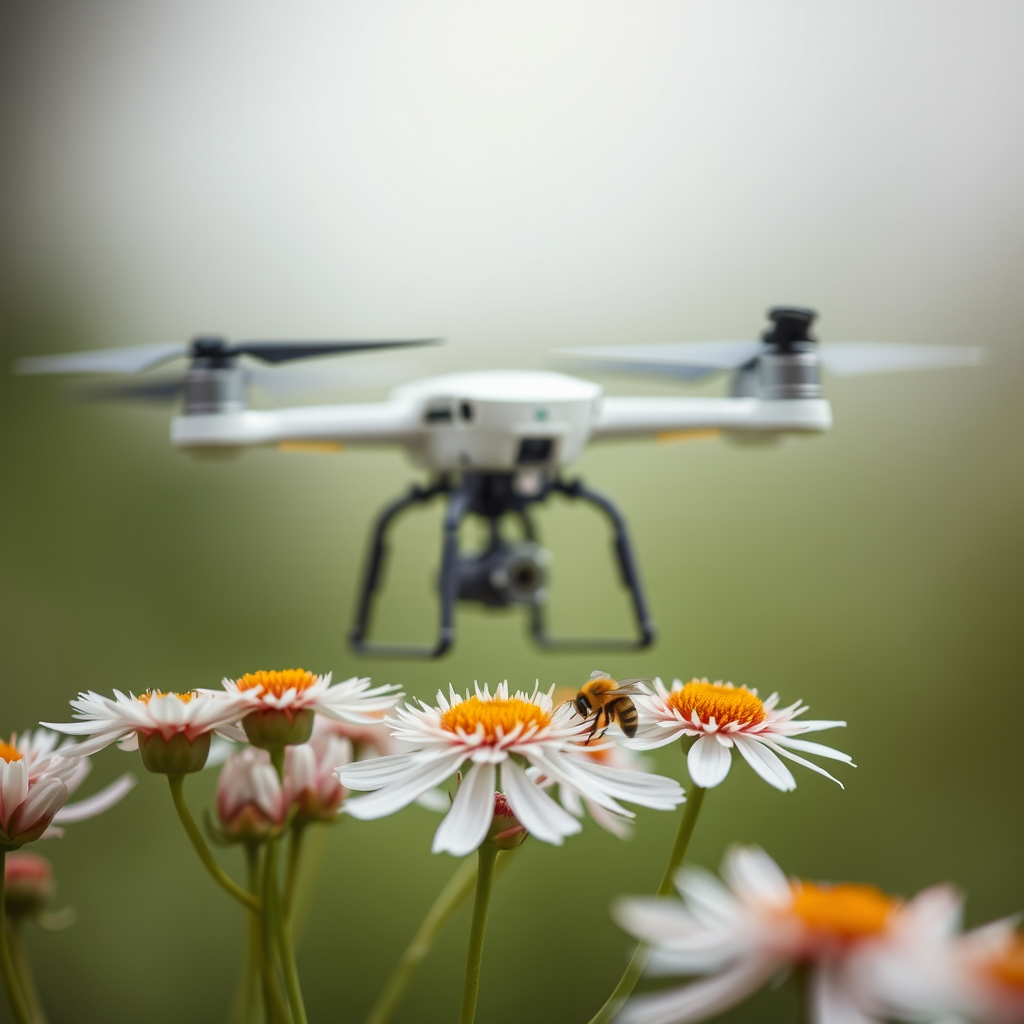
Drone bees are the male members of a honeybee colony, with their primary biological purpose being to mate with a queen. They are larger than worker bees and possess distinct physical characteristics, such as larger eyes that aid in spotting the queen during mating flights. Unlike worker bees, drones do not collect nectar or pollen, nor do they engage in hive maintenance or defense. Their lack of foraging abilities renders them dependent on the worker bees for food, which creates a unique dynamic in the hive’s ecosystem. In essence, drones are vital for reproduction but are entirely reliant on the more industrious worker bees for sustenance and survival.
The Role of Worker Bees
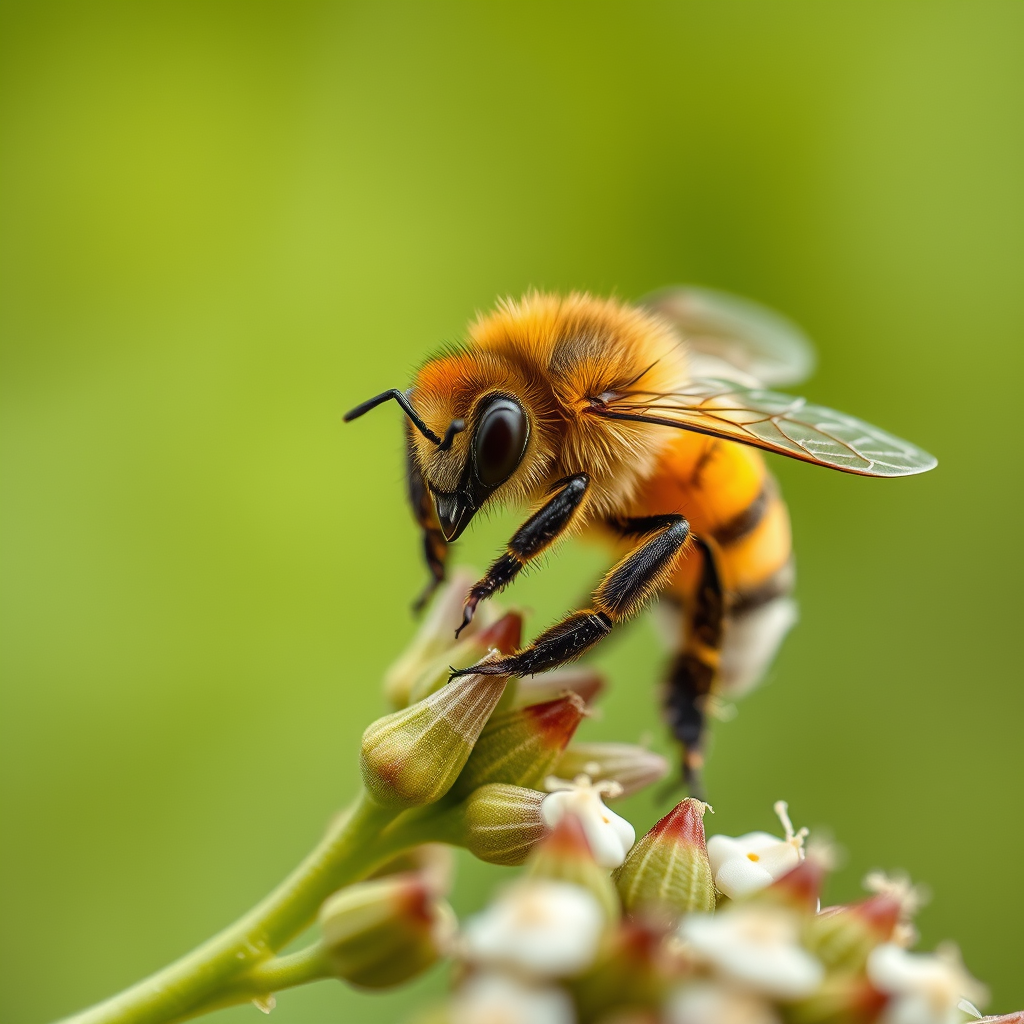
Worker bees serve as the backbone of the hive, performing essential tasks that ensure the colony’s health and productivity. Their roles encompass foraging for nectar and pollen, caring for the queen and her brood, and maintaining hive cleanliness. Perhaps one of the most critical functions performed by worker bees is feeding the drone bees. This is accomplished through a behavior known as trophallaxis, where a worker bee regurgitates food into the mouth of a drone. This direct transfer of nourishment is crucial, especially during times of resource scarcity, as it ensures that all bees in the colony, including the drones, receive the necessary nutrients to sustain their health and reproductive capabilities.
Feeding Mechanisms in the Hive
Trophallaxis is not just a feeding method; it is a vital social interaction within bee colonies that promotes communal living and resource sharing. Through this behavior, worker bees distribute food, which is primarily honey and a mixture of pollen and enzymes known as bee bread, throughout the hive. The social structure in a hive is such that the needs of the queen and her developing larvae are prioritized above those of the drones. Consequently, during times of food shortage, the availability of resources for drones may diminish, leading to a reduction in their population as they are less essential for the immediate survival of the hive. This intricate feeding mechanism underscores the importance of cooperation and resource allocation in hive dynamics.
Nutritional Needs of Drone Bees
To fulfill their primary function of mating and contributing to colony genetics, drone bees require a specific diet that is rich in carbohydrates and proteins. The nutritional composition they receive from worker bees is crucial for maintaining their energy levels and ensuring reproductive success. Honey, which provides a concentrated source of carbohydrates, and pollen, which is rich in proteins and lipids, form the core of a drone’s diet. The quality and availability of this food source can directly impact the health and vitality of the drone population, making it essential for beekeepers to monitor and manage resource distribution within the hive effectively.
Implications for Colony Dynamics
The reliance of drone bees on worker bees for feeding has significant implications for the overall dynamics of the colony. A high ratio of drones relative to workers can strain the hive’s resources, especially during periods of scarcity, such as late winter or early spring when food supplies are often limited. In times of resource depletion, worker bees may prioritize feeding the queen and her brood over the drones, leading to a decline in drone populations. This dynamic emphasizes the necessity for beekeepers to maintain a careful balance within the hive, ensuring that worker bee populations are sufficient to support both the queen’s reproductive needs and the drones’ sustenance. Understanding these feeding habits and their implications helps beekeepers make informed decisions about hive management.
Future of Drone Bees in Beekeeping
As environmental changes and challenges such as habitat loss and pesticide exposure continue to impact bee populations, researchers are increasingly focusing on the dynamics of drone bees and their feeding behaviors. Studies are exploring how these factors influence drone populations, reproductive success, and overall hive health. Innovations in hive management are being developed to optimize the balance between worker and drone bee populations, ensuring that colonies remain robust and productive. Beekeepers who stay informed about these developments can better adapt their practices to promote a healthy hive environment, ultimately benefiting both the bees and the ecosystems they inhabit.
In summary, drone bees cannot feed themselves and depend entirely on worker bees for their sustenance. This reliance not only underscores the intricate social structure of bee colonies but also highlights the importance of maintaining a healthy hive environment for the survival of all members. For those interested in beekeeping, understanding these dynamics is essential for effective management and sustainability. By prioritizing the nutritional needs of both worker bees and drones, beekeepers can contribute to the resilience and productivity of their hives, ensuring a thriving bee population for future generations.
Frequently Asked Questions
Can drone bees feed themselves without worker bees?
Drone bees cannot feed themselves in the same way that worker bees do. They rely on worker bees for sustenance, as worker bees are responsible for foraging and bringing back nectar and pollen to the hive. Drones are primarily focused on mating and do not have the necessary adaptations to gather food independently, making them dependent on the worker bees for their nourishment.
Why don’t drone bees contribute to hive maintenance or foraging?
Drone bees have a specialized role within the hive that is primarily focused on reproduction. Unlike worker bees, which are equipped with the necessary tools for foraging and hive maintenance, drones lack stingers and the ability to gather nectar or pollen. Their main function is to mate with a queen during the breeding season, and once their purpose is fulfilled or the season changes, they are often expelled from the hive.
What do drone bees eat while they are in the hive?
Drone bees primarily consume honey and pollen, which are provided to them by worker bees. In the hive, worker bees feed drones through a process called trophallaxis, where they regurgitate food for the drones. This nutritional support is crucial for drones, especially during mating flights, as they require energy to perform their reproductive duties.
How long can drone bees survive without food?
Drone bees can typically survive for several days without food, but their survival time depends largely on the availability of honey and the hive’s overall conditions. If drones are expelled from the hive during the late fall or winter months, they may struggle to find food sources outside the hive and may not survive long without worker bees to feed them.
What happens to drone bees after the mating season?
After the mating season, drone bees often face expulsion from the hive by worker bees. They are seen as a drain on the hive’s resources since they do not contribute to foraging or hive maintenance. As the colder months approach, the hive prepares for winter, and drones are typically removed to ensure that the remaining bees can conserve food and energy.
References
- https://en.wikipedia.org/wiki/Drone_bees
- https://www.sciencedirect.com/science/article/abs/pii/S0022201115003994
- https://www.abc.net.au/news/science/2020-05-20/scientists-create-drone-bee/12263798
- https://www.nature.com/articles/s41598-018-36686-9
- https://www.frontiersin.org/articles/10.3389/fbioe.2021.643312/full
- https://www.npr.org/sections/thetwo-way/2016/06/03/480489300/robotic-bees-could-help-pollinate-plants-as-real-bees-dwindle
- https://www.reuters.com/article/us-robots-bees-idUSKBN2A60R8
- https://www.usda.gov/media/blog/2016/06/10/what-happens-when-bees-fly-robots
