

Yes, drone blades can cut you. The sharpness and speed of these blades pose a significant risk of injury if proper precautions are not taken. As drones continue to gain popularity for recreational and commercial use, understanding the mechanics of drone blades and the potential dangers they present is crucial for safety. In this article, we will explore how drone blades operate, the risks associated with them, and effective safety measures to avoid injuries.
Understanding Drone Blade Mechanics
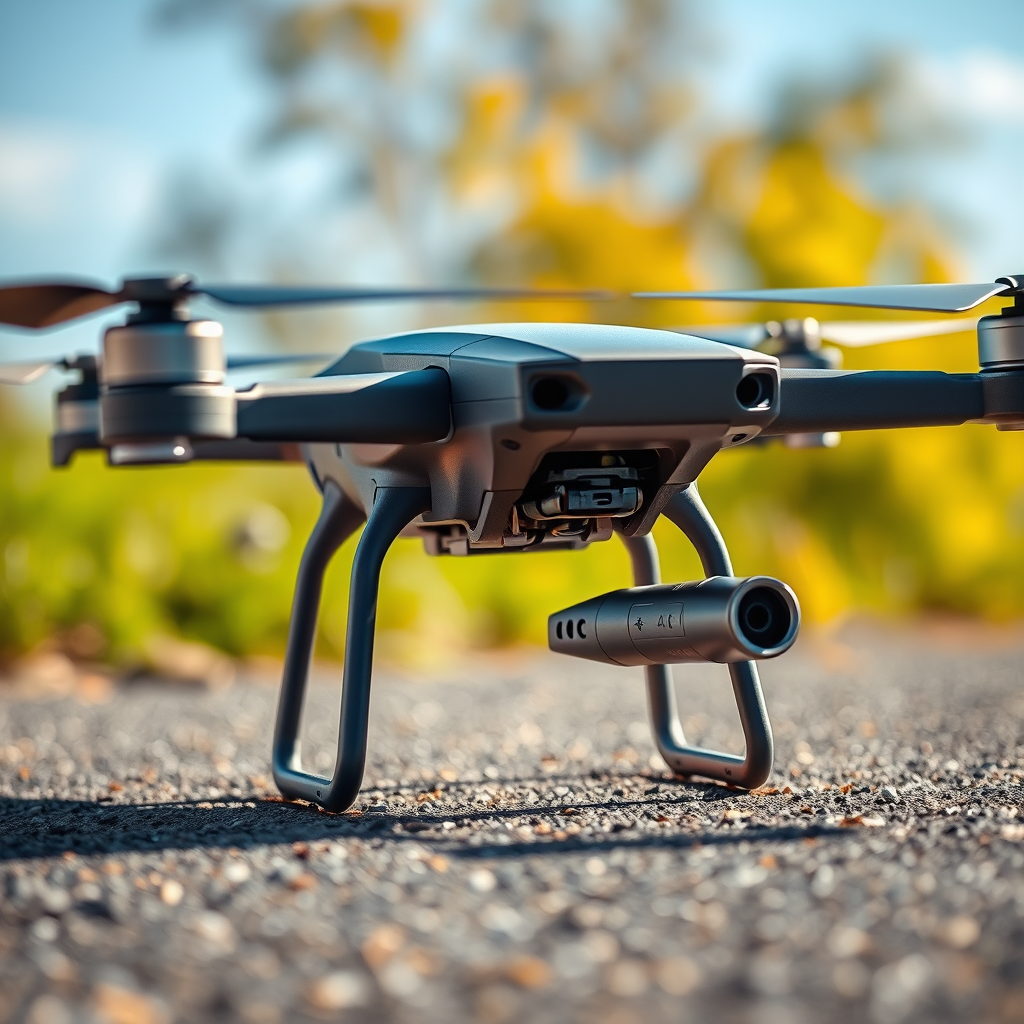
Drone blades, or propellers, are essential components that enable the aircraft to generate lift and maneuver in the air. They rotate at high speeds, often exceeding 10,000 RPM, which allows them to create the necessary thrust to lift the drone off the ground. The lift generated is a result of aerodynamic principles, where the shape and angle of the blades create a pressure difference that allows the drone to ascend and remain airborne.
The design of the blades can vary significantly across different types of drones. For instance, quadcopters typically have four blades that provide stability and control, while racing drones may utilize fewer, more finely tuned blades to maximize speed and agility. Blade length, pitch (the angle of the blades), and material composition all contribute to the performance and potential hazard of the drone. Understanding these mechanics is essential for both operators and bystanders to recognize the inherent risks involved.
Types of Drone Blades
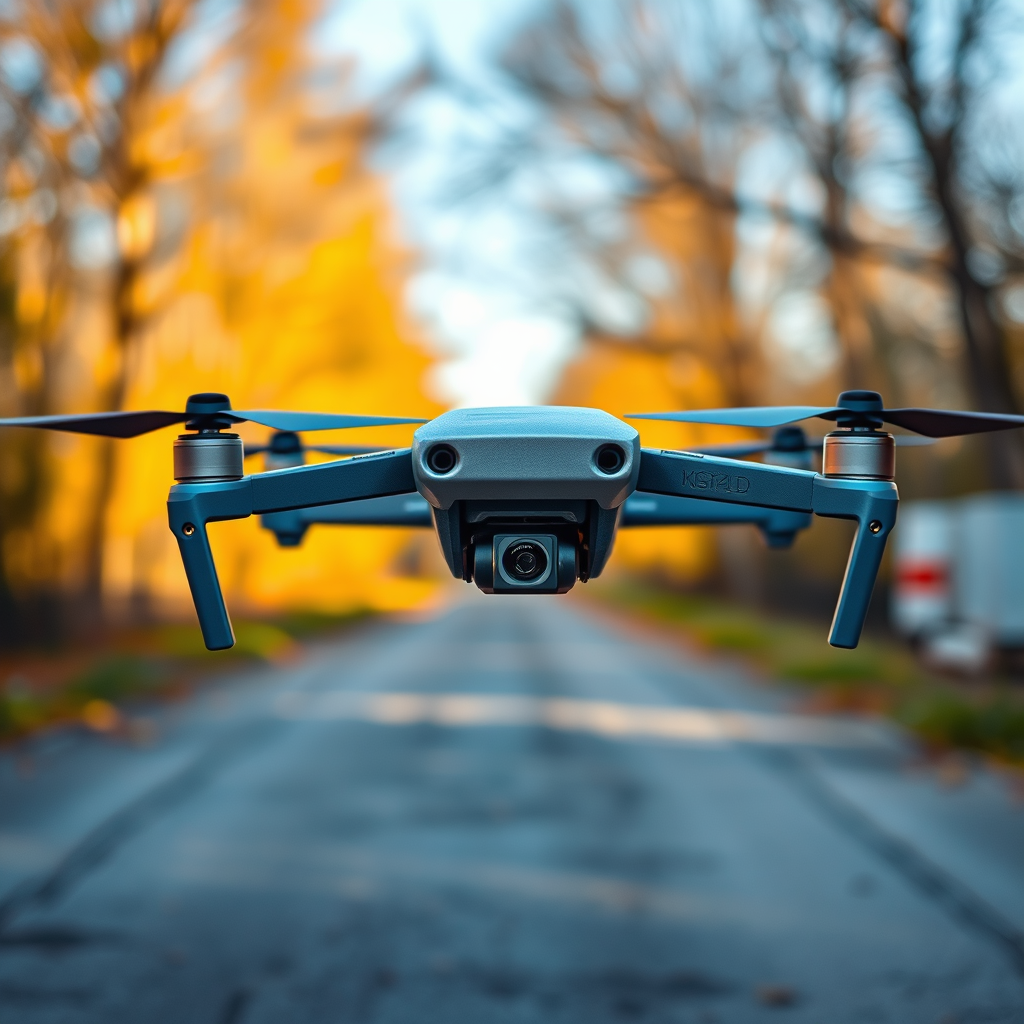
Drone blades are primarily made from two materials: plastic and carbon fiber.
– Plastic Blades: These are the most common type found on consumer drones. They are lightweight and cost-effective but can be sharp and break upon impact, potentially leading to injury. Their design is often optimized for general use, balancing performance and safety.
– Carbon Fiber Blades: This material is used in high-performance and professional drones. Carbon fiber blades are not only stronger and more durable but also sharper. Their increased rigidity allows for higher performance, but they also pose a greater risk of cuts and injuries due to their sharp edges.
In terms of size and shape, larger blades tend to pose a greater risk compared to smaller ones. For example, a drone with larger propellers can generate more lift and, when spinning at high speeds, can inflict serious injuries. Conversely, smaller drones with smaller blades may be less dangerous but should still be treated with respect. The overall design and functional purpose of the drone will dictate the risk level associated with its blades.
Risks Associated with Drone Blades
The risks associated with drone blades can be categorized into two main areas: cuts and lacerations, and impact injuries.
– Potential for Cuts and Lacerations: Drone blades can inflict injuries that range from minor cuts to severe lacerations. Even a brief encounter with a spinning propeller can result in significant skin damage, puncture wounds, and in extreme cases, amputations. A notable incident involved an operator who suffered deep lacerations to the hand when attempting to adjust a drone’s propeller while it was still powered on.
– Impact Injuries: Beyond cuts, the force generated by drone blades can cause blunt force trauma. If a drone falls or collides with a person, the impact can lead to serious injuries, including contusions, fractures, or concussions. This risk is especially pertinent in crowded environments where bystanders may be unaware of the drone’s operation.
Understanding these risks is imperative for anyone involved in drone operations, whether as an operator or as a bystander.
Safety Precautions to Avoid Injury
To mitigate the risks associated with drone blades, several safety precautions should be observed:
– Maintain a Safe Distance: Always keep a safe distance from the drone during operation. The general recommendation is to maintain at least 30 feet away from the drone while it is in the air. This distance helps to minimize the risk of accidental contact with the spinning blades.
– Use Protective Gear: Wearing appropriate protective equipment can significantly reduce the risk of injury. Operators and bystanders should consider wearing gloves, goggles, and long sleeves to protect against cuts and debris. In some cases, using a drone with protective guards around the blades can offer additional safety.
– Pre-Flight Checks: Before launching the drone, conduct a thorough pre-flight inspection. Ensure that the propellers are securely attached and free from damage. Taking the time to check the equipment can prevent malfunctions that could lead to accidents.
Regulations and Safety Guidelines
Understanding and adhering to regulations is crucial for safe drone operation.
– FAA Regulations: The Federal Aviation Administration (FAA) has established guidelines for the safe operation of drones in the United States. These regulations include restrictions on flying near people and in congested areas, and they emphasize the importance of maintaining visual line-of-sight with the drone at all times. Familiarizing oneself with these regulations is essential for any drone operator.
– Manufacturer Guidelines: Each drone comes with a set of manufacturer-specific safety guidelines. Operators should read and understand these instructions thoroughly. They often include important information about safe operation practices, maintenance, and recommended safety equipment. Following these guidelines can help prevent accidents and ensure a safer flying experience.
What to Do in Case of an Injury
In the unfortunate event of an injury caused by a drone blade, immediate action is critical:
– Immediate First Aid: For minor cuts and lacerations, clean the wound with soap and water and apply a sterile bandage. If bleeding is severe, apply direct pressure to the wound and elevate the affected area if possible. It is crucial to keep the injured person calm and still until help arrives.
– When to Seek Medical Attention: Seek professional medical help for deeper cuts, lacerations, or any signs of infection. Additionally, if the injury involves significant bleeding, bone fractures, or if the individual experiences dizziness or confusion, it is imperative to call for emergency assistance. Timely medical intervention can be pivotal in preventing complications.
In conclusion, while drone blades can indeed cut you, understanding their mechanics and adhering to safety protocols can significantly reduce the risk of injury. By familiarizing yourself with the types of blades, the associated risks, and essential safety measures, you can ensure a safer experience whether you are operating the drone or simply enjoying the aerial spectacle. Always prioritize safety when operating or being around drones to protect yourself and others.
Frequently Asked Questions
Can drone blades cut you if they come into contact with skin?
Yes, drone blades can indeed cut you if they come into contact with skin. Most consumer drones are equipped with sharp, fast-spinning propellers that can pose a significant injury risk. Even at lower speeds, the edges of the blades can cause lacerations or abrasions, especially in sensitive areas like fingers or hands. This is why it’s crucial to maintain a safe distance from drone rotors while they are in operation.
How can I avoid getting injured by drone blades?
To avoid injuries from drone blades, always keep a safe distance from the drone while it’s flying, and ensure it is on the ground or powered off before approaching it. Familiarize yourself with the drone’s safety features, and always operate the drone in open spaces away from people. Additionally, wearing protective gear, like gloves and goggles, can provide an extra layer of safety when handling drones.
Why are drone blades considered dangerous?
Drone blades are considered dangerous because they rotate at high speeds and can inflict serious injuries upon contact. The sharp edges of the blades can cut through skin and muscle, leading to lacerations that may require medical attention. Furthermore, the unpredictable nature of drone operation can lead to accidents if the operator loses control or if the drone malfunctions, increasing the risk of injury.
What are the best safety practices when flying a drone?
The best safety practices when flying a drone include conducting a thorough pre-flight check to ensure all components are functioning correctly, operating the drone in a clear and open environment, and avoiding crowded areas. Always keep the drone within your line of sight and be aware of your surroundings to avoid collisions. Additionally, following local regulations and guidelines, including altitude restrictions and no-fly zones, enhances safety for both the operator and bystanders.
Which drones have the most dangerous blades?
Drones with larger, faster-spinning blades, typically found in professional or racing drones, are considered more dangerous due to their potential for causing serious injuries. Models designed for commercial use, like those used in aerial photography or agricultural applications, often have powerful propellers that can generate significant cutting force. It’s important for users to understand the specifications of their drones and exercise caution, especially when operating more advanced models.
References
- https://en.wikipedia.org/wiki/Drone
- https://www.sciencedirect.com/science/article/pii/S2213138818300172
- https://www.ncbi.nlm.nih.gov/pmc/articles/PMC7310024/
- https://www.cnet.com/news/drone-safety-guide/
- https://www.nasa.gov/feature/understanding-drone-safety
- https://www.bbc.com/future/article/20200609-what-happens-when-a-drone-falls-on-you
- https://www.faa.gov/uas/resources/policy_library/media/uas_beyond_visual_line_of_sight.pdf
- https://www.jstor.org/stable/10.5325/jhassecur.6.2.0143
